

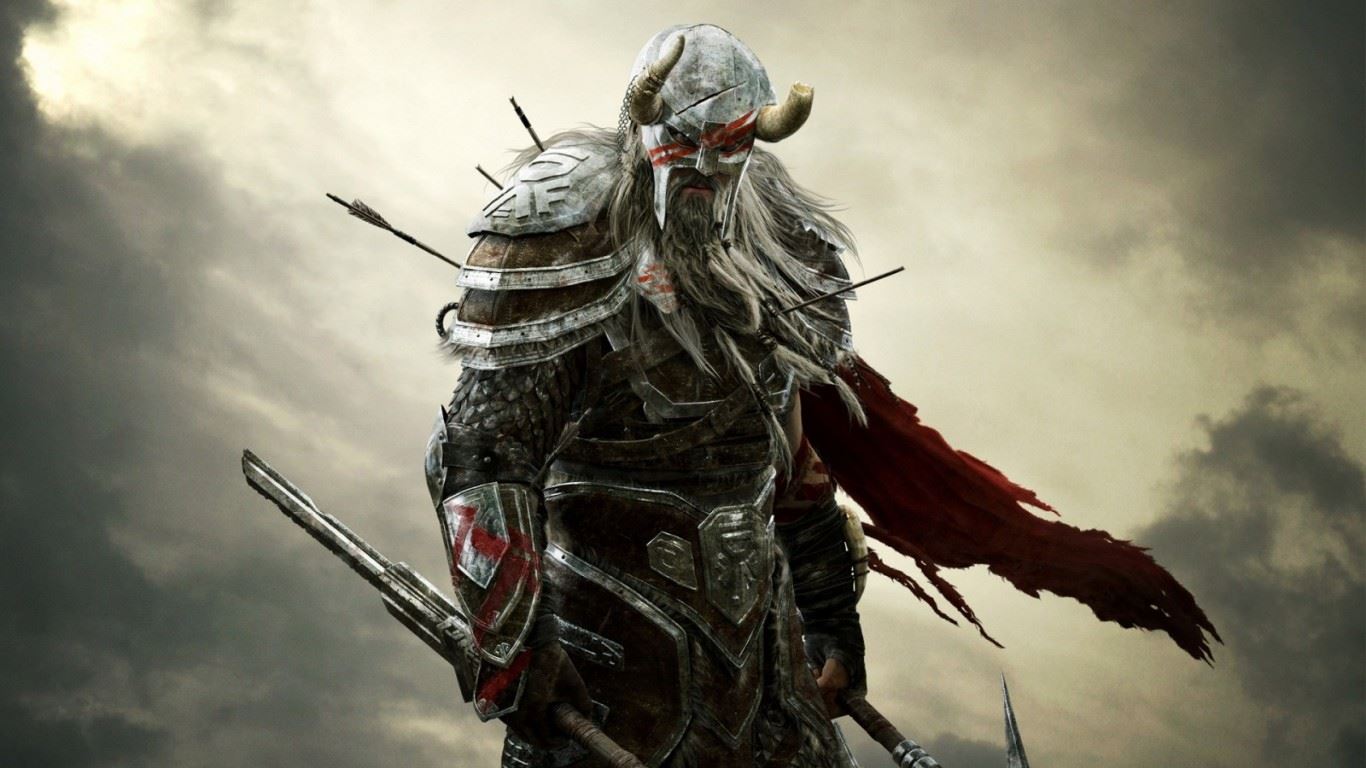
The MMORPG The Elder Scrolls Online was intended to reach a mass audience, but only attracted hardcore MMO players. This needed to change.
The site Glixel conducted an interview with the head of ESO, Matt Firor. This sheds light on some new facts.
Skyrim changed the development

Without Skyrim, ESO would have looked different than we know it today.
The first systems for ESO emerged between 2008 and 2010 – back then, players had different ideas about what a “The Elder Scrolls” should be, then came 2011 and Skyrim. This changed player perception. Suddenly, levels in Elder Scrolls were no longer important.
Even then, there were considerations at ESO to do away with player levels, but it was ultimately decided against this, as the step would have been too drastic to redesign an existing massive, level-based world.
Ultimately, this step was taken with “One Tamriel” – levels now played a significantly smaller role than at launch. Most game content was now level-independent and accessible to everyone.
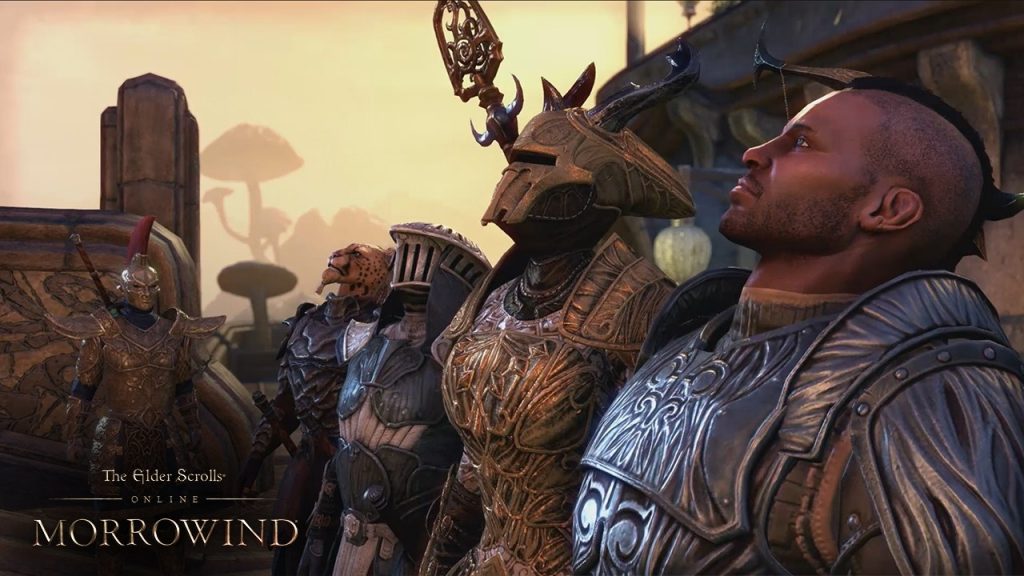
The Skyrim-ification of The Elder Scrolls Online began during development
Even though this point was implemented a few years late: Skyrim had a significant influence on ESO during development:
Due to Skyrim
- ESO switched to first-person perspective
- ESO adopted a smaller hotbar
- ESO moved combat to the mouse buttons
- Zenimax overall did much to make the game feel less like an MMO and more like an RPG.
Success eluded at launch
At launch in 2014, The Elder Scrolls Online still fell short of high expectations. According to Firor, it was not a flop in that sense, but it could not reach the “mass market” that the Elder Scrolls single-player games had.
Zenimax had expected to reach the “mass of users”, the fans of Elder Scrolls, with ESO, but instead received “hardcore MMO gamers.” They logged in every day and played.
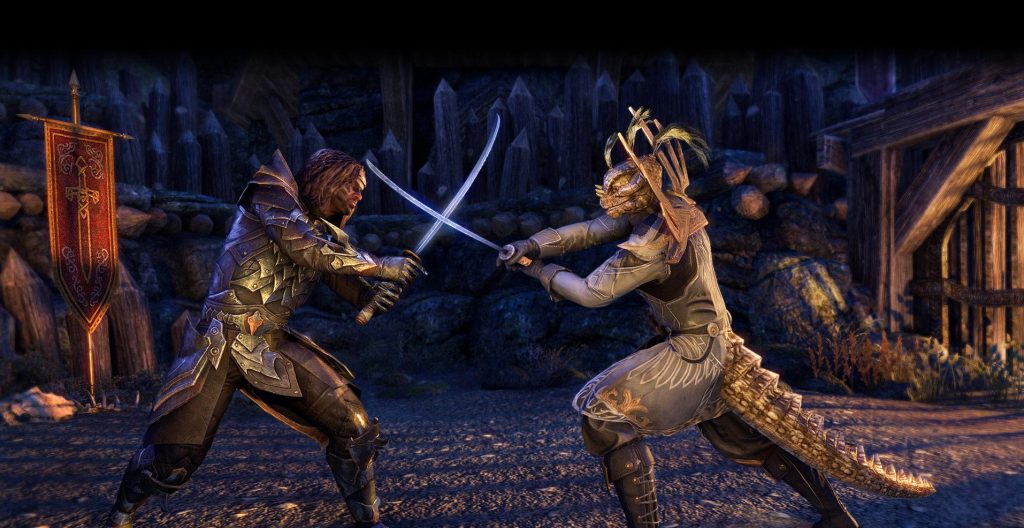
Zenimax oriented itself around them when reshaping the game. Firor says: We simply did more of what the players wanted and less of what they didn’t want. For this, data collected and personal experience were utilized.
For the Justice system, for example, players wanted to go out and steal something – so they were given the ability to do it in a sandbox form without quests.
If you have something to build on, you can also be successful
Firor was already of the opinion in 2014 that ESO was fundamentally something good. You just had to loosen the systems and free the players from constraints, then success would follow, Firor believed.
You had players who played every day and thus something to build on. And when you have something to build on, you can make it more successful, thinks Firor.
Through the Champion system, players should now be able to customize their heroes as they wish, without having to grind veteran levels.
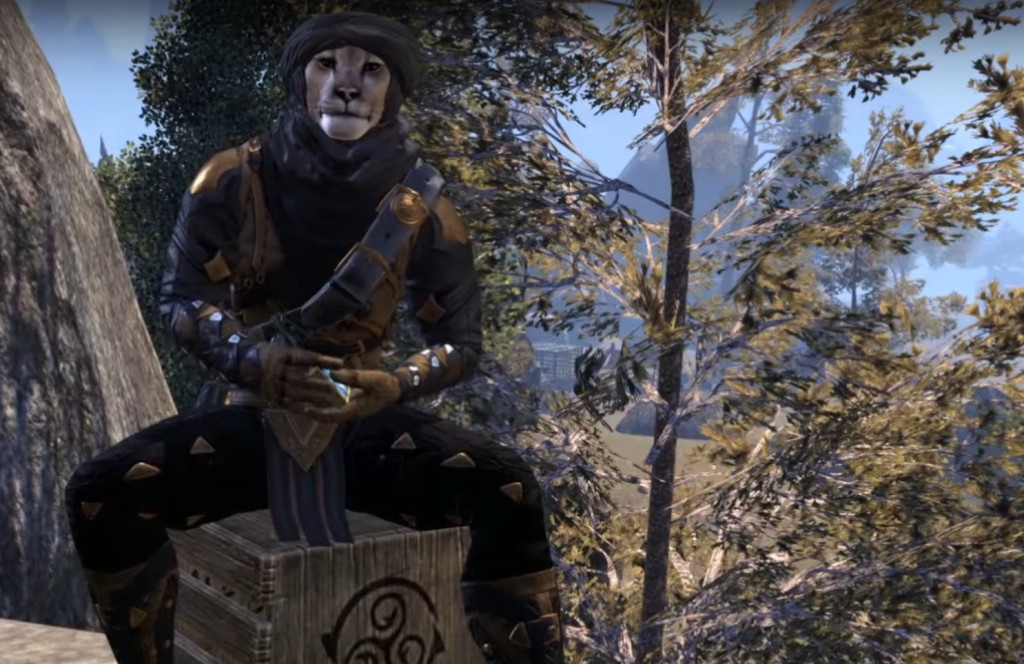
The mood in the studio after the release was never really down despite the issues; the sentiment was: “Okay, we did this so far. That didn’t work. We didn’t see that coming, but we can handle it.”
Head angry that there are no underwater contents in ESO
Meanwhile, success has arrived. However, Firor is still a bit bothered by one thing. He is a big fan of “underwater content.”
But … the Elder Scrolls series is not known for excelling here. Plans for underwater content were scrapped one day because there wasn’t enough time. Firor says: “I was pretty pissed about that, but it was probably just me.” Firor seems to have made peace with it now.
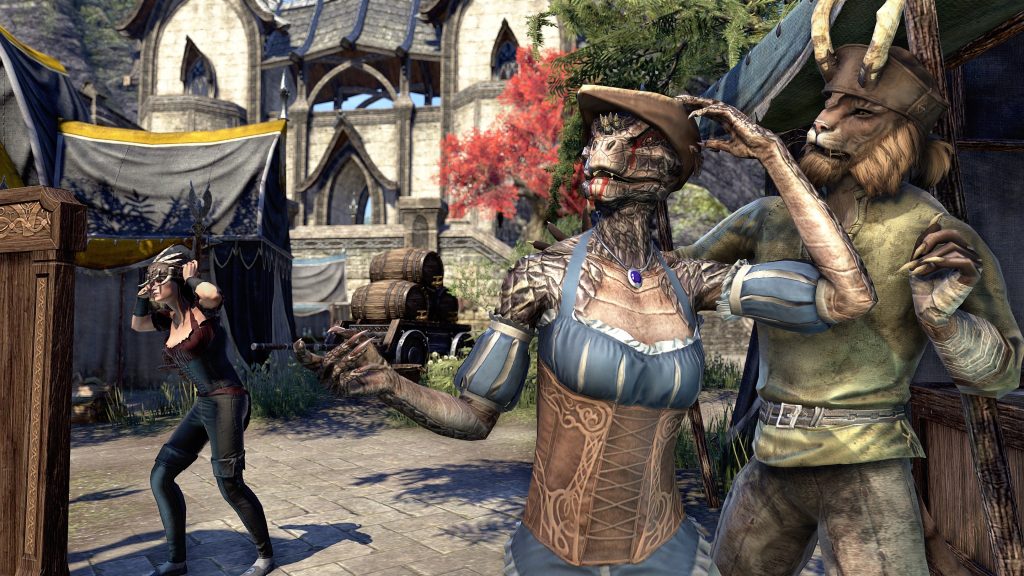
We are now really successful
They are now “really successful”, a lot of people play the game, they are now in Japan and are doing a lot of different things. At the moment, they are effectively rebranding the game as “Morrowind,” bringing new players to ESO and have created a new tutorial.
Anyone who has never played the old ESO can now simply jump in with Morrowind. They are really doing a lot of cool things and that is only possible because they were successful enough to play a bit with the formula.
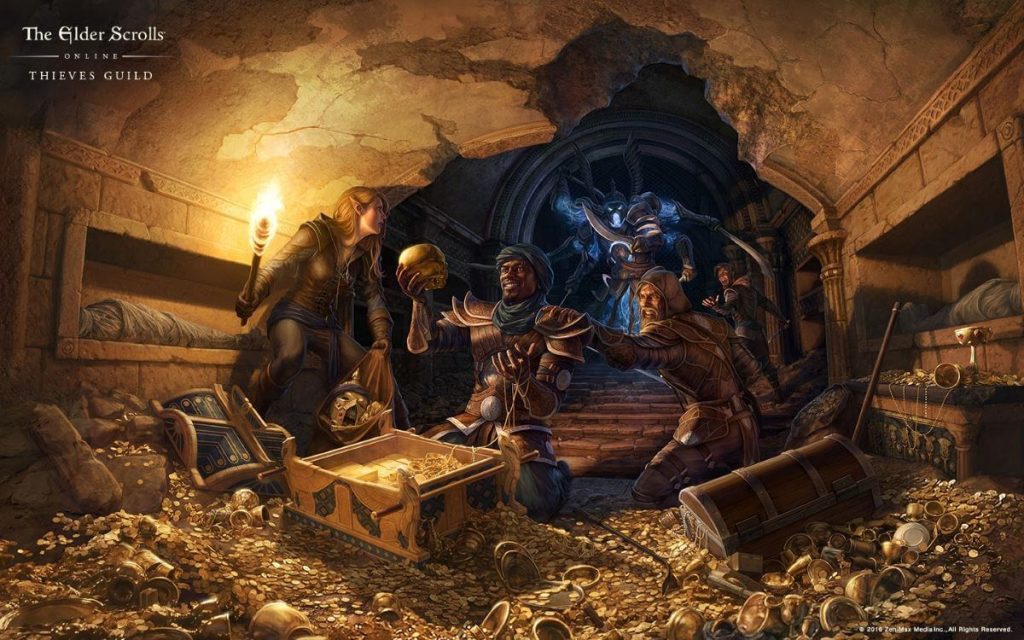
On Tuesday, the next chapter in the history of The Elder Scrolls Online, the Morrowind expansion, begins. We were able to test it already:
The Elder Scrolls Online Morrowind Test: More Story DLC than Expansion

Your opinion is important to us!
Do you like the article? Then let us know!