

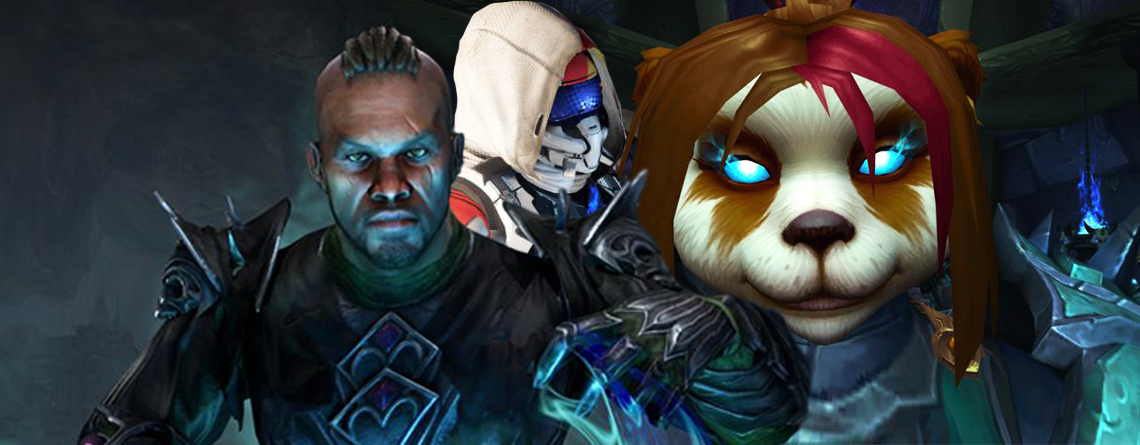
We look at how 3 of the largest games-as-a-service games in Germany deliver and finance their new content. WoW, ESO and Destiny 2 rely on different content models, but all are criticized.

Every “games-as-a-service” game has more or less its own model for how new content comes into play and how it is financed.
The exciting thing is: Actually, every community is dissatisfied with how this happens with their game. We look at 3 of the largest games in Germany and what the criticisms of the respective content model are.
WoW – Subscription is mandatory
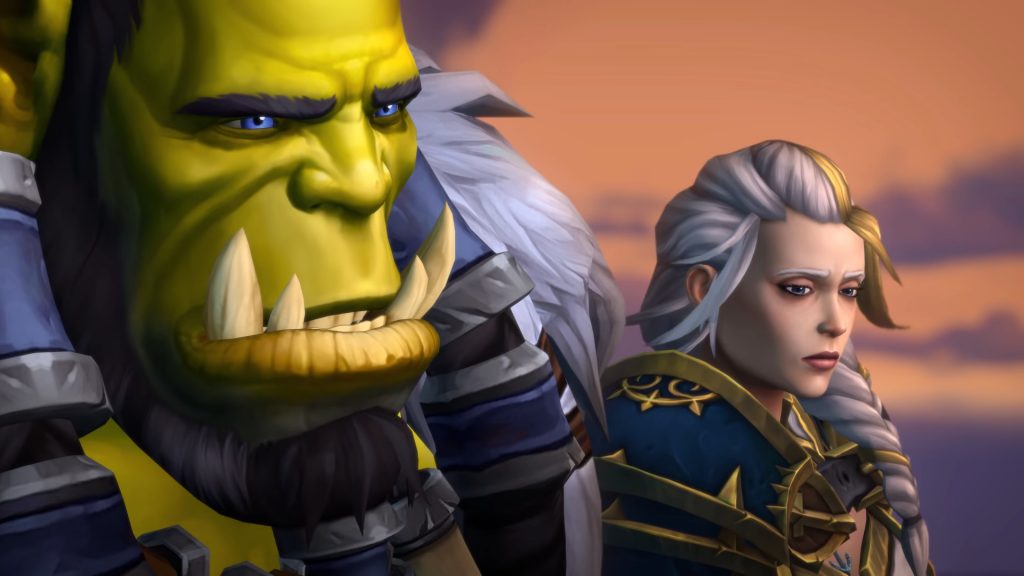
This is how WoW delivers content: In WoW, a major paid expansion comes out roughly every 2 years. In between, regular updates are released – but these taper off at the end of an expansion period, and there may be months where nothing happens.
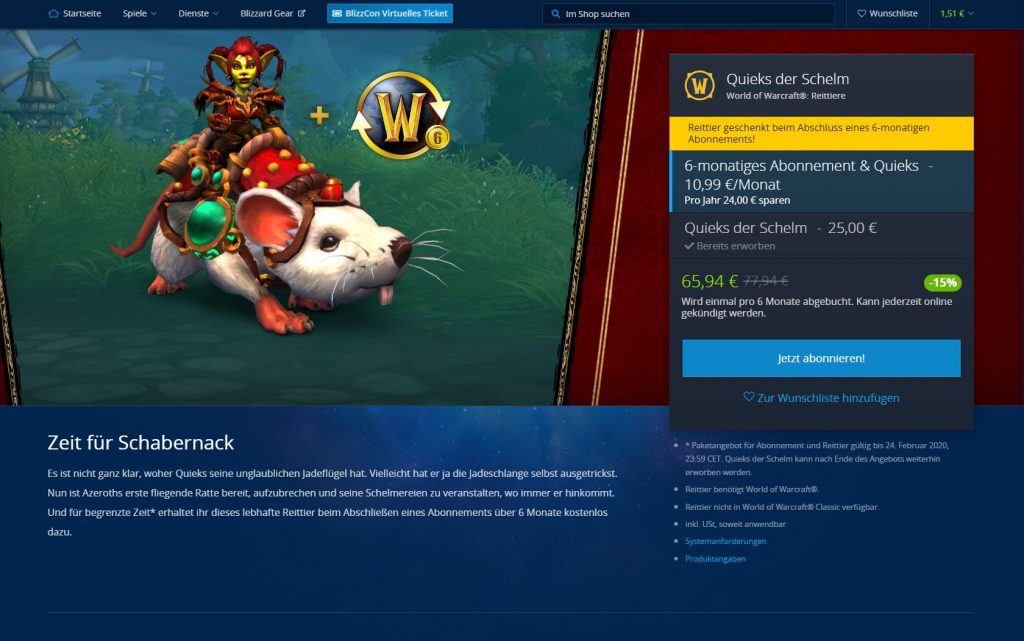
This is how WoW is financed: WoW is a subscription game. You have to pay monthly if you want to play. The current expansion is also paid. And there is a cash shop that sells cosmetic items.
This is the criticism here: There is regularly a content drought in the year before the new expansion appears. During this time, there is often little happening for months while Blizzard works on the new expansion.
In 2014, WoW went thirteen months without new content because the expansion Warlords of Draenor was delayed.
Expansions are regularly criticized: Sometimes an expansion is completely rejected, and players say “I will only continue with the next expansion.”
The last WoW expansions have been accused of artificially stretching content and trying to keep players engaged with too “much randomness”.
WoW is a cyclical game due to its content delivery; the longer an expansion is active, the fewer players WoW usually has.
However, it has been proven that with an expansion, many veterans come back and give WoW another chance. The excellent advertising campaigns and trailers from Blizzard surely play a role here.
There are few complaints that WoW is expensive – players have apparently gotten used to it. But criticism has recently arisen regarding the cash shop, regarding what items are added there and how Blizzard handles it overall, which does not sit well with some critical fans.
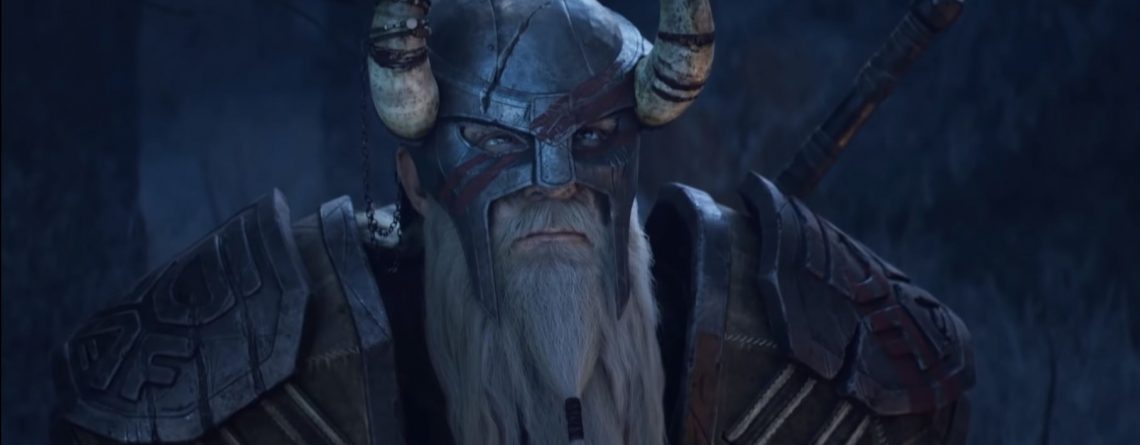
ESO – Optional Subscription, 4 DLCs per Year
This is how ESO delivers its content: ESO releases paid DLCs quarterly and free updates:
- The DLC brings new dungeons or a zone.
- The updates change the game,currently ESO is planning a major performance overhaul
In the 2nd quarter of a year, a chapter is released, which is a major expansion. Here, players can expect new features, new classes and continents.
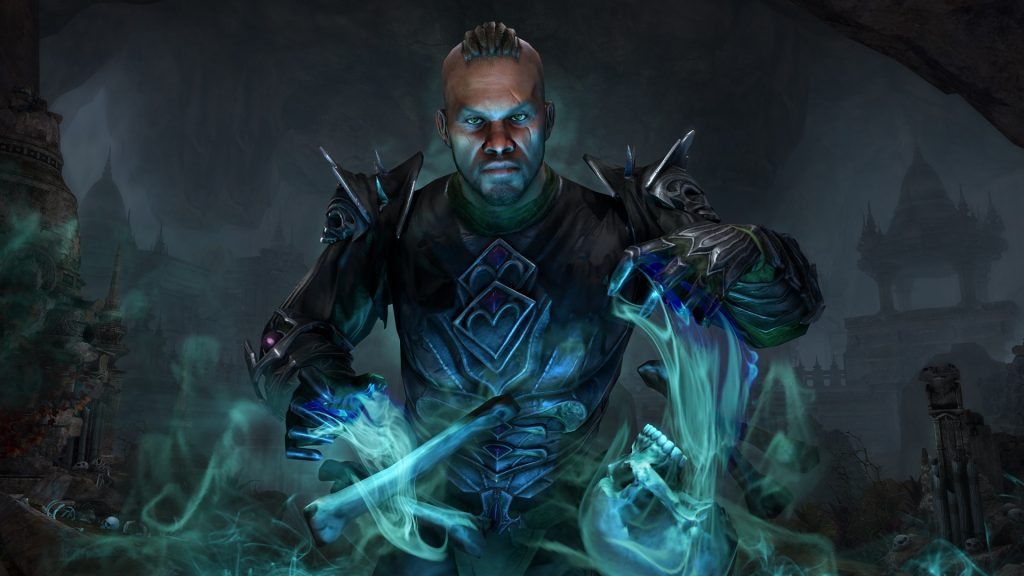
This is how ESO finances its content: ESO is a buy-to-play game; players can purchase the DLCs and expansions if they wish. Additionally, ESO offers an optional subscription that grants access to all DLCs and provides monthly premium currency crowns.
The “paid DLCs” can be bought for the premium currency crowns. In the 2nd quarter of a year, the expansion appears for about €40, which cannot be paid with crowns but must be purchased separately.
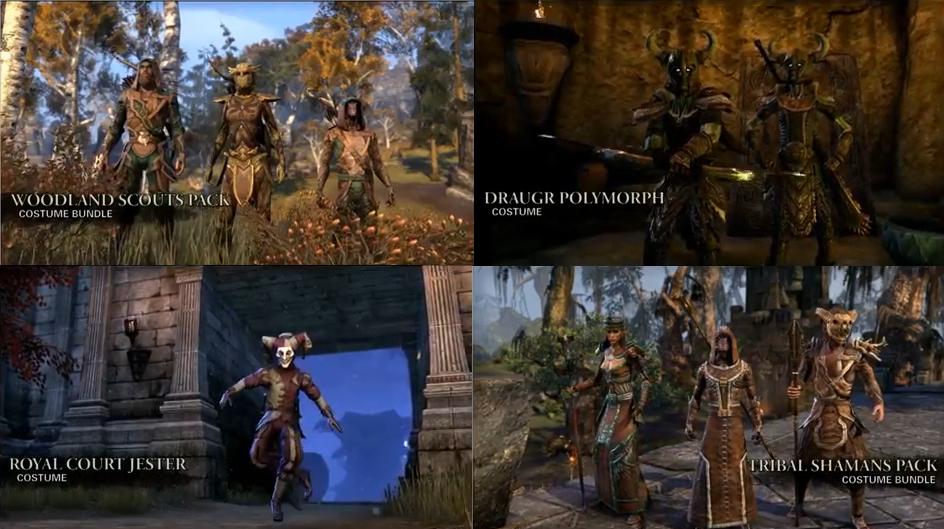
There is also a cash shop that offers cosmetic items for crowns. ESO also sells the crowns outright, without requiring a subscription.
This is the criticism of ESO: The criticism of ESO every year is that the “chapter” is too small and offers too little to justify the €40 investment. Certain players are always missing exactly the features they are waiting for. Or something else just doesn’t seem right in their eyes.
For example, it is criticized in the new chapter Greymoor:
- No new class is introduced
- No new “weapon types” are introduced
- The mood is too dark, and players are not interested
- The chapter simply offers too few contents
Some ESO subscribers feel that the chapter should be purchasable via crowns, just like the DLCs. Often it is said that it is “essentially just a DLC.”
In the cash shop, ESO players pay attention to ensure that nothing enters the game that offers any gameplay advantage.
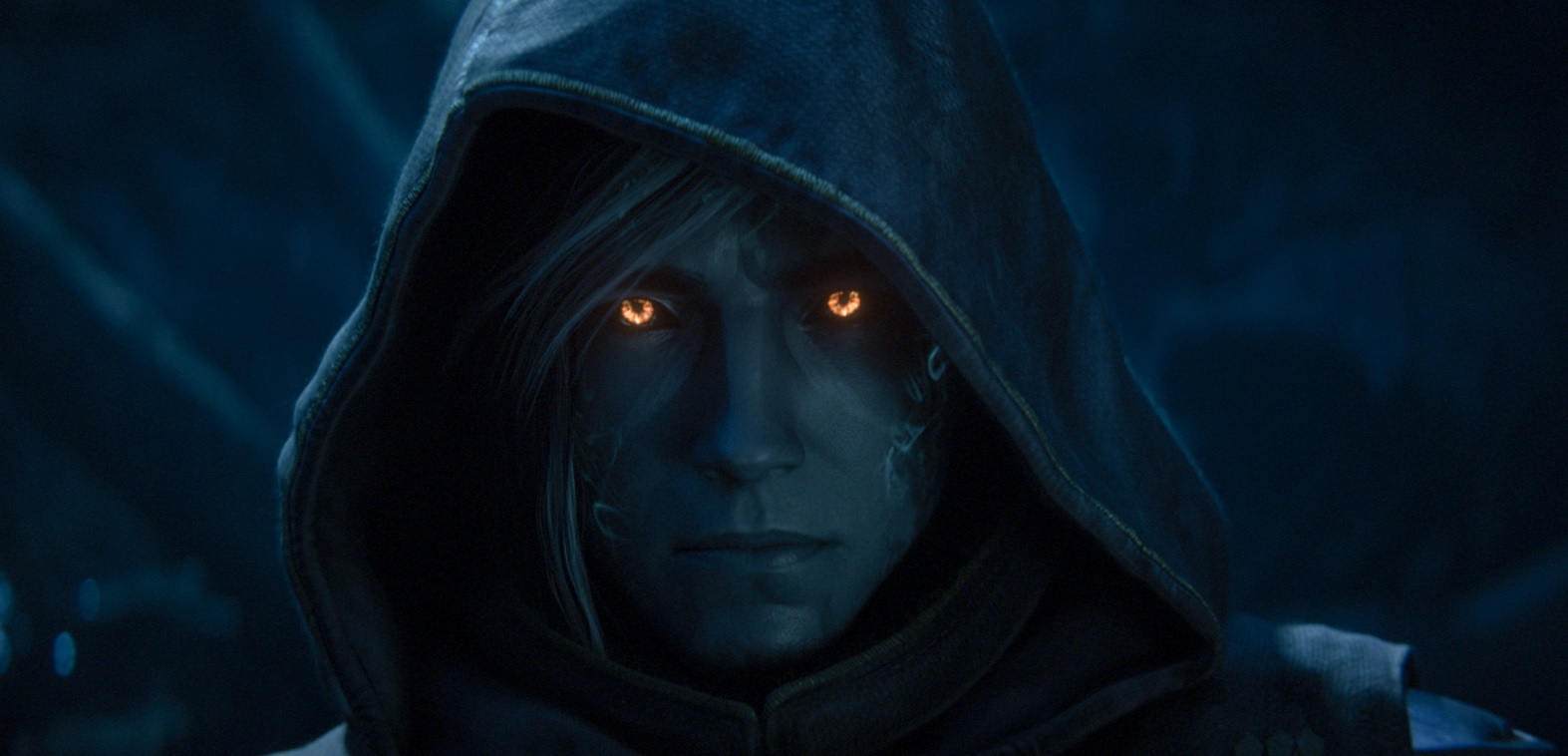
Destiny 2 – A new game every 3 years
This is how Destiny delivers its content: Destiny ran until 2017, then Destiny 2 was released, and everything players had achieved or purchased in Destiny 1 was gone. It is assumed that something similar could happen again when Destiny 3 is released. At least that is how it was once planned in Activision’s master plan. Bungie remains silent.
So far, a paid expansion has been released every year: 2 of them were large and well-received, 2 were significantly smaller.
Currently, seasons are also active, where new content is introduced in small doses over 3 months, following a theme. Additionally, there should be quarterly updates.
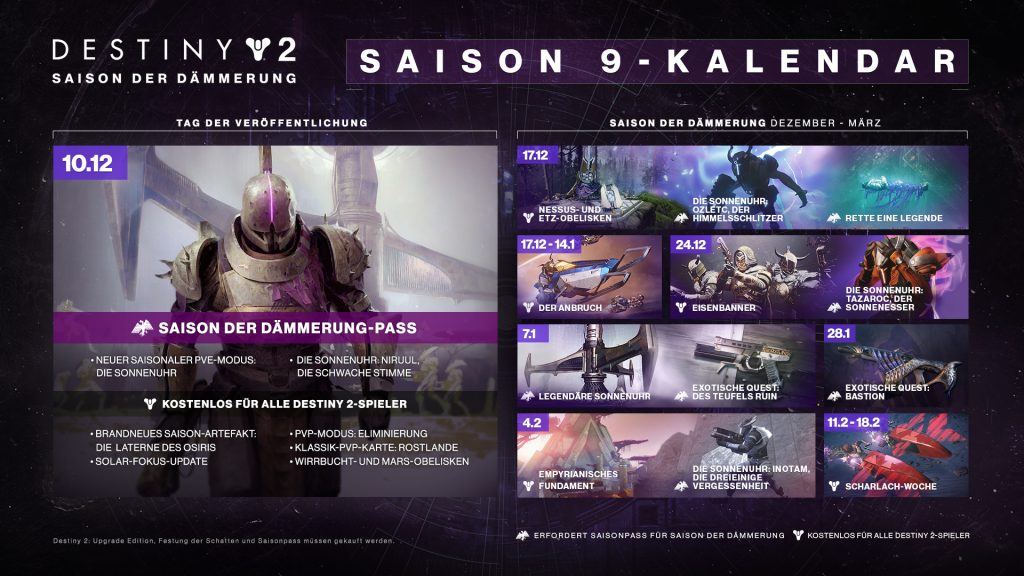
This is how Destiny 2 finances its content: The base game is now free-to-play. The expansions and seasons are paid. Additionally, there is a cash shop, the Eververse.
This is criticized: The switch to Destiny 2 and the removal of old content from the game was harshly criticized, especially since many contents returned in Destiny 2. Players complain that Destiny 2 makes few “big leaps” and that there have been too few innovations in recent years.
Players also generally criticize that “too much” energy flows into the cash shop and too little into the normal content of the game.
The content of the expansions is also criticized; it is suspected that only part of the resources flow into the currently running game and that Bungie is already working on Destiny 3.

The insatiable hunger for content from the fans
This is what it’s about: The content supply of ongoing games is the fundamental problem of “games-as-a-service” games.
The promise of “We are developing a universe over 10 years” is fantastic in itself.
In practice, however, it has a practical problem. Every studio actually needs several functioning teams:
- one team that works on the “next big thing”, a new game in the series or the next major expansion – the expectations here are particularly high
- additionally, several teams are needed to work on the “next small thing”, the quarterly DLCs or expansions
- studios actually need a live team to solve current problems or launch smaller events
Maintaining this balance is a challenge for every studio, whether for MMORPG veterans like Blizzard, who have been doing this since 2004, or for a relatively fresh MMO studio like Bungie, who have been working since 2014 to somehow establish the structure for a “games-as-a-service” game to satisfy the immense content hunger of players.


Your opinion is important to us!
Do you like the article? Then let us know!