

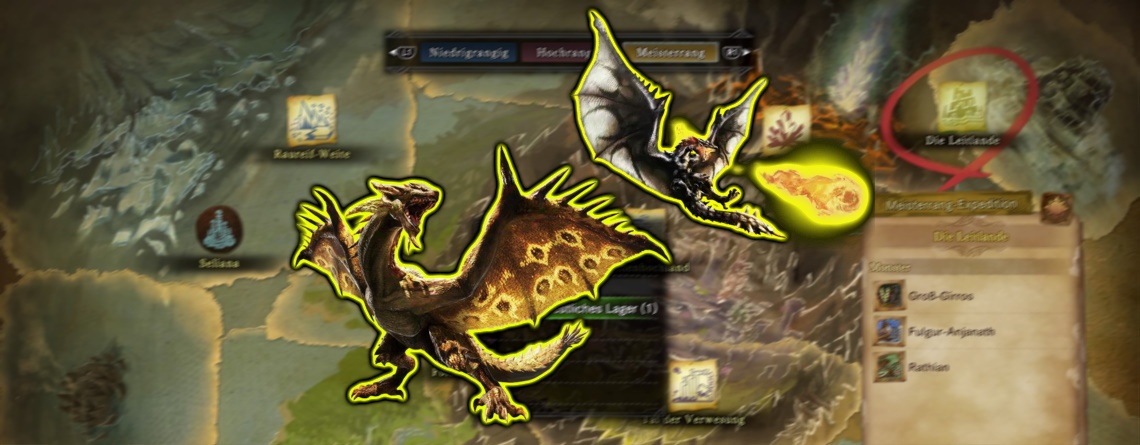
The first expansion of Monster Hunter World introduces a new endgame system. We explain how the so-called Guiding Lands work in Iceborne.

The release of Monster Hunter World: Iceborne was some time ago. Many players are now deep into the endgame of the first expansion. This mainly revolves around an area called “The Guiding Lands.” You’ll find out how this system works here.
Update December 6: New Tundra biome added.
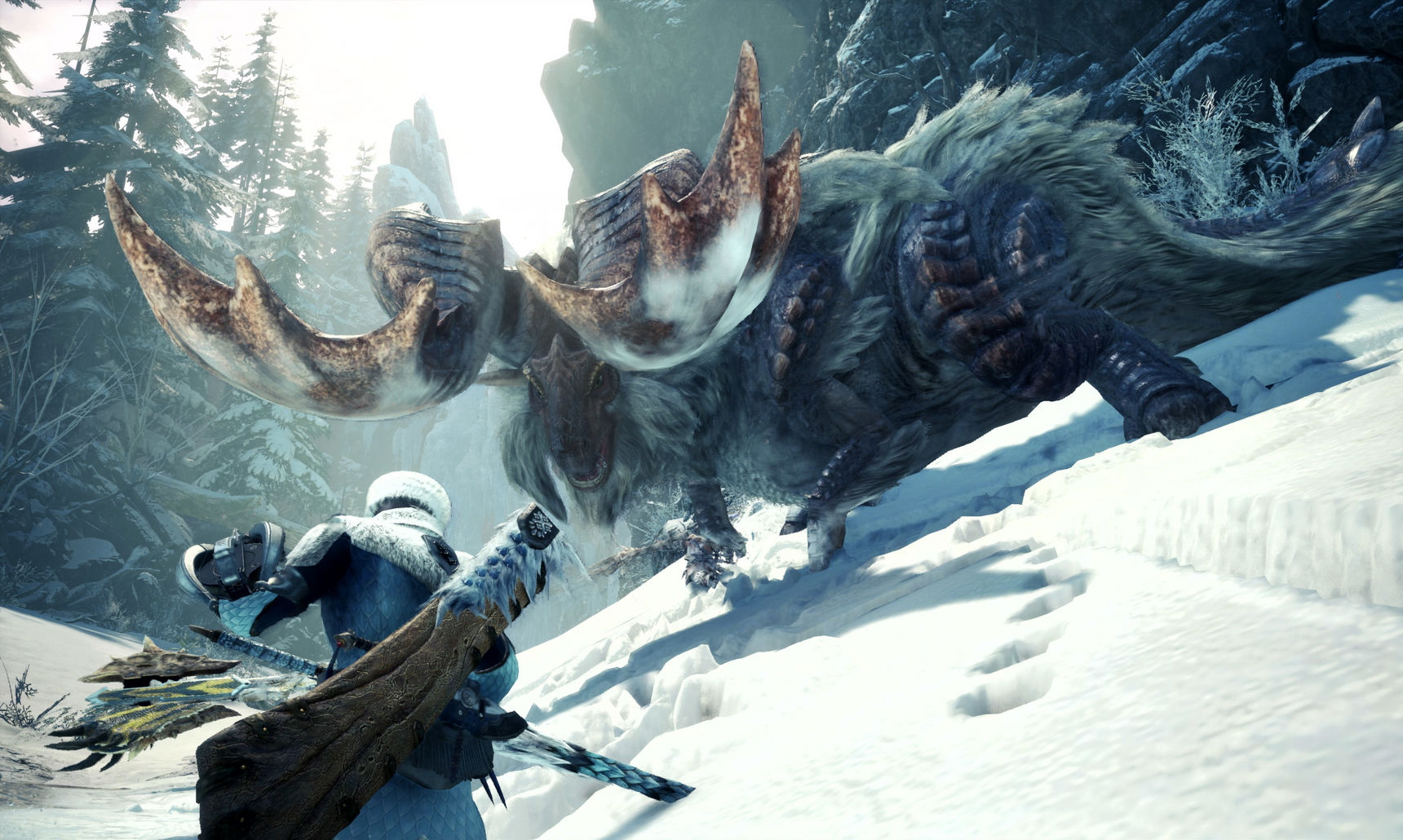
The last area in Iceborne
How do you get to the Guiding Lands? Once you have completed the story of the Monster Hunter World expansion, your adventure in the Guiding Lands begins. After the fight against Shara Ishvalda, you need to talk to the Commander and will be sent on an expedition – then you’re right in the middle of it.

If you want to return to the Guiding Lands later, you can easily do so through your quest board. Select the tab “The Guiding Lands” and start the expedition. You can also join other Guiding Lands quests or send out a distress signal.
Who should initiate the expedition? It is important that the player with the lowest level should start the expedition. The Guiding Lands also have level restrictions. You need to complete missions at levels 49, 69, and 99 to further level up the Guiding Lands. However, this will lock your expedition for hunters who have not yet completed those quests.
How are the Guiding Lands structured? The Guiding Lands consist of six areas known as biomes:
- Coral biome
- Wasteland biome
- Tundra biome
- Decay biome
- Forest biome
- Volcano biome
If you’ve been paying attention, you’ll notice that most of the names resemble those of well-known areas. This is also reflected in the environment. The Forest biome looks like the Ancient Forest, the Coral biome resembles the Coral Highlands. The Volcano biome is reminiscent of the Elders’ home and was introduced with the 1st DLC of Iceborne. With the second major title update, an area similar to the Hoarfrost Reach was introduced.
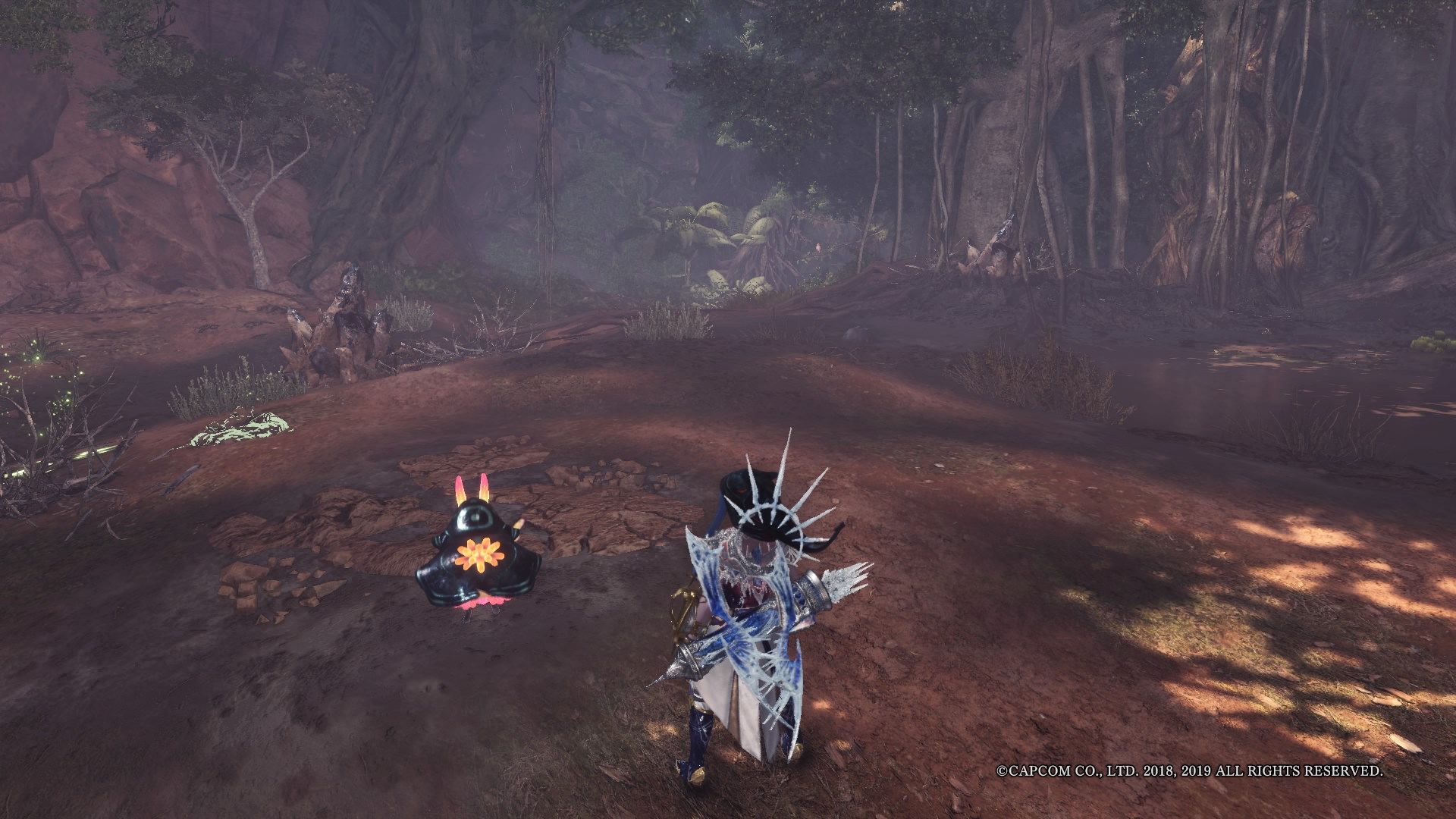
How do you level up the biomes? Your task in the endgame is to level up the biomes of the Guiding Lands. You can do this by collecting materials or tracks and hunting monsters.
However, it can happen that you lose a little level of one biome when you level up another. So it’s advisable not to increase all four at the same time. Ultimately, however, that is up to you. You can also read the levels of your biomes in your hunter notes. There, you can also see which monsters you might encounter.
These combinations of levels are possible: The higher your biome, the rarer monsters can appear. Therefore, it is advisable to keep a few biomes at level 6 or 7. You can have 3 areas at level 7, but the other two biomes will be level 1.

What loot awaits you in the Guiding Lands? Each area of the Guiding Lands has its own materials and monsters. The Guiding Lands are essentially a “6-in-1”. The monsters you encounter there are familiar, but they also bring new materials. Additionally, there are unique gathering spots where you can only obtain loot in the Guiding Lands.
Which monsters await you in the Guiding Lands? The higher your biome levels get, the stronger the monsters within them become. Each biome has different beasts to hunt. Most of them you already know from the base game or your Iceborne story.
When you reach level 4 in a biome, hardened monsters may also appear. At level 7, you will even encounter hardened Elder Dragons. You will need their materials to augment your gear.
How do I obtain the various monsters? At the beginning of your expedition in the Guiding Lands, you will see three monsters on the map. You can hunt them freely. If you are looking for a specific monster, you can call it. We will explain how that works now.
The Guiding Lands and the Pheromones
How can I lure monsters? You can also call specific monsters in the Guiding Lands. For this, you need to go to your Field Expert and select the “Lure Monsters” tab. There you will find the various monsters and the possible biomes.
You should call the monster into the biome that you also want to level. However, keep in mind that you only have a certain amount of monsters on hand. So always check the small number by the chest when calling.
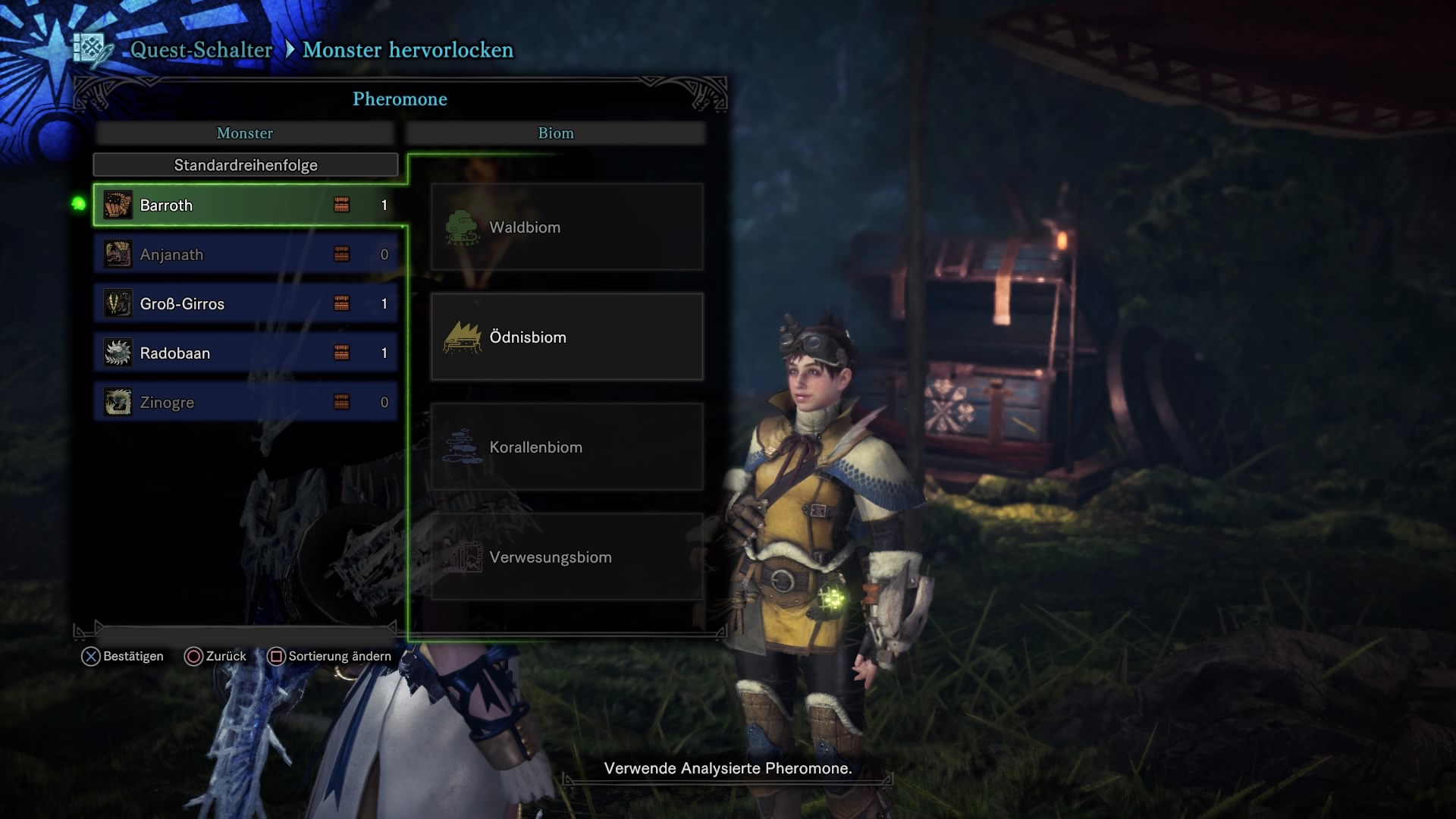
The Field Expert then attaches a pouch of pheromones to a bird, dung beetle, and so on. These will lure the desired monster out.
Calling hidden monsters: When your biomes are high enough, you can also discover completely different monsters. These 5 secret monsters require some groundwork and demand certain Master Ranks from you.
Reaching the goal through analysis
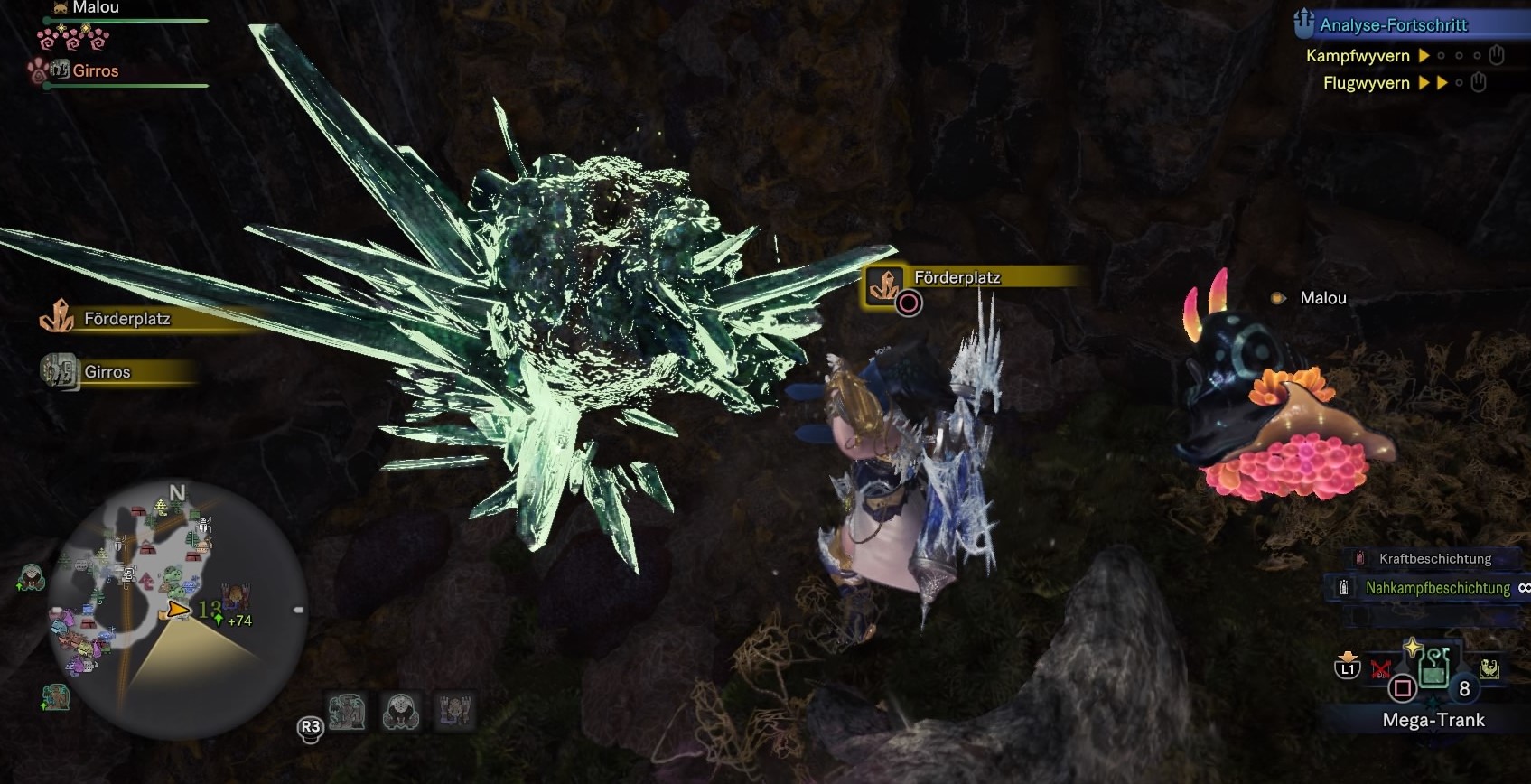
The most important thing is territory combat tracks. This monster calling can be unlocked through analyses. In your biomes, there are several spots where territory combat tracks can appear. If you collect these, you will see a new analysis progress displayed in the upper right corner. You should always make sure to have at least one analysis ongoing.
Which monster will I get? This analysis is assigned to a specific monster type that you can then call. So if you have an analysis for Fang Wyverns, Zinogre might be waiting as a reward.
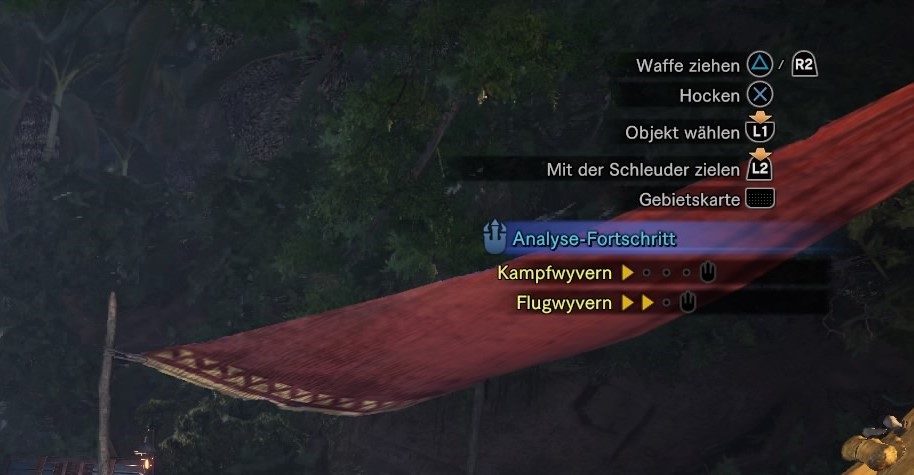
How do I complete analyses? Each analysis is divided into different stages. They are displayed as points and at the end a footprint. As your investigation progresses, more points transform into arrows until they are ultimately completed.
To achieve this progress, you need to hunt monsters or collect territory combat tracks. Additionally, you receive another arrow when you break parts of the beast. It doesn’t matter what type your monster belongs to. You can also collect Fang Wyvern progress for a battle wyvern. However, hunting monsters of the same type will advance you faster.
Here’s how to get more analyses or pheromones: Even carving monsters or monster parts like the tail will help you progress. You can loot pheromones directly from the monster or obtain analyses.
Everything you need to know about the monsters and their loot in Iceborne can be found here:


Your opinion is important to us!
Do you like the article? Then let us know!