

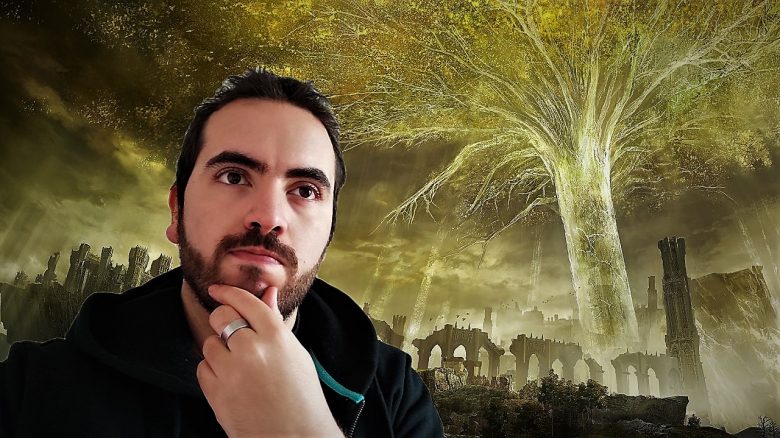
Elden Ring is developed by FromSoftware, the creators behind successful games like Dark Souls 1-3, Bloodborne, and Sekiro. Unlike these titles, the action RPG is, for the first time, based in a true open world. Can that work? MeinMMO author Tarek Zehrer tries to answer this question.

For several years, the gaming industry has been experiencing an “open-world boom.” Numerous games, especially from the AAA sector, with high production and development costs now feature an open game world.
More and more franchises are opting for ever-larger sandboxes with sometimes massive dimensions. Even the Halo franchise has now transitioned to an open world with Halo Infinite.
Now, developer FromSoftware is also following this path and offers a massive open world with the Lands Between in Elden Ring for the first time. How that is supposed to work and whether it will go well, I want to analyze here.
Open worlds often cause skepticism
Here’s why some view it critically: Titles like The Witcher 3, The Legend of Zelda: Breath of the Wild, or The Elder Scrolls 5 Skyrim are among the best games of the last 10 years and are often explicitly praised for their game worlds.
However, the open-world concept is also frequently viewed critically nowadays. This is especially evident with the notorious “Ubisoft formula.”
What does that mean? This term comes from large franchises by Ubisoft, like Assassin’s Creed or Far Cry. Especially the newer installments like Far Cry 6 or Assassin’s Creed Valhalla. Few other franchises stand for repetitive gameplay as much as these two.
They are characterized by oversized game worlds flooded with tasks that players usually engage in the same activities with minimal differences:
- X lookout towers that reveal parts of the map
- X outposts to conquer
- X collectibles, whether flags, feathers, posters, or other items.
Such games are often designed to keep the player busy, and their contents often feel like a means to artificially stretch playtime. The scales are also often criticized these days, as many find the size of some maps simply to be oversized.
The maps of Assassin’s Creed Odyssey and Valhalla have areas based on calculations of nearly 100 km² or even more. This, by the way, corresponds to over 14,000 football fields.
A video shows you the comparison of various maps by size:
Some players are nearly exhausted by now, and thus a warning light goes off for some as soon as a new open-world game is mentioned. The concern is also present with Elden Ring.
But is this concern justified? How has it been until now?
The level design of Soulsborne games
How was it before Elden Ring? The game worlds of FromSoftware games work all by similar principles:
- They are usually tight, nested, and full of secrets. You fight your way from area to area, continuously unlocking new shortcuts and paths.
- There are only a few places where you can venture without danger.
- Although the areas are connected, typically you explore region by region in a linear manner.
- They are more like connected hubs than truly open world environments.
Nonetheless, they are considered by many fans to be among the best game settings ever created. The narrow corridors, confusing paths, and numerous enemies lurking around every corner create a sense of threat.
In the end, the design is mostly believable and consistent, making the game world feel “realistic”.
By cleverly placing secret passages, treasures, traps, and other secrets, these worlds simultaneously encourage careful exploration until one eventually navigates the labyrinths with ease.
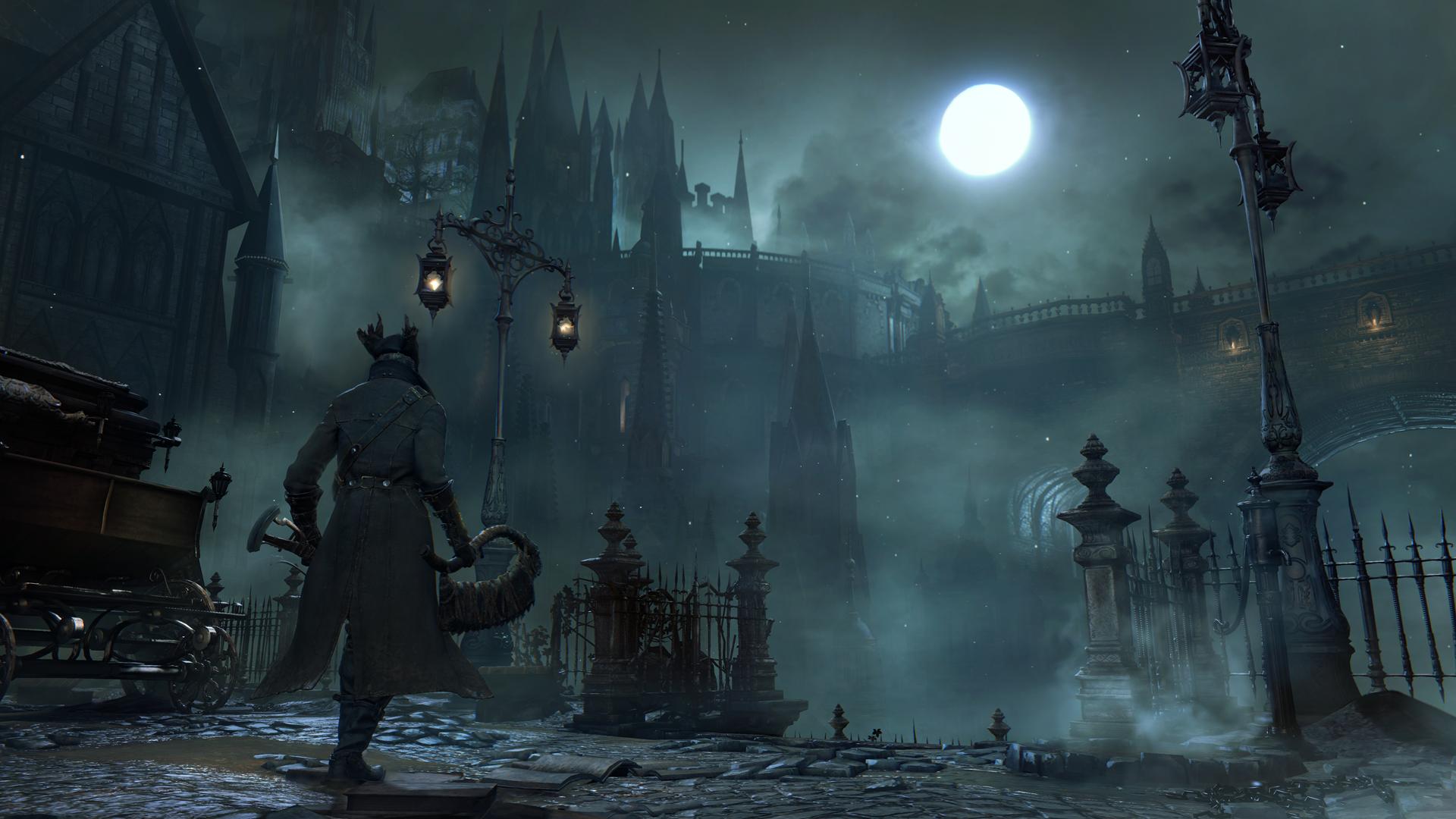
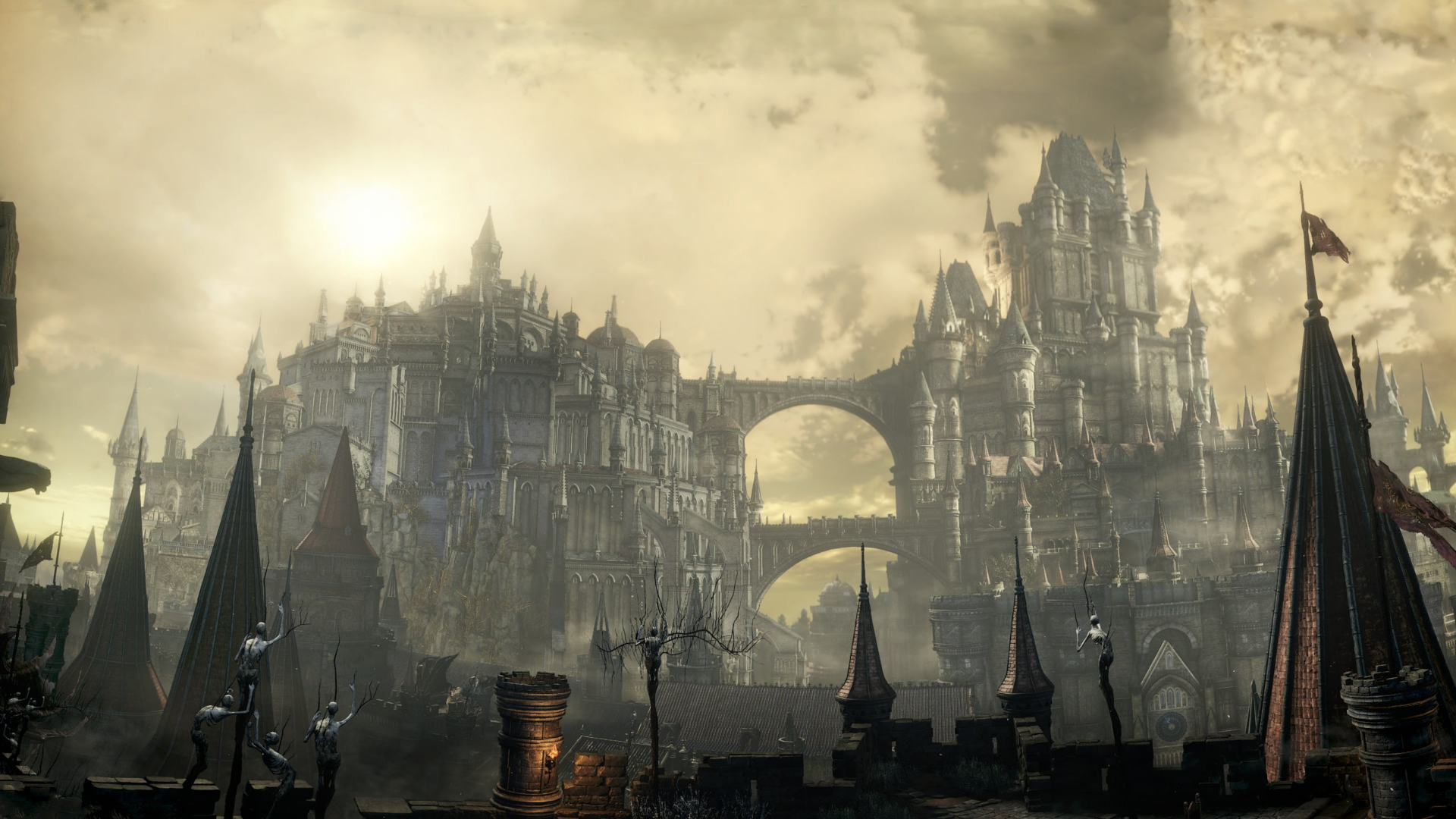
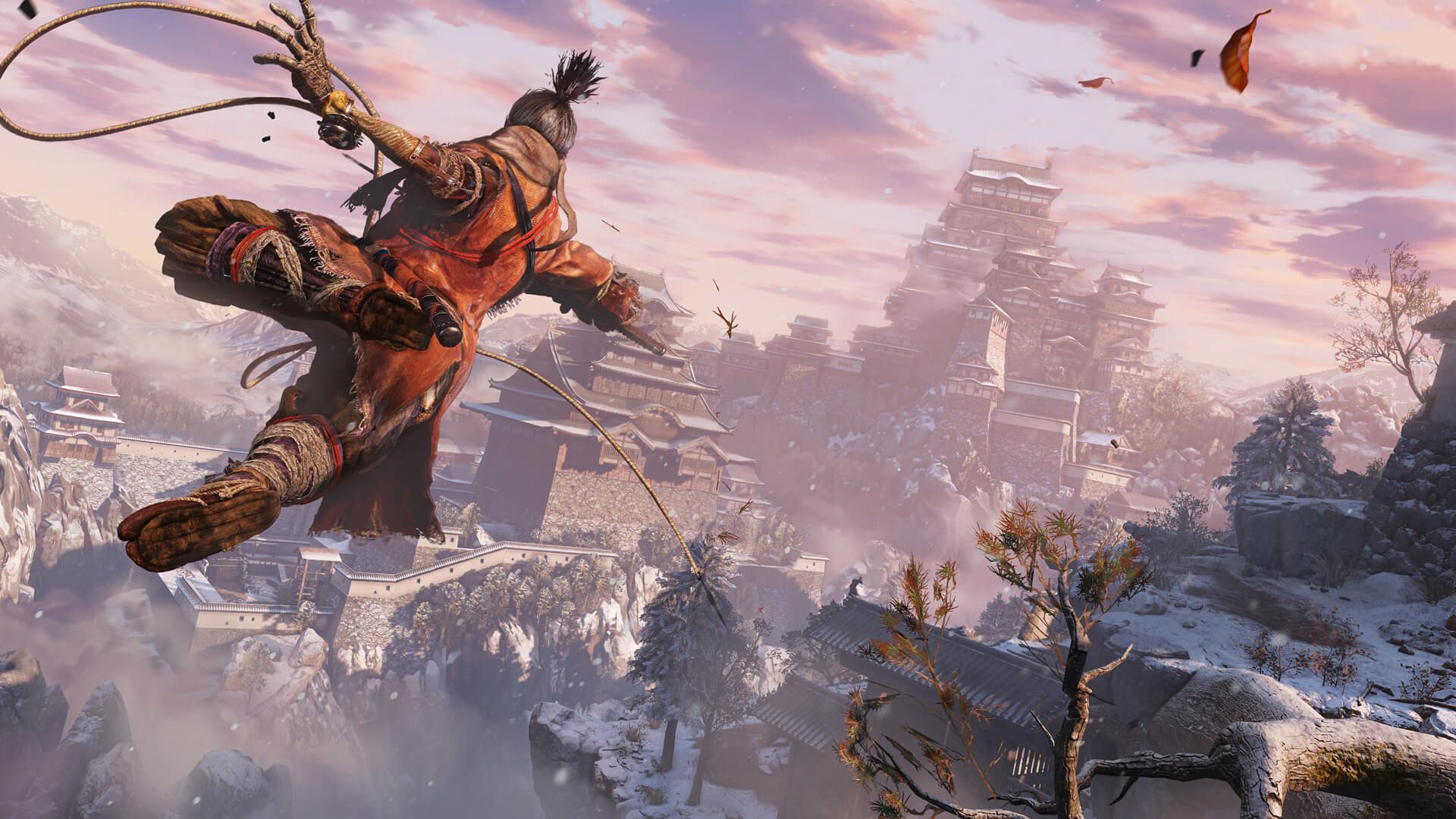
Whether it’s the dark Lordran from Dark Souls 1, Yharnam from Bloodborne, or the Japanese setting of Sekiro – they all have beautiful, gruesome, and twisted areas to explore. The story is primarily told through items and the environment.
The Lands Between of Elden Ring
This is how the game world of Elden Ring is structured: The world of Elden Ring is projected to be incredibly vast based on initial findings from the network test and calculations from fans.
- It is divided into a total of 6 different regions that are supposed to differ in their structure and appearance.
- There is a day and night cycle, dynamic weather, and events.
- The areas can be freely explored and tackled in any order.
- However, it is possible that some locations may not be accessible immediately.
- Thanks to a horse, players can move freely across the world.
This horse can be summoned at any time or disappears once you jump off its back. You can even fight from your horse’s back and leap over steep slopes in gigantic jumps.
We also know some weird creatures that we can encounter in the game world. Here you can check out some scenes from the gameplay in the first area called Limgrave:
How much Ubisoft formula is in Elden Ring?
With its game world, Elden Ring attempts to strike a balance: on one hand, it wants to retain the familiar and very successful gameplay formula from Dark Souls, Sekiro, and Bloodborne.
On the other hand, it seeks to explore new paths with the open world. The dangers of this are evident:
- Does the game world offer enough to discover?
- How diverse is its design?
- How varied are the side quests?
- Is moving through the world enjoyable?
- Do the contents feel stretched as a result?
Or, in short: Could Elden Ring “fail” in its new open world and turn into boring busywork?
This is how they want to avoid that: Thanks to reports and known gameplay scenes from the network test, we can partially answer this question.
Unlike games like Far Cry or Assassin’s Creed, the map does not overflow with countless icons or question marks marking “interesting places.” Instead, you can set your own markers and must explore the world to uncover its secrets and treasures.
Side quests are also not displayed through a journal or anything similar. You interact directly with NPCs and do not follow a fixed quest structure, as far as we know so far.
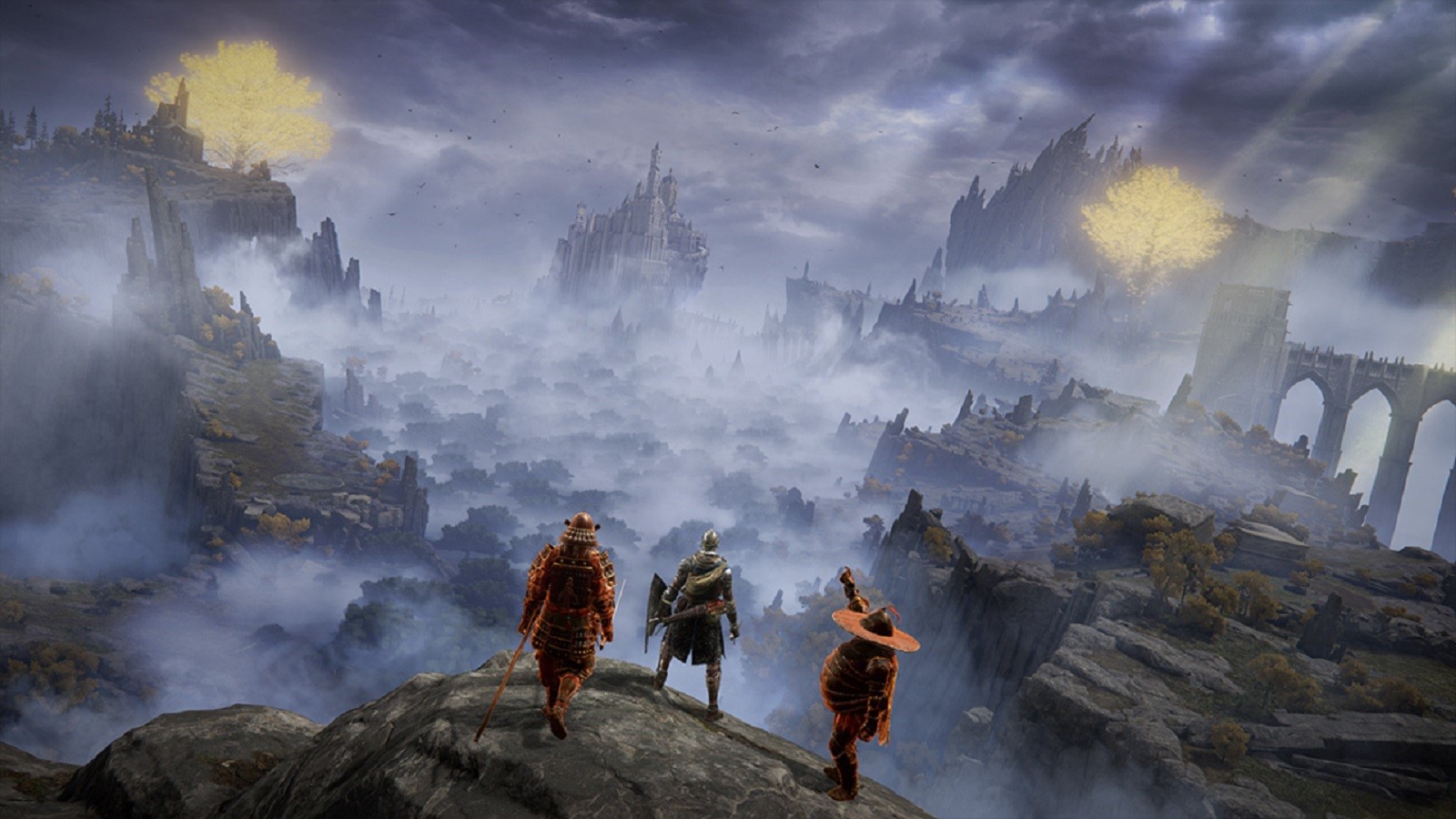
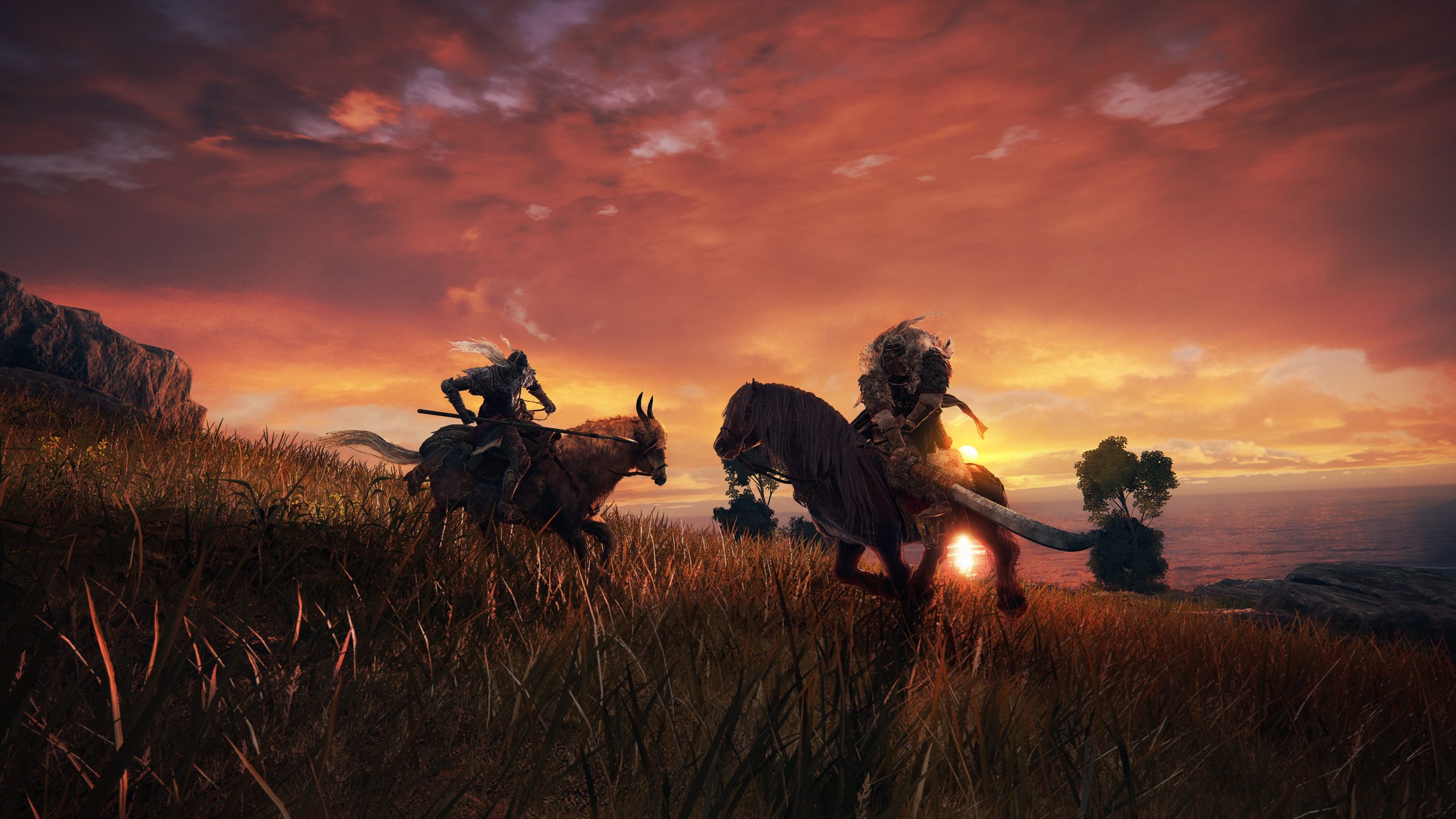
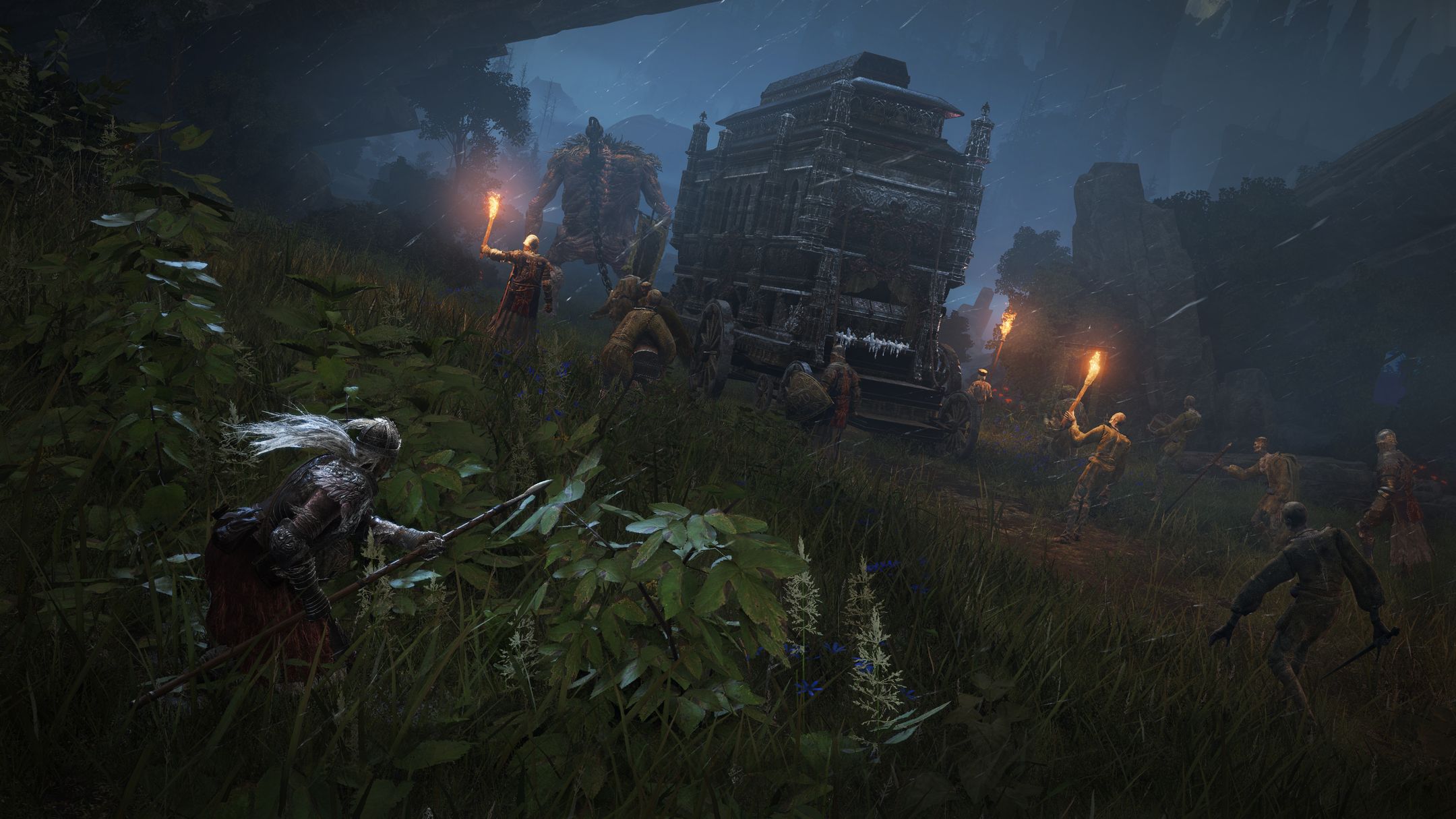
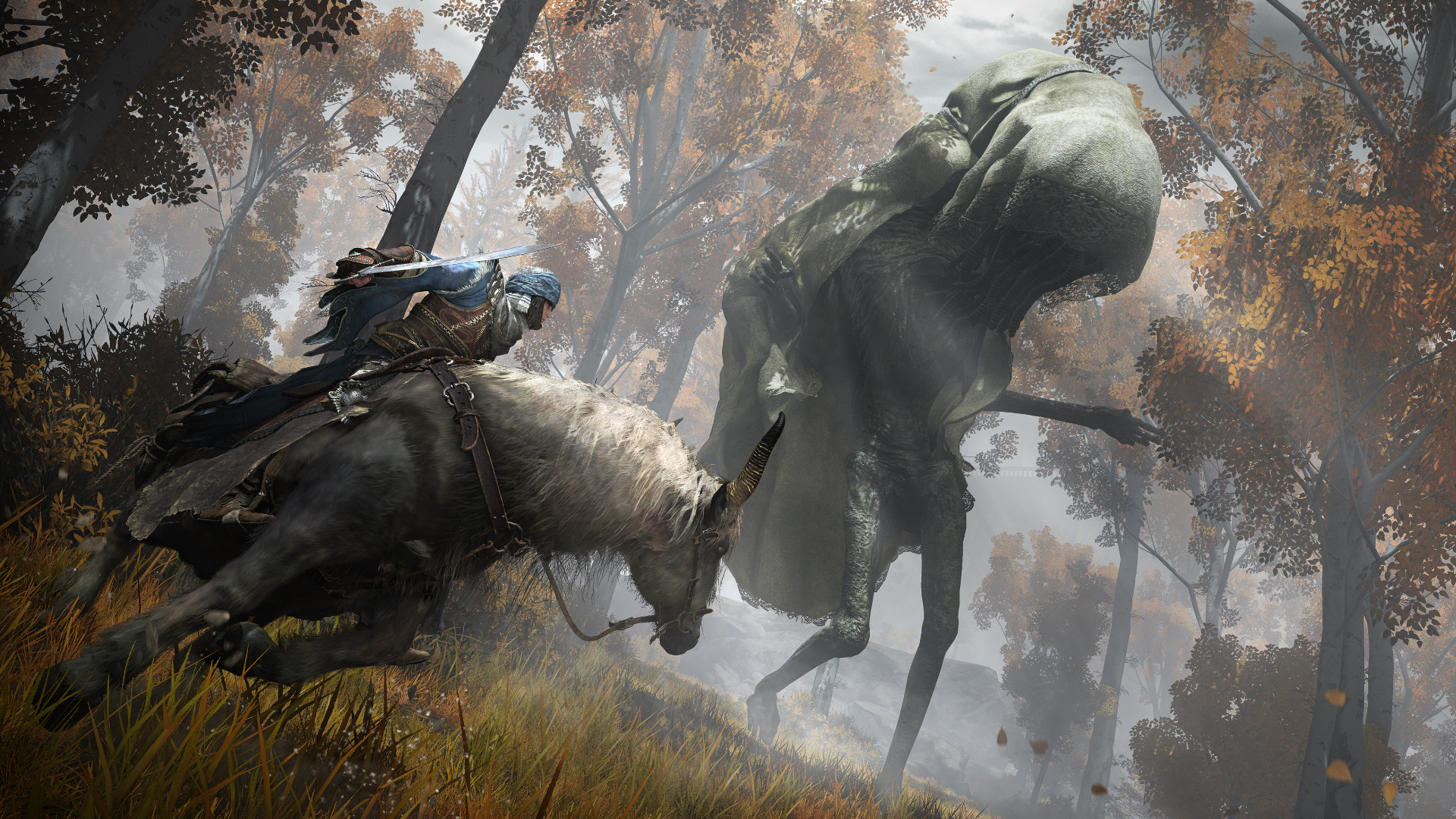
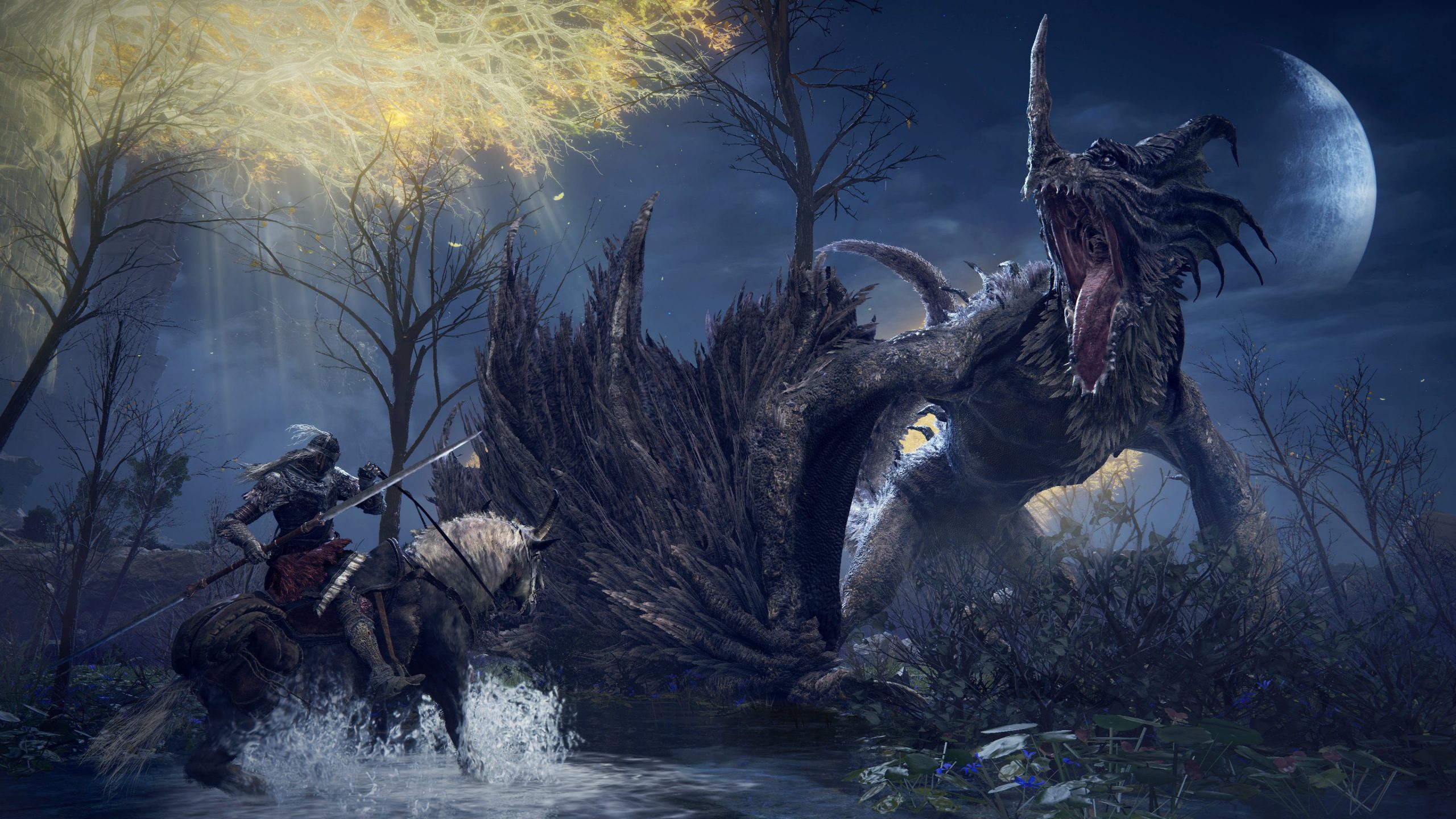

The inhabitants of the Lands Between act dynamically at times. They do not just stay at fixed points but also move throughout the game world. So it can happen that you are suddenly attacked by a dragon at random locations.
Currently, it seems that FromSoftware, despite the open world, will remain true to their previous virtues:
- The story is not told linearly.
- You mostly have to figure out for yourself what the world and its characters are about.
- Reading item descriptions and hints is important to gain additional information.
So they are again relying on a game world that gradually tells its story through level design, its NPCs, and items rather than overwhelming players with elaborate dialogues.
Elden Ring could thus avoid typical open-world pitfalls. Especially through dynamic events and random encounters, like with the dragon, they aim to create variety and make the world feel alive.
Additionally, it’s not that the level design from the earlier games is completely a thing of the past. On the contrary, a significant part of Elden Ring relies precisely on that.
Legacy Dungeons remind of the best in Dark Souls & Bloodborne
What does the Lands Between offer aside from the open world? This is where the dungeons of Elden Ring come into play. There will likely be two different types:
- Smaller dungeons distributed throughout the game world that can be freely explored.
- Legacy dungeons are the large, significant dungeons of Elden Ring. These are part of the main story and are simultaneously important locations in the Lands Between.
These are legacy dungeons: The first known legacy dungeon in Elden Ring resembles the castle Lothric from Dark Souls 3. These dungeons can indeed be compared in their structure and designs with several areas from previous FromSoftware games.
They are tight, nested, full of secrets and dangers, and in the end, a boss awaits you.
Thanks to the new freedom of movement enabled by new gameplay mechanics like manual jumping, it can also be expected that there will be further opportunities for exploration. This will likely affect the placement of items and hidden objects.
Conclusion: I count myself among those who love FromSoftware’s games for their excellent level design. Few worlds have captivated me, despite their dangers, and motivated me to explore every corner, like those of Dark Souls, Bloodborne, and Sekiro.
Accordingly, I am one of those who were rather skeptical about the announcement of a completely open world. However, based on all the information we have so far about the game world and the first area of Elden Ring, I am cautiously optimistic.
For if FromSoftware can genuinely translate their skills in level design into an open-world model, a game world that is genuinely exciting and encourages players to discover its secrets might await us. Additionally, we won’t have to forgo the well-known level design, which simply shifts to the dungeons.
Of course, it is not possible to provide a final answer a month before the release, and there are several pitfalls in which the game might stumble. Who knows if the rest of the game world can maintain that quality?
Currently, it seems to me that Elden Ring follows only a few of the now “worn-out” open-world trends. Much more seems to maintain their own line and create their own version of an open world.
Additionally, there is also the multiplayer with co-op and PvP, which should also provide variety. So I am optimistic and looking forward to the Lands Between.

Tarek Zehrer
Freelance author at MeinMMO
When will Elden Ring be released? The action RPG is set to release on February 25 for Steam, PS5, PS4, Xbox Series X|S, and Xbox One.
What do you think about this topic? Are you concerned about the open world? Or are you already excited to explore the Lands Between?
If you want to read more about the game – we have looked into how much looting and leveling actually exists in Elden Ring

Your opinion is important to us!
Do you like the article? Then let us know!