

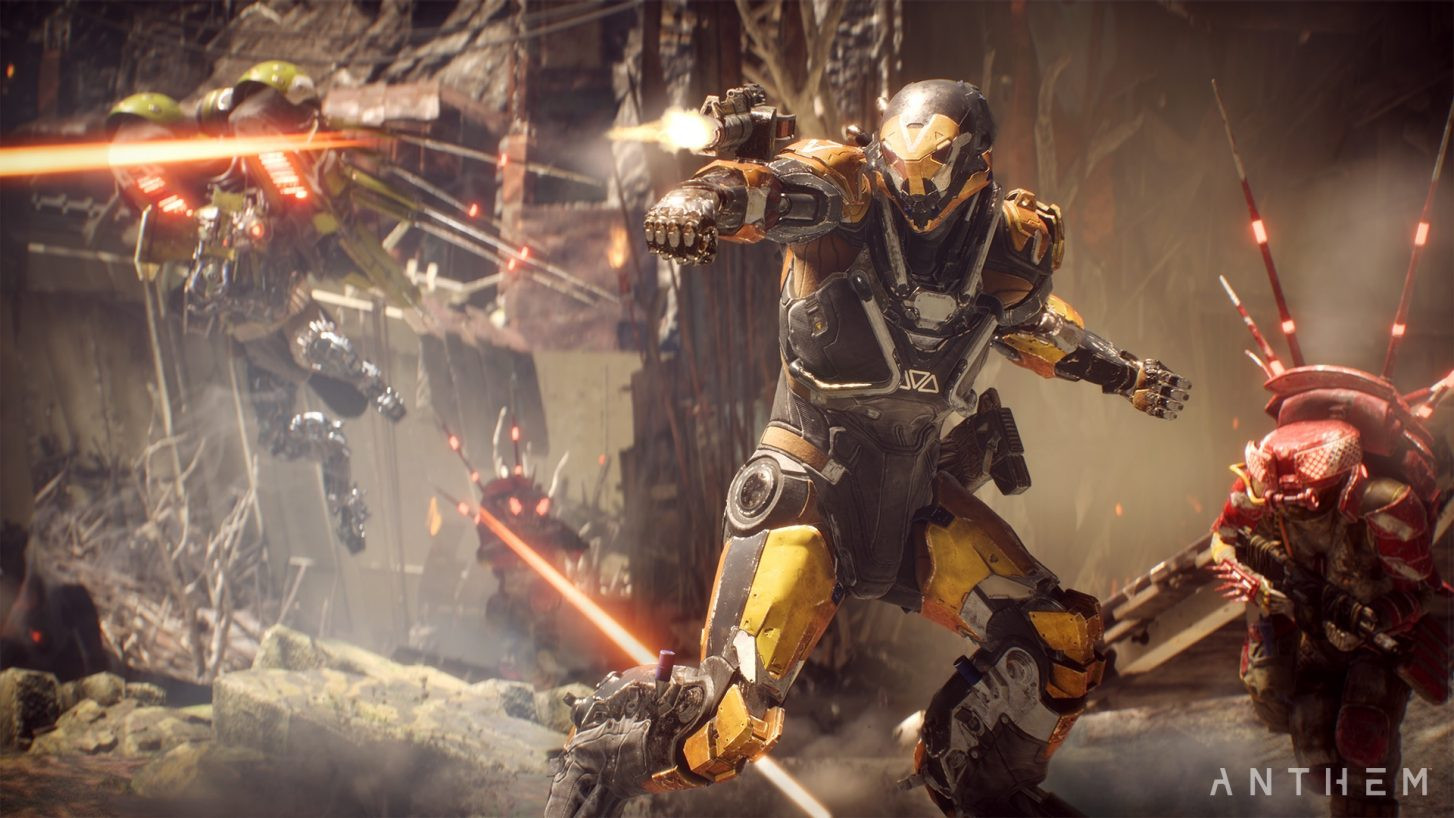
In the latest financial report, Electronic Arts expresses disappointment with the launch of the online RPG Anthem, but apparently understands the problems. The analysis of the difficulties sounds convincing, but raises many questions about the future of EA and Anthem.

This is what EA says: In the report on the business figures from the last quarter, EA CEO Andrew Wilson states:
“The launch of Anthem in Q4 did not meet our expectations. Nevertheless, we believe in the team at BioWare and we believe in what they want to achieve with the game: they are building a new brand and want to reach a new audience.”
Players have spent 150 million hours in Anthem
EA views Anthem positively and negatively: Wilson then creates an “On the one hand, on the other hand.” He says:
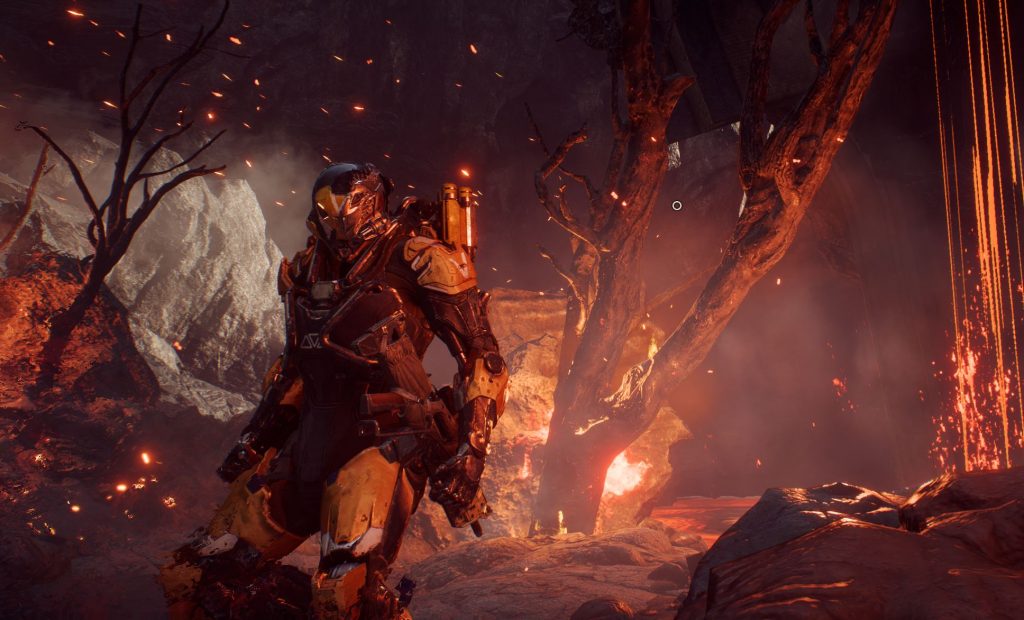
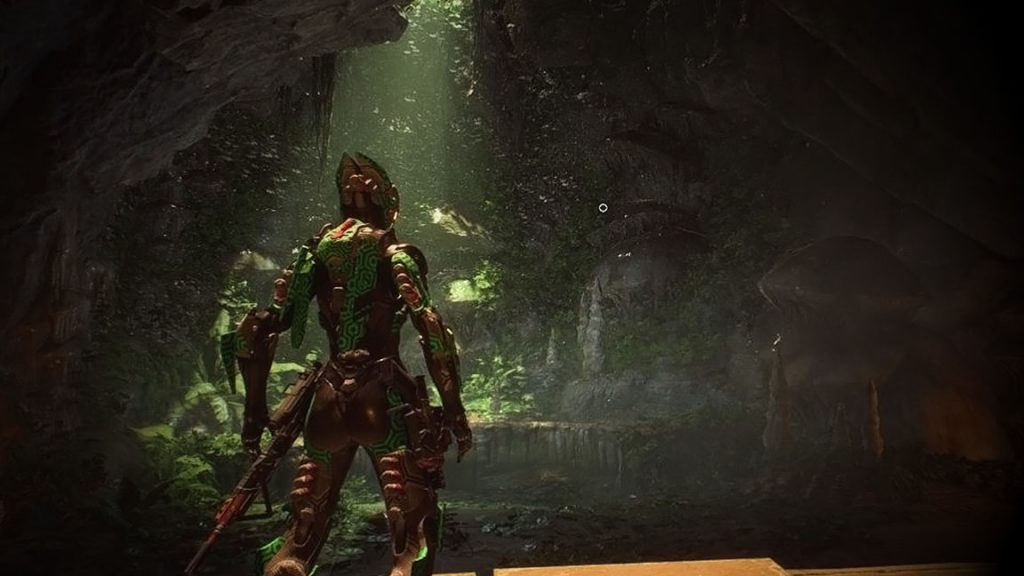
- “Players have spent over 150 million hours with Anthem since the launch. And we hear how they talk about the beauty and vastness of the world. That they enjoy exploring the world with their Javelin and that Anthem offers great gameplay.”
- “But we have also heard that issues arose as the game increased and that they want more depth and variety in the missions of the game. The team is very focused on continuing to improve Anthem and will bring more content updates and in-game events that enhance and expand Anthem.”
What’s exciting: Wilson was then directly asked whether technical issues were a hindrance for EA.
But Wilson explained that the nature of games has changed, and that everyone in the industry is facing these issues. Games are now deeper and broader:
- Previously, a BioWare game offered somewhere between 40 and 80 hours of offline content
- Today, the game offers this between 40 and 80 hours, but then adds another 100, 200, or 300 hours of “endgame” content on top, along with post-release content
This apparently makes it necessary for something significant to change, and EA is in this transformation.

This is how EA wants to govern now: EA states that a new system is needed to develop such games.
It is said that the development process and quality control will be dramatically changed. But the changes must go even further.
EA apparently wants to work more closely with players and involve them deeper in the development. They no longer want to “present,” but seek to engage in conversation with the players.
It’s important that
- the game is finished
- the infrastructure is stable and not crumbling under the weight of the game
- and that players know exactly why they are playing, right at the launch and after some time
Wilson emphasizes that the company is committed to Anthem and wants to support the game in the long run.
Important questions remain after the analysis
This is what’s behind it: It is certainly also a response that pays attention to the investor’s sentiment. But Wilson’s analysis is accurate. Anthem is a game with a strong core and systemic problems.
In a game like Anthem, it’s not just important that the gameplay works and the world is beautiful; especially the reward systems like loot must function in the endgame. Otherwise, players find no reason to log in anymore – the big problem of Anthem.

Many of these problems can only be discovered and fixed if the game is tested openly early on. A “demo” a few weeks before launch doesn’t help. Otherwise, you end up with the “game matures post-release” problems that so many other games have faced in recent years. But it’s now too late for these insights for Anthem.
After Wilson’s analysis, some questions remain:
- Can EA really learn the right lessons from Anthem’s problems?
- How long will it take for these “major changes in the organization” to really take effect?
- Can these lessons still be used to get Anthem back on track?
- Is the test server of Anthem a step in the right direction and what further steps should follow?
- Does EA really believe in a future for Anthem and is ready to invest time and money in it, rather than just letting a skeleton crew work on it?
For it would be important for EA to really give BioWare the trust and time to make Anthem a better game, just as other developers have succeeded with their games.


Your opinion is important to us!
Do you like the article? Then let us know!