The heyday of MMORPGs seems to be over. At least in the AAA sector. Should the genre return to its roots in order to reconnect with its past successes?
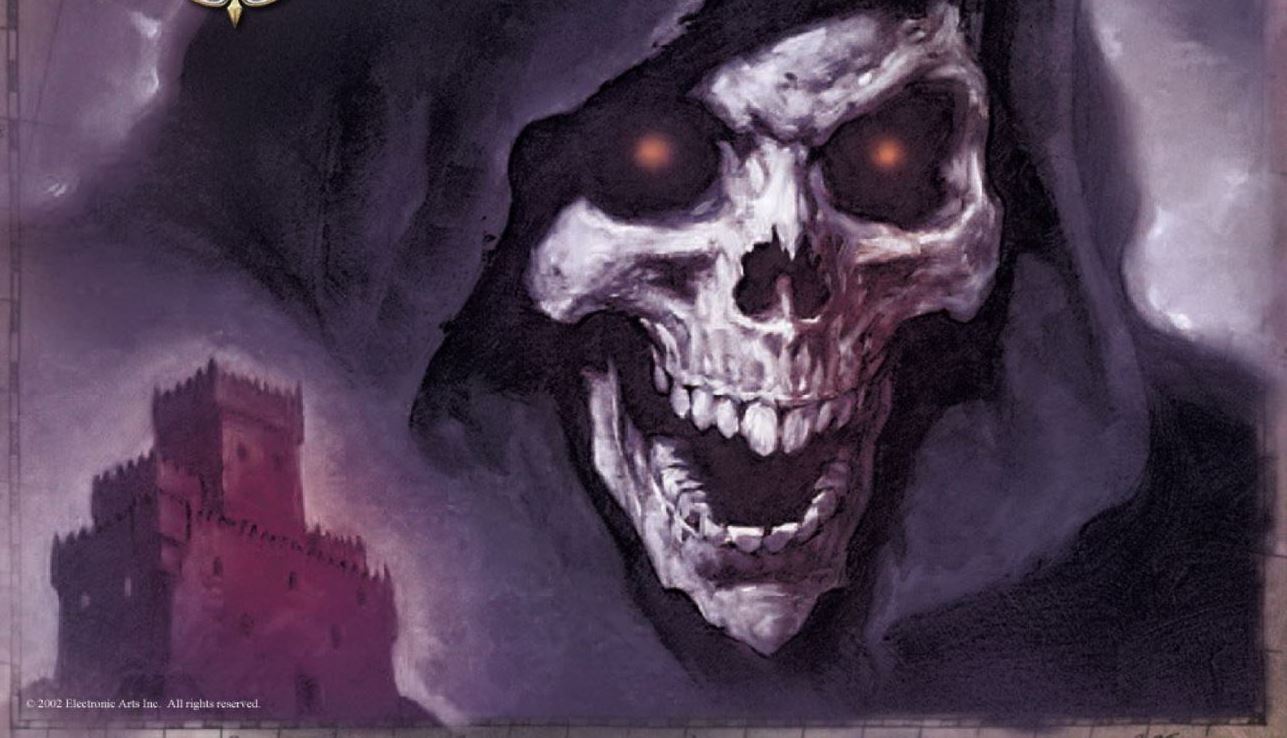
The first online role-playing games from the 1990s are hardly comparable to what we understand today under the term MMORPG. Neverwinter Nights from 1991, for example, only allowed for a handful of players. Meridian 59 increased this to about 250 players in 1996 who could experience adventures together. It was really just about exploring the world, defeating monsters, improving heroes, and acquiring better equipment. PvP battles were already present.
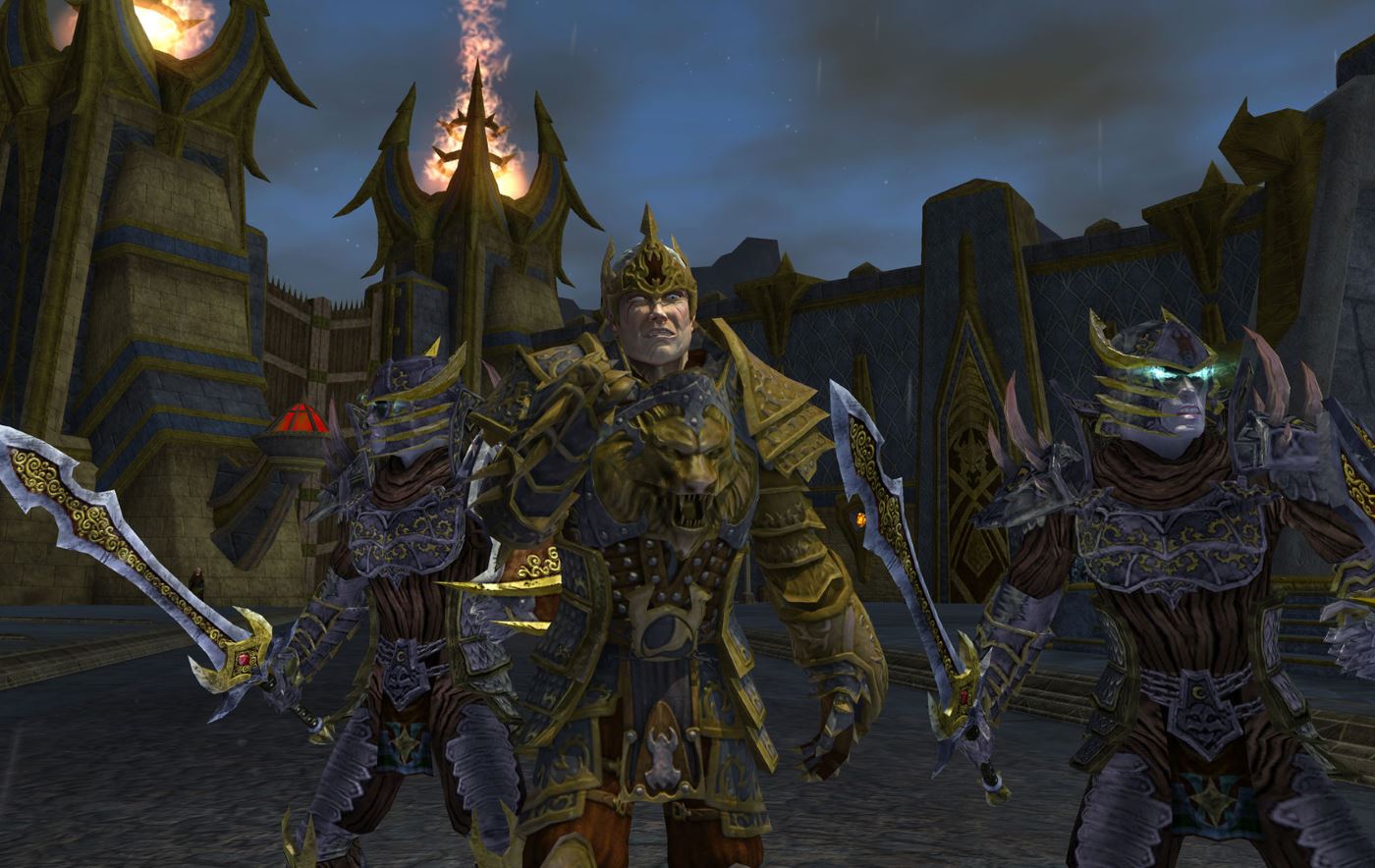
Ultima Online offered a sandbox world for the first time in 1997, where significantly more was possible. Interaction with the world allowed players to learn various professions such as blacksmith or baker, which led to an economic system within the game world. In 1999, the genre changed slightly with EverQuest, as quests began to play a more important role. This was taken to the extreme in 2004 with World of Warcraft. WoW succeeded in compressing and combining the most successful elements of previous genre representatives, opening the genre to new target groups. Many subsequent MMOs attempted to build on WoW’s success, but none succeeded.
Are MMORPGs still MMORPGs?
A change in thinking followed. If the success of World of Warcraft could not be repeated, then new ideas were needed. Ideas that changed the genre. Guild Wars, for example, tried to focus more on PvP, while other MMO developers believed they had to go even further in a casual direction to be successful. Ultimately, all of this led to MMORPGs losing relevance.
Interesting: The Western MMORPG is dead and you are to blame
At the last game fairs, there was virtually nothing to see from the genre. When speaking with MMO fans who have been around for a long time, you always hear that the genre should return to its roots. MMORPGs need to become MMORPGs again and not casual games that can be played alone. Teamplay must come to the forefront again. Anyone visiting a dungeon should not be able to rush through alone but only succeed in a group.
Success cannot be predicted
Would this return to the old virtues really work and bring about a second spring in the genre?
Looking at the development of computer games, it is extremely difficult to predict what will be successful “next”. The attempt to copy WoW did not produce the desired success. And few would have expected the successes of games like FarmVille or Candy Crush Saga. Also, MOBA games were more or less a surprise.
It was said that games needed to be “smaller,” the scope was too high. However, a game like The Elder Scrolls V: Skyrim or The Witcher 3 shows the opposite. Therefore, it is not possible to say with certainty that MMORPGs can reconnect with their past successes if new games return to how the genre was in its early days.
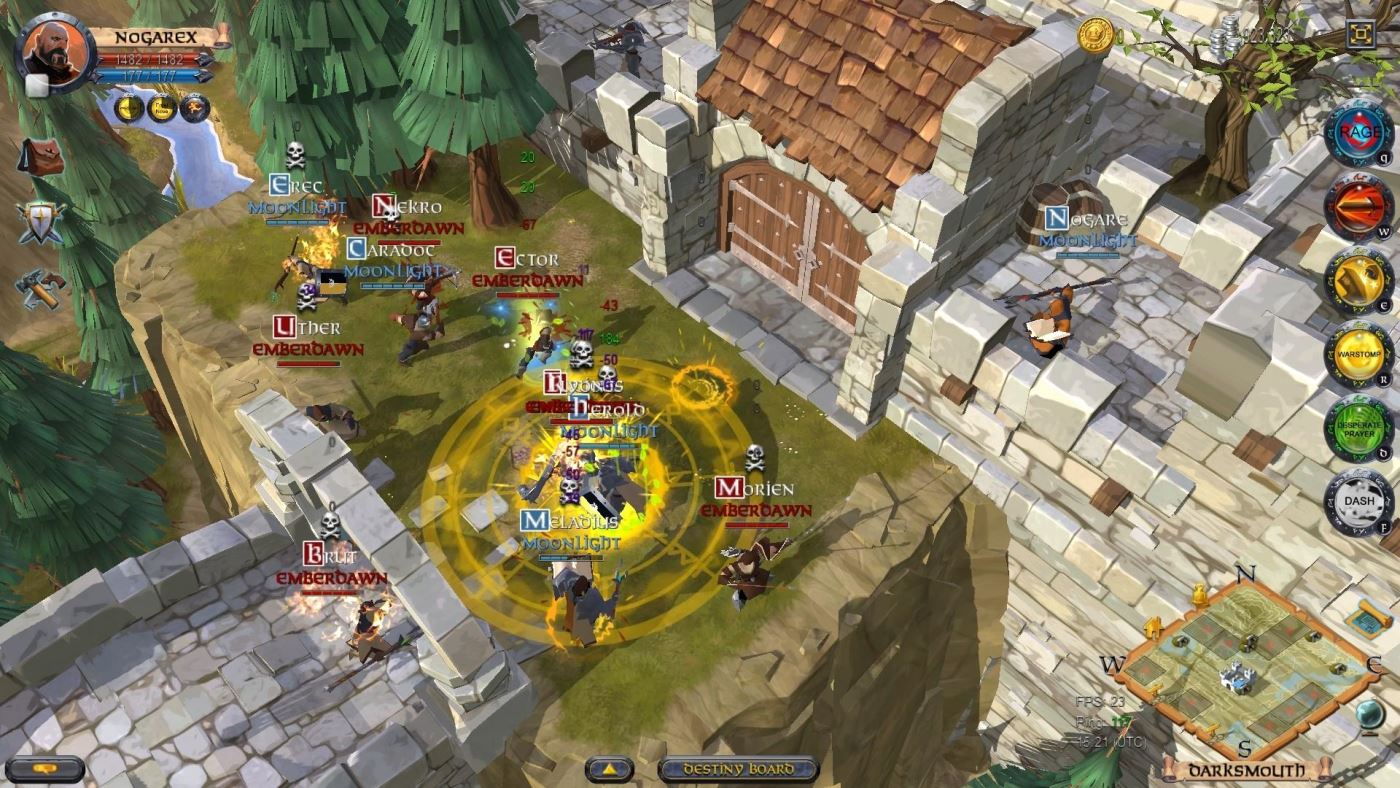
The preferences of players are changing, and it is difficult to predict what will be liked and what won’t. Would it be worth a try? Sure, if a game studio wants to take the risk, why not? But one can never guarantee success.
Currently, some games are in development – whether Camelot Unchained, Albion Online, or Shroud of the Avatar – where developers are actively promoting popular features from the past. However, it is still unclear whether this nostalgic approach will be accepted in the release version.