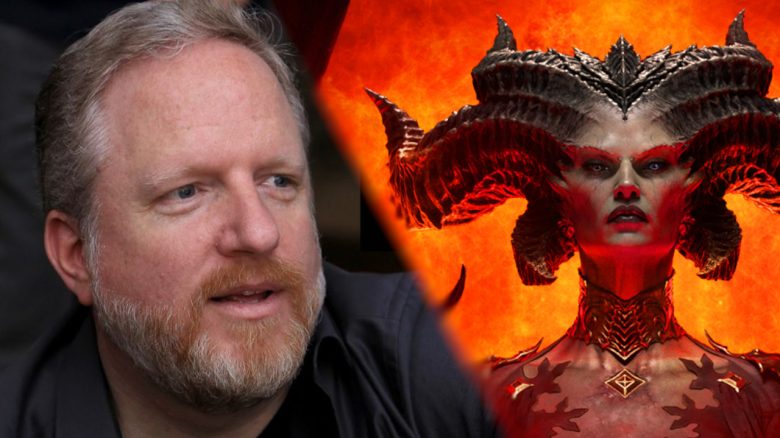
Currently, many developers are at gamescom 2023, and Rod Fergusson, General Manager of the Diablo franchise, is also present. In an interview, he talked about fan criticism of Diablo 4 – read his statements on MeinMMO and what this could mean for the future of Diablo 4.
Why is Diablo 4 under criticism? With the start of Season 1, the criticism of the action RPG became increasingly louder. Even before, many heavy players criticized the endgame, but after the Season 1 patch, many “normals” joined in the criticism.
After the start of Season 1, Diablo 4 slowed down significantly because important mechanics were adjusted:
- Classes nerfed
- Hell flood is slower
- Crit damage and vulnerability damage nerfed
- Experience bonuses were nerfed
What happened next? After that, it took a while to respond to player feedback. Changes like the extended timer when leaving a dungeon were immediately removed again.
At gamescom, Diablo head Rod Fergusson conducted an interview with the US site GamesRadar+ and revealed how they want to avoid such player reactions in the future (via gamesradar.com).
By the way, at gamescom, the new Season 2 for Diablo 4 was announced with a trailer:
“We felt like we were doing the right things”
What mistakes does Fergusson acknowledge? The Diablo head explains that, in his view, it was due to two things:
- They paid too little attention to player expectations.
- They hadn’t thought solutions through to the end.
In the interview, it almost sounds like the developers got caught up in a success frenzy and then relied too much on their own ideas. When asked about the negative reactions after Season 1, Fergusson said:
One of the things we recognized early on was that we made mistakes in handling expectations. It was hard because we felt that what we were doing for the game was the right thing.
[…]
We tried to move a bit quickly, we tried to be very responsive and agile. So we thought: ‘Hey, we have two-thirds of a solution. Let’s give them the two-thirds, and we will finish the other third later’. And that did not work to our advantage.
On the one hand, they had their own ideas about what appeals to players, and on the other hand, they hastily implemented changes. The high rate and nature of updates and patches post-release then led to certain expectations among players.
Initially, they buffed a lot and communicated that they wanted to make every build strong enough to compete in the endgame. Accordingly, player expectations were formed.
The big nerfs of the sorcerer class with Season 1 were the exact opposite of what players expected.
How do they want to do better in the future? They want to communicate planned changes earlier and pay more attention to what expectations certain announcements might trigger among players.
We recognized that it was an issue of expectation management, and we had to admit that we needed to release the patch notes earlier. We published the patch notes at the moment the patch was released. We didn’t do livestreams to talk about it.
Fergusson explains that they conduct internal surveys, analyze data, have roundtables, and conduct livestreams with players, spending a lot of time evaluating the findings.
But they haven’t succeeded in communicating the plans for Diablo 4 in a way that creates appropriate expectations among players. For the future, Fergusson says: “The biggest thing for us was really: ‘Hey, we need to manage expectations better’.”
It sounds like they now want to move from hype mode to management mode and communicate more clearly and distinctly in the future about when which changes are coming or are even possible. They also want to avoid rash decisions and think through a solution before it comes into play.
It sounds like they now want to move from hype mode to management mode and communicate more clearly and distinctly in the future about when which changes are coming or are even possible. They also want to avoid rash decisions and think through a solution before it comes into play.