


The secret ingredient for great quests in RPGs is exactly what seems to be frequently lacking for people on the internet.

CD Projekt RED is known for some of the best RPGs of all time. Especially The Witcher 3: Wild Hunt is considered a milestone that everyone should have played, even many years after its release. Cyberpunk 2077 had a rocky start, but many patches later, it has also become a fantastic RPG.
The fact that the games are so well received is mainly due to the quest design, which has involved an enormous amount of work. The secret ingredient, according to one of the developers, is: empathy.
Who is speaking? Pawel Sasko was a quest designer for The Witcher 3. For Cyberpunk 2077, he was already the lead quest designer, and for the next game in the Cyberpunk universe, he is even the “Associate Game Director” – so he has made quite a career and has dealt a lot with quests.
Both at gamescom latam and in the interview with Game Rant, he spoke about the secrets and detailed work that goes into creating quests.
What did Sasko say? According to Sasko, the focus when creating quests should always be on maintaining a priority order. In quest design, it is essential to design them in such a way that you “play, show, and then tell, always in that order” (“Play, Show, Tell”).
As a player, you should experience as much of a quest as possible through pure gameplay, allowing the mission to unfold. Dramatic cutscenes are also fine, but it’s better when they are part of the gameplay. The “tell” variant is basically the classic quest design. An NPC wants something, and you have to listen to their monologue or even read a lengthy quest text.
This leads to nearly 40% of players in WoW no longer reading quest texts.
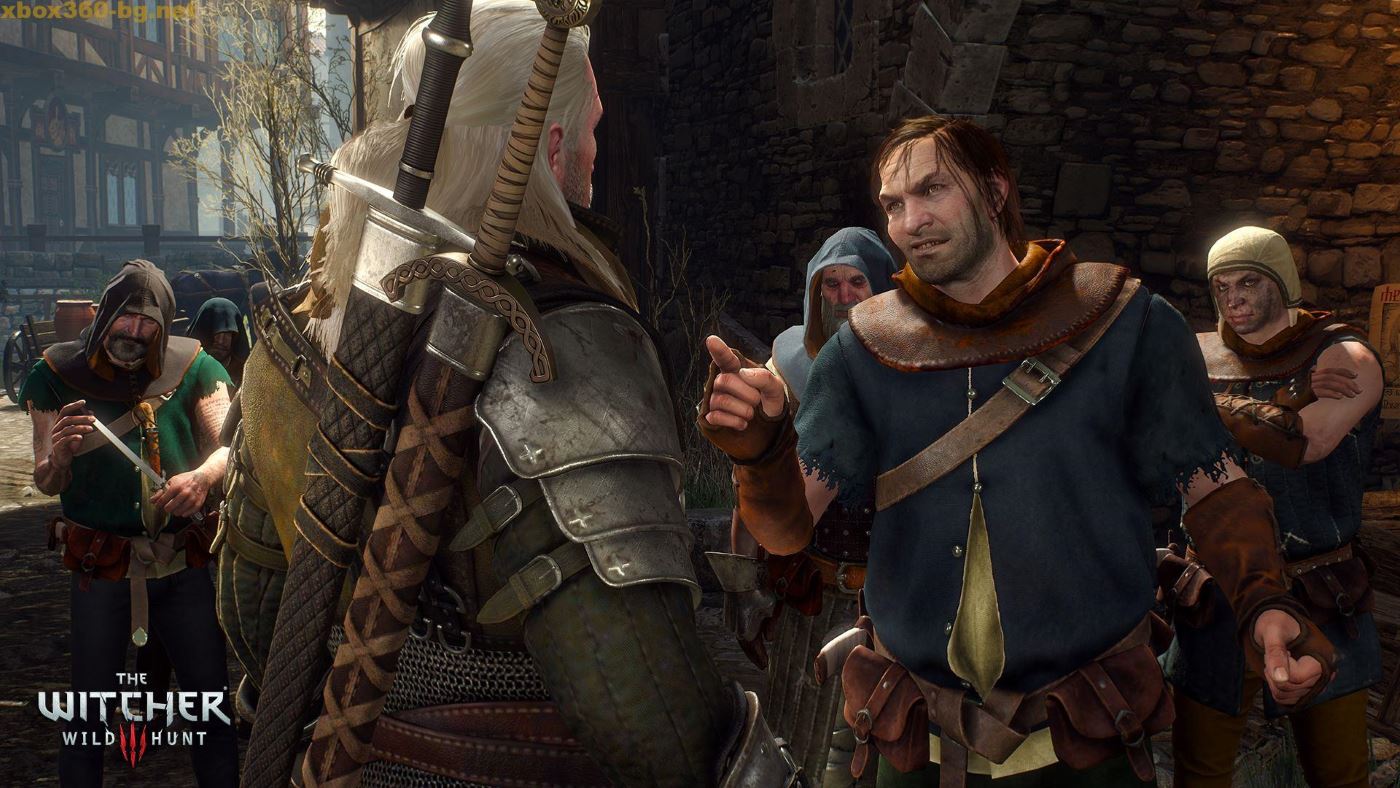
Especially with the “show” element, it is particularly important to demonstrate empathy. Because you need to understand what could touch the players. Only then can a quest immerse players, allowing them to stop thinking about the game’s logic or mechanics and instead be captivated by the story.


One example of this is the quest with the Botchling in The Witcher 3. Here, the Bloody Baron had to bury his own mutated child once again. Even if one is not a father, one can easily understand the gravity of the quest through its portrayal – and yet, one must not lose sight of the fact that such a task might overwhelm some. Sasko says:
Although it is fantasy with the Botchling, there is a component of authenticity and realism that touches people because you do not know what they have experienced [in their own lives]. You have to approach quests with great care and consideration.
Exactly this ultimately leads to great quests.
In ‘showing’, it’s about addressing your empathy and trying to show you things that can move you. For me, that’s almost the secret ingredient that makes particularly good quests.
What kind of quests do you prefer? Do you like being an active part of the quest where the action takes place entirely “in gameplay”? Are you more a fan of lengthy cutscenes where you have little control? Or do you prefer quest texts that you can read at your leisure?

Your opinion is important to us!
Do you like the article? Then let us know!