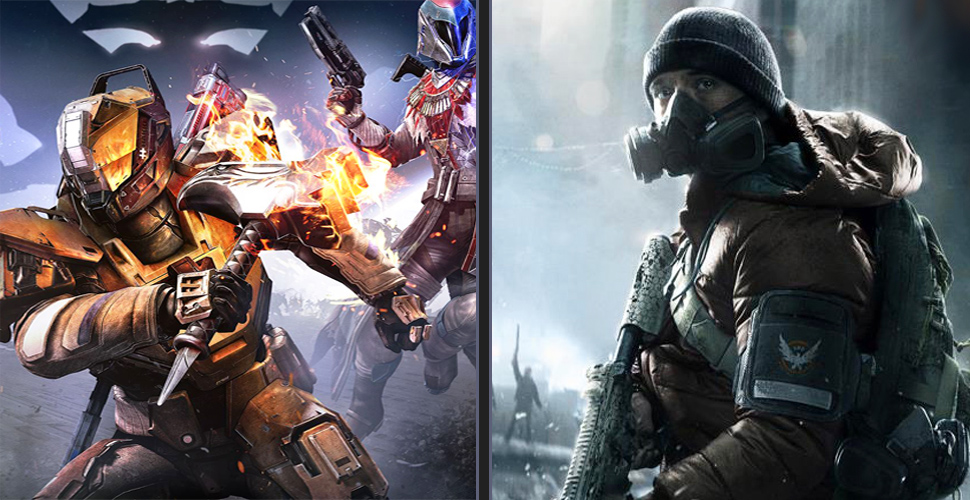
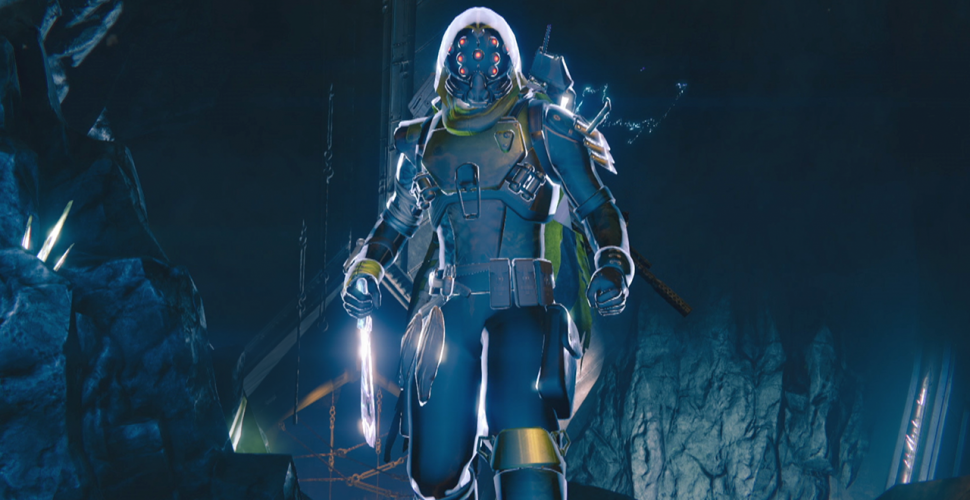
If you look in the forums for Destiny and The Division, you will repeatedly find players who have spent well over 1000 hours in the worlds but are bitterly disappointed. The criticism can be summarized as follows:
The game has so much potential, but not much is happening with it. It’s too often the same, too little development, too little new content.
Players feel that, overall, it has been a disappointment, even though they have spent so much time with the game.
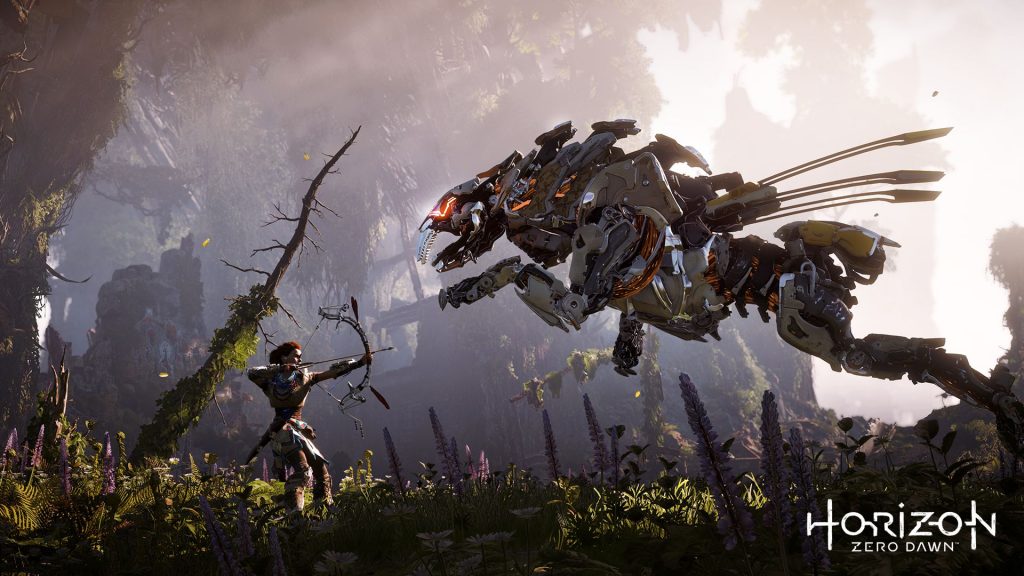
In other games like Horizon: Zero Dawn, players, however, are satisfied and move on after 60 or 70 hours, raving about their time in the world and recommending it enthusiastically.
What is the reason for this? Why are players unhappy after 1000 hours of Destiny or The Division, but happy after 70 hours of Horizon: Zero Dawn?
It is because Destiny and The Division are “MMO hybrids” that lie between two game models.
Two Game Models – Movie vs. Series, Retail Game vs. Games as a Service
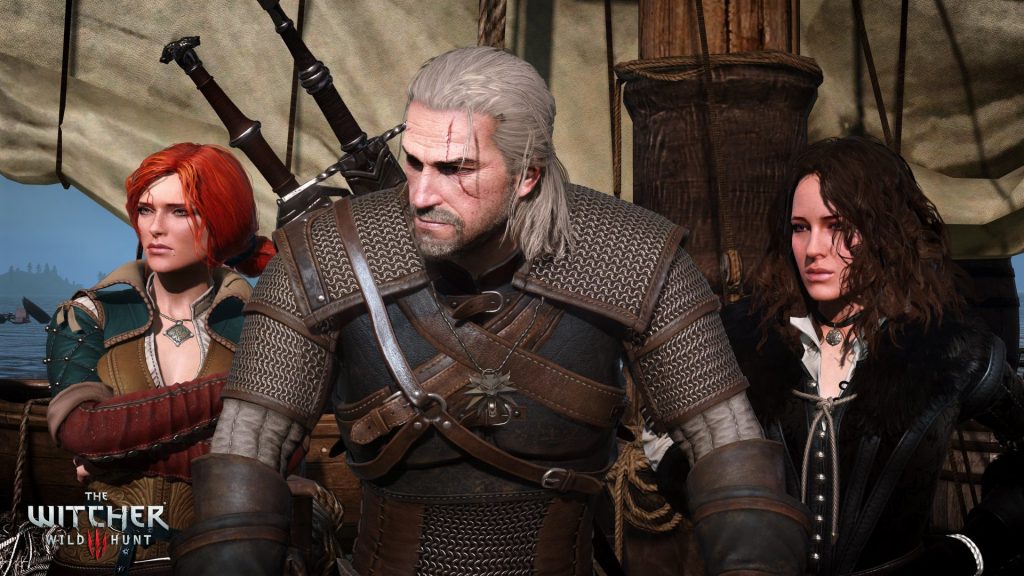
Traditional games like Horizon: Zero Dawn, Assassin’s Creed, or The Witcher are released according to the retail model, according to the “movie” model:
A huge hype builds up around the release – that’s the main launch
Then some DLCs, updates, and maybe a big expansion are released
And after that, it’s over – the game is no longer developed. It remains as it is.
Players wait for the sequel, the continuation of the franchise. It can take years until the next part comes – or it may never come.
This is the same model as with “movies”. The big cinematic launch is what makes the most impact, after which there are only smaller bumps when the movie is released on DVD, pay-TV, or free-TV. Maybe there will be a special edition with some additional scenes, a director’s cut, but essentially that’s it.
Players experience their gaming experience as “beginning-middle-end” and are satisfied when they reach the end.
The other approach is that taken by “MMOs” or “Games as a Service” like WoW, LoL, Final Fantasy XIV, or The Elder Scrolls Online:
The base game is released – that is the main launch
Regularly, DLCs, patches, and updates are released
After a while, a “big expansion” may be released that is almost as large as the base game.
And after that, it goes on and on – there is no end, the game continues indefinitely
This follows the same model as TV series like Game of Thrones or Breaking Bad.
In these cases, the “hype” may grow stronger over the years. Season 3 may have more viewers than Season 1 – this is also true for good “Games as a Service” games.
Destiny and The Division Lack an Ending
If things go well, players experience a “season” here as beginning-middle-end, but after the end of a season, they still want more because there are still questions unanswered.
Since Destiny and The Division lie somewhere between both models, the game is perceived as “beginning-middle-and that’s it”. An ending is missing – something players have been waiting for years. This creates dissatisfaction.
Players Expected a “Series”, Received a Movie
The problem with Destiny and The Division is that both games were marketed as a “TV series” but now play out like “movies”. The first part is over, now we are waiting for the second.
Players entered Destiny and The Division with a different expectation from the beginning. Many expected Destiny to be a game lasting 10 years.
And Destiny seems to be structured that way: Like a huge universe where so much more can happen. The game mechanics are modular, as if they are just waiting to be expanded indefinitely:
The level can still rise,
exciting, fresh weapons can be introduced,
new enemies can appear,
the story can spin infinitely.
It Could Be So Wonderful
Players imagine the future in the most wonderful colors:
There could be space battles.
You could live in your ship!
The virus could appear in London or Paris too?
Ah, all the things you could do in Destiny or The Division!
“There is so much more happening here!” both games seem to shout at us. But then nothing more happens. This contributes to the ongoing feeling of disappointment with the game.
Destiny and The Division Have Only Scratched the Surface of Their Worlds
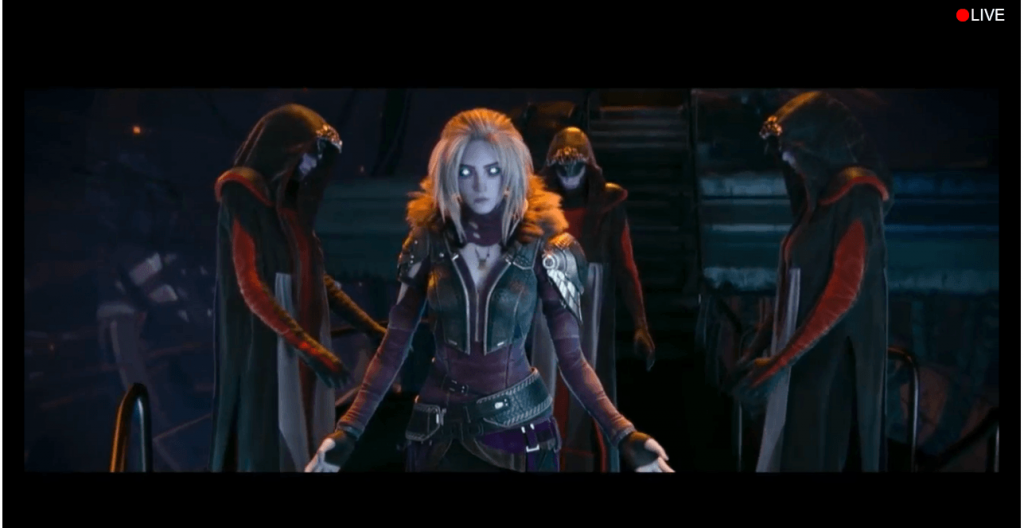
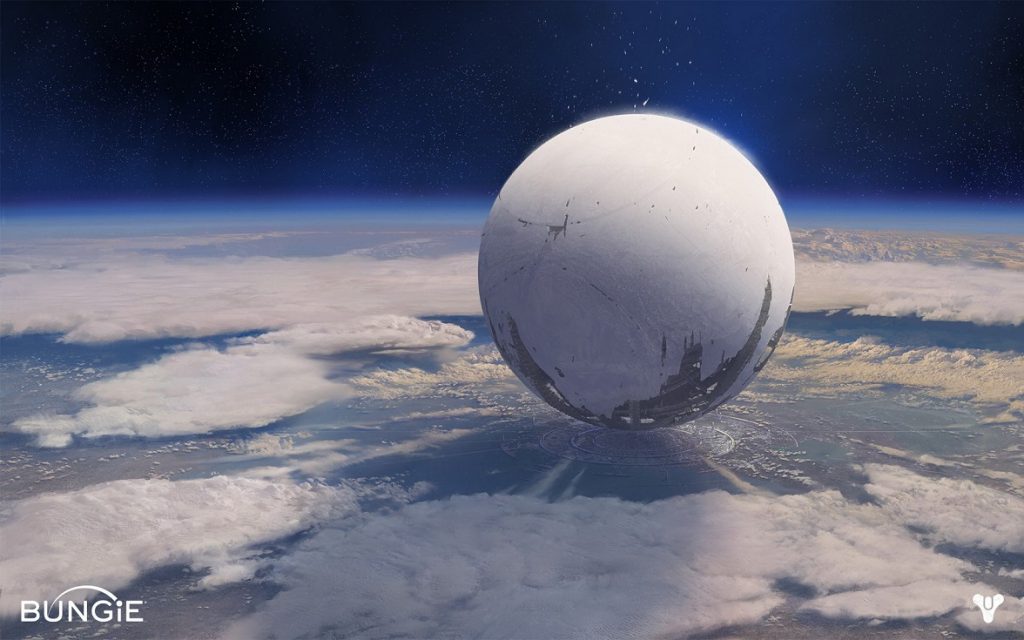
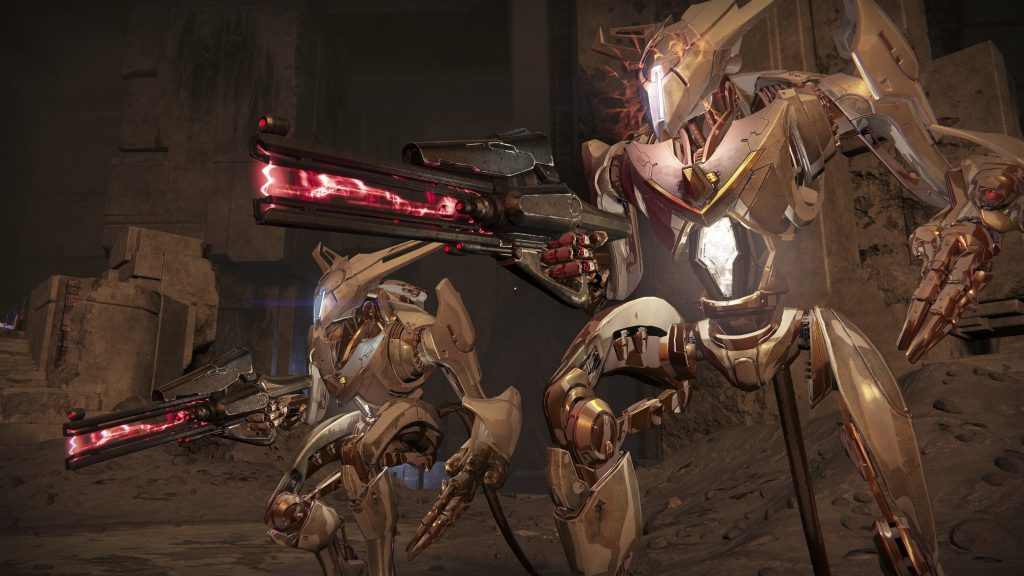
Destiny players feel they have only scratched the surface and that at any moment there could be revelations about the Traveler, with new planets opening up, new stories about the Queen of the Awoken, and so much more.
Destiny players feel they have only seen the first season of a series for which they have been waiting for years for the continuation. But that isn’t coming.
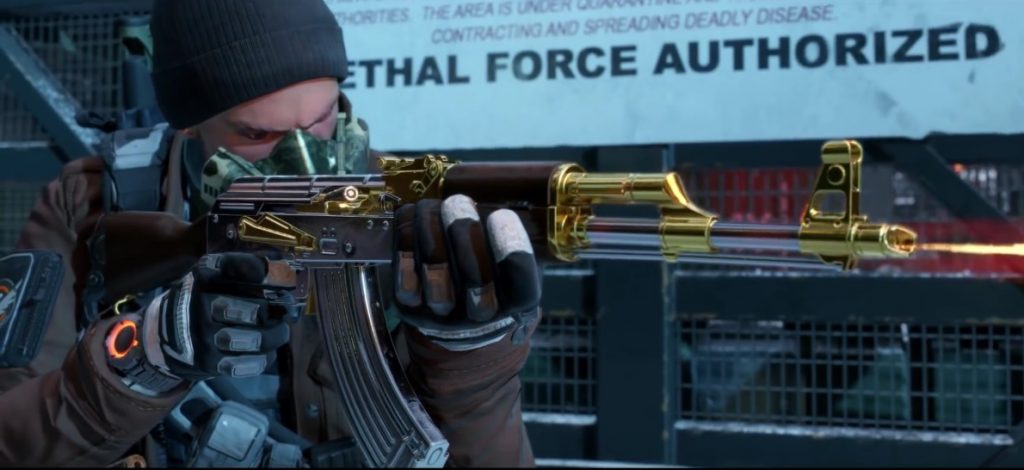
Also, in The Division, this feeling is very present, even though The Division is much more structured like a classic game than Destiny. But even here, fans are waiting to discover new areas of New York, to enter Central Park, and to start the hunt for the rogue agent Keener.
In both games, the developers have succeeded in creating a vibrant world where players want to have adventures. But the adventures have ended. They are to be continued in both games with a “Part 2”, a sequel, and that is taking too long for the players.
Bungie Has Failed in Transitioning to a “Live Game”
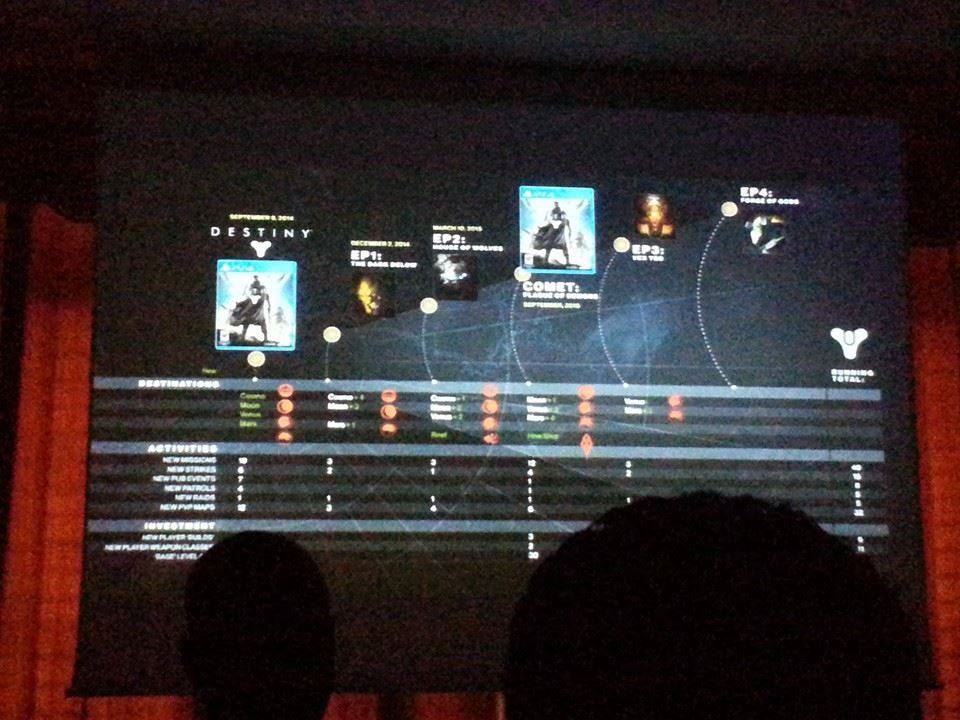
In Destiny, it is clear that originally another plan was intended: Bungie wanted to develop Destiny much more like a “series”, with tightly packed releases of new content. Destiny 2 was supposed to follow Destiny 1 without a long content gap in between. But that went wrong because the individual components were delayed and they couldn’t deliver enough content quickly enough.
Bungie had no experience with a so-called “live game”, with a series. Bungie was a “film” studio that always thought from release to release. In that case, a delay isn’t the problem; players just have to wait a year longer for the new release. If a delay occurs in a “live game”, it leads to content droughts. Players are disappointed and angry.
In the past, Bungie employees could take longer breaks to recover after a release. Now it was “After the update is before the update.” It has to keep going.
What is clear is: Bungie had to transition from a studio that thought from release to release to a studio that maintains a “live game”. This requires different structures, other workflows, and a different communication with fans.
In The Division, the Developers Seem Often Lost After Year 1
In Destiny, much is known. In The Division, however, it is unclear what the original plan for the game looked like.
It is quite possible that The Division was once planned quite differently and Ubisoft wanted to steer the game toward “Destiny”, in order to also get a piece of the tasty “Games as a Service” pie after it became clear how much money Activision was making with Destiny.
Perhaps in The Division, they only wanted to apply the classic formula of “Part 1, expansions, then Part 2” and were surprised by how well the world of The Division worked.
Maybe Ubisoft even had no plans for year 2 prepared. In any case, the developers seem so lost lately that it seems obvious.
Like a Host Whose Guests Just Won’t Leave
The first years of Destiny and The Division show what happens when you promise a series, design the world accordingly, and then deliver a movie: Players spend hours upon hours in the world because they are fascinated by it, but the adventures run out. The experience feels empty and dreary, as if they’ve seen it all dozens of times.
Somewhere I read the comparison that Bungie is currently like a host who wants to go to bed, but whose guests want to stay and keep partying. But since this party doesn’t come, the guests become angry and disappointed. Even though the 1000 hours before were quite enjoyable.
What’s Next for Destiny and The Division?
The good thing about Destiny is that the sequel with Destiny 2 is now within reach, and the studio seems to have gone through this transformative process from a “film” to a “series” studio. At least Activision has been promising this between the lines for years. Bungie has significantly increased staff, apparently done a lot internally with the processes and worked hard.
Starting with Destiny 2, Activision promises a “better and more consistent flow of content.” Translated: Destiny 2 is supposed to be even more like a series.
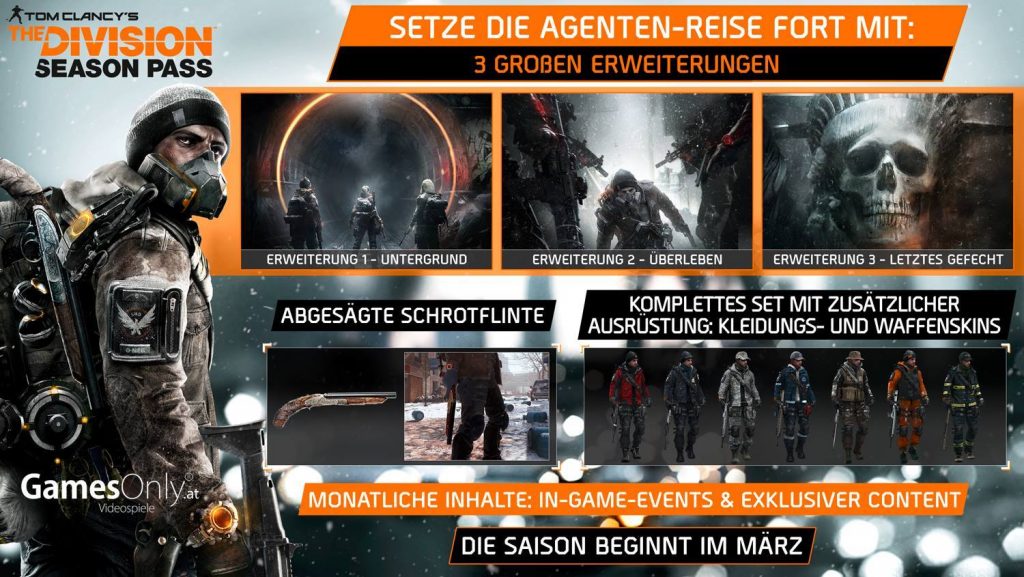
What the future looks like for The Division is currently unclear. No signals are coming from it at all. 2 free updates in 2017 – that is far too little for the players. In The Division, it seems the big content drought that we experienced with Destiny for two years is now about to begin. It remains to be seen how The Division will deal with the new challenges. It will likely – as with Destiny – take a long time before a course correction and transformation is made.
And also with Destiny, we only have promises. Bungie still needs to deliver.
In this article, we deal with the comparison of how The Division and Destiny have developed after their release: