

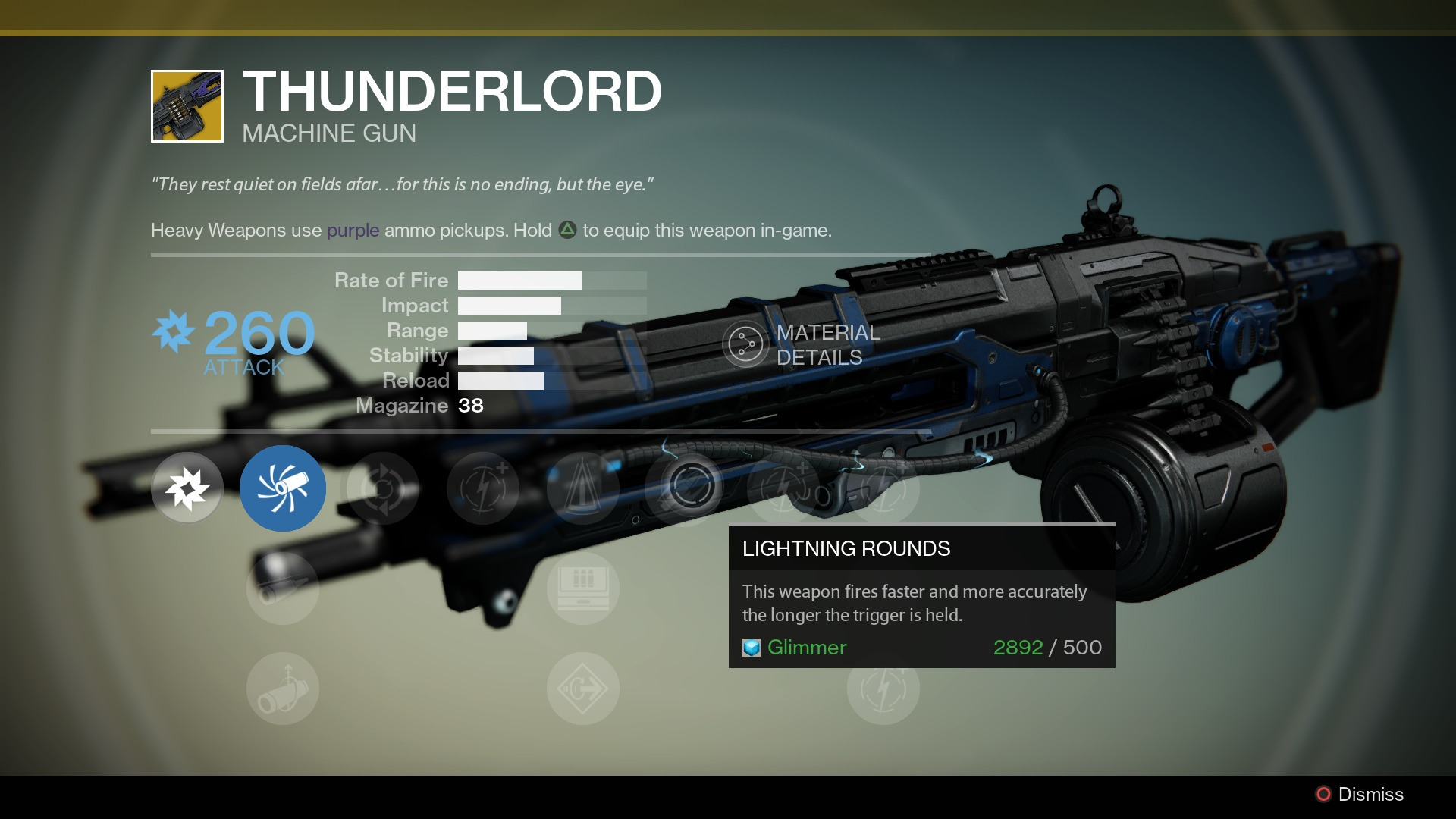
Why can guardians not stop playing Destiny? In an article a few years ago, the current head of the research department at Bungie describes methods to engage players into the game and provides examples from laboratory experiments with rats and chimpanzees.

In 2001, an article by John Hopson was published on Gamasutra, a site mainly aimed at developers, discussing what goes on in players’ minds regarding rewards and the absence of rewards. Today, Hopson is the “Head of user research at Bungie Studios” and is probably the person who knows exactly how users tick in Destiny and how to keep them engaged with the game. The article is particularly special as it offers an open view into the thought processes on the “other” side of the screen.
The article demonstrates how much research and effort are put into ensuring that players cannot stop playing the game – and what science is utilized for this. And as recent numbers show, it seems that Destiny has perfected this formula. A common phrase in the reviews is: Destiny has problems, but still, people play it every day. The foundation for this might perhaps be found in the article from over ten years ago.

The article is based on a form of behavioral psychology that was developed primarily on animals such as rats, chimpanzees, and pigeons. It emerged when the experimenter ran out of food pellets and decided to reward the rats only every tenth time they pressed the switch to save the trip to the city. This resulted in some interesting outcomes. Sound familiar?
Here are some more excerpts from the article:
In an experiment, there were two pigeons in a cage, one was tied up while the other could move freely. Every 30 seconds, food was dropped into the cage. The free pigeon could reach it, while the tied one could not. The free pigeon happily ate all the food every 30 seconds. After an hour, the food stopped, and the free pigeon checked the food exit every 30 seconds. When it realized that no food was coming, it attacked the other pigeon.
The interesting thing is: The tied-up pigeon does not even know what the food tastes like. The free pigeon has no reason to assume that the other pigeon is responsible for the food stopping. The frustration is irrational, but present.
A chimpanzee presses a switch and receives some salad, which it then eats and enjoys. With a random press of the switch, grapes come out, which he really likes. The next time he presses, he gets another leaf of salad. This annoys the chimpanzee, and he throws the salad at the experimenter.
A rat receives a small electric shock at irregular intervals. It can avoid it for 30 seconds by pressing a lever. The rat quickly learns to press the lever at regular intervals to prevent the shock.
It seems that Bungie has found a good formula to balance reward, the pause between rewards, and the absence of rewards into a functioning equilibrium.
Just to clarify: There are 13 years between the article and today. And surely other MMOs also utilize insights from behavioral psychology, which is studied primarily on animals, to design their MMOs and reward systems. However, it seems Destiny has managed to do it even better than elsewhere.
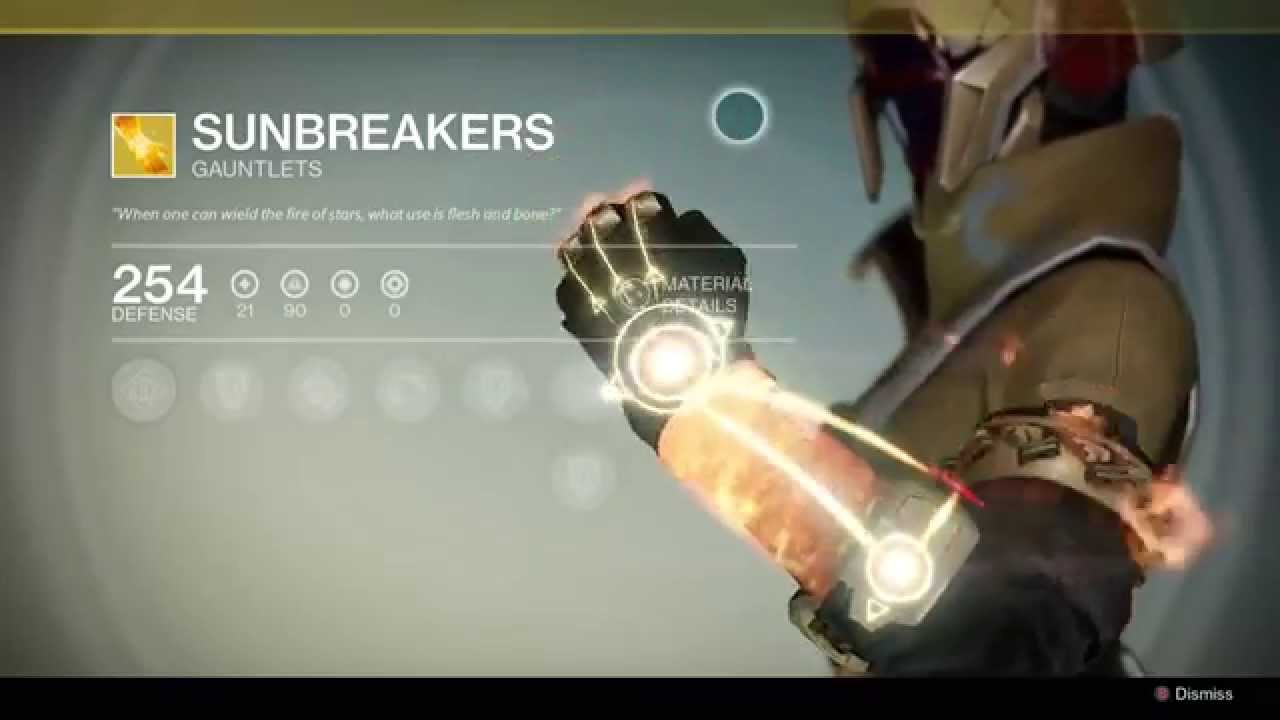
In not entirely unrelated news… here is a player decoding 50 engrams:

Your opinion is important to us!
Do you like the article? Then let us know!