


The Game Director of Destiny 2 says that Bungie is getting better at making Destiny. He admits mistakes in Destiny 1 and explains what Bungie has learned from them for Destiny 2.

Bungie is notoriously tight-lipped. In January 2016, the head of the company was replaced and there wasn’t even a hint of a comment from the outside. Usually, Bungie sends Community Manager DeeJ to press events or his boss Eric Osborne. Both are media professionals who don’t let anything slip and only say what they want to say and nothing more.
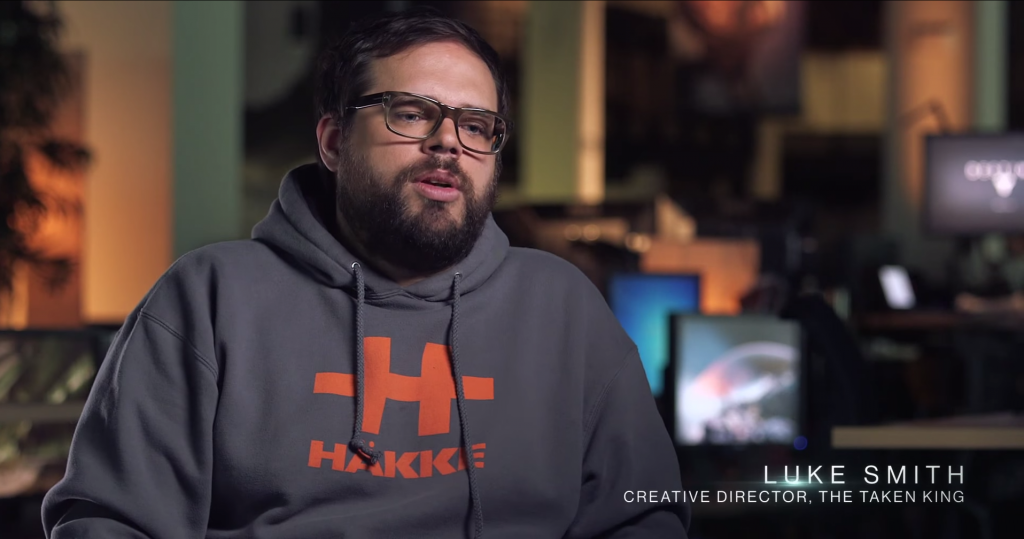
So it’s refreshing to hear Luke Smith – even if he accidentally triggers a shitstorm, he has something to say.
Smith is a former journalist and worked his way up from being a joke writer at Bungie to the chief creative of Destiny 2 over 10 years. In an interview with the US site Kotaku, for which Smith used to write himself, the details are revealed. Smith admits weaknesses in Destiny 1.
For Destiny 2: A consistent story with consequences
As Smith says, Bungie is getting better at making Destiny. He gives examples of what they have learned from the mistakes of Destiny 1.
In the previous years, the story lacked progression, that actions have consequences and build towards something. Here, they definitely want to improve.
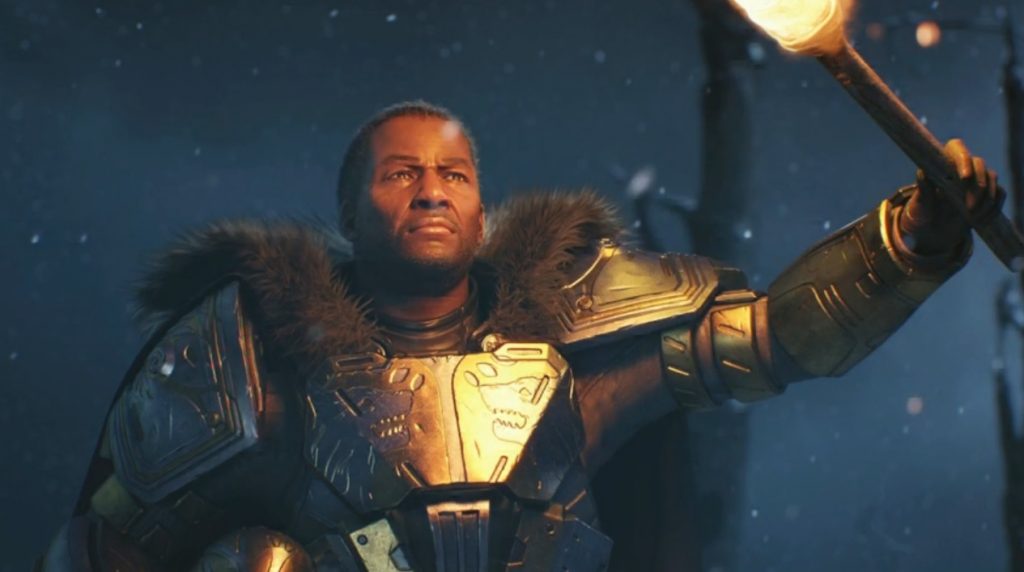
When Lord Saladin declares at the end of “The Rise of Iron Lords”: “You are a hero. In the final battle, the fallen Iron Lords will stand by your side,” they really want to deliver such a battle to the players and leave them with a satisfying ending. This is important for the coming years of Destiny.
The best Destiny yet
According to Smith, a lot has been done internally to ensure that Bungie is now better at developing Destiny. They have stability in the development teams and leadership.
In Destiny 2, Smith sees the opportunity to revamp Destiny and open the game to a lot of new people. And they want to offer the best Destiny they have ever made.
Currently, Smith is in the last 6-8 weeks of work on Destiny 2. The team has significantly shrunk, and now they are more agile and can still make changes.
What Bungie learned from Destiny 1: Teams, not egos
What Bungie has further learned from Destiny 1 is how important developer teams are. In Destiny 1, Game Director Jason Jones had a group of people around him, but it didn’t function as a leading team should.
For Destiny 2, they adopted the leadership team from “The Taken King” and added a few members. After Producer Noseworthy and Smith finished with TTK, Bungie asked them: “What do you want to do next?” And the answer was: “Whatever, as long as our team stays together.”

The philosophy at Bungie now is that the team is more important than the individual. A group of people who work creatively together, share the same values, and get things done. For Bungie as a company, it is important to form such groups of people and keep them together.
What Bungie learned from Destiny 1: Make decisions “down low”
It’s also about keeping egos in check and delegating responsibility to smaller teams. For example, the new subclasses come from the sandbox team. It does not work that directives are given from above to be implemented below but rather one must understand and harness the teams’ passion.
Also, the decision to switch to 4v4 came from discussions with the sandbox team. The sandbox team in Destiny is responsible for weapon and class balance.
More about the changes in Destiny 2 can be found here:
Destiny 2 Story: Bungie admits ‘No idea what the Darkness is’

Your opinion is important to us!
Do you like the article? Then let us know!