With the Annual Pass for Year 2, Bungie promised once again a better flow of content in Destiny 2. Could it finally work with the new model?
The content flow is an old problem: The supply of fresh game content has been an issue since Destiny 1 that Bungie simply cannot get under control. The studio has promised better content flow several times, but has not really delivered. Often, there have been content droughts.
With the new Annual Pass model for the second year of Destiny 2, the studio assures once again that fresh content should now be delivered faster. The publisher Activision has recently emphasized that Destiny 2 should receive new content faster in the future. Will it work this time?
What’s included in the Annual Pass for Destiny 2
What is the Annual Pass? The Annual Pass is essentially nothing more than a paid season or annual pass for the second year of Destiny 2. You can purchase it with certain versions of Destiny 2 or the Forsaken expansion or buy it separately for €34.99.
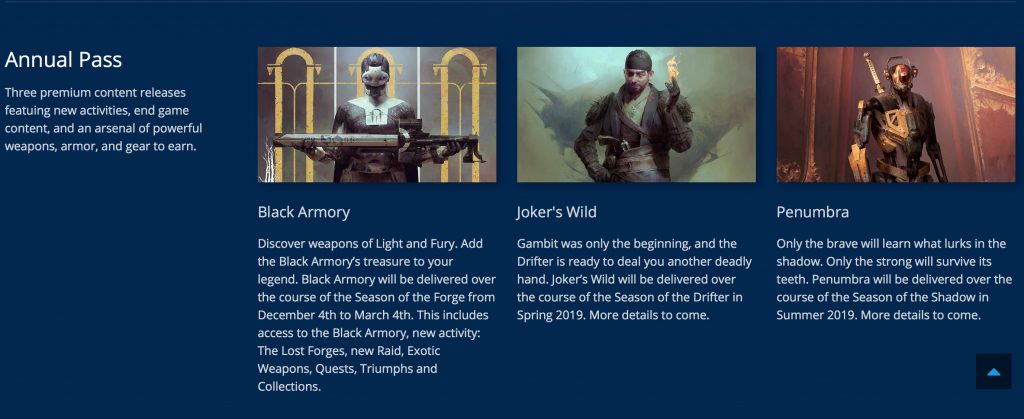
What does the Annual Pass include? Buyers of this annual pass will receive additional content in addition to the regular features available to everyone, as well as three premium content deliveries:
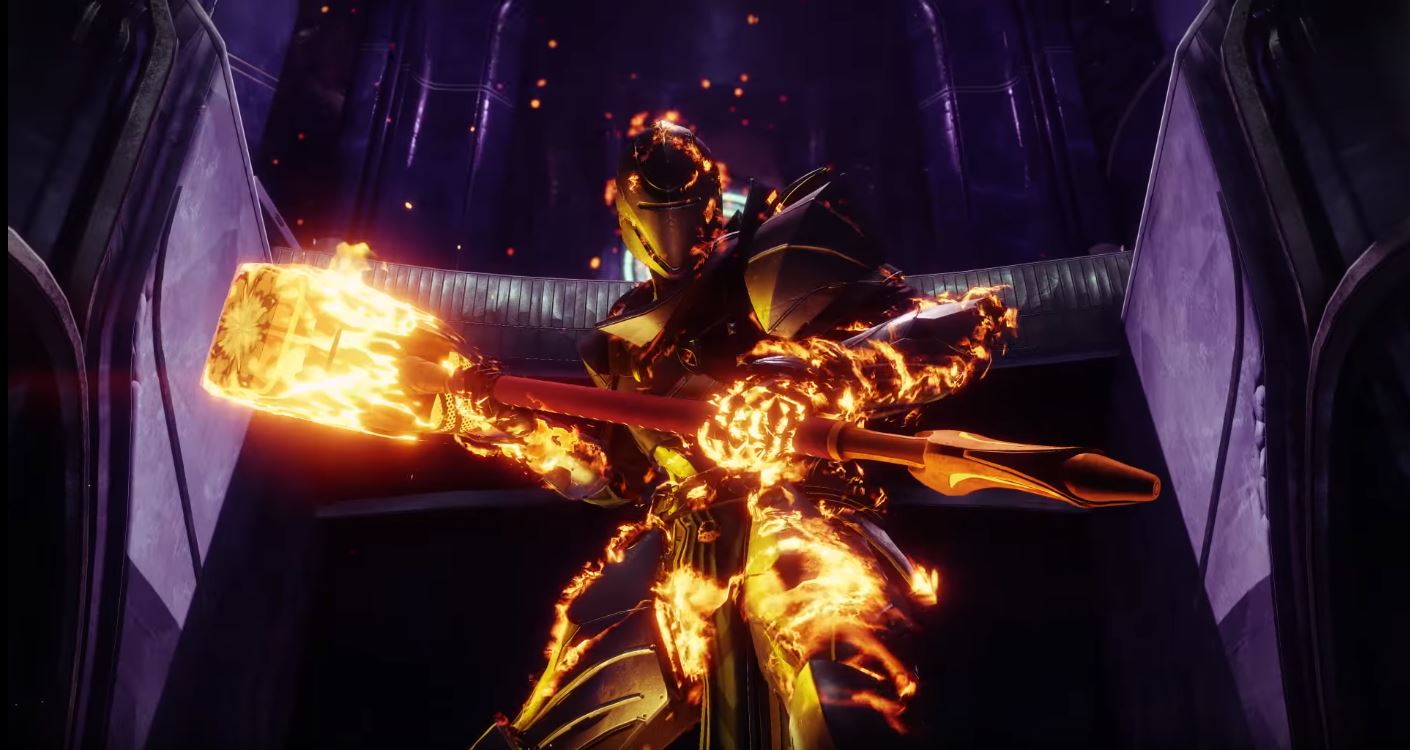
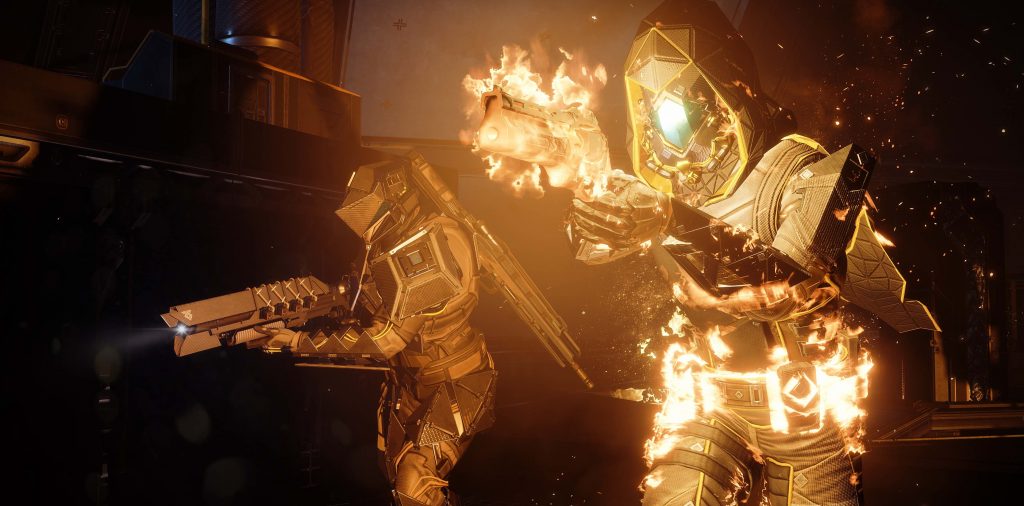
- The 3 premium content DLCs “Black Armory”, “The Joker’s Wildcard”, and “Penumbra”
- More end-game challenges
- New weapons, armor, and unique cosmetic rewards
- New and returning exotics
- New activities
- More raid lairs
- New triumphs
- New lore
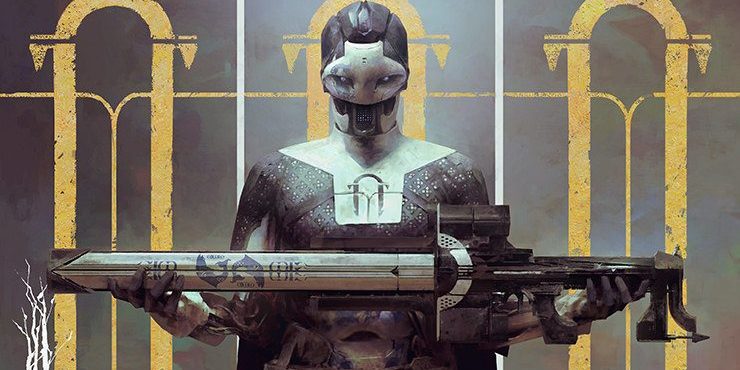
Bungie has emphasized multiple times that the three upcoming premium DLCs will not offer the same scope as, for example, DLC I “Curse of Osiris” or DLC II “Warmind” from the first year of Destiny 2. The premium DLCs will not be available individually, but only as part of the Annual Pass.
How will the Annual Pass content be delivered?
This is the DLC plan for Year 2: Anyone who wants to fully enjoy the second year of Destiny 2 will have to pay extra. However, Bungie promises a faster flow of new content. But what will that look like?
The three premium DLCs will be released sequentially over the course of the second year. The first of these, the Black Armory, will be released on December 4, 2018. The two subsequent DLCs, The Joker’s Wildcard and Penumbra, are currently only roughly scheduled for Spring 2019 and Summer 2019 (by no later than August 31, 2019).
This is how the contents will be distributed: However, a description of the Annual Pass in the Blizzard Store gives a hint as to when players can expect the second premium content. It states that the contents of the Black Armory will be delivered during the Forge season (Season 5) from December 4, 2018, to March 4, 2019.
While this does not mean that the second premium DLC will also be released on March 4, 2019, the possible release period is at least narrowed down. Because on March 4, Season 6 will likely start. The next premium content is likely to kick off shortly thereafter. For example, the Black Armory starts one week after the beginning of Season 5.
This would mean that there will be about three months between the first two premium DLCs. The third and so far officially last DLC, Penumbra, which is expected to be delivered by the end of August at the latest, could come three to five months later. Whether or what Destiny 2 will offer the fans afterward is not yet known.
Can the Annual Pass model ensure a faster flow of content?
More and faster content in Year 2: When comparing the releases in the first year of Destiny 2 with the second year, it is clear that the planned content flow should now occur at shorter intervals and include more content – at least on paper.
Destiny 2 was released on September 6, 2017 (on consoles), DLC I followed on December 5, 2017, and DLC II was released on May 8, 2018. The Forsaken expansion kicked off the second year on September 4, 2018.
While there was about the same amount of time between the main game and the first DLC as there is between Forsaken and the Black Armory, the following DLCs in Year 2 will come at shorter intervals. Additionally, there will be one more content delivery than in Year 1.
The main difference from Year 1
This is how it was in Year 1: In Year 1, the contents were delivered all at once. After DLC I was released and players were done with it, there was hardly anything they could do until the next content delivery. Only events like the Crimson Days briefly broke the waiting period.
It was similar for DLC II. Warmind was also released as a large DLC with all its content at once. Although there were some contents hidden behind a time lock that kept the Guardians busy over a longer period, once players were done with it, there was nothing to do until the Whisper Quest and the “Solstice of Heroes” event.
All in all, Bungie did not manage to provide fans with fresh content in a timely and continuous manner during Year 1. There were numerous droughts.
This is how it works in Year 2: In Year 2, players are now theoretically supposed to receive more and faster content – and for less money. For the two DLCs, you had to pay around €40 if purchased individually or €35 if you bought the expansion pass, while for the three premium content deliveries in Year 2, you will also pay approximately €35. So a Year 2 DLC costs more than €10.
However, in practice, it will apparently look different. Bungie has repeatedly pointed out that the individual premium DLCs will not be comparable in scope to the DLCs from Year 1 and will be smaller. The listing in the Blizzard Shop also reveals that the contents of the premium DLCs will not be delivered all at once, but over the course of an entire season.
In plain language, this means for players: There will be less content per content delivery than in Year 1, but it will now be stretched out over a longer period and made available gradually.
Can this new model convince? That content does not come all at once, but is spread out over time through time-gating, is not necessarily bad and is common in numerous games. It depends on the quality of the content.
If Bungie can manage to combine new activities, exotics, endgame elements, and story engagingly and distribute them over the season in a way that players always have something to do, this tactic could work – even if these contents come piece by piece and are only briefly entertaining.
It all comes down to a skilled combination and the frequency of the content. The Forsaken expansion has already shown this. Many contents were also released gradually or were scheduled for a long time, keeping many fans engaged until the first premium content.
Bungie will certainly be able to achieve a faster flow of content with this model. But whether the studio can really convince with the new €10 DLCs remains to be seen. The past has shown several times that such announcements are not as easy to implement as they may sound.

What do you think? Can Bungie provide Destiny 2 with content faster and continuously with the new model?