


Destiny looked like a promise of a glorious future in 2014. By 2020, that dream has suffered scratches, dents, and deep wounds. In the coming weeks, Destiny 2: Beyond Light will determine whether the idea of “loot shooters” has a future at all.

What made Destiny so special in 2014: The exciting part about Destiny was never “What it was,” but always “What it would become.”
From day one, Destiny was a game of promises and superlatives. This began with the big announcement from Activision Blizzard back then:
“Destiny will be a game for 10 years” (via theguardian).
The vast dimensions of Destiny were described. It was shown under what conditions the new game Destiny was created. It was said that Bungie had bought a “multiplex cinema” to accommodate all staff.
Photos circulated of the studio, where apparently work was still being done on the game at night with dozens of workstations and illuminated monitors. Even the image seemed to show only a fraction of the capacity that Bungie dedicated to Destiny.
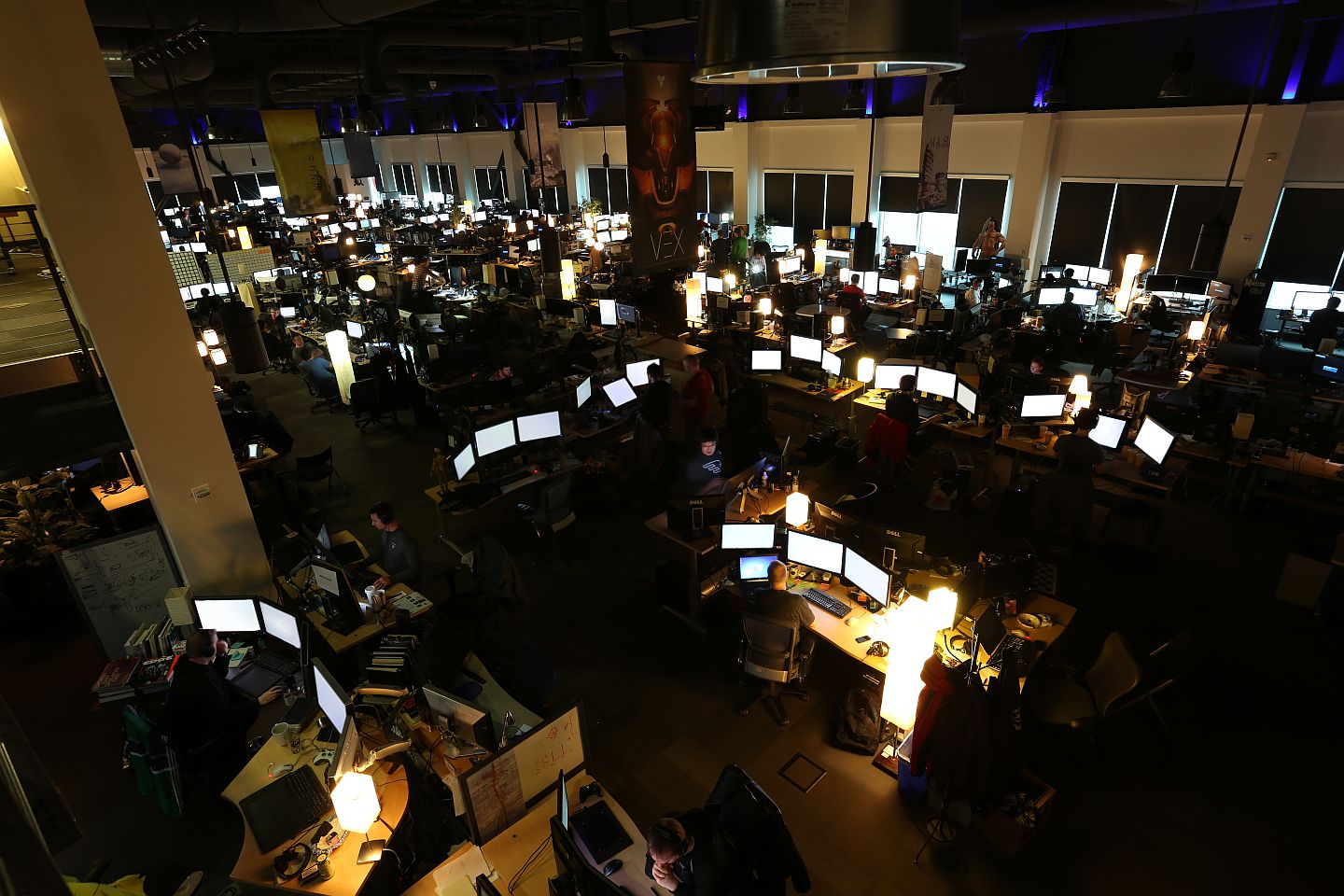
The promise lingered: surely hundreds of employees would be working around the clock on new content to create a sort of “WoW, just as a shooter”: a universe that grows, breathes, trembles, and keeps getting better.
Anyone who played Destiny could envision it blooming in the coming years before their inner eye.
The whole game looked like it was set to grow for 10 years. They didn’t even have to promise that to players; they pictured themselves what the next 10 years would be like:
- There would always be new zones, new equipment, new enemies, new classes – just more and better of what was already there and what everyone could play.
- Thanks to the innovative and fantastic gunplay, Destiny felt great, and now everyone was waiting for the promised follow-up.
- The first raid, the Vault of Glass, was an experience for many. Online shooters got a taste of WoW raids. What would that look like in a few years?
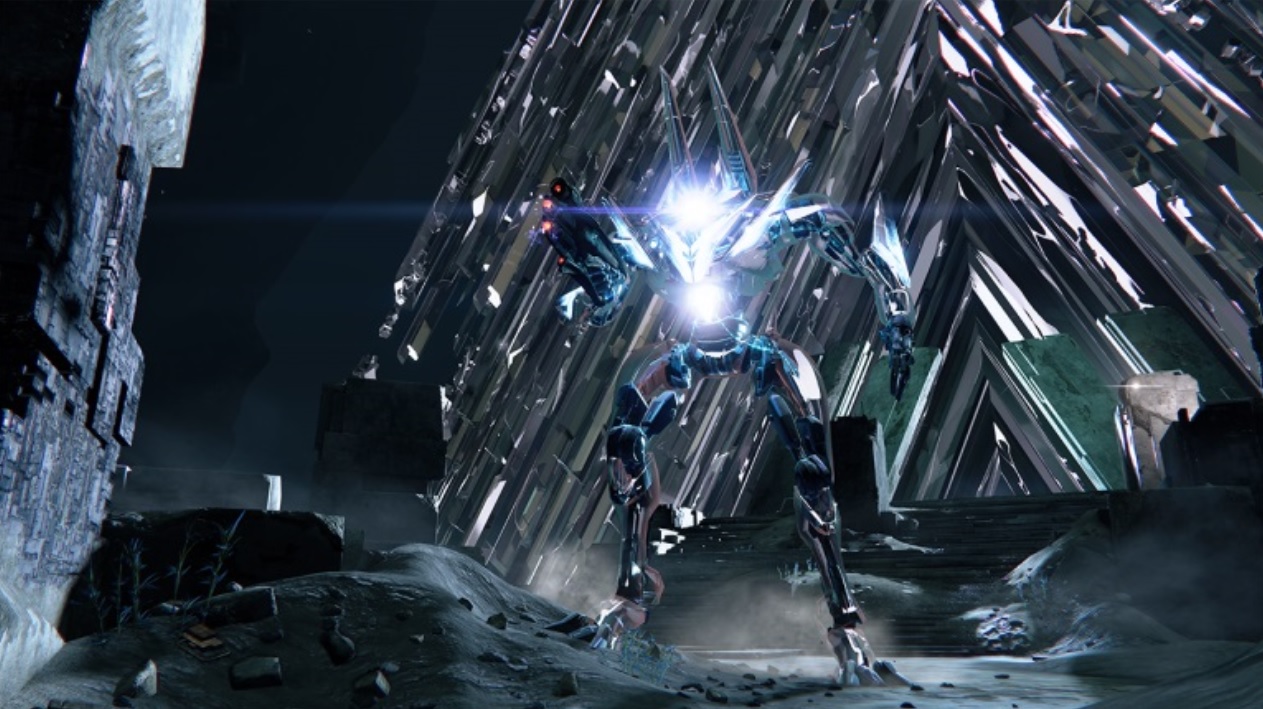
- The world invited players to immerse themselves. Everywhere, puzzles hinted. Who was the Traveler? Where did the Hive come from? What was going on with the Queen of the Awoken?
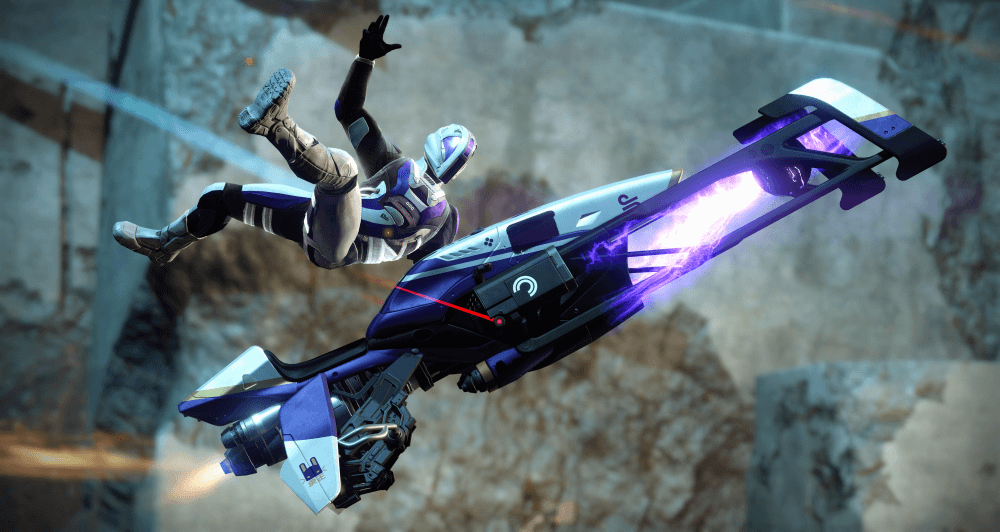
- And there were so many ideas swirling around about how it could continue: Guardians could have their own spaceship, where they live, or a small apartment on the moon, maybe a pet or a crafting profession. With “Sparrow Racing,” Bungie gave players a taste of what was possible.
Players want new content – Bungie keeps spinning around itself
So it really was: The reality of the last 6 years has been sobering. Players developed a huge appetite for new content. Bungie could never satisfy that hunger.
The developers used tricks to create the appearance that new content was coming, which was not actually new. The “recycling” of content became an art form over the years. The Prison of Elders became the “Challenge of Elders,” numerous exotics returned over the years, a raid boss in Destiny 1 was actually just a recycled tank.
Quickly, the expectations of players and what Bungie really delivered diverged:
- Players expected a “big, new update” with a raid, new story, new exotics, and gear every 4 months – as it was once intended.
- But instead, there was emptiness and only sporadically brief, new content. Long content droughts and months without real new content; much frustration and boredom ruled the daily lives of the Guardians.
In the “good” years of 2015 and 2018, Bungie at least managed to generate a major hype in the fall of the year for about 6 weeks by releasing a good expansion that satisfied players, but most of the time their stomachs growled.
Where do the problems come from? Bungie realized early on that they were too naïve at the beginning. The content plans were too optimistic, the studio was not structured to produce so many contents in parallel as thought and planned. The tight schedule could only be maintained in 2014/2015 because the teams had already produced content before the launch of Destiny.
Because when players just started playing Destiny 1, Luke Smith’s team was in the middle of the Year 1 expansion “The Taken King.” But by late 2015, the reserves were empty, and Destiny 2 had to be pushed back by a year.
As insider reports tell it, Bungie was technically unable to develop content as quickly as necessary. The engine was not designed for that.
Actually, Bungie needed several teams working in parallel to develop content, and they had to always stay on schedule – delays could not be afforded.
But even if all content teams had worked flawlessly in parallel, it would still have been too little. Bungie quickly realized that they needed another team, a “live service” team to maintain the currently running game, providing patches, minor updates, and events. In April 2016, Bungie celebrated, “the evolution” of the company: A live team was there and brought updates.
However, behind the scenes, the DLCs were constantly delayed, something was always behind schedule. Overtime and crunch was something Bungie wanted to avoid after Halo 2.
Without players ever really noticing, content was being wildly shifted around behind the scenes, so that things that were supposed to come in 2020 had already been hinted at in 2015. This explains the many strange content pauses and why Bungie often left players unclear about what was to come next.

Even in 2016, it seemed that Destiny 2 would revolve primarily around the Queen of the Awoken, Mara Sov, who spectacularly vanished in “The Taken King.”
Bungie conducted a major interview with the voice actress of the Queen, Kirsten Potter, in March 2016. This was apparently the prelude to hype Destiny 2. However, in actual Destiny 2 (2017), Mara Sov was completely absent. She had been cut out along the way. Change of plans.
“Change of plans” was apparently a core theme at Bungie for years.
The structures for teams and processes at Bungie changed mid-development: It was an operation during ongoing business that seemingly caused a lot of trouble and friction.
No year at Destiny without a crisis that sets the studio back
These constant directional changes and adjustments in Bungie’s structure led to a turbulent development with many issues. Whenever everything was set and running, something went wrong at Bungie, and they lost momentum and time:
- Even before the release of Destiny 1, there was a reboot – the story author left, which set the development of Destiny back and caused a strange narrative flow.
- In 2015, it became apparent that the content plan was insufficient – the publisher Activision promised help, and the internal structures of the company were restructured. The DLCs planned for 2016 were canceled; instead, free updates were to come – which would be financed through a cash shop.
- In 2016, there was a reboot of Destiny 2 – the head, Harold Ryan, left the company and founded his own studio, which other employees joined. It was around this time that Luke Smith began to rise, to whom Bungie entrusted the leadership of Destiny 2 and later the entire franchise.
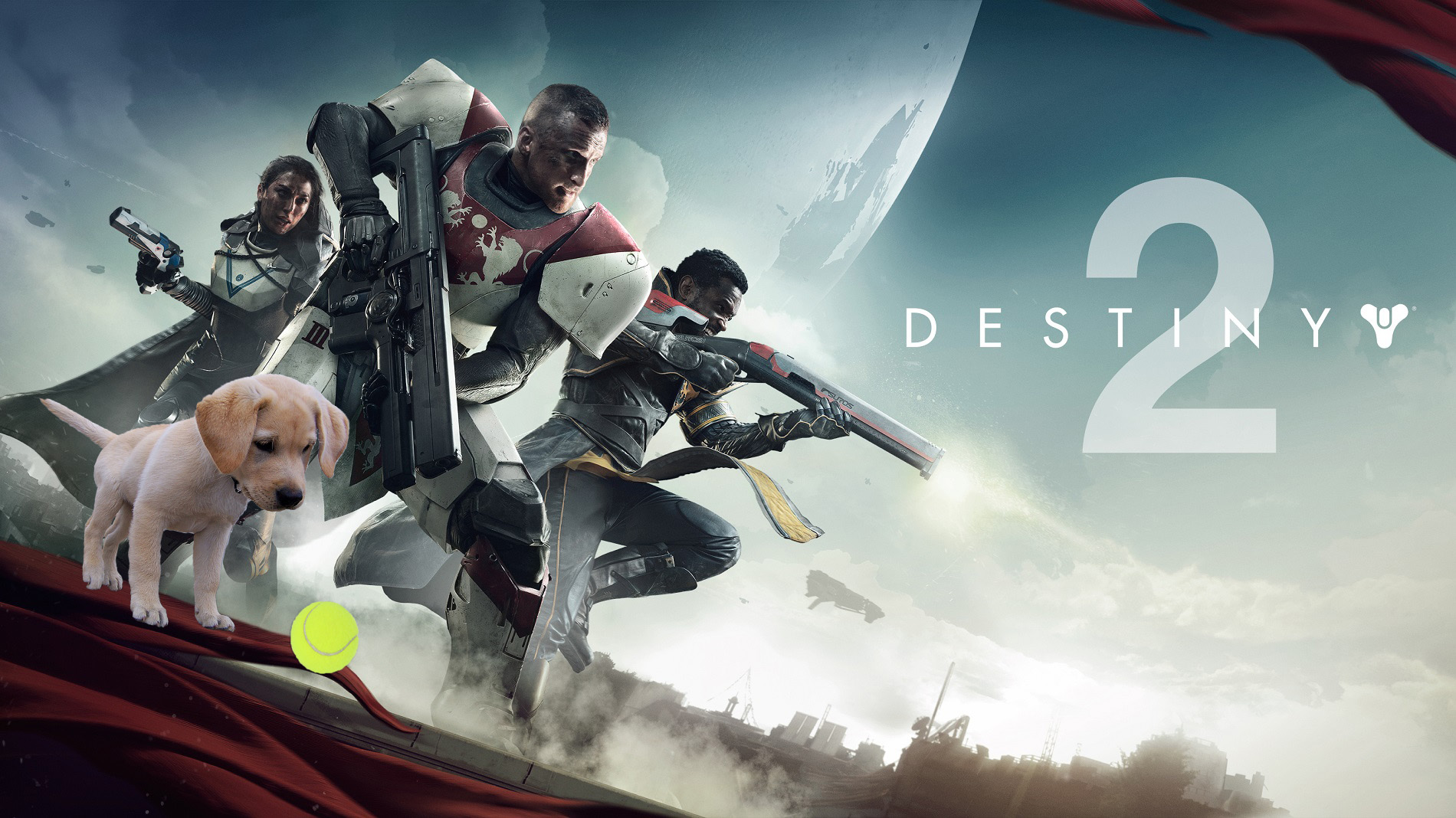
- In 2017, Destiny 2 turned out to be quite a disaster and a setback for the game. They simply had not finished and had to leave out some good ideas, which they later wanted to add.
- In 2018, the support studio from Activision Blizzard finally arrived, and there was a bit of a boost. However, the relationship with Activision was strained. They were dissatisfied with the sales figures of Forsaken – Smith, however, emphasized how satisfied Bungie was with Forsaken.
- In 2019, Bungie separated from Activision Blizzard. Now, Bungie had to carry the monumental project Destiny on its own, replace the support studios, and there was another setback.
- In 2020, they struggled with the “season model” they had introduced to save content and promised changes. Additionally, Corona interfered.
All this led to the fact that the promise of how Destiny would grow from 2014 never truly materialized.
That’s why Beyond Light is now the last chance
Why does Destiny 2 need to deliver now? The whole situation of Destiny has changed, the market has become much less friendly:
- In 2014, Destiny was somewhat unique and one of the first “games-as-a-service” games for consoles. While most games were only briefly important upon release, Destiny remained interesting year-round and was discussed.
- In 2020, the environment around Destiny and the gaming market had totally changed: Games-as-a-Service games are no longer an exception but the norm.
Nowadays, many games promise to continue to grow and remain relevant. However, these are not loot shooters like Destiny, but games like CoD Warzone or Fortnite. These games actually only have one map that is constantly expanded and updated.
These games manage to stay relevant for a long time because they are not as maintenance-intensive as Destiny, and players are satisfied with relatively smaller updates.
Furthermore, these games are designed from day one to grow steadily. They have learned from Bungie’s mistakes and go into it with a clear plan. The tools and the engine are designed for fast content creation.
Bungie’s problem is that there is “no easy way” for Destiny to keep up. Their players expect hard work, new quests, new boss battles, new content – Bungie cannot cheat, but actually needs a lot of manpower constantly to satisfy players’ hunger. This has not been successful in recent years or only in exceptions.
Moreover, it has become increasingly important for games to be present on Twitch and to be part of the conversation.
To stay relevant, it is necessary for games to create stories, events, and innovations that can be talked about. This is how games like Fortnite or CoD Warzone stay in the conversation.
The current zeitgeist has overtaken Destiny. In 2014, Destiny had little competition for attention; today, Bungie seems a bit behind when trying to get back into the conversation with ideas like “Trials” or “Hardcore PvE.”

If Destiny delivers only standard fare with the new expansion “Beyond Light,” it will be difficult for the series to survive in the coming years.
We see that Destiny 2 has become somewhat irrelevant over the last few years:
- Ideas like the “season model” could not take hold.
- Stunts like the partnership with Google Stadia didn’t pay off.
- Even the free-to-play approach seemed unsustainable – in light of the strong free-to-play competition in the market.
The many setbacks and small defeats have developed over the last 6 years into a huge burden that Destiny carries on its back, threatening to crush it: People feel that they have been promised too much over the years that has not been delivered.
Destiny has not received enough significant changes and wanted to see too much money over the years. Much trust and goodwill have eroded over time – especially among veterans.
Bungie puts all its chips on “Destiny 2 Beyond Light”
What points to Destiny 2 being good now: In fact, all changes and lessons learned over the last 6 years are now converging on Destiny 2: Beyond Light:
- It will be the first major release that Bungie will make on its own, without Activision Blizzard, meaning no compromises.
- It will be the first release that Luke Smith will be solely responsible for, without a reboot occurring beforehand.
- And it’s the release that Bungie will build content on for the next 3 years.
- Bungie is going all-in with Beyond Light like a poker player pushing all their chips into the center of the table.
Moreover, a “hit” is long overdue. Because “Beyond Light” is basically Destiny 3 or at least a replacement for it: This is the project Bungie has been working towards since 2017.
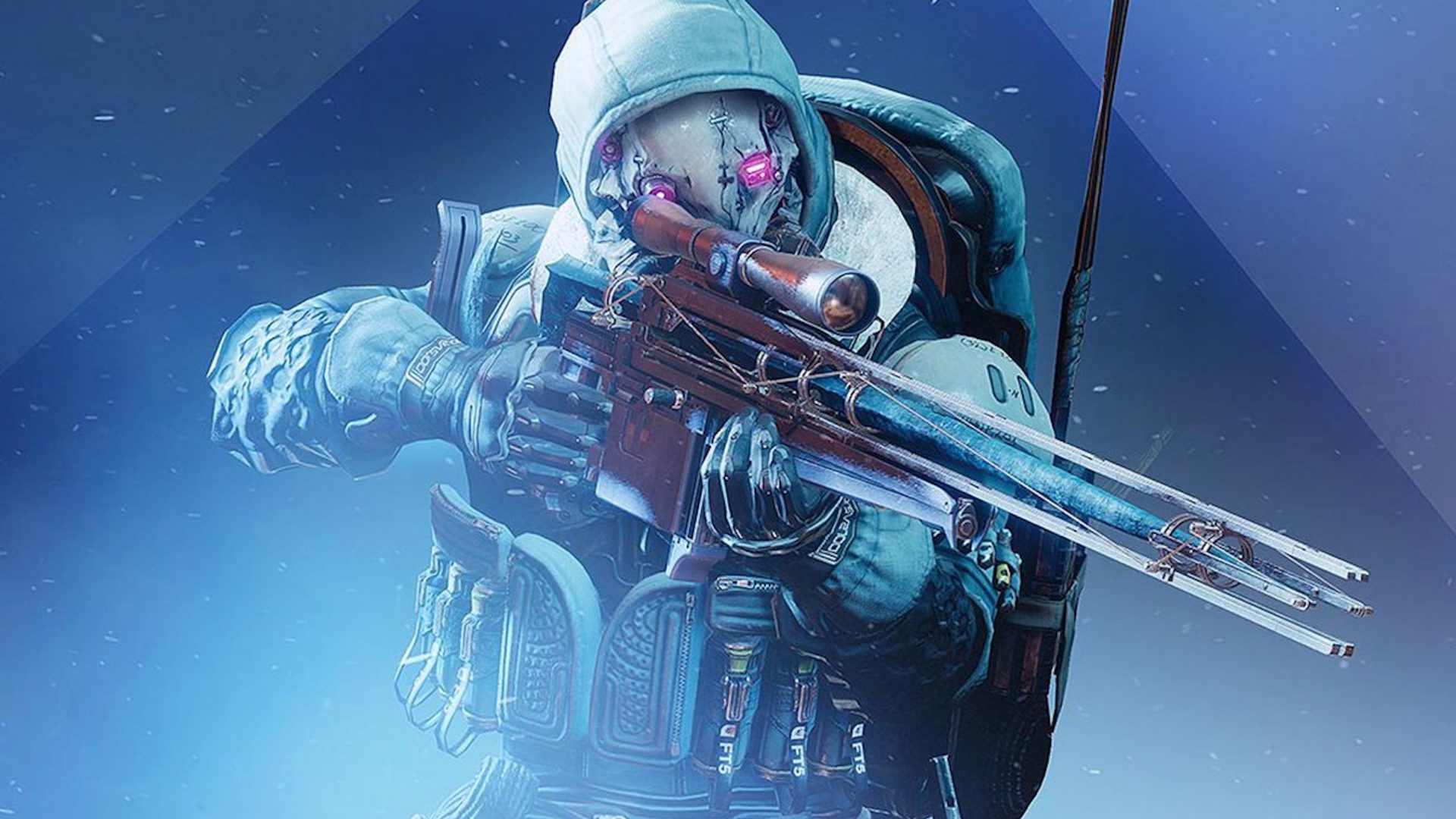
How good will Beyond Light be? There is no beta or anything similar for Destiny 2: Beyond Light, so everyone will be surprised again. The question is, between which 3 circles Destiny 2 Beyond Light will move:
- Will 2020 be the year with another weak expansion that seals the fate of Destiny 2?
- Will 2020 be a “good” year like The Taken King and Forsaken, where it remains relevant for 6 weeks and excites players? Especially with the new consoles on the horizon.
- Or will 2020 even be the year when Destiny 2 finally fulfills its 6-year-old promises? Will we really see a significant change and improvement in 2020?
I believe: Beyond Light will be a good to very good expansion, similar to The Taken King.
The special thing could be that Bungie succeeds in delivering more good expansions in 2021 and 2022. Then we could have “proper Destiny” that captivates and entertains us for at least 6 weeks each year. However, Bungie is far from making the game constantly grow and keep players engaged throughout the year.
I don’t see how this could be possible in a PvE game without innovative ideas that go beyond a content vault and a coherent, logically consistent story.
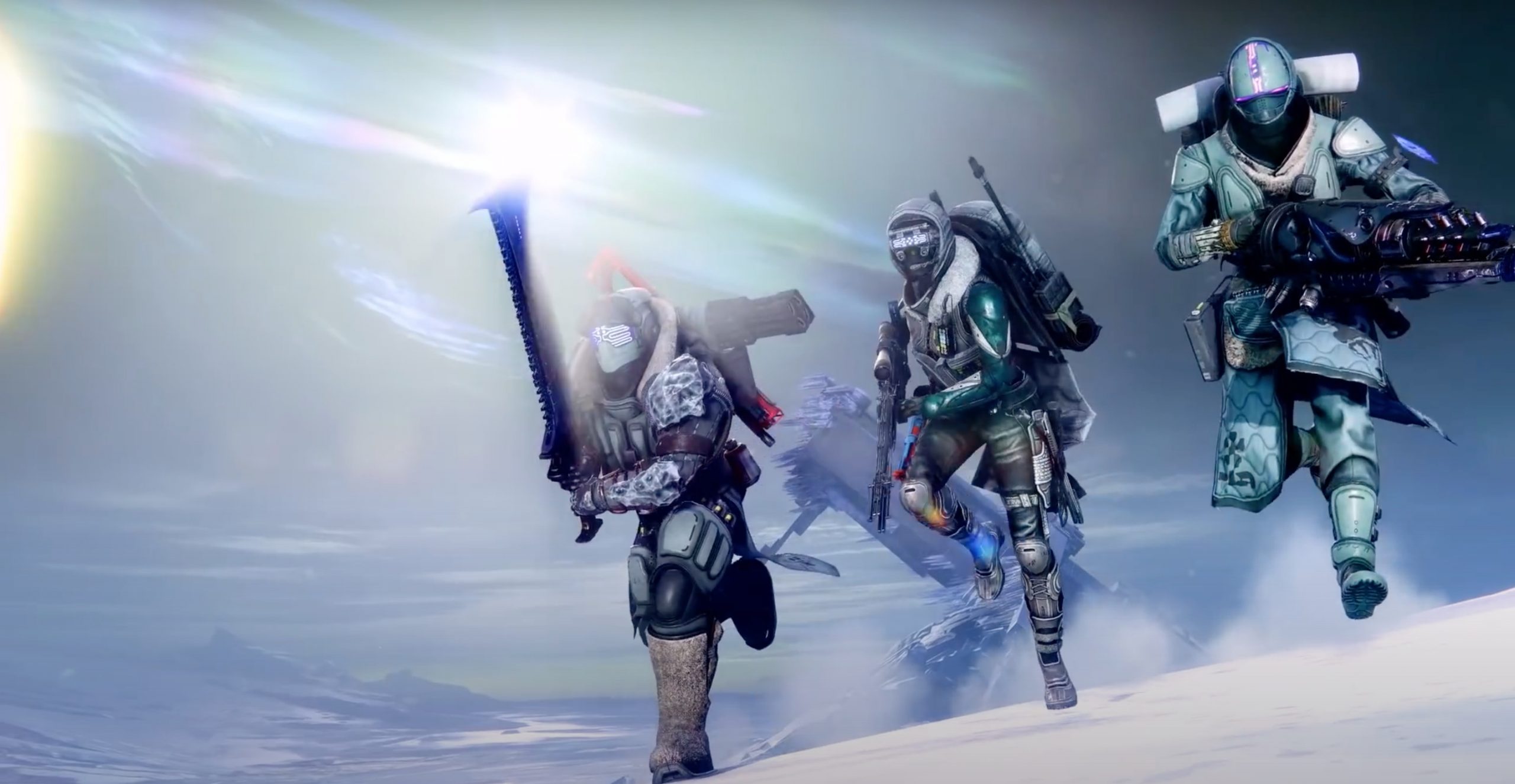
In any case, we are approaching the most exciting point in Destiny since 2017, since Destiny 2 was released and was so bitterly disappointing.
Destiny 2 Beyond Light will be released on November 10, 2020.
The expansion will decide how Destiny and perhaps the entire shooter market will continue in the coming years.

The last 2 years, since the highlight “Forsaken,” have been bitter for fans of Destiny 2. There were highlights and ideas, but also a lot of downtime as Bungie regrouped. The tipping point was the separation from publisher Activision Blizzard in January 2019.
We take a look at this time at MeinMMO:
Destiny 2 without Activision Blizzard was supposed to be great, but has been disappointing so far.

Your opinion is important to us!
Do you like the article? Then let us know!