

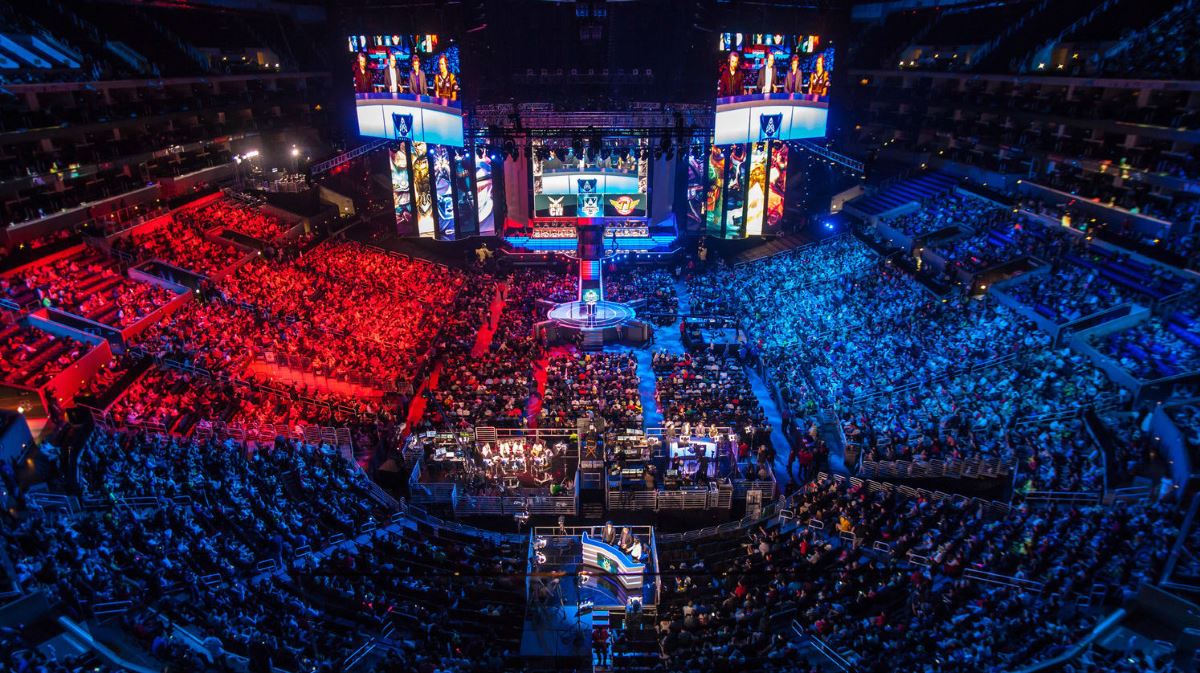
Over the past few years, the topic surrounding video games has changed significantly. I do not mean any game trends, genres, or virtual reality gimmicks – no! I mean gaming itself.

It undergoes a huge image transformation, which positively affects us gamers. Since video games have existed, the community has been struggling with typical clichés like: “Gaming is boring”, “that’s only for kids”, or “only freaks/nerds play that”. But how should outsiders know any better when mainstream media portrays gamers as aimless, unwashed, pale, and lonely? Yet slowly but surely, a change in mindset is occurring within society.
A significant contribution to this transformation is made by eSports and streaming platforms like Twitch. With massive tournaments, prize money in the millions, and a global audience, “gaming” is becoming a cultural asset with a cool factor.
The Power of eSports
Soccer has the Bundesliga, football has the NFL, and gamers have the ESL. eSports is the abbreviation for “electronic sports” and refers to competitive playing of computer and video games. One might assume this is a league for extraordinary super nerds, but the opposite is true. Those who make it to one of the top teams in the ESL can make a living from their passion, and often quite well.
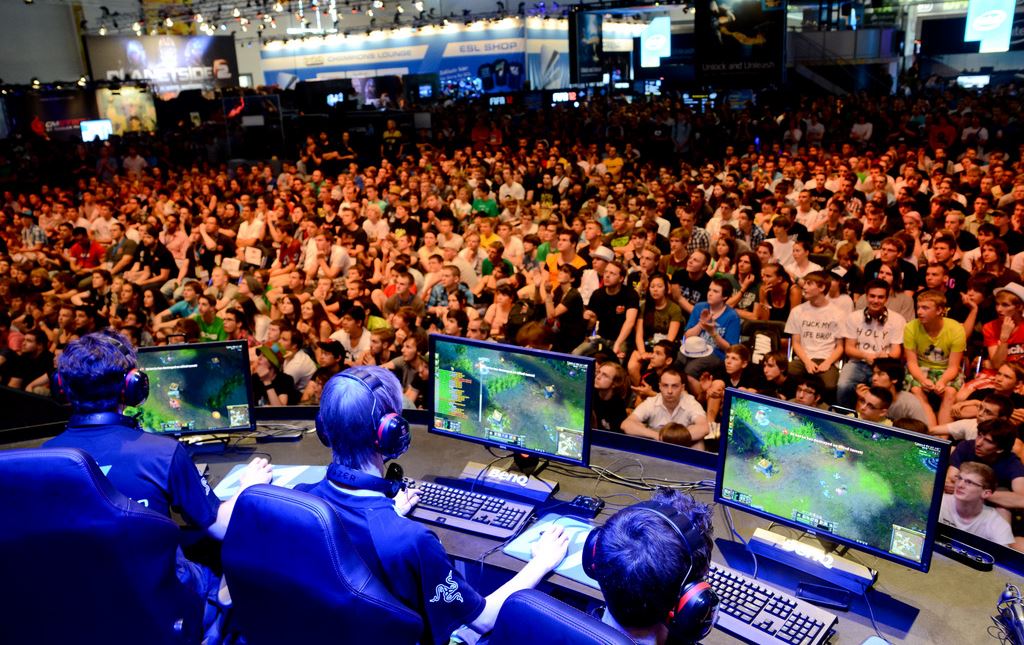
Prize distributions in the millions have become standard, and that’s not all: Major publishers like Riot from League of Legends hold their own tournaments with even higher prize pools. Winners are not only rewarded with a lot of money but also lucrative advertising and sponsorship contracts that secure a steady income. Although eSports is still not classified as a sport by the German Olympic Sports Confederation, this does not hinder the success of pro gamers.
Gaming as a Profession
The more popular a sport is, the more money can be made from it. And if I earn something, then I am not unemployed; I have a job. Thus, the term “ProGamer” is not a title in a role-playing game, but a type of “profession”. An annual income of €100,000 is not uncommon. The sum consists of contracts with advertising partners and sponsors, as well as merchandise.
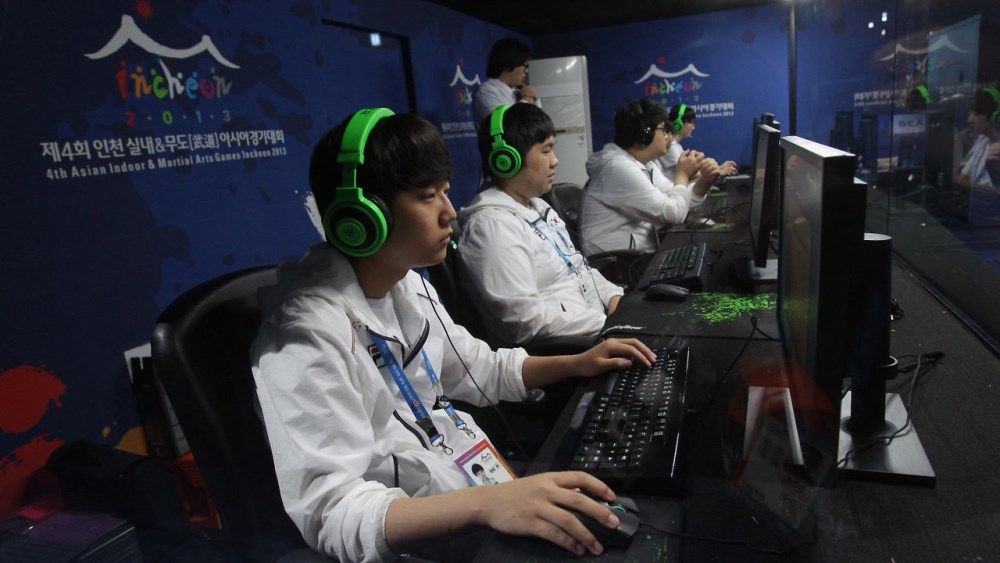
Other attractive jobs await in the gaming scene. In addition to typical professions like game developer, designer, or Mein MMO editor, eSports also offers opportunities for a professional career. All professional teams in the leagues have managers, coaches, strategists, and even sports psychologists who support the entire venture in the professional realm of computer gaming.
A Career Ending Does Not Necessarily Mean Bankruptcy
However, one should be aware that the career as a ProGamer does not last as long as, for example, the already short career of a soccer player. Furthermore, it can happen that a game falls out of fashion, and though you are still good, no one is interested.
However, all players and teams in eSports and the realm of professional gaming have sponsorship and advertising contracts with high-profile companies like Intel, Razer, or Logitech. If you manage to navigate your career wisely and build a network within the sponsors, you can secure a good job with a former partner even after your career ends. Or you can pass on your experiences as a coach or manager to other teams.
You Can Even Study Computer Games
It is now even possible to study computer science. The University of Bayreuth is offering the computer science course for the first time in the winter semester of 2015/16. However, anyone who thinks that this means gaming all day is mistaken. It is about the science behind the medium of video games. Similar to cultural and literary studies, the game only serves as a basis for analysis. Is this perhaps another indication that video games are encountering cultural acceptance? I do not know…
Online Games – A Spectator Sport?
No matter if League of Legends, Dota 2, Smite, or CS:Go – all these online games fill entire stadiums with supporters and fans. Even at home in front of the screens, it’s a state of emergency: Live broadcasts of the games are watched millions of times. Yes, there’s even public viewing now. The PC games that were once mocked have become a successful spectator sport. They evoke emotions and bring crowds of fans to a boil.
From Super Nerd to Superstar
Long gone are the days when the word “gamer” conjured up images of a nerdy, rebellious PC freak who dives into a virtual game world for hours in his parents’ basement. The super nerds are now multi-millionaire superstars in the scene with villas and pools in their gardens. Instead of World of Warcraft posters, the walls of pro gamers are adorned with lingerie and swimwear from groupies. A prime example is former League of Legends pro Ocelot. He is a kind of figurehead of the LoL scene and has built a small empire through savvy self-marketing.
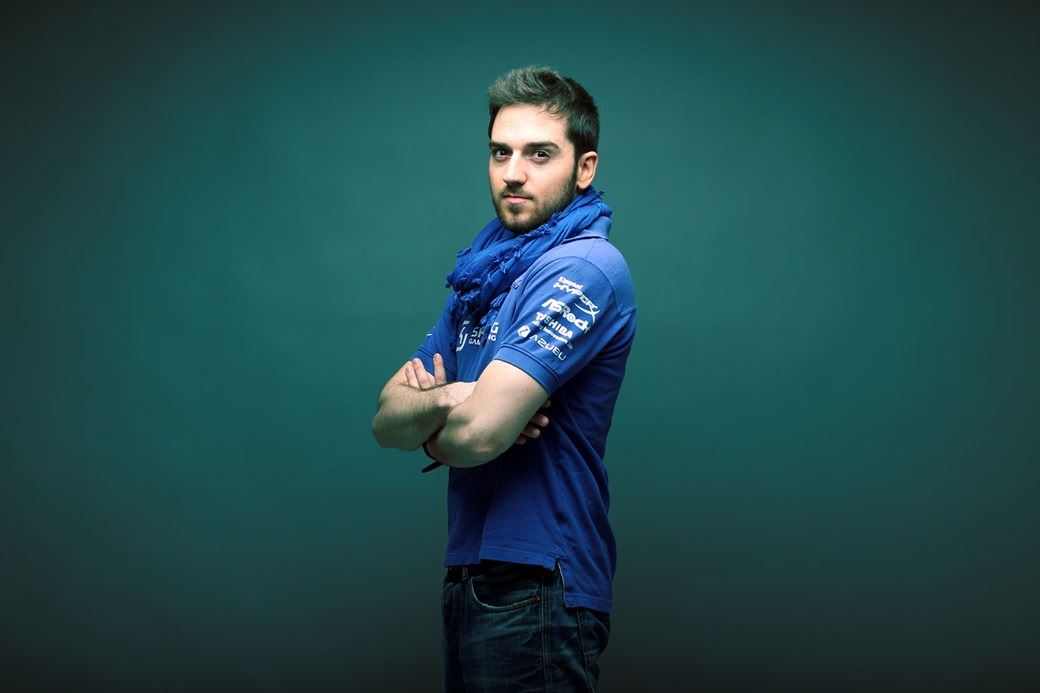
Although he never won a title with his team SK Gaming in the big tournaments, he basks in fame and glory. He not only disproves the stereotype of the ugly nerd but also demonstrates the true qualities of a businessman. His own shoe and sock collection, sponsorship and advertising contracts, tons of merchandise, and his own League of Legends team that he personally manages. On the side, he is also a successful streamer.
Twitch.tv Offers Space for Showmen, Professionals, and Everyone
Twitch is far from being a nerdy TV format for gaming freaks: With 100 million viewers who follow the streams for 16 billion minutes every month, gaming is becoming a ratings hit. In addition to countless games, all major tournaments in the scene are broadcast live. Anyone with the desire and a stable internet connection can share their gaming skills with the world. Those who cannot impress with “skill” do so with creativity – entertainers and likable personalities can gather a large number of followers. With emotions that the game characters often lack, witty comments, and anecdotes, they delight their viewers from stream to stream.
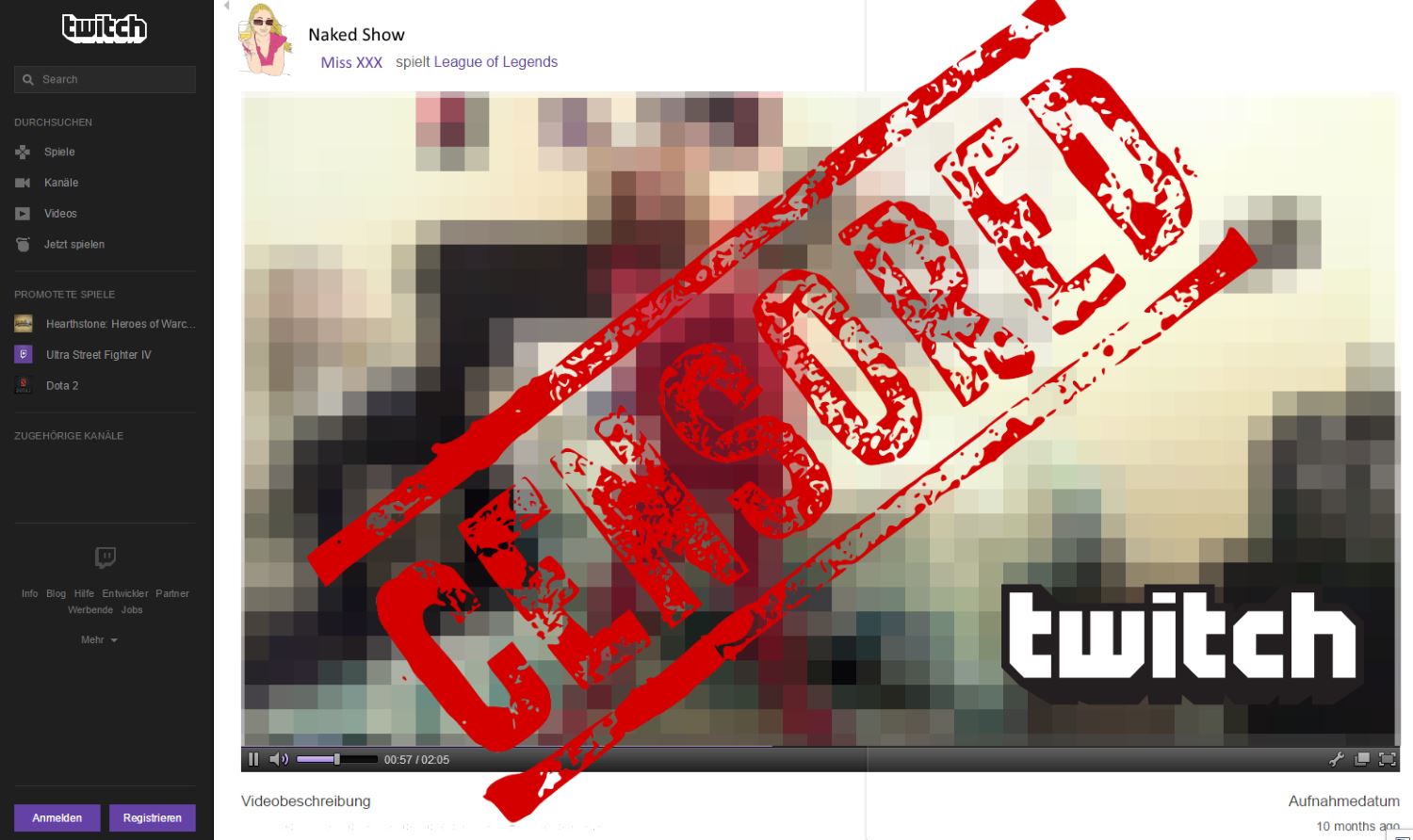
The financial aspect of a successful stream should not be underestimated either: Top streamers on Twitch can rake in substantial extra cash just from community contributions. Additionally, there are paid subscriptions, advertising, referral links, and a revenue share that Twitch pays to its partners. Twitch is becoming increasingly popular among female gaming fans. Those who skillfully showcase the advantages of the female body can expect to receive galactic donations from viewers – in line with the motto “The more wood in front of the cabin, the bigger the donation”.
And What About MMORPGs?
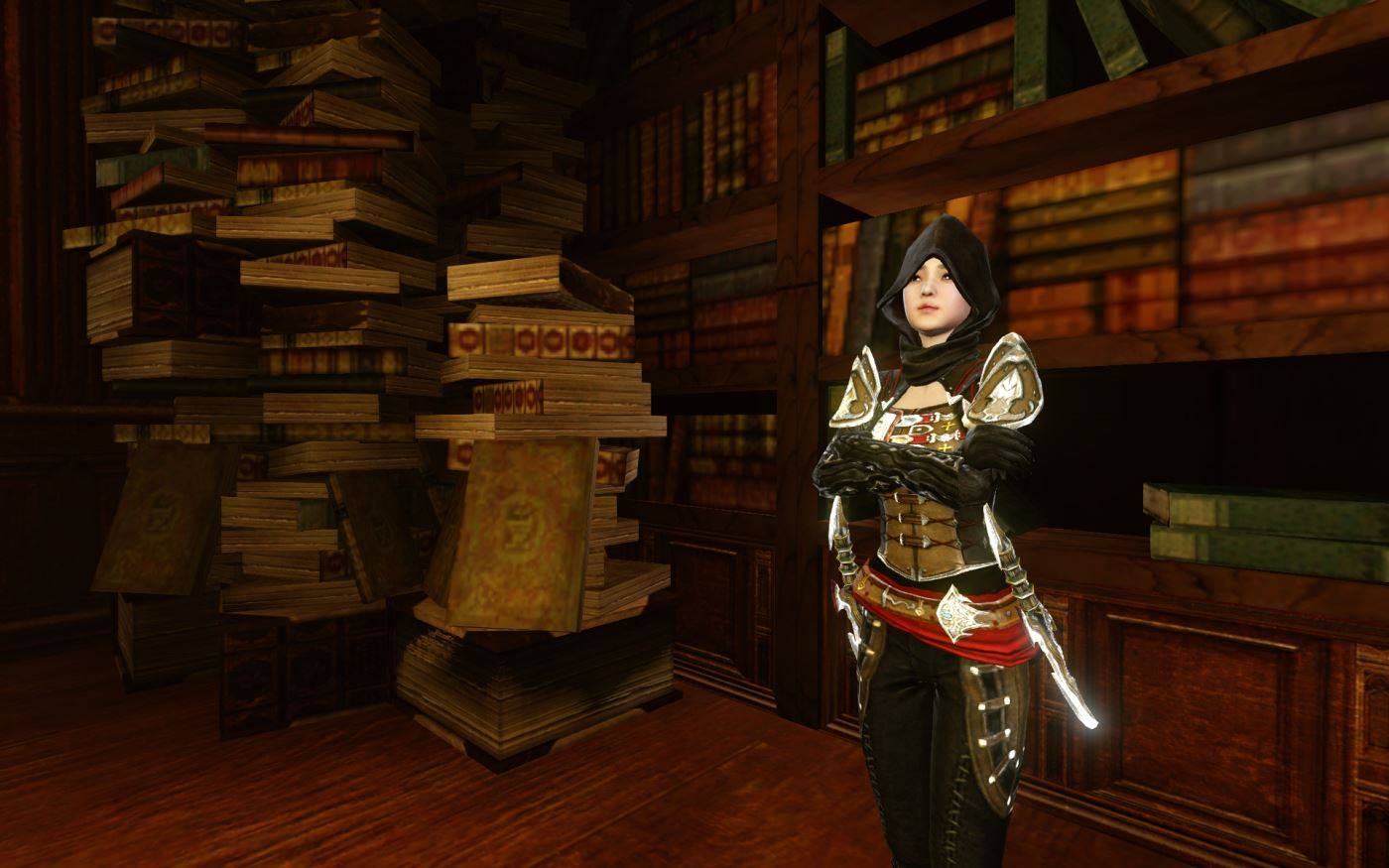
In my opinion, MMORPGs have not really jumped on the success train of eSports and the image transformation – at least, that’s how I perceive it. The only noticeable change in the MMORPG genre – aside from a few exceptions – is the player count, and that’s negative. A larger upheaval is needed here. In my opinion, it lies in the fact that many MMOs hardly offer “competitive gameplay” that is suitable for competition. Thus, they are far removed from the trend of the gaming scene. Casual play was yesterday. Nowadays, the youngest generation of gamers wants to compete with other players, rank up, and achieve successes. While almost every role-playing game offers a PvP mode, this is not “balanced” enough thanks to the variety and the good old item spiral. The only one that comes to mind is Guild Wars 2, which is trying to establish itself in the eSports sector – with currently little success. Are MMOs and eSports perhaps a bad combination?
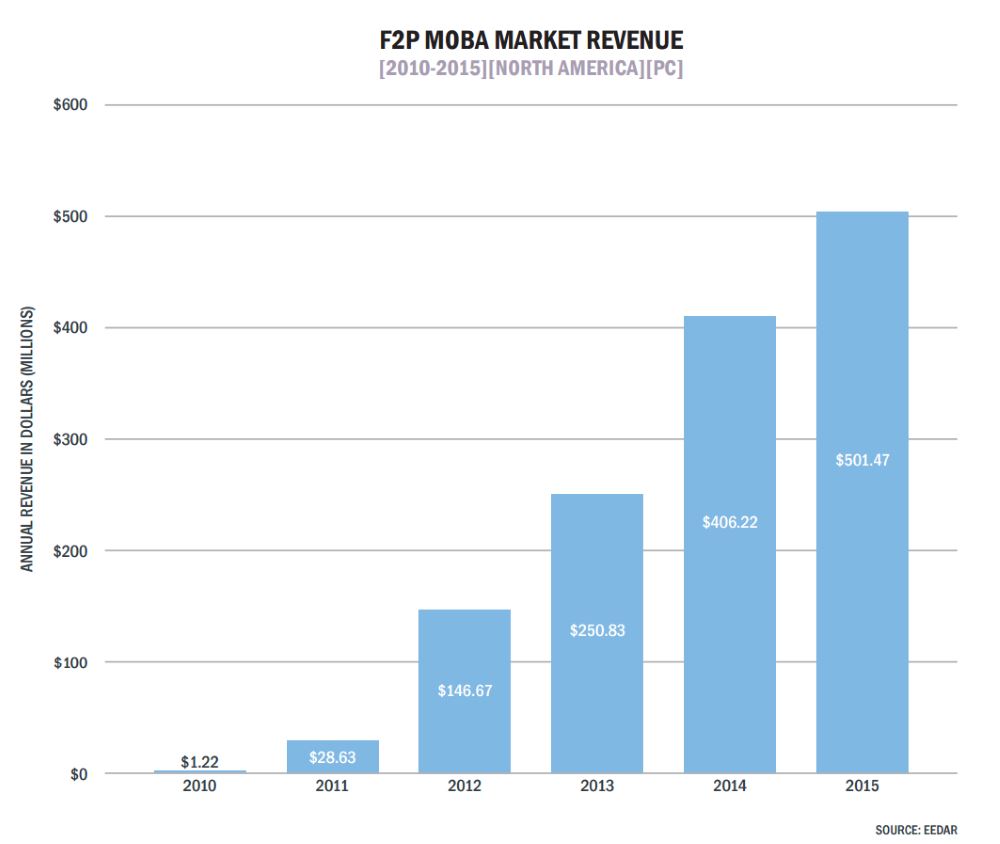
In my eyes, the gaming scene has taken a huge step forward. With the steadily growing eSports scene, new professions are emerging alongside more and more games with a competitive gameplay system. MOBAs and shooters are at the forefront of the trend, taking the pole position. MMORPGs, on the other hand, are missing this trend. Additionally, the topic of gaming is gaining more and more social acceptance due to, for example, its own degree programs.
I would naturally like to hear your perspective: Do you view the development of video games as positively as I do?

Your opinion is important to us!
Do you like the article? Then let us know!