In the Pay to Play model, the player pays a monthly fee to participate in the events. Usually, this also requires a purchase of the online game itself. Typically, the subscription starts in the second month, so the first month does not demand any additional payment. In comparison to the Free to Play model, a free entry into the game is only possible through certain actions that allow testing the game for a limited time – for example, by inviting a subscriber or in the form of trial days.
Operators of high-quality online games, which have already consumed millions of euros in their development, mostly rely on a paid model. P2P games are generally popular for their good support. Due to the regularly generated and thus predictable revenues, developers may also find it easier to create content on a more future-oriented basis – this can bring advantages both in the quality of the content and in the update cycle.
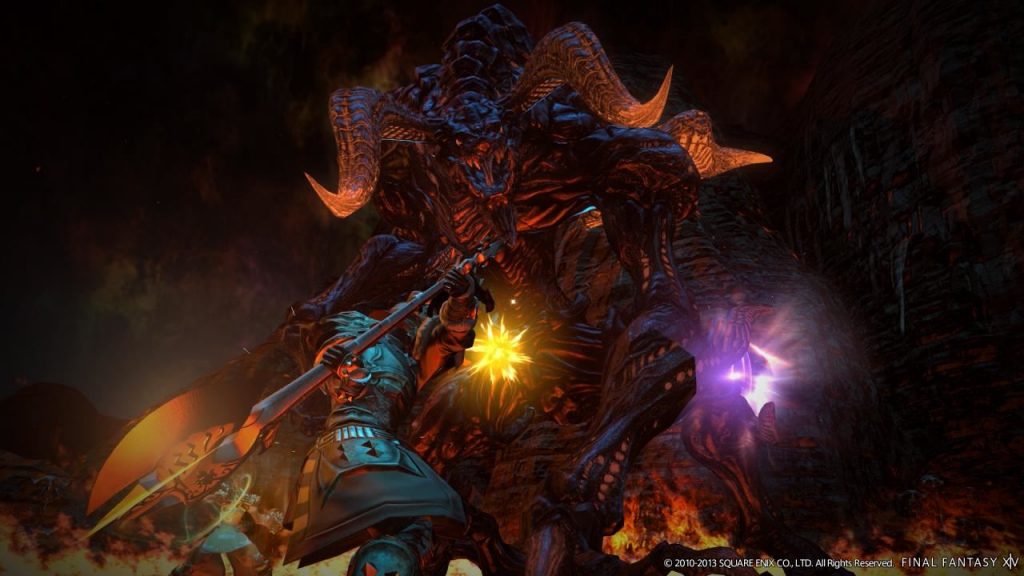
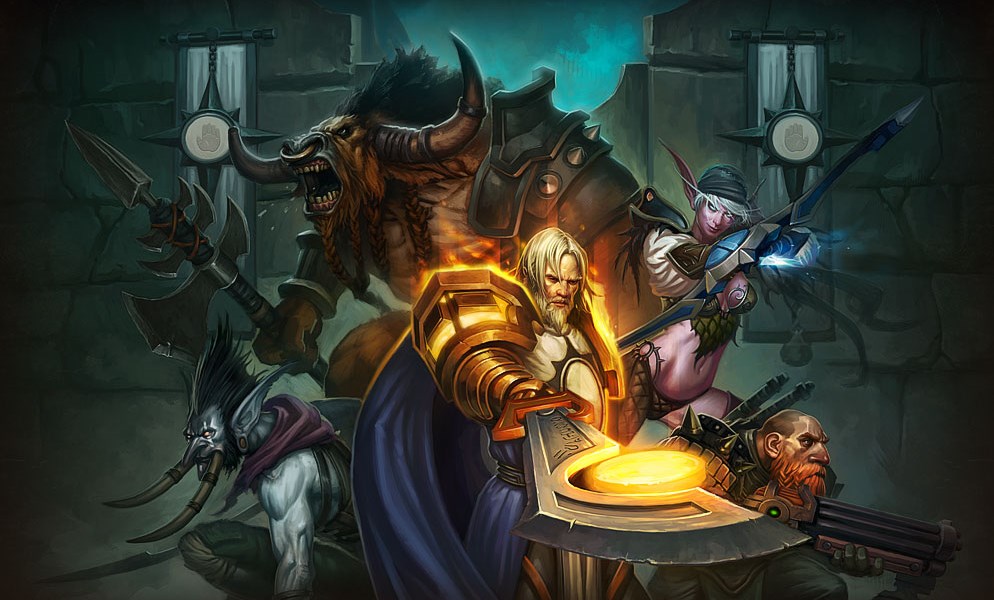
Another advantage is that one can completely avoid the influence of a shop – it is not possible to rise to the top with real money input here. Furthermore, the average age is higher than in the free variant, which may lead players to encounter more like-minded individuals. The cost of a monthly subscription amounts to about 12 euros. Especially successful in this regard is World of Warcraft by Blizzard, an MMORPG that has been able to bind several million subscribers for many years. The providers of P2P games see the challenge in creating a game where consumers see the advantages of this model and consider a monthly payment justified due to the quality. Another example of how it can work well is shown by Square Enix with Final Fantasy XIV: A Realm Reborn.
The P2P model is on a downward slope, or is it not?
However, in recent years, there have been rather negative headlines because quite a few projects had to abandon the P2P model in favor of the F2P model (including Tera, Aion, Rift, and Star Wars: The Old Republic). They either could not retain enough players to remain profitable or faced the conflict of paradoxically being able to earn more money with a free model. Players criticize the Pay to Play model for its lack of flexibility, and the competition that relies on a free entry is now at a very high level in terms of quality.