Valve is being sued: The allegation is that they operate illegal gambling with CS:GO.
At first glance, it sounds bizarre, but upon closer inspection, it makes sense.
The allegation: “Valve operates illegal gambling.” They knowingly allow it and support millions of Americans in illegal gambling. Other sites also profit from trading and betting with “CS:GO skins.”
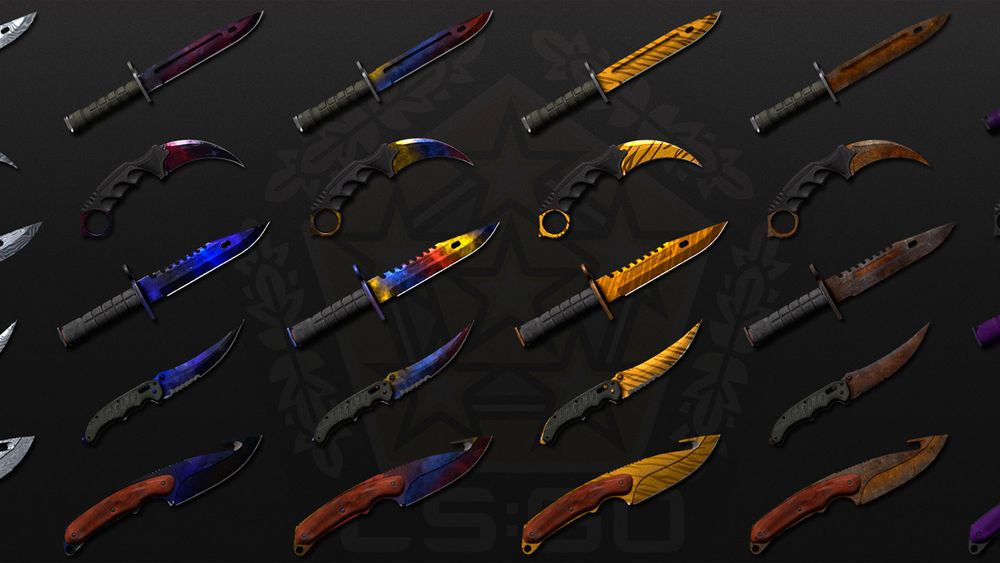
Following the logic of the lawsuit filed by a U.S. citizen, CS:GO skins are equivalent to chips in a casino. They have monetary value, can be directly exchanged for cash because there is a thriving trade of these skins for cash. Valve profits from this “trade” by taking their cut.
CS:GO – Betting with skins is a 2 billion dollar business involving many minors
The plaintiff further states that third-party websites that specialize in trading do not verify the age of their customers, allowing minors to make illegal bets. A large portion of those trading and betting with CS:GO skins are under 21, according to the plaintiff.
According to information from Bloomberg, the CS:GO market amounts to 2 billion US dollars. Bloomberg had examined trading in CS:GO in an article. They reported that players bought skins for cash and then placed bets on CS:GO professional matches with those skins. Since knife and gun skins can be converted directly to cash, betting with skins is the same as betting with real money, Bloomberg concluded. This logic is now being used by the plaintiff against Valve.
The plaintiff claims to have bought skins and placed bets even as a minor, losing money, and is now suing Valve, the company behind the online platform Steam and the developer of CS:GO.
It will be interesting to see how this turns out.
When viewing the “virtual world” according to the rules of the “real world”
Here in CS:GO, while it’s not about loot boxes, betting with a money equivalent on the outcome of eSports matches… it all makes sense.
In the USA, there’s currently a “legal sports betting craze” with fantasy football betting that does everything to not be classified as gambling, but as a “Game of Skill.”
This is an AI-powered translation. Some inaccuracies might exist.