
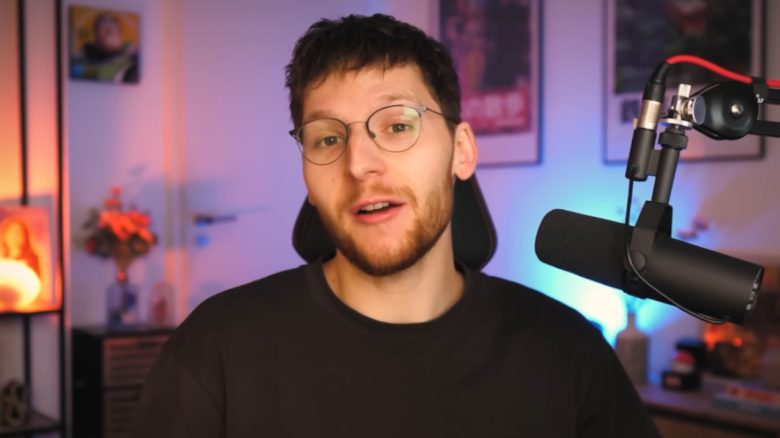
The YouTuber Timon “Klengan” has previously dealt with the topic of reactions on YouTube and Twitch. Now he processes the reactions to his proposal made at that time and also asked YouTube itself what they think about the topic.
What is the “Money Glitch”? The content on Twitch and YouTube covers many different topics, but one topic is dominant on both platforms: reactions. Twitch streamers watch a YouTube video together with their viewers in their live streams and react to it. Later, this reaction is uploaded to a usually specially created YouTube channel.
The uploaded reactions can earn Twitch streamers a lot of money. The YouTubers who created the content go away empty-handed. The Twitch streamer MontanaBlack, for example, makes the most money each month with channels that aren’t even his, but rather upload reactions and other stream highlights.
This phenomenon is not only widespread in Germany, but also internationally in the YouTube and Twitch world.
The YouTuber Klengan has previously addressed this issue and highlighted the problem that content creators who create the original content do not earn money from reactions. He himself is also affected by the problem: His videos generate significantly fewer views than the reactions to them.
In his previous video, he revisited the proposal of YouTuber Robin “RobBubble” Blase: There should be a revenue split, where the income earned from a reaction goes to both the reactor and the content creator. Klengan suggested splitting the revenue either 50:50 or 70:30. For this, YouTube as a platform would need to implement a corresponding tool.
“Unbelievably cumbersome solution”
What is the further problem? YouTube has not yet implemented a tool for revenue splitting, but there has been another tool for some time: collaborations.
This way, YouTubers can also show their collaboration on the platform. A YouTuber uploads the video and can set which other YouTuber contributed to it. The video is then displayed to both audiences in the subscription box or on the homepage. However, only the channel that uploaded the video retains all the revenue, clicks, and watch time; they are not shared.
What seems like a proposal for more visibility on the platform, Klengan however sees as a problem when it is handled as a solution for reactions. He states:
This is such an unbelievably cumbersome solution, because maybe it’s not just Trymacs reacting to the video from Tomatolix, but also two, three, five, or ten other people. If Tomatolix were to accept all these collaborations, all his viewers would be flooded with these reactions to a video they have already watched with him.
– Klengan via YouTube from minute 19:54
Furthermore, Klengan adds, this could lead to even fewer clicks for Tomatolix in this example, as he would indirectly refer his viewers to the reactions.
Twitch streamers are in favor, YouTube says not much
What do Twitch streamers say about the topic? In his new YouTube video, Klengan processes the reactions of German Twitch streamers to his proposal to share revenue. The result is surprisingly positive: The Twitch streamers see the problem just like Klengan and would find a corresponding split fair.
What does YouTube say about this? Klengan directed his proposal to the platform itself and was able to speak with someone at the company. However, he is not allowed to publish the messages and cannot reveal much of the content of the official reaction either.
The only statement Klengan was allowed to read was:
Reaction content is a legitimate part of internet culture. At YouTube, we do not fundamentally evaluate them as good or bad. However, if a creator wants to earn money on YouTube, they must comply with our monetization policies. These clearly state that content must be original and authentic and must serve to entertain or educate the audience—not just to attract viewers.
– YouTube spokesperson via YouTube
Klengan described this statement as “not very informative”. The contact person at YouTube also additionally told Klengan that a problem that needs to be solved must always be global in nature for corresponding changes to be made.
Here you can watch the entire video of Klengan on the topic:
The YouTuber found an older interview with SPIEGEL journalist Markus Böhme with YouTube’s vice president: Amjad Hanif. There, Hanif was also addressed about the topic of reactions and why no fair financial solution has yet been found.
In summary, Amjad Hanif suggests that the “exposure” that creators gain through reactions should be enough for creators. Furthermore, a revenue split is too complex, as reactions are often also made to other reactions, leading to many participants.
Therefore, no changes from YouTube regarding reactions are planned.
The argument about “exposure” is an argument that has also been used in the past by Twitch streamers. For example, the career of Twitch streamer and YouTuber Florian “Varion” Kiesow greatly benefited from reactions. He started on YouTube with sketch videos, which then caught the attention of big Twitch streamers, who reacted to them and indirectly sent their viewers over to Varion.
However, Klengan believes this cannot always work, especially not for larger channels. If a YouTube channel is already very large, this “exposure” would no longer bring much. Most viewers would already know the channel and would prefer to watch the reactions with comments from their favorite Twitch streamers instead.

YouTube seems to have no ambitions to solve the problem surrounding reactions in the near future.
There are cases where content creators do not want their content to be reacted to. Sometimes this can even be directed against specific individuals, as in a case involving YouTuber and Twitch streamer Fritz Meinecke: “I make many enemies with this” – Fritz Meinecke receives a ban for the money cheat on Twitch

Your opinion is important to us!
Do you like the article? Then let us know!