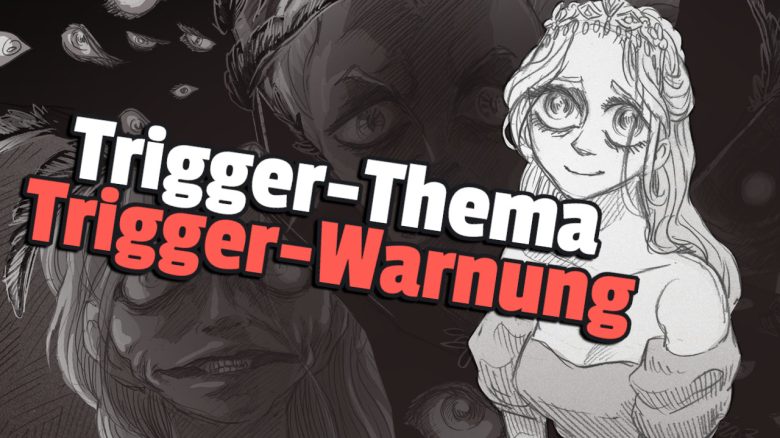
Trigger warnings in games are a topic that is often ridiculed. However, some games seem to have found the perfect solution.
When games tackle hard topics such as a high degree of brutality, suicide, sexual violence, or psychological torture, they are usually pointed out. However, these trigger warnings are not well received by everyone, as they can sometimes diminish the fun of a game. The community has discussed solutions for this – and found a good way to ensure everyone might be satisfied.
What is the problem with trigger warnings? So-called “trigger warnings” or “content warnings” are now increasingly common in games. For instance, the horror game Outlast provides extensive warnings about its content by pointing to “violence, bloodthirstiness, graphic sexual depictions and profanity”.
The problem is that many games give away in advance what kind of development the game will take, and that can be detrimental to the player experience.
A prominent example is “Doki Doki Literature Club” – a game that appears to be a romantic visual novel at first glance, but then drifts into a horror-psycho trip and surprises the player with drastic twists. However, it is not really “surprising” if you have already been warned in advance.
DevastaTheSeeker writes in the gaming subreddit:
Content warnings are a relatively new trend in games.
Many people associate this with the idea that some gamers are too “soft”, which is stupid. People deserve to know what they’re getting into, but at the same time a game can try to undermine your expectations and then such content warnings can ruin that.
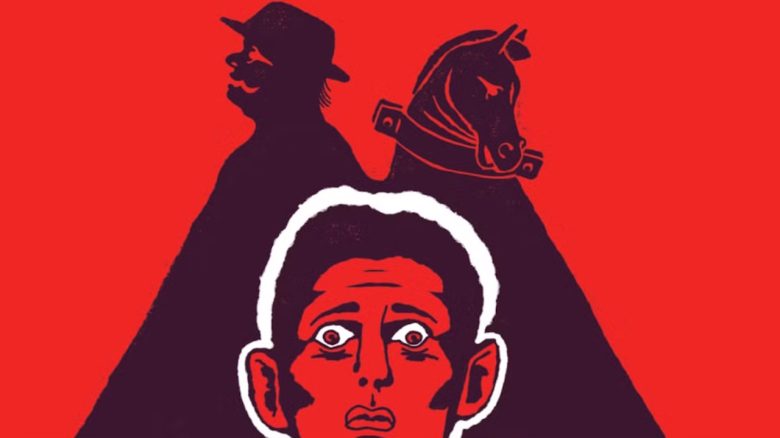
Which game does this well? As a positive example, “Slay the Princess” is mentioned. Upon starting, the following warning is displayed:
“This is a horror game and not suitable for all viewers.”
This doesn’t reveal too much and still provides a warning. Those who want more information receive a link to a list of the themes present in this game.
This way, the decision ultimately lies with each player regarding how much they want to be warned in advance. Those who know that bloody violence might provoke discomfort can inform themselves beforehand. Conversely, those who do not want spoilers about the content can ignore them.
The content warnings are not “forced” upon players by being prominently displayed in the game, but rather point out that they can be read elsewhere.



DrNomblecronch writes about this:
That’s … a shockingly simple solution, indeed. I kind of love it.
“This will be quite hard for some people, but we can’t tell you more without spoilers. If you think you might be among those who could find this difficult, we can divulge the details because it’s important for you to know if a game will actually cause you distress and not just fictional scares. At the same time, it’s your decision and we trust you to make it yourself.”
What is your opinion on content warnings in games and the potential spoilers they may imply? Should all games do it like in the example of “Slay the Princess”? Or do you have a better idea?