

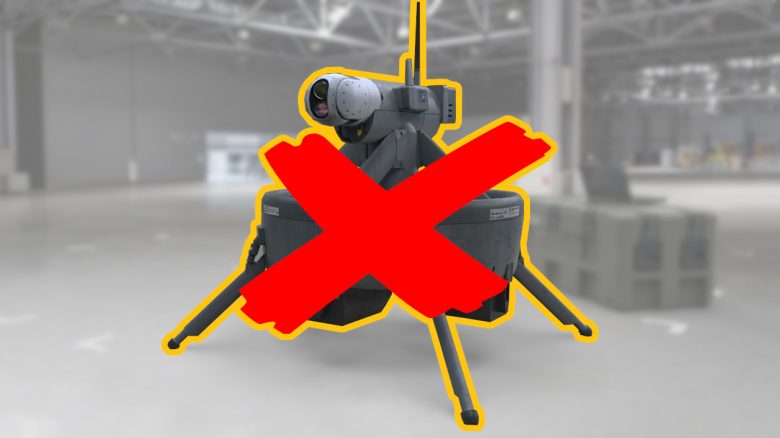
For a short period, players in Call of Duty: Warzone could find a killstreak that wasn’t supposed to be in the game at all. It turned out to be quite powerful, even though it has some weaknesses. Now it has been removed in its current form.

What kind of killstreak is it? It is about the Counter UAVs, which were found in the game at the beginning of July. These drones disrupt some of the technical gadgets and especially limit reconnaissance, causing enemy drones and mini-maps to not function properly.
Using a drone in a specific area causes players to lose sight of their map and, consequently, they can no longer see where the gas circle is and in which direction it is closing.
A well-placed drone can easily take players out of action towards the end of a match. Although its disadvantage is that it can also be easily destroyed, this becomes particularly difficult when the circle is smaller without being detected.
Players have discovered the drones as loot in crates and have already shown videos on how best to use them:
Since the hotfix on July 9, the Counter UAVs have disappeared from floor loot and crates. You can no longer simply find them as instantly usable killstreaks in Warzone.
Will the powerful Counter UAVs return?
According to the gaming website VG24/7, it is still possible to call in a Counter UAV in Warzone when four UAVs are in the air at the same time. However, it seems finding them as loot from crates was unintended – so for now, they are no longer available as killstreaks.
However, the drones are apparently set to return, even regularly. According to a leak on reddit, the killstreak will be available for purchase at the supply stations. They might soon become one of the strongest items you should buy in every round. They are expected to cost $4,500:
We do not yet know exactly when you can expect the return of the drones as killstreaks. The upcoming playlist update, which is expected to be released on July 14, might bring back the Counter UAVs. However, you might also have to wait until the next Season 5, which is expected to start in early August.

Your opinion is important to us!
Do you like the article? Then let us know!