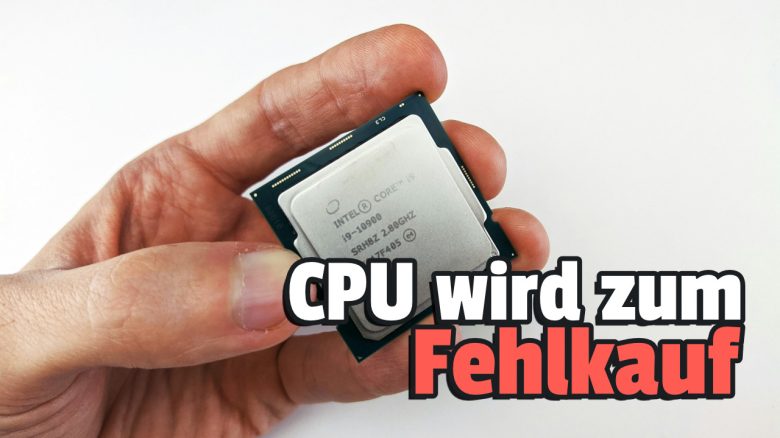
A young user buys a used gaming PC with an Intel i7 processor for 140 euros. However, he is not aware that the 10-year-old i7 CPU is not an upgrade to his existing system.
Purchasing a PC should never be done in haste. If you don’t inform yourself properly about the hardware performance beforehand, a nasty surprise regarding performance may await after startup. Such a beginner’s mistake when building and buying a PC should therefore be avoided as much as possible.
A similar experience has now happened to a 13-year-old user. He bought a used computer with an i7 processor to gain more performance. He did not consider the age of the CPU and was dazzled by the performance level. This lesson cost him 140 euros in learning fees.
Old Intel i7 processor is not a future-proof upgrade
What did the user buy? On Reddit, a user reports about his 13-year-old stepson who bought a used computer with an Intel i7 processor. According to the stepfather, the young gamer hoped for a performance upgrade.
Based on the CPU model number, the unaware gamer assumed that an i7 processor would be better than the AMD Ryzen 5 5600 processor in his notebook, regardless of its age.
The young gamer uses his current system for gaming and video editing. His goal was to achieve 60–120 FPS in 1080p resolution in games through a device upgrade and reduce editing times when creating videos from, for example, GTA 5.
Why is this not an upgrade? At the end of 2013, CPU manufacturer Intel released the 14th generation of its Core i processors. If the processor is really 10 or more years old and comes from the 2nd or 3rd generation, its performance is far below the level of today’s i7 processors.
Between the first CPUs of this series and the current models lie almost 16 years of technological progress, which does not apply to the included CPU coolers. With the number of CPU cores, their clock frequency, and better manufacturing techniques, performance increases continuously.
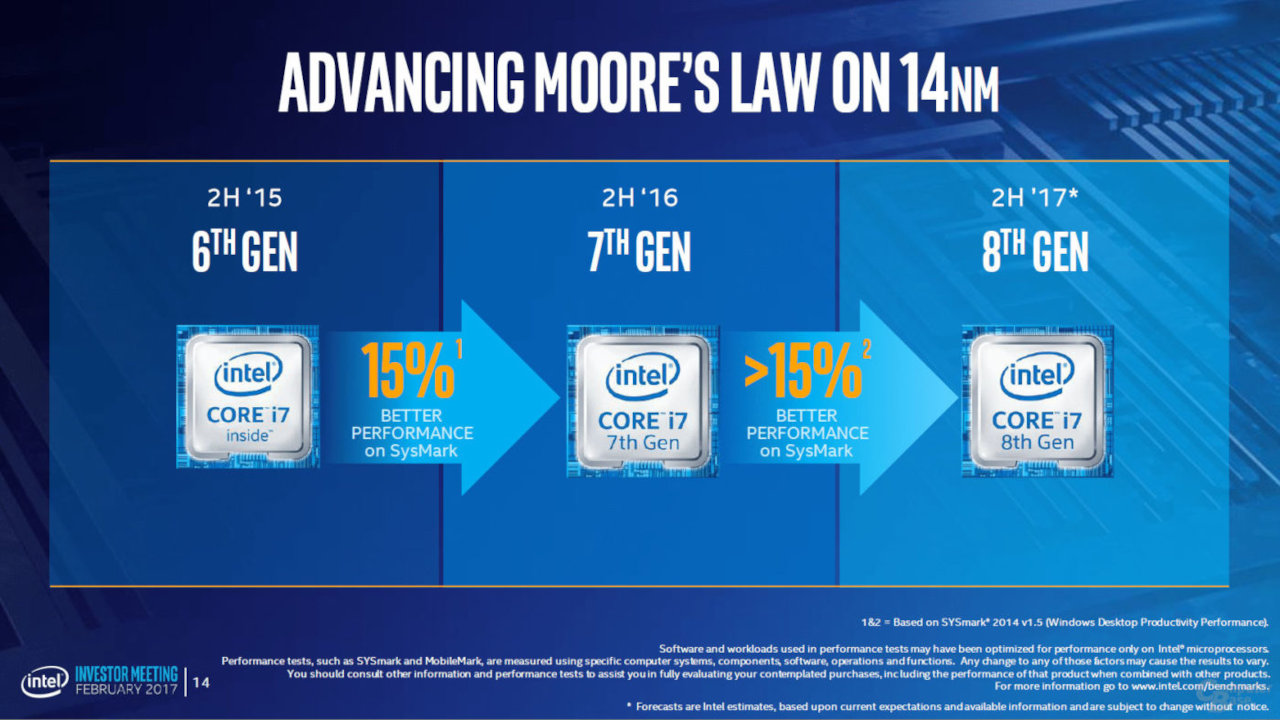
With each generation, there have been varying performance leaps. Ignoring the CPU generation and trying to rank performance solely based on the performance level (i3, i5, i7, and i9) can lead to false expectations about actual performance.
This means that an i5 processor from a younger generation can be more powerful than an i7 CPU that was released several years earlier. Therefore, when buying new or used processors, it is important to know in advance how significant the performance jump would be.



What can be done against a bad purchase? You should clarify in advance how much more performance you will need or want in the future.
A CPU is usually used for several years until it has too little performance for current and upcoming tasks, or could be damaged due to excessive temperatures.
There are many websites that offer a comparison ranking between different generations and the two CPU manufacturers Intel and AMD. These rankings often differentiate between several applications to ensure a transparent performance classification.
If your own processor is no longer listed due to its age, you can take action yourself and determine its performance with a benchmarking program. The achieved values can then be compared with the results from tech sites and other users.
A false expectation when buying PC components can lead to an expensive lesson if one does not properly inform oneself about the true performance of various hardware generations in advance. In some cases, however, the cause of missing performance is not the hardware itself, but the one who uses it: Player builds a gaming PC worth 1,800 euros, only has a meager 6 FPS in games – The solution is surprisingly simple