

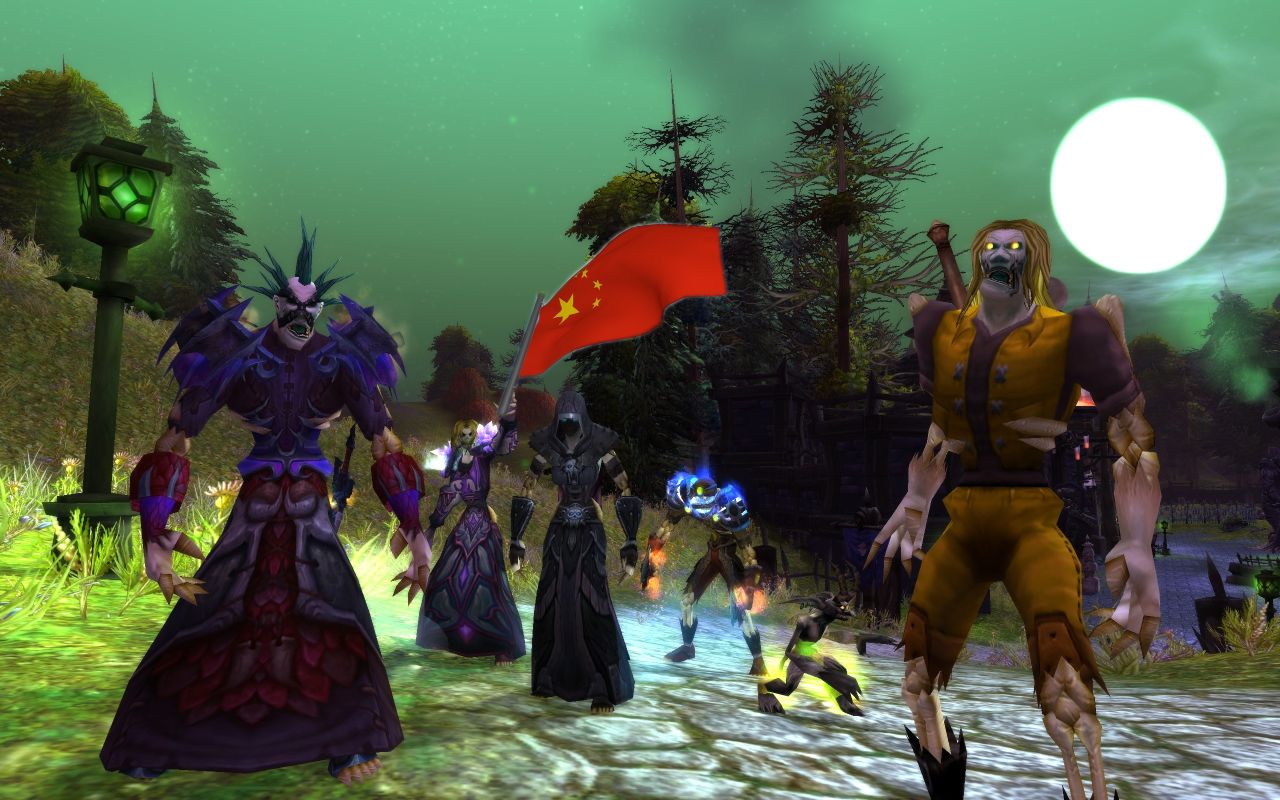
The massive gaming market in China has been stagnating for months. New regulations have now been issued that games must adhere to if they want a license for China. It seems the government is tightening the reins.
That has long been the situation: For many years, China was regarded as an untouched “goldmine” for western game developers. A vast market waiting to be tapped.
However, to make money with games in China, one needs a “license” issued by a Chinese government agency. It hasn’t been entirely clear what the rules are for granting this license.
It was long the practice for western companies to seek a Chinese partner to obtain such a license:
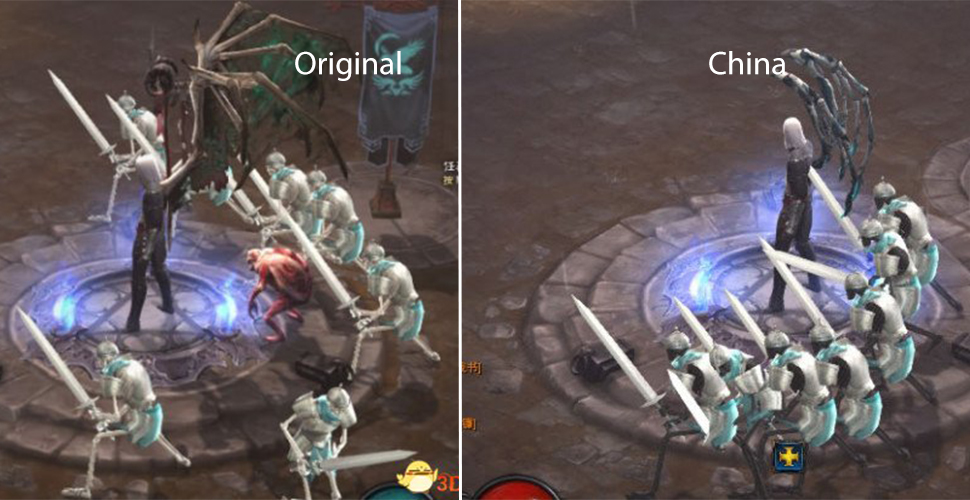
- For instance, Blizzard partnered with NetEase and altered games like Diablo 3 or WoW to obtain a license
- many other companies formed partnerships with Tencent, a huge corporation
If a foreign company, like the Koreans at Bluehole with PUBG, seemed to refuse to collaborate with a Chinese firm, a ban was quickly discussed, as the game did not align with the “socialist values”.
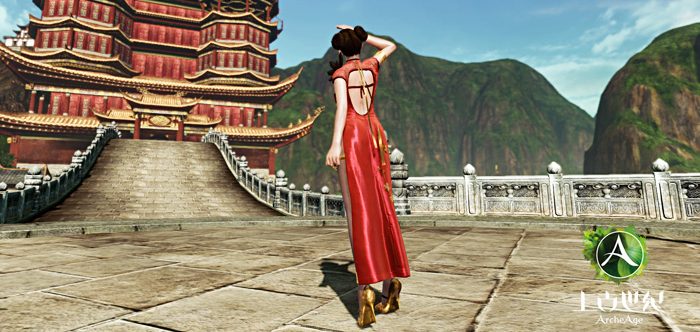
Developers are encouraged to portray Chinese values and culture in a way that casts China in a favorable light. This is apparently to ensure that China comes across well when the game becomes an international success.
Why is China doing this? According to Feng Shixin, the Deputy Director of the “Publishing Bureau of the Central Propaganda Department”, online games in China generate 30 billion US dollars a year. China has 600 million players. (via Venturebeat)
The gaming industry has grown so rapidly that the country’s regulations could not keep pace.
What impact will the new rules have? Experts believe that the limit on the approval of new games will hit especially “smaller studios” in China hard, which are not yet established in the market.
Smaller studios may also struggle to adapt to the new rules. They might find it challenging to implement “anti-addiction measures” as Tencent has already done.
Many teams without financial backing have already been killed by the months-long halt, as Asian expert Daniel Ahmad told Techcrunch .

Western firms believed that the large Chinese companies had so much influence over the government that they were safe from trouble when collaborating with them. After all, they were part of the committees.

This was the turning point: However, in 2018, a significant change occurred. The Chinese government changed its stance on video games.
Concerns were raised that especially mobile games could make “the youth of the country” nearsighted.
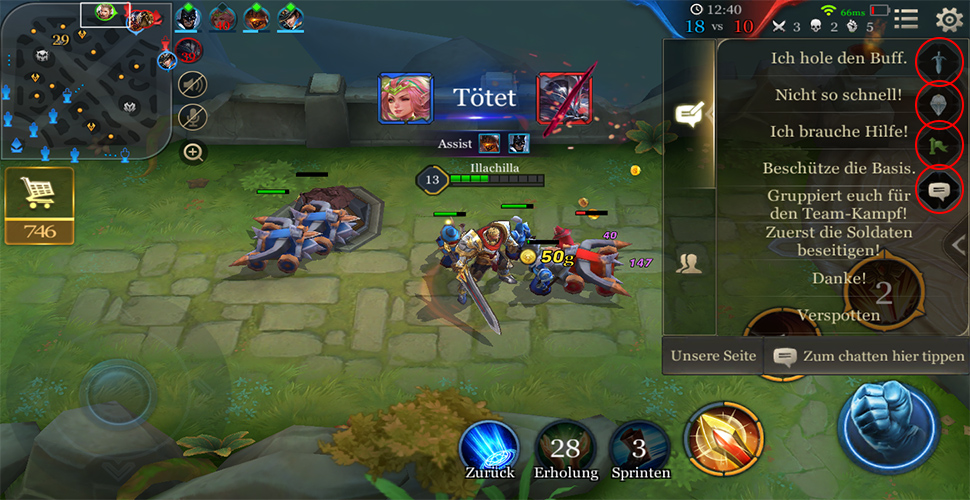
There was also concern that children could become addicted. Particularly “Arena of Valor,” a mobile version of LoL, made headline news in China for people completely succumbing to their gaming addiction, like a form of digital opium.
The company behind the game, Tencent, wanted to mitigate the impact with self-imposed restrictions on Arena of Valor, but it was too late.
In August 2018, China issued a “stop”: No new games were allowed. The stock value of Chinese companies like Tencent then collapsed when games like “Monster Hunter World” were suddenly not allowed to be released.
These are the new rules: By now, nine months later, the Chinese government agency has introduced a new process for approving games. It is clear that they are tightening the reins:
- It is said that they want to control the number of newly approved games
- Fewer variations of poker and Mahjong are supposed to go online – in 2017, 37% of the 8,561 approved games were variations of poker and Mahjong
- Additionally, there should be new “anti-addiction measures” – These will limit how much time and money one can spend on games

- Browser games must now be approved just like other games
- The new “Online and Gaming” committee will decide whether games meet China’s “social values”
- Blood will be completely banned – it is no longer sufficient to just change the color
- Corpses may no longer be displayed
- Games may not deal with the imperial history of China – this apparently concerns two genres “gongdou,” intrigue in the harem, and “guandou,” palace intrigue. Both are popular settings in China that appear in TV series (via techcrunch) – this relates to sex and corruption in politics, which is something China does not want.
- The registration process will be more specific. Companies will need to submit more and detailed information about their game in advance
Developers are encouraged to portray Chinese values and culture in a way that casts China in a favorable light. This is apparently to ensure that China comes across well when the game becomes an international success.
Why is China doing this? According to Feng Shixin, the Deputy Director of the “Publishing Bureau of the Central Propaganda Department”, online games in China generate 30 billion US dollars a year. China has 600 million players. (via Venturebeat)
The gaming industry has grown so rapidly that the country’s regulations could not keep pace.
What impact will the new rules have? Experts believe that the limit on the approval of new games will hit especially “smaller studios” in China hard, which are not yet established in the market.
Smaller studios may also struggle to adapt to the new rules. They might find it challenging to implement “anti-addiction measures” as Tencent has already done.
Many teams without financial backing have already been killed by the months-long halt, as Asian expert Daniel Ahmad told Techcrunch .

Your opinion is important to us!
Do you like the article? Then let us know!