
The Chinese government is likely to take a much more critical view of games in the future. Officially, the government aims to combat children’s nearsightedness. This affects the two Chinese gaming giants Tencent and NetEase.
China wants to combat nearsightedness: The Chinese government has issued new edicts targeting gaming, among other things (via Chinese Ministry of Education). The official reason given is “nearsightedness,” which affects many young Chinese early on.
The authorities say: “Parents should minimize the use of electronic devices when they are with their children. The use of electronic devices for purposes other than learning should not exceed 15 minutes [at a time].”
The devices should not be used for more than one hour a day.
Even the President of China, Xi Jinping, has spoken on this issue: One must protect children’s eyesight.
Play less, go outside: The government now wants children to play outside rather than devote themselves to “electronic products.”
Still unclear what impact this will have: So far, this is just an edict, but various ministries are to work on its implementation, including the ministry responsible for gaming in China.
But even if these are still intentions, they are already having an impact on the markets. For months, such an “anti-gaming” step has been anticipated.
Political intent suspected: Restricting gaming
What is behind this? These measures to protect children’s eyesight are interpreted by the markets as a sign that gaming in China will be much more heavily regulated by the government in the future.
For several months, the Chinese government’s stance on gaming seems to be changing.
All these years, the Chinese gaming giants with their good political connections have been allowed to operate in a gray area. While other media were censored, gaming in China was able to flourish. The company “Tencent” has even become one of the seven largest companies in the world, creating a network around gaming and the internet.
Many predicted the end of the golden era for gaming giants in Asia
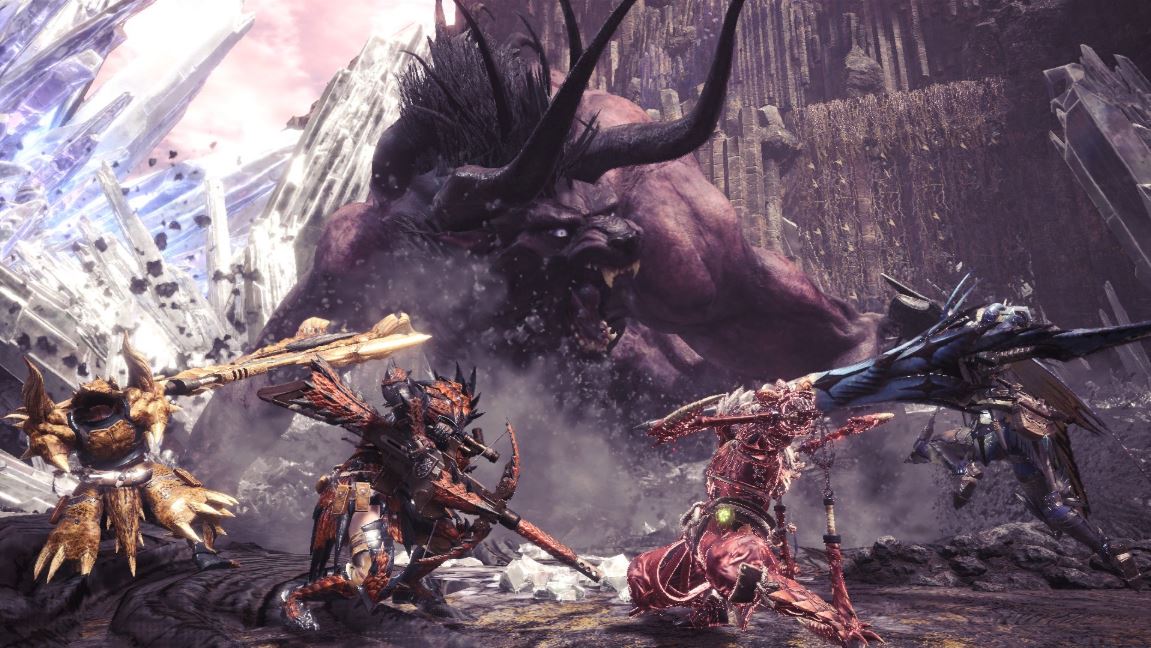
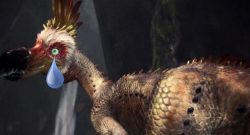
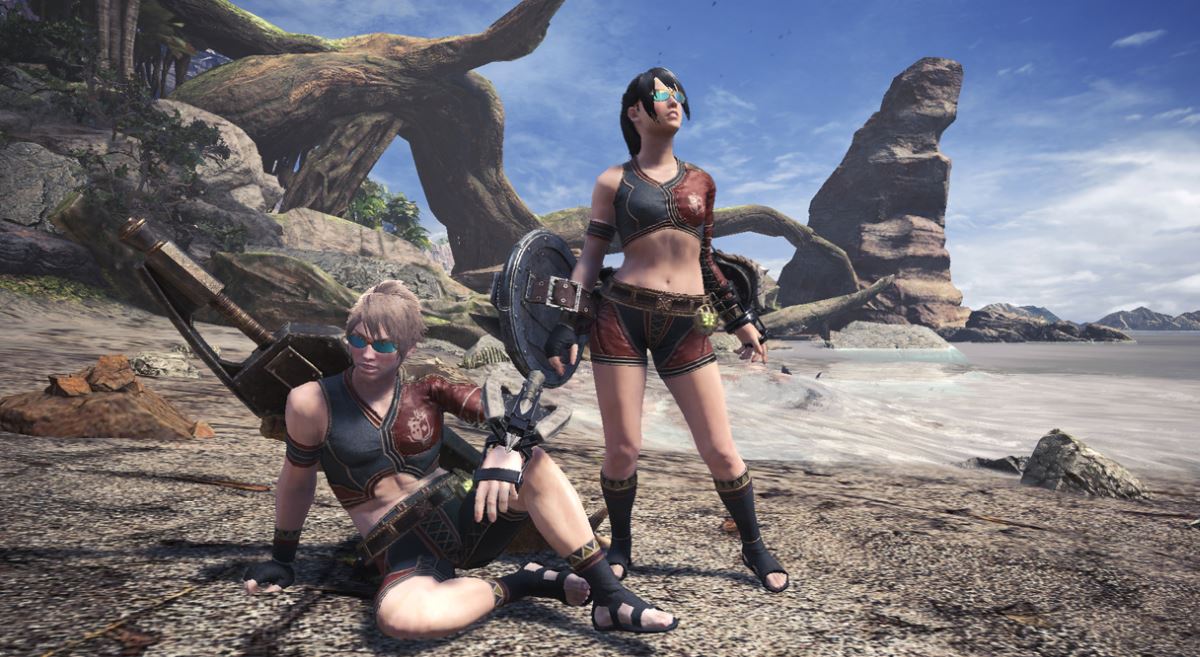
However, in recent months, an end to this golden time has been signaled. The government has not issued new licenses for new foreign games. As a result, “Monster Hunter World” had to be withdrawn.
There has also been a political restructuring behind the scenes regarding who approves games and who regulates them. Observers suspected an internal power struggle among various authorities (via gamesindustry.biz).
Analysts had already feared that the Chinese government was tightening its stance on gaming to curb a rampant online addiction among the youth of the country.
Because it does not align with the political will of the leadership.
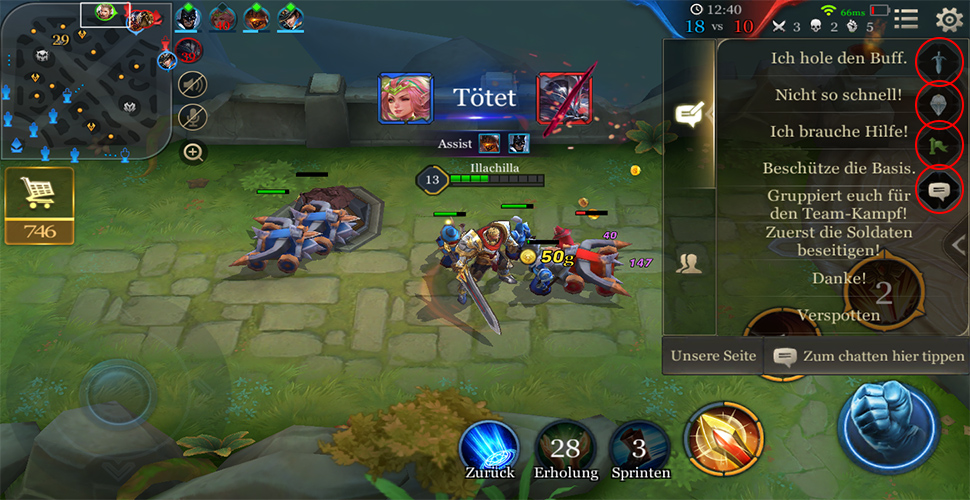
As early as 2017, there were initial measures against the mobile MOBA Honor of Kings. After a pro-government Chinese newspaper criticized the game, publisher Tencent decided to significantly restrict playtimes for children and teenagers.
This was likely done to preempt such an edict as the one that has now been issued.
How are the markets reacting?
Bloomberg reports on how markets are reacting to the new developments:
- Netease fell by 7.2 percent in New York
- Tencent fell by 5.3%
But Japanese and Korean companies that make a lot of money in China are also affected:
- Capcom fell by 7.5%
- Nexon fell by 5.1%
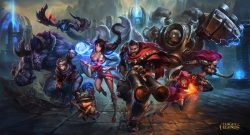
This is how it has been so far: China has been a kind of paradise for Chinese gaming companies. Especially the two giants Tencent (LoL, Honor of Kings) and NetEase (distributing Blizzard games in China) prospered in a closed market. Anyone wanting to make money in China had to establish a business relationship with these companies.
In China, mobile games are hugely on the rise and generate enormous sums. – In China in 2016, there were already 503 million mobile gamers; by 2021, there should be 699 million (via NPR).
For a long time, the companies could earn a lot of money under these conditions. The government largely left them alone.
Companies like Tencent made a fortune under these conditions and invested their money in Western companies like Riot Games (LoL), Epic (Fortnite), or Ubisoft.
But even in recent years, it has been indicated that the government has a problem with how much time Chinese children and teenagers spend playing games like “Honor of Kings”.
Apparently, there has been a change in course in recent months, which is now reflected in these decrees.

Your opinion is important to us!
Do you like the article? Then let us know!