

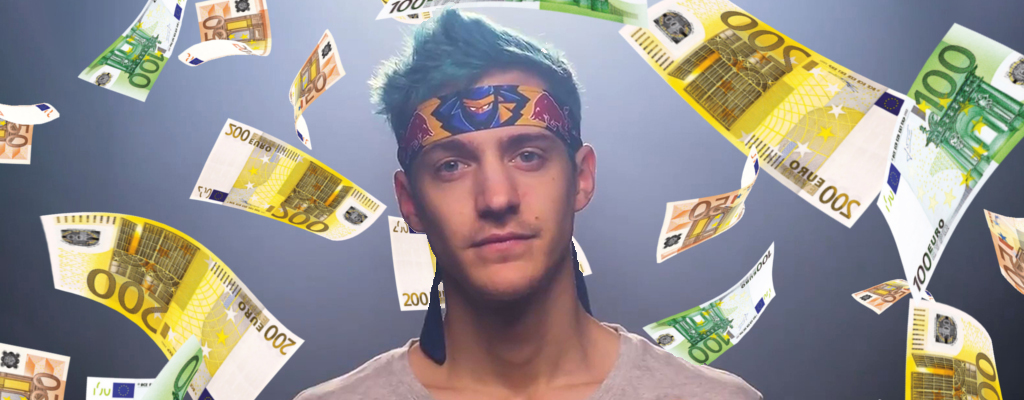
Bloomberg, the business website, has published a report on what top streamers Ninja (Fortnite) and shroud earn on Mixer. The two switched from Twitch to Microsoft’s platform a few months ago. At Twitch, they were the streamers with the most followers.
How much do shroud and Ninja earn? In a new report, Bloomberg first mentions figures. It states:
“The biggest streamers earn up to $40 million over three to five years. Contracts similar to those of professional athletes. And that is just for live streaming. Like professional athletes, many of the biggest streamers have sponsorship contracts worth several million dollars.”
Bloomberg
In advance of this statement about the biggest streamers, Tyler “Ninja” Blevins, Michael “shroud” Grzesiek (both Mixer), Jack “CouRage” Dunlop (now on YouTube) and Gonzalo “ZeRo” Barrios (now on Facebook) are mentioned.
However, the two biggest names are shroud and Ninja. It is to be assumed that they are meant by “the biggest streamers.”
Bloomberg’s statement would estimate their annual salary on Mixer at $8 to $13.3 million. Bloomberg does not say where they derived this number from.
However, some insiders are quoted in the interview: executives from e-sports marketing agencies, senior Twitch employees, or heads of e-sports organizations.
That’s why this number is important: This extremely high base salary would explain the switch. Until now, no financial details were known. It was only clearly visible that the viewer numbers for Ninja and shroud declined significantly.
An annual salary in the range of $10 million would explain the changed behavior of the streamers and why they do not care that they lost so many viewers when switching from Twitch to Mixer.
Interestingly, both streamers are represented by the same agency: Loaded. It could be a negotiating advantage that management knows exactly what a “top talent” in the industry can earn. This means that the switches are important not only for the first pioneers but also for those who follow them.
Ninja was a “slave of the stream” for $10 million in 2018
This was the case for Ninja in 2018:
- Ninja reportedly earned about 10 million US dollars in 2018 – this includes total earnings from YouTube, Twitch, and his sponsorship contracts, such as with Red Bull.
For this money Ninja streamed on Twitch like a madman in 2018, giving himself no time off or breaks. Because on Twitch Ninja was a “slave of the stream” as he put it. He couldn’t and didn’t want to ease up because he feared that the Twitch subscribers would drop, who supported him monthly.
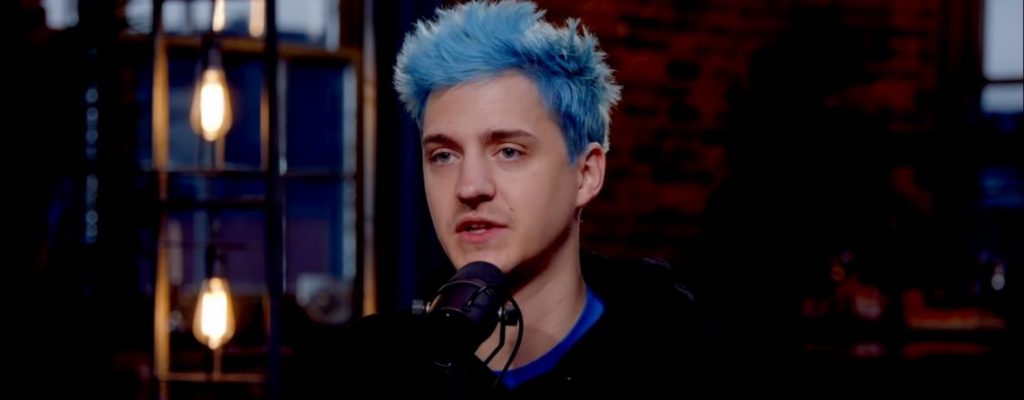
Ninja earns more in 2019, but can take breaks
This is the case for Ninja in 2019: Since switching to Mixer, the Fortnite star has been living a much more relaxed life. He stated during a stream when the chat discussed his declining viewer numbers (via dexerto):
“I think you guys don’t understand that I don’t care at all. Okay? How little viewer numbers matter to me on Mixer right now.
I love what I do, man. And guess what? I can do whatever I want. I don’t have to worry about my subscriber count or running ads or ad revenue. I can take vacations, I can take breaks. I feel good.”
Tyler “Ninja” Blevins.
Ninja also says that his streams are now 10 times better than they were on Twitch because he can fully focus on content.

What about shroud? Shroud generally talks much less about himself and his financial situation than Ninja, but there are also statements from him that he doesn’t mind that his viewer numbers dropped after the switch.
He seemed rather surprised that so many switched over and was pleased that the atmosphere in the Mixer chat is significantly better.
A new era of streaming
Why is Mixer paying them so much? Bloomberg quotes Doron Nir, the CEO of Stream Elements. According to him, Ninja’s switch is similar to that of US radio host Howard Stern to satellite radio about 15 years ago.
Although Stern’s listener numbers fell, the station Sirius immediately became a serious player in the market. Stern’s switch heralded a “new era in radio.”
These entertainers were streaming from their apartments or their parents’ houses 3 to 5 years ago. Today they are world-class entertainers with multi-million dollar contracts. And that is just for the chance to bring their viewers with them.
Doron Nir, CEO Stream Elements

Streamers long for stability
Where does this switch come from? Bloomberg quotes Andrey Yanyuk, the CEO of Tempo Storm, an e-sports organization. He says Twitch has failed to give its talents opportunities to monetize their videos. The reputation of Twitch has suffered lately.
Other platforms like YouTube, Mixer, and Facebook have started to woo the biggest Twitch streamers and offer them new opportunities.
On Twitch, streamers played 12 hours a day, without vacations or weekends. They depend on their games staying trendy. Yanyuk stated:
“All streamers long for stability. When you get a big contract, you receive a stable income, and that is very appealing.”
Andrey Yanyuk, CEO of Tempo Storm
Yanyuk compares these new contracts to pension plans.
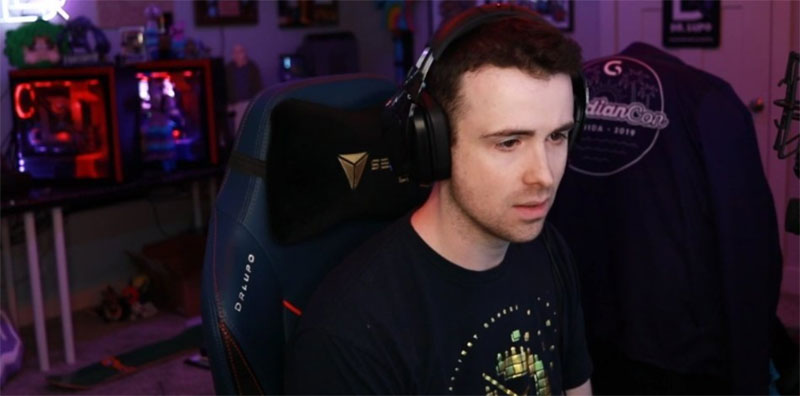
What this is about: This extremely high base salary in the range of $8-13 million explains this switch to Mixer and the simultaneous reduction of pressure to perform.
The switches of shroud and Ninja have initiated something that also forced Twitch to bind some of the top 20 streamers more securely. Apparently, there was a substantial shift in the economic system:
- In 2018, streaming was still performance-dependent. The top streamers were self-employed and had to constantly deliver to keep their income stable: This is still the case for almost all streamers outside the top 0.01%.
- However, in 2019, with Ninja’s switch in August, the top streamers seem to enjoy at least some of the benefits of employee life. With high contracts, they are secured.
In addition to the high base salary, there are further earnings from secondary utilization on YouTube, sponsorships, and the additional bonuses available on Mixer from viewers. The superstars have no disadvantages in this new system, but all the advantages.
It seems that Ninja and shroud will earn more money in 2019 with less work than in 2018 while feeling less pressure at the same time.
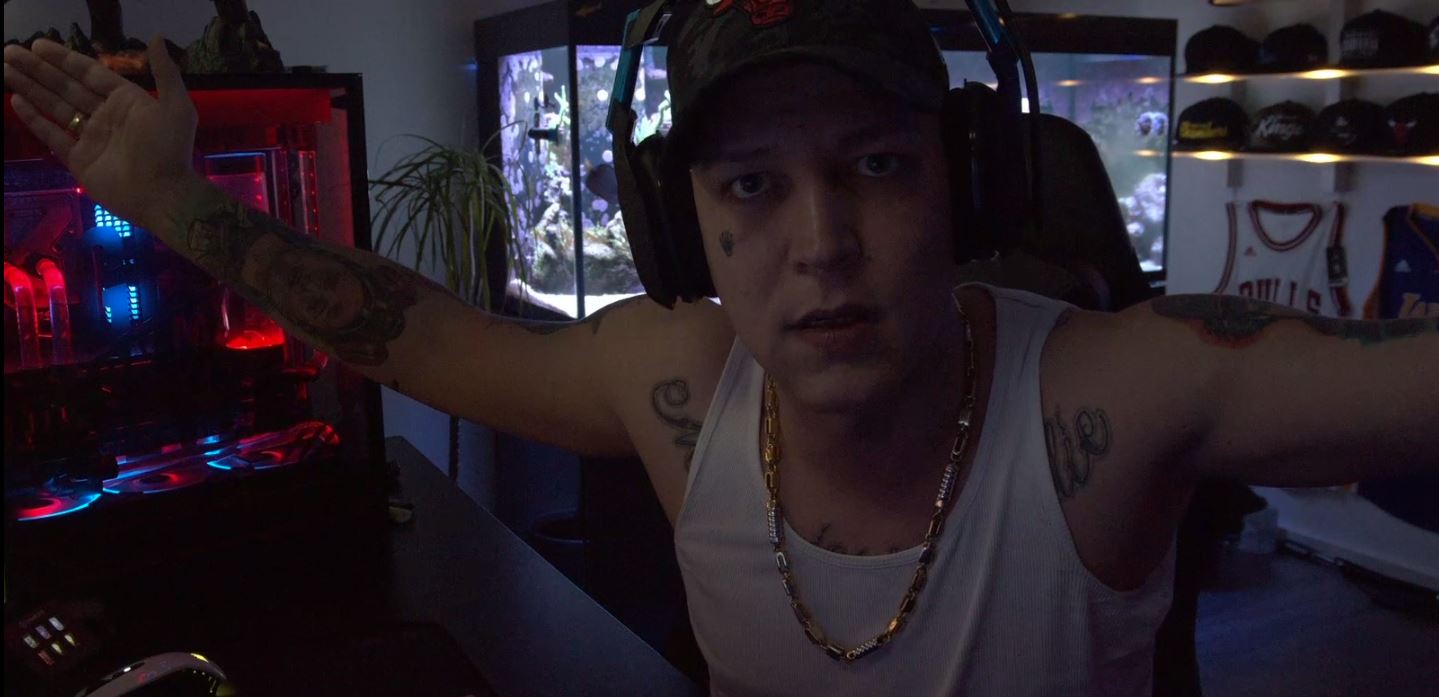
The German streamer MontanaBlack announced his contract with Twitch with the stated intention of exploring this new market, which now offers options to stream elsewhere.
He apparently wants to stay on Twitch – but under clearly better conditions.


Your opinion is important to us!
Do you like the article? Then let us know!