
In the MMORPG market, we are currently seeing a strong divide. In the West, MMORPG companies such as ArenaNet (Guild Wars 2) or Blizzard (WoW) are undergoing austerity measures and there have been layoffs. South Korean MMORPG companies like NCSoft (Lineage M) or Pearl Abyss (Black Desert) are doing better than ever. What is the reason for this?

How MMORPG companies are doing in the West: In recent years, the MMORPG companies here have been on a cost-cutting path. Little information is coming from the companies, but what can be heard sounds negative:
- Blizzard is reportedly subject to a savings directive from Activision. While development teams are being expanded, reductions are happening elsewhere. This allegedly heavily impacts morale. In February 2019, Activision Blizzard laid off 800 employees, including several community managers from Blizzard.
- In 2019, ArenaNet also had layoffs, the studio seems to be struggling. The only game “Guild Wars 2” is aging – leading developers have left the studio.
In general, MMORPGs are considered difficult in the West. Few new ones are being developed. The current MMORPGs, “the big 5”, have dominated the market for years.
The last major MMORPG that was newly released was WildStar: It has long been shut down and the studio dissolved. Even successful MMORPGs like Star Wars: The Old Republic have been neglected in recent years, as developers have turned to “trend genres” like loot shooters and then developed Anthem.
In Asia, MMORPG companies invest millions in infrastructure
How MMORPG companies are doing in Asia: Companies in South Korea are thriving. First and foremost NCSoft and Pearl Abyss:
- It is known that Pearl Abyss is building a large new company building. They were also on a shopping spree and acquired EVE Online. Until now, the studio was only known for Black Desert – but many new titles are expected to follow.
- NCSoft seems to be doing similarly well. The latest news is that they purchased a massive parking lot for 700 million USD to build a new global research center (via mmoculture).
What is the reason for this? A few years ago, NCSoft was still in crisis. Their entry into the West with Guild Wars 2 and WildStar had largely failed. The old MMORPGs like Lineage, Blade and Soul, and AION were aging. Revenues were declining.
New MMORPGs like Lineage Eternal were stuck in development and just weren’t finished.
NCSoft was in deep trouble.
In 2017, one game changed this: Lineage M. By releasing a mobile version of their old MMORPG, Lineage from 1998, NCSoft turned around overnight.
Since then, the company has fully embraced mobile and announced and partially released mobile versions of current MMORPGs.
The quarterly reports showed stagnation for years and indicated a downward trend, but since mid-2017, they have suddenly become a celebration.
Mobile, and actually only Lineage M, generates more revenue than all PC games combined.

This revenue allows NCSoft to delay “troubled PC projects” like Lineage Eternal and restart them as Project TL. Additionally, NCSoft can look toward the new consoles and invest significantly in infrastructure.
Pearl Abyss is in a similar position: A good portion of the money comes from Black Desert Mobile, but it is subsequently funneled into infrastructure and new games like Crimson Desert, which are intended for the new console generation.
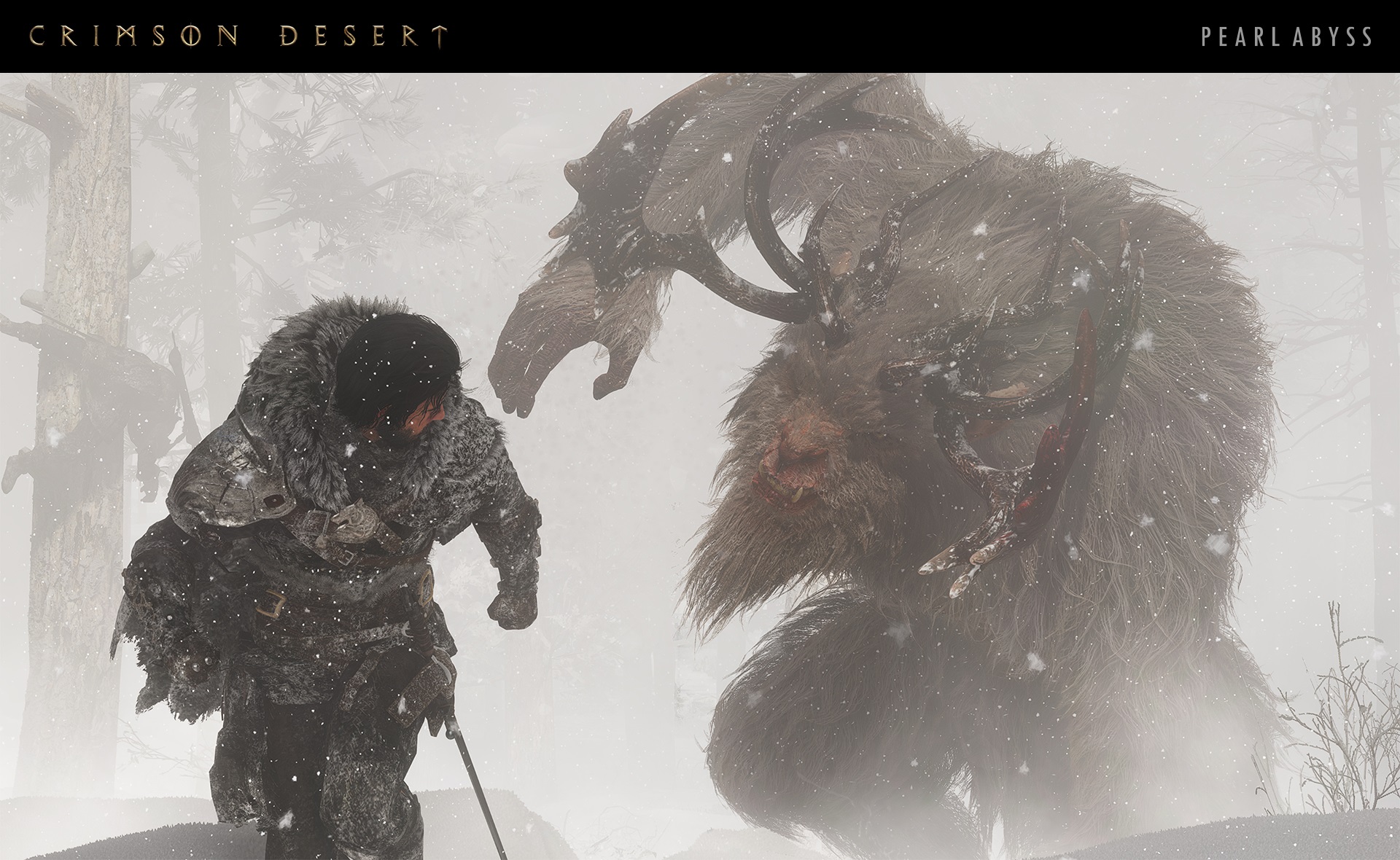
This is the advantage of mobile: Mobile games are extremely popular in Asia, relatively quick to develop, and generate a lot of revenue through microtransactions.
Furthermore, studios do not need to develop new brands: They can simply port their existing games with years of tradition to mobile devices:
- Many MMORPG fans in Asia likely have less time than before to sit in front of the PC for hours – now that they have jobs and children.
- During dead time in public transport or elsewhere, they still want to play the deep MMORPGs of the past.
- Additionally, mobile opens up new customers: Because not everyone has a gaming PC, but practically everyone has a smartphone.

Blizzard is switching to mobile, but it’s cracking and creaking
How Blizzard is moving forward: Activision Blizzard’s plan apparently envisions a very similar path:
- Diablo Immortal has already been announced and aims to bring Diablo to mobile.
- Several other mobile titles are reportedly in the works at Blizzard.
Perhaps the switch to mobile will also bring Blizzard the upswing that NCSoft already experienced a few years ago and bring fresh money for new projects into their coffers.
The main criticism from Activision of Blizzard is that they simply develop too few new games. This problem could be addressed with mobile games.
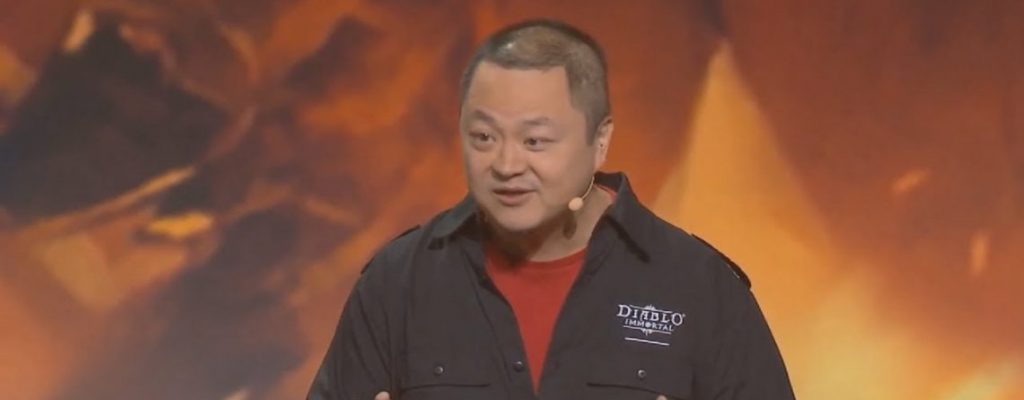
However, the market in the West is set up quite differently than in Asia. Initial attempts by Blizzard to shift towards mobile were harshly criticized by fans.
Moreover, the transition seems to be taking a long time: Diablo Immortal has been a topic for years but has not yet begun. Regarding further mobile games, there have been whispers for years, but they have not yet been presented.
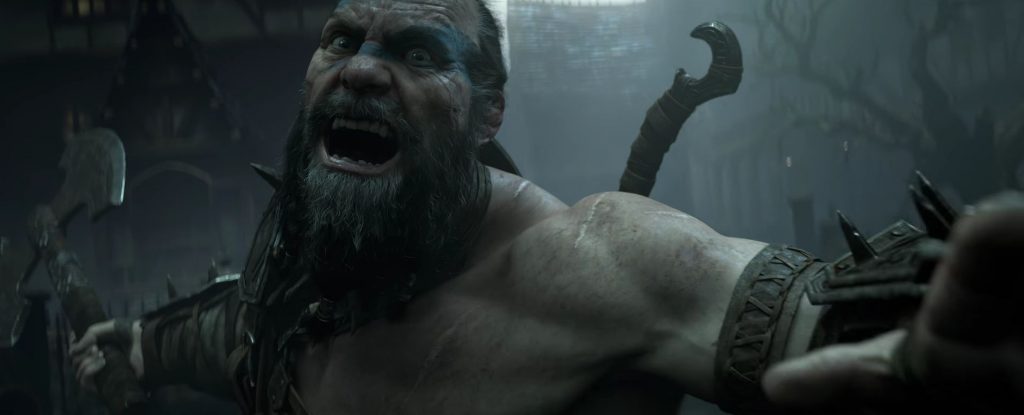
Blizzard’s core fans have made their aversion to Diablo Immortal very clear. Nevertheless, Blizzard remains committed to the project and is undeterred.
Why this game is so important for Blizzard, we explain on MeinMMO:
Why Diablo Immortal is so important for the future of Activision Blizzard

Your opinion is important to us!
Do you like the article? Then let us know!