

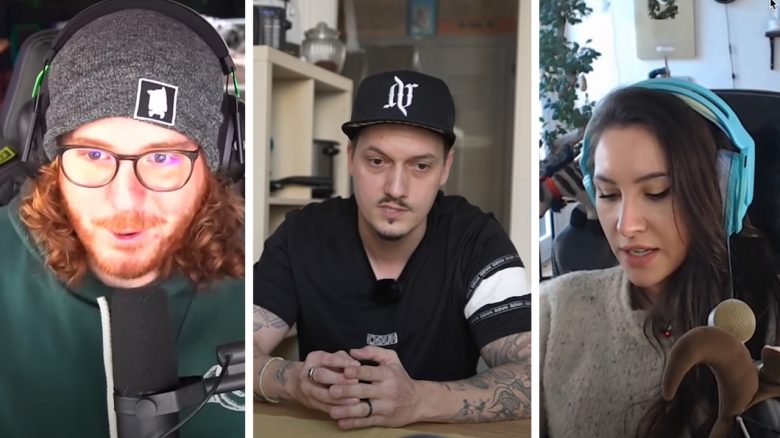
In a documentary by STRG_F on YouTube, several major influencers spoke about their lives on social media. The influencers warn against taking the job lightly or even pursuing it at all, as it is more stressful than it seems.
The documentary explored the question: “Does social media make you sick?” and engaged with several major content creators to get to the bottom of the answer.
Interviewed were well-known personalities active on YouTube, Twitch, and TikTok:
- Roman and Heiko Lochmann aka “Die Lochis” – YouTube: 2.67 million subscribers
- Jasmin “Gnu” Sibel – YouTube: 1.24 million subscribers (main channel), Twitch: 511,000 followers
- Jonas Ems – YouTube: 2.75 million subscribers, Twitch: 52,000 followers
- Pascal “Kalle Koschinsky” Becker – YouTube: 568,000 subscribers, Twitch: 181,000 followers
- Florian “LeFloid” Diedrich – YouTube: 3 million subscribers
- Simon “Unge” Wiefels – YouTube: 2.2 million subscribers, Twitch: 1.2 million followers
- Nadine Breaty – TikTok: 8.1 million followers
Panicked attacks, burnout, and alcohol addiction
What do the influencers report? While Gnu talks about the pressure of numbers, paying employees, and community interaction, Roman Lochmann goes further and speaks of panic attacks, anxiety, and “really dark phases that are directly related to this career.”
Roman Lochmann recounts massive work even during school: “The vacations were always full,” and the two brothers have had a lot of stress since they were 12 years old. When it became too much, the Lochis wanted to focus solely on their music career and no longer pursue YouTube in their usual way.
Kalle Koschinsky also shared his feelings of being overwhelmed and that he completely broke down after a self-imposed challenge. Becker streamed for 29 days in a row and could not continue on the 30th day. He sat crying in front of his setup and took a week off afterwards.
Not enough, as he revealed in follow-up questions. Even 2 months later he experienced small flashbacks that mentally took him back to the breakdown. Kalle further believes that as a freelancer, one cannot simply take sick leave when not feeling well, even though it had been building up for him for a long time.
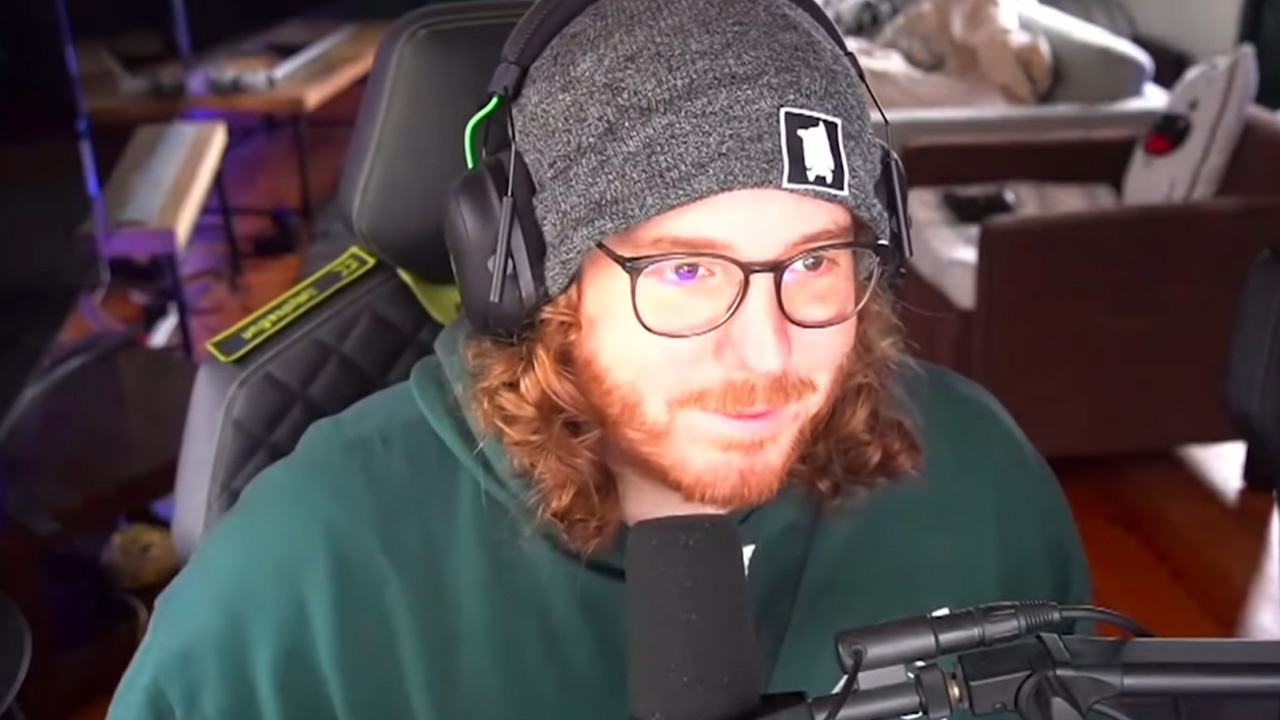
Jonas Ems and LeFloid even talk about having turned to alcohol consumption. While Ems only drank when going out with friends, making the buzz more bearable in case he got recognized, LeFloid turned to alcohol more frequently.
Diedrich said he realized that one could “remarkably drink unnoticed” in his industry, as he could be at events and after-show parties six days a week. Gradually, he also started drinking during streams and found himself in a cycle that was absolutely unhealthy.
LeFloid stated that he pulled the emergency brake when colleagues and his wife confronted him about his alcohol consumption.
The pressure of the algorithm, obligations, and fans
Some content creators reported in the documentary that at some point they could no longer stand behind what they were actually producing. The algorithm practically dictated it to them, thereby increasing the stress further and decreasing the fun.
To stay at the top on YouTube and Twitch, it is not uncommon to have to adjust your content so that new people can discover the channel or not cancel the subscription. Often, influencers feel pressured to do things that do not actually suit them. The concept of “being your own boss” no longer applies then.
Heiko Lochmann said aptly on the subject:
The year 2017 was extremely intense, as we drifted away from who we are. And at some point, algorithms dictated your day. Which is not nice because then you cannot express yourself artistically at all. You have to compress videos to so-and-so minutes or whatever. (…) Keeping an eye on the trends. You do everything except what you might actually feel like doing.
Many influencers also agree: The platforms, through the algorithms, do not protect young people from psychological and social pressure. You are directly penalized and recommended less on the platforms as soon as you no longer provide regular content.
In addition, some influencers believe that providers like TikTok and YouTube should do more to preserve the mental health of their creators. For example, all interviewed influencers believe that a kind of “mandatory vacation” once a year would be a good idea.
The obligation to fans: Naturally, an influencer should also respond occasionally to comments from fans or give them attention through likes. Additionally, most viewers expect regular content, whether on Twitch, Instagram, TikTok, or YouTube.
Nadine Breaty mentioned that she once lost 10,000 Instagram followers when she did not post anything for a week. Gnu also reported that she gets nervous when she has not commented or liked anything after uploading a video on her main channel.
Also interesting was the question about the influencers’ mobile phone use. On average, all of them were on their phones about 6 hours a day, some even 8-10 hours. The daily check for numbers, comments, and content adds up.
What do the influencers advise others? Gnu wants people to engage more with the person and the profession. The job is “not just something casual” and requires a lot of work.
Jonas Ems believes: If you are already in it, you should not become dependent on success, as everything has a lot to do with the algorithms of the platform. Otherwise, he even discourages becoming an influencer as it is certainly “not healthy for one’s own psyche.”

Your opinion is important to us!
Do you like the article? Then let us know!