

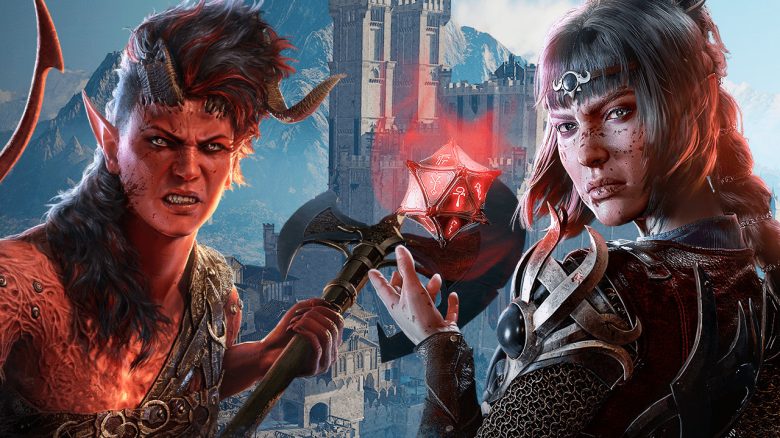
Baldur’s Gate 3 is huge – yet much content has been cut. We reveal to you which content is missing from the game and why it is not present at release.
Baldur’s Gate 3 is quite a large game. The first playthrough takes attentive players about 100 hours of gameplay, in many cases even significantly longer – and that’s just one playthrough. With different choices or classes, you can discover entirely different scenes, quests, or even companions that you may have overlooked during your first run.
Yet despite its size, there is content that is not included in the release version of Baldur’s Gate 3. Dataminers have found many hours of unused voice lines in the game data that have no use in the finished game. Some content was cut just before launch, others were only in the “Early Access” version and others were never more than a rough idea that was discarded.
We discuss what kind of content was once planned or part of the game and what never made it into the release.
Spoiler warning: Since this involves unreleased content related to the story, there will be some spoilers. You have been warned.
The Upper City of Baldur’s Gate
The Upper City, or the “Upper Town”, is one of the few pieces of content where it can clearly be stated that it was cut shortly before release. Just 4 weeks before the game’s release, Larian’s studio head stated in the “Panel from Hell” that the Lower City was only a small part of Baldur’s Gate and that the Upper City would be even more impressive and fully explorable.
That the Upper City now only appears shortly before the final battle and can hardly be explored has been taken by some fans with a queasy feeling in their stomach.
The fact that the Upper City was planned for a long time is reflected in many areas of the game. For example, some NPCs tell you that you should visit them in the “Upper City”, and some quests currently end very abruptly that would actually have had their conclusion in the Upper City.
Even Cazador’s “Vampire Castle”, the creator of Astarion, was supposed to be in the Upper City. Instead, the entrance to his estate is now somewhat inappropriately located in a city wall – a very clear indication that something was changed quite late in development.
What is particularly frustrating is that the removal of the “Upper City” also caused there to be no “good” ending for Karlach – as some things would have needed to be completed in the Upper City.
However, Larian has already promised a better ending for Karlach in Patch 2.
Avernus
During the development of Baldur’s Gate 3, it was once planned that there would be the area Avernus. This is one of the hells in the universe and would have served a similar function as the “Underdark” area in Act 1. It would have been primarily an optional area where you would meet some devils and have some interesting dialogues, especially related to Karlach and her connection to Zariel.

Additionally, you should find soul coins here and be able to engage in some particularly tough battles.
However, it is not entirely clear how far Avernus was developed. The idea was probably discarded quite early.
Not much remains of a visit to the hells in the release version. You can only visit Raphael’s palace.
Raphael as a Merchant and the Soul Coins
Raphael is one of the most important characters of Baldur’s Gate 3 and offers the heroes a lucrative deal. But even if you reject this pact, he is an interesting character who remains memorable for a long time.
Originally, it was planned that Raphael would even act as a merchant. In exchange for soul coins, he would have offered special items from his private collection for sale.
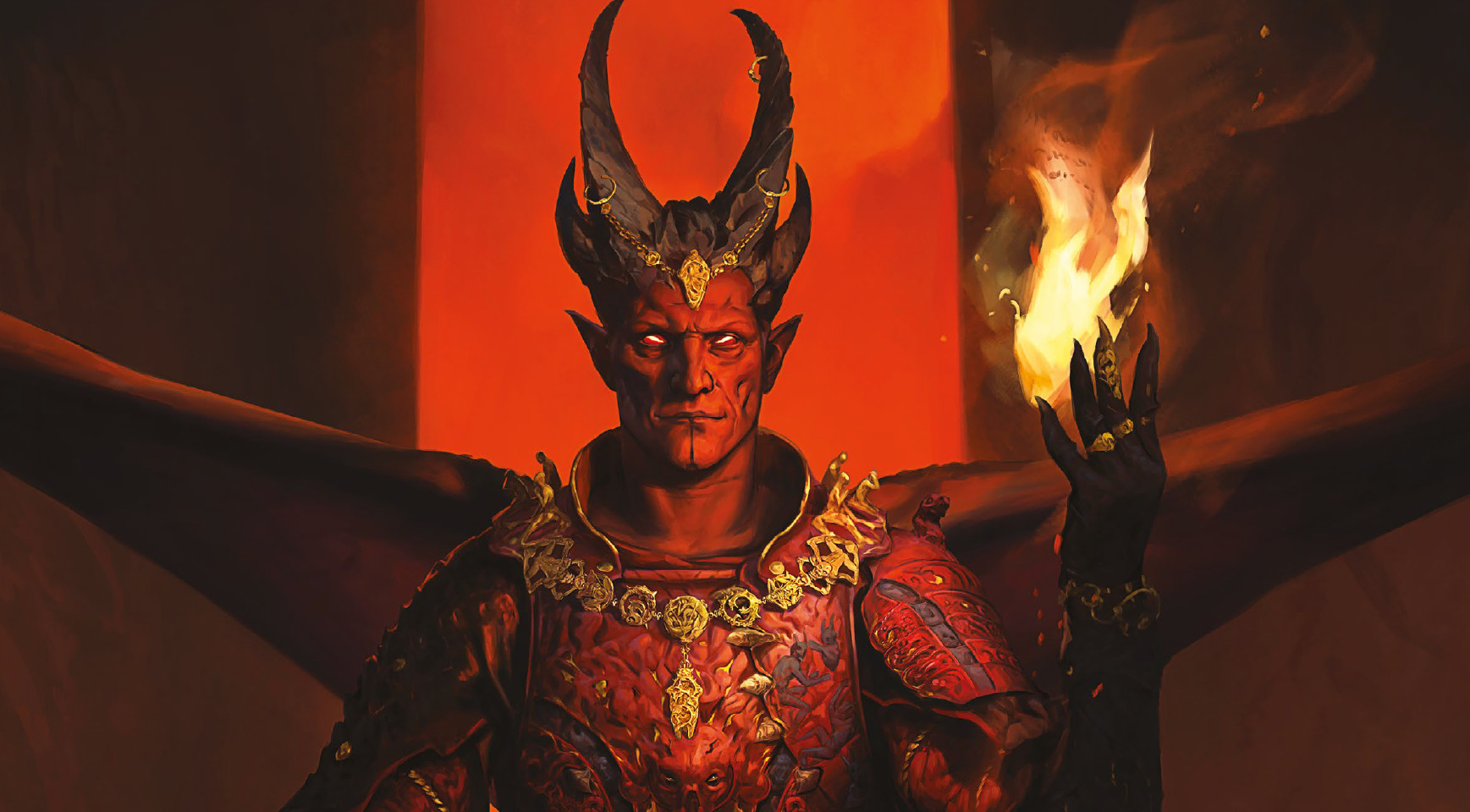
In the release version of Baldur’s Gate, soul coins still exist, but they are not a currency. Instead, you can use them to equip your companion Karlach with a powerful buff and let her hell machine overheat for a while. She is then significantly more effective in battle.
Raphael’s collection of items still exists in a modified form – but now you have to steal them instead of buying them.
Daisy – The Desire in Your Head
The dream sequences were quite different in the Early Access version of Baldur’s Gate 3. There you did not meet your guardian or the Emperor, but a pretty woman named Daisy (a reference to “Desire”).
Interestingly, Daisy still appears in the official artbook – but the Emperor does not. It seems to be a change that was decided very late.
You would always find Daisy in the dream by the bank of a river. She would repeatedly try to seduce you and get you to trust her. She fulfilled a similar role as the guardian you chose and the Emperor, but had a different approach.
The exact reasons for this are not known, but some testers from the Early Access version said that they could not relate to Daisy and found her simply boring. Perhaps her removal was a good decision after all.
Two Songs with a Great Story
The scissors claimed two songs along with Daisy.
In the finished version, the beautiful song “Down by the River” only plays during character creation and is no longer found in the game afterward. The original meaning of the song has been completely lost, because:
Daisy offered you the choice to stay with her forever. If one had wanted to, the player could stay with her “down by the river”, that is, “Down by the River”. In that case, one would surrender completely to her (and thus to the worm in the head) and become a mindflayer. This becomes particularly clear when one looks at the lyrics of the song:
“Lace your heart with mine, let your sleeping soul take flight.” – “Connect your heart with mine, let your sleeping soul take flight.”
If you wondered why the song takes on such creepy tones at the end – then that’s the reason. Because you actually submit along with the song to your existence as a mindflayer and remain in the dream with Daisy forever, while your body is controlled.
Thus, it is not a seemingly romantic love song, but an attempt by the tadpole to bring you to surrender.
The same goes for the song “The Power”. As far as is known, you only hear it during the credits now. Again, it is about the powers that come with the Illithid tadpole, and again it is Daisy who tries to entice you to surrender to these powers and slowly merge with her.
Both songs and their meanings have sadly disappeared almost completely from the game with the exchange of Daisy for the Emperor.
Side Effects of the Illithid Powers
A major decision in Baldur’s Gate 3 is the use of the Illithid powers. The powers allow you to perform special actions in combat or to almost automatically persuade the conversation partner in dialogues – you just have to exceed a meager dice roll of 2.
Originally, it was planned that using the Illithid powers would eventually have a negative effect. Those who use them too often would eventually feel the consequences.
This is not the case in the finished game. Many companions, the narrator, and even the interface imply that using these powers will eventually come at a price – but that is not the case. You can use the powers as you please and will never be punished for it.
Removal of the Tadpole
The search for a cure to prevent the transformation into a mindflayer is one of the major themes, especially at the beginning of Baldur’s Gate 3. Even though it is not possible in the finished game until the end – it was once supposed to be possible. There are clear indications that Raphael could have healed you permanently from the tadpole, which would have significantly altered the course of the story.
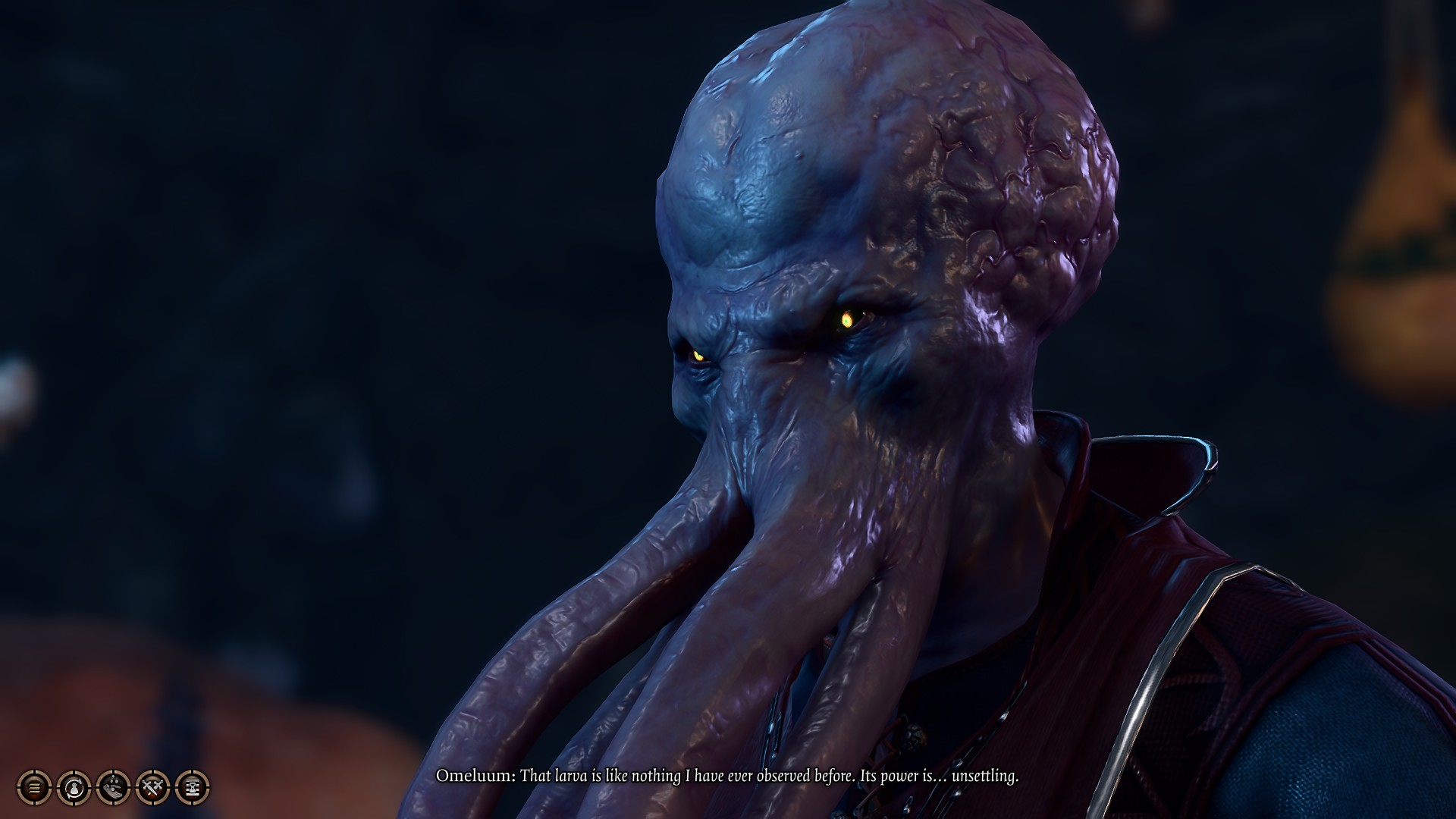
There was also such an opportunity in the “Underdark”. Resourceful players still encounter Omeluum there today, who gives you a ring at the end of a long questline that supposedly “prevents the effects of the tadpole – both positive and negative”. In reality, this ring has no effect on your Illithid abilities when equipped. This is also apparently a concept that was discarded.
Lazarus – Long End Sequences
It is particularly noticeable that there are almost an hour of unused voice lines for Lazarus (“Withers”) in the game data of Baldur’s Gate 3. The files are marked as “Epilogue” and can be listened to on YouTube, for example.
It is quite obvious what purpose these voice lines were supposed to serve. They were originally intended as an “epilogue” and narrated what the heroes did after finishing the story. Depending on the decisions, there are sentences about what Shadowheart or Astarion did with their lives after the conclusion of the plot – or how it ended:
Larian has already announced that they want to revise the ending of the game and make some improvements here. So it is possible that we will hear many of these voice lines if some time passes and further patches are released.
Followers of Shar and the Dead Three
In an earlier version of the game, it was possible to worship different deities – including Shar. This is particularly interesting as you could then have unique conversations with Shadowheart, who is also a follower of Shar.
While some classes can still devote themselves to different beings – Shar is no longer one of them.
Clerics also had the option to devote themselves to the Dead Three, namely Bhaal, Bane, and Myrkul – this would have also meant some story implications that would have come into play in Act 2 and 3.
Removed Storylines – Halsin, Minthara, and Jaheira
Halsin and Minthara are two companions that you can obtain in Baldur’s Gate 3. While they are not “Origin characters”, they can still join your party and even get involved in romances.
However, both characters originally had much more extensive stories.
Minthara’s story would have also dealt with the theme of pregnancy, as evidenced by many dialogue options and some sound files. In the finished version of the game, nothing of that is found anymore.
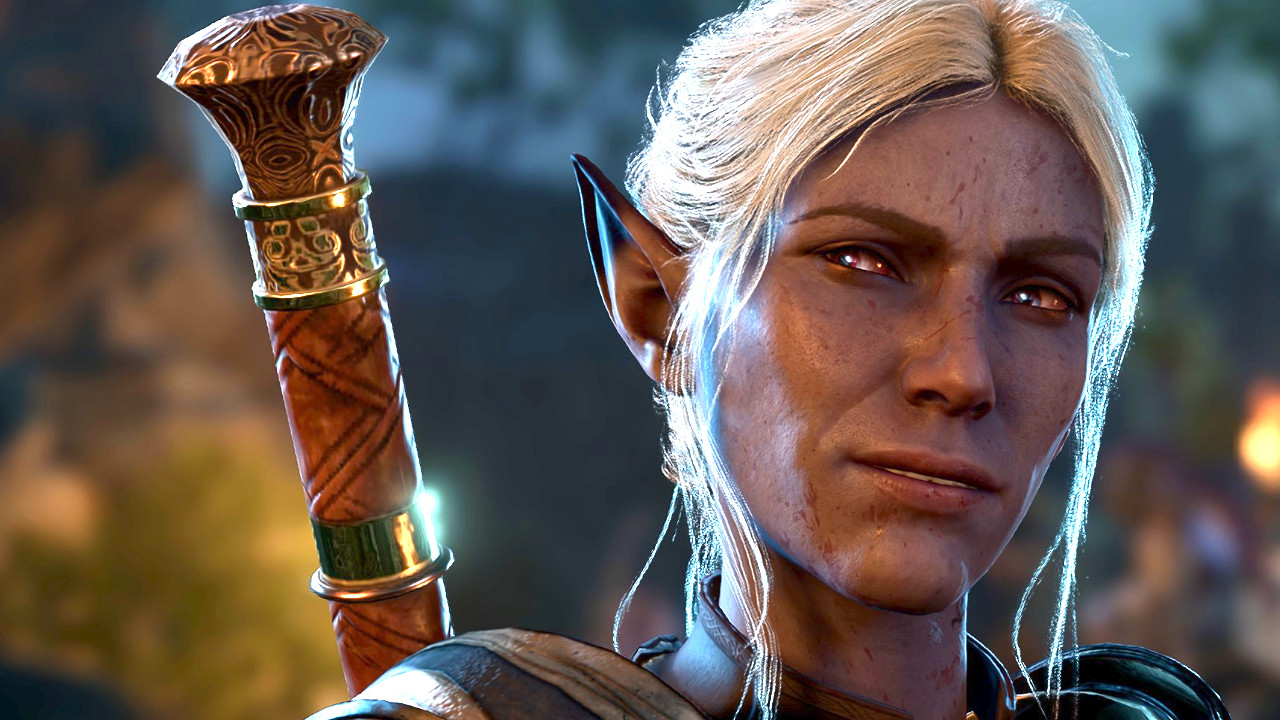
Halsin, on the other hand, was supposed to have a larger part in Act 3 and involve the circle of druids, which would have been an additional faction. In the finished game, Halsin ends up rather being a loner – he occasionally mentions his circle, but there is no real interaction with it.
Jaheira also had a romance option until shortly before release, so you could have slept with her – that was also cut.

Why were these things cut? The reasons for this vary. Larian emphasizes that they are very satisfied with what ultimately made it into the game and that it was a conscious decision what to include and what to discard.
But there is still a little hope for some of this content. Because Larian is known for their “Definitive Editions”, where often unused content is added later. However, there is no guarantee.

Your opinion is important to us!
Do you like the article? Then let us know!