

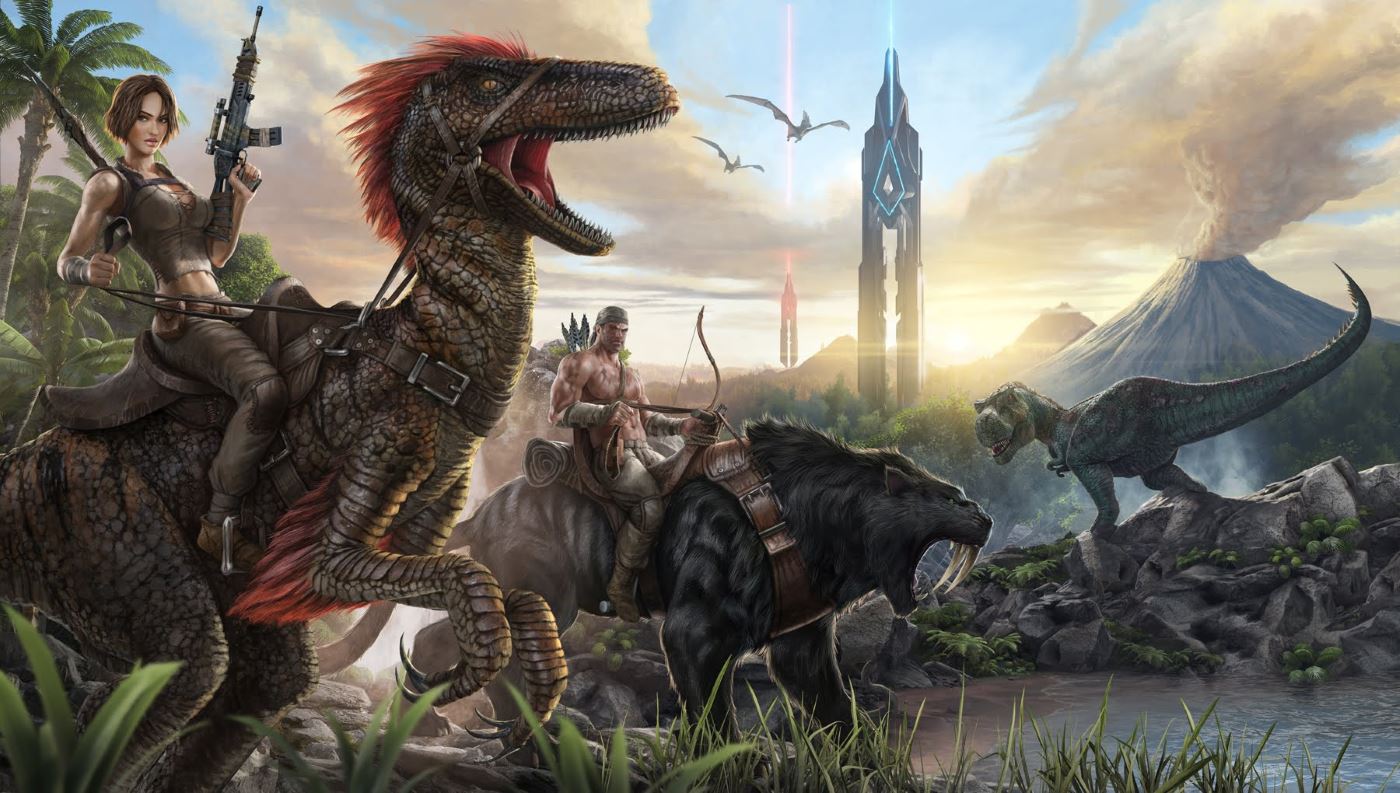
“Early Access should not fund the game!” says the head of ARK: Survival Evolved. A bit ironic, isn’t it? Read for yourself what he means…
Use Early Access only in good condition

At first glance, it sounds like a belated April Fools’ joke, but the co-founder of Studio Wildcard, responsible for ARK: Survival Evolved, critically views the Early Access model. Steve Rapczak emphasizes that developers should not see this as a source to truly fund their game.
From ARK’s perspective, this sounds particularly strange, as the game attracted 2,500,000 players during its Early Access phase, all of whom paid for it. So how does Rapczak come to this thought?
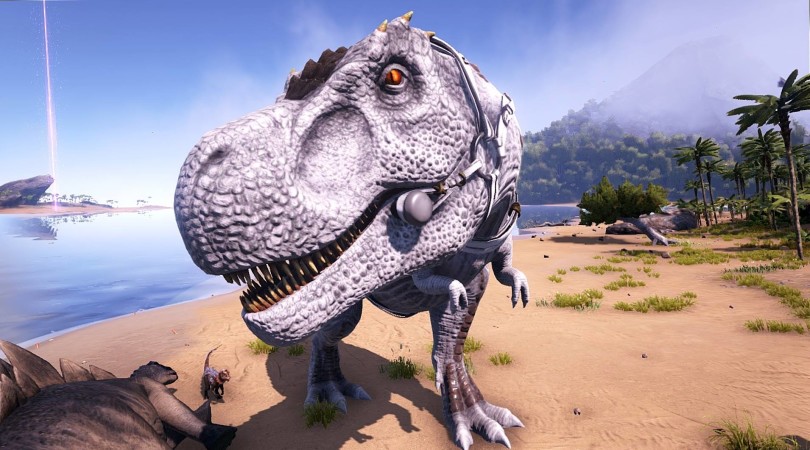
“[Early Access] is a good way to quickly gather large amounts of feedback when the game is already in good shape. This can improve the game until one is convinced it is ready for launch. (…) One does not wait until launch to identify design or balancing issues. When we launch on all platforms, we are sure the game must show what it can really do.”
For this reason, it is important not to view Early Access as a method of funding, as this system would quickly disappear.
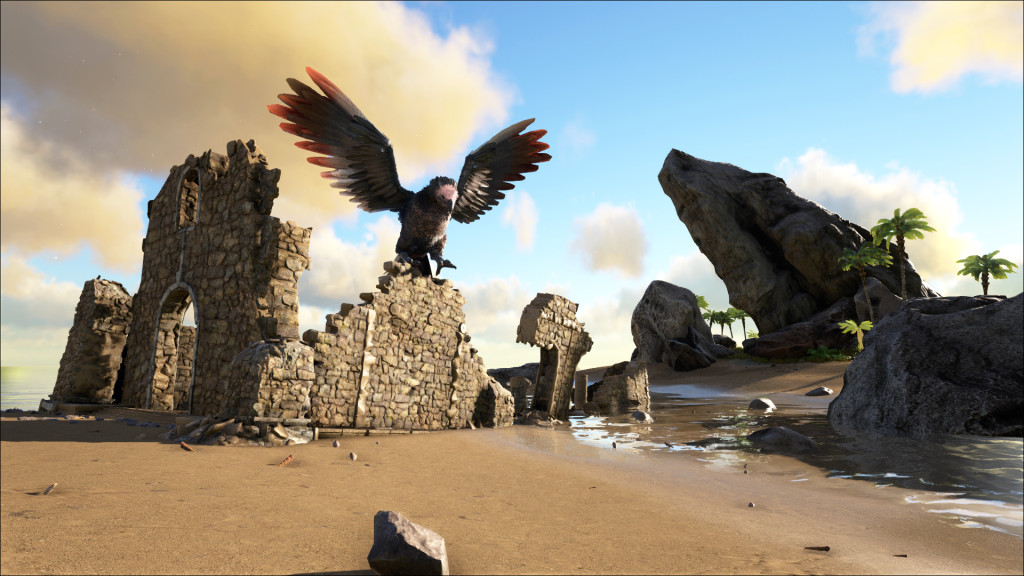
“One can certainly make a profit [with Early Access] to advance development, but I wouldn’t recommend anyone to think of it that way, as it involves new risks. Although it is always stated in the fine print that an EA title might never be released, that is not something this model can bear from the customer’s perspective. If many games are funded through Early Access and then are not released, this model will be quickly abolished.“
Mein-MMO thinks: Of course, no one can help but chuckle a bit when hearing these words from developers who have arguably benefited the most from Early Access in the past year. Subjectively speaking, his statement does hold true. Customers are becoming more cautious, and “Early Access” is slowly acquiring the unpleasant connotation once associated with “Free2Play” games. More and more often, friends and acquaintances choose not to buy games until they are out of this phase. Well-known titles like “DayZ,” which never made it, remain a cautionary example.

Your opinion is important to us!
Do you like the article? Then let us know!