

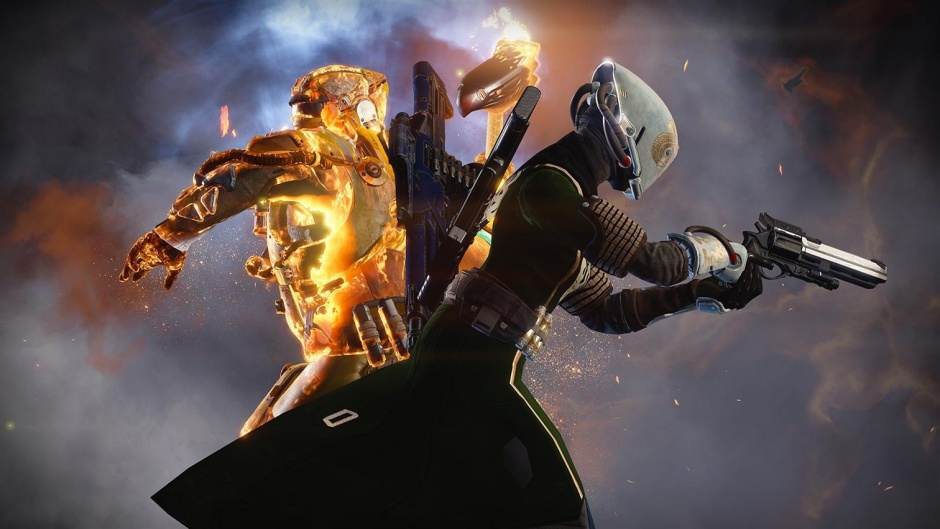
Why do games like ARK Survival Evolved or Destiny now have sequels, when they seem designed as endless titles? And is that good or bad? It’s a strange thing, our author Schuhmann finds. But why do people end games that they have expanded for years and could continue to expand for years?
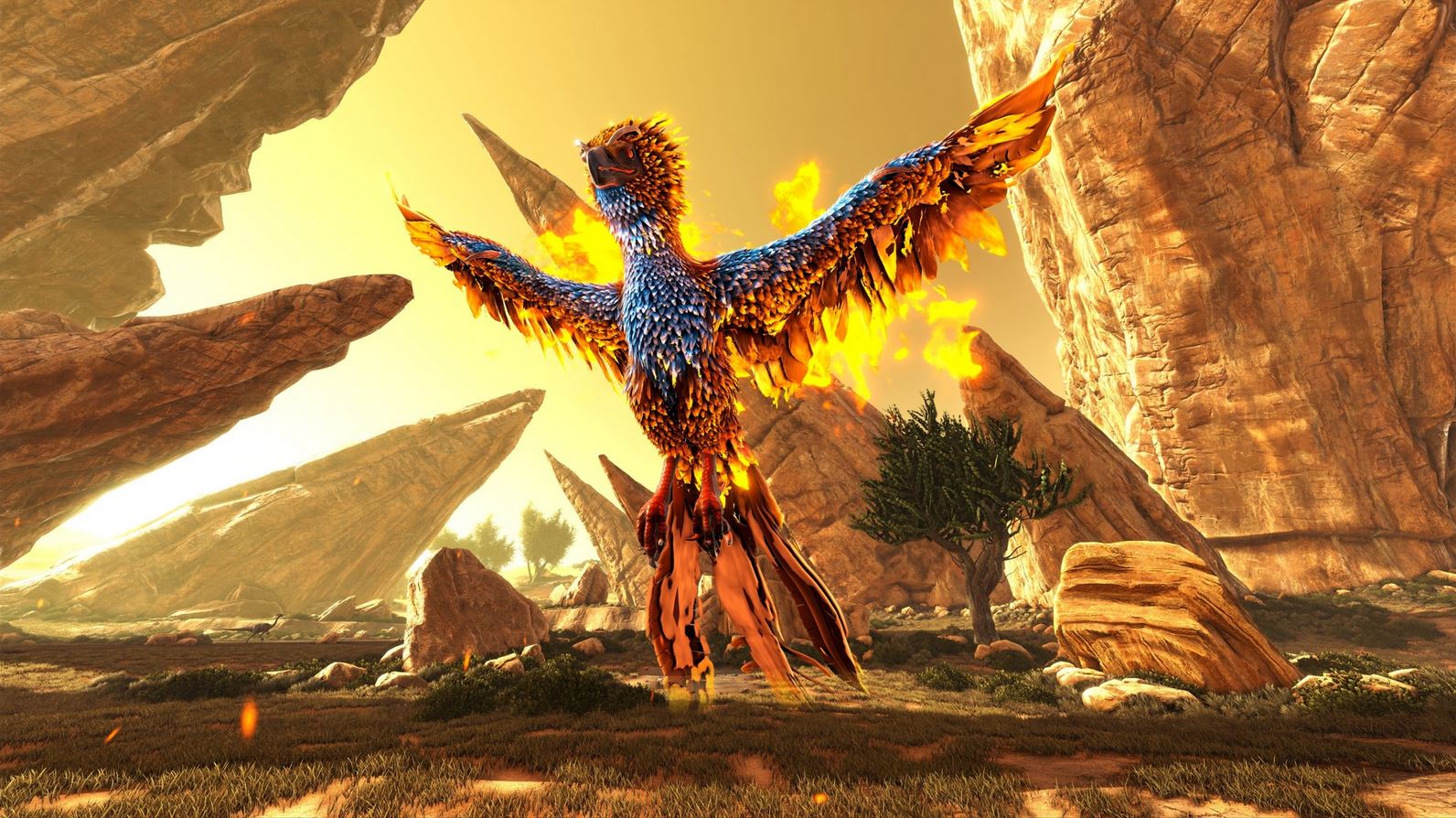
The dinosaur MMO ARK Survival Evolved only officially launched a few months ago. It spent two years in Early Access, nurtured, cared for, and expanded. And ARK is also set to receive two paid expansions. But now the developers are publicly toying with the idea of a sequel: “At some point, ARK needs a sequel,” says Creative Director Jesse Rapczack in an interview. Development could start in a year or two.
This must sound like mockery to the dinosaur fans who just bought a complete package in late August and expected to play ARK for years. Many are still waiting for the promised fixes, features, and performance improvements – while the developers are already thinking about ARK 2.
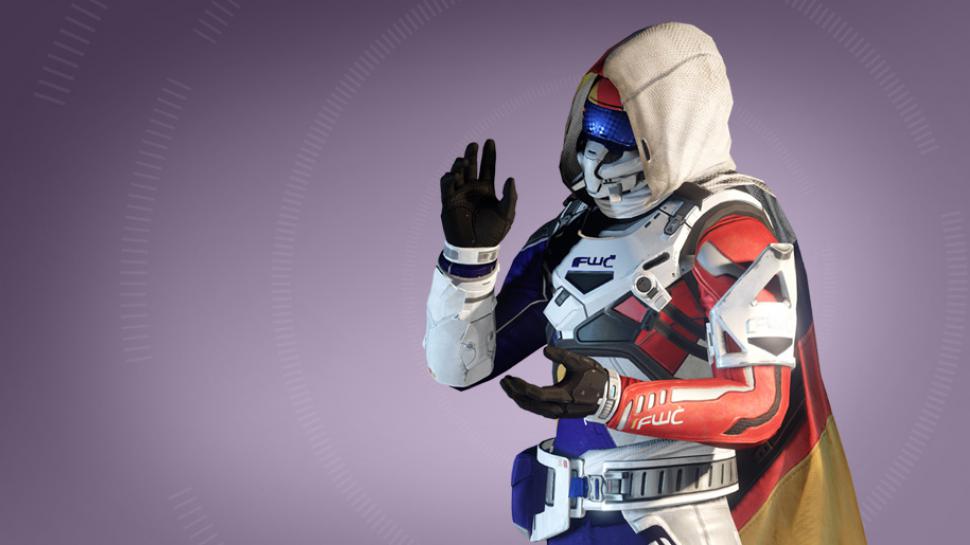
A similar situation with Destiny: But they are further along. Destiny 2 has been on the market since late September. Months ago, it was said: We are not doing anything more with Destiny 1, all our efforts are focused on Destiny 2 from now on.
No one really understands why a second, new game had to come out, when so much from the first part is being reused now. In Destiny 2, you see the same enemy races, the same NPCs, even almost the same subclasses. Veterans still recognize weapon types and numerous exotics from the first part.
The fans’ dissatisfaction is great: “Why are they bringing out a new game when they recycle everything from Destiny 1?” you keep hearing.
For many, it is clear: Destiny 2 would have been a great expansion for Destiny 1. As a standalone sequel, however, it feels suboptimal and somewhat disappointing. Many veterans do not feel like they are really playing a new game here. It’s referred to as Destiny 1.5.
ARK 2 – Destiny 2? What’s going on? Why aren’t they continuing the old game?
Why do studios do this? What drives them to sequels?
The developers of Destiny stated several reasons for Destiny 2:
- Just plainly: There is a part 2 because they are contractually obligated through the publishing deal with Activision
- Also, a second part boosts sales. That would be difficult with an expansion to Destiny 1, as it becomes increasingly difficult for beginners to enter an existing game the longer a title runs
- Moreover, with Destiny 2, new PC players joined, and they wanted to provide an ideal entry point into the world of Destiny
With ARK, the reasoning is: The developers learned a lot from ARK 1. However, it’s difficult to integrate that into the “old code”. Developing a new title is more efficient.
Furthermore, with the popularity of the game, it would be doing it a disservice not to make a sequel. They feel practically obligated by ARK’s success to develop an ARK 2.
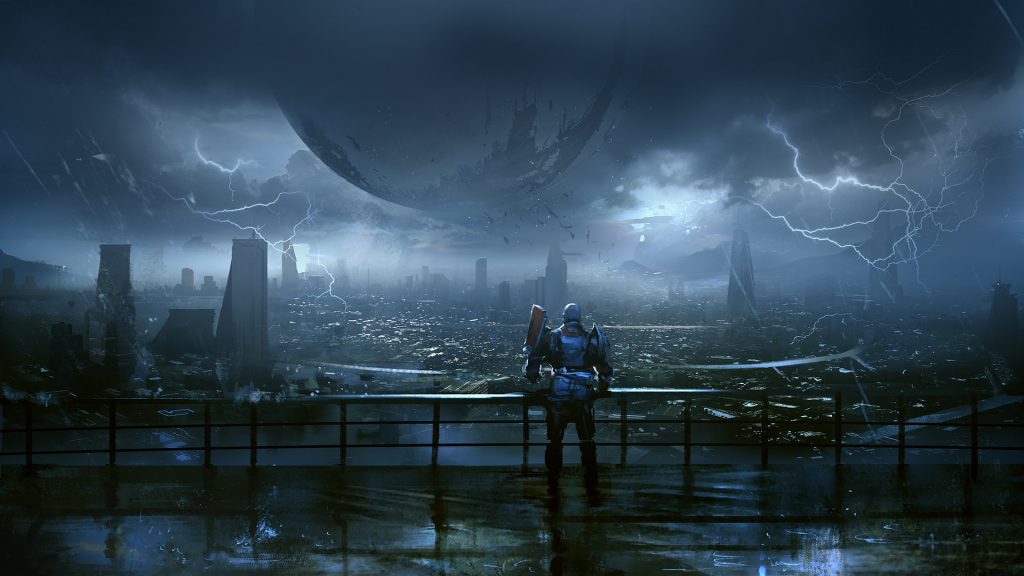
Out with the Old, in with the New
From the developers’ perspective, such a “sequel” is a nice thing. You have the opportunity to start anew and shed unnecessary weight. Furthermore, you become more attractive to new players.
Both Destiny 1 and ARK had and have numerous issues with the base game, which represent a deadlocked situation. Problems have grown over the years, and solutions are hard to find.
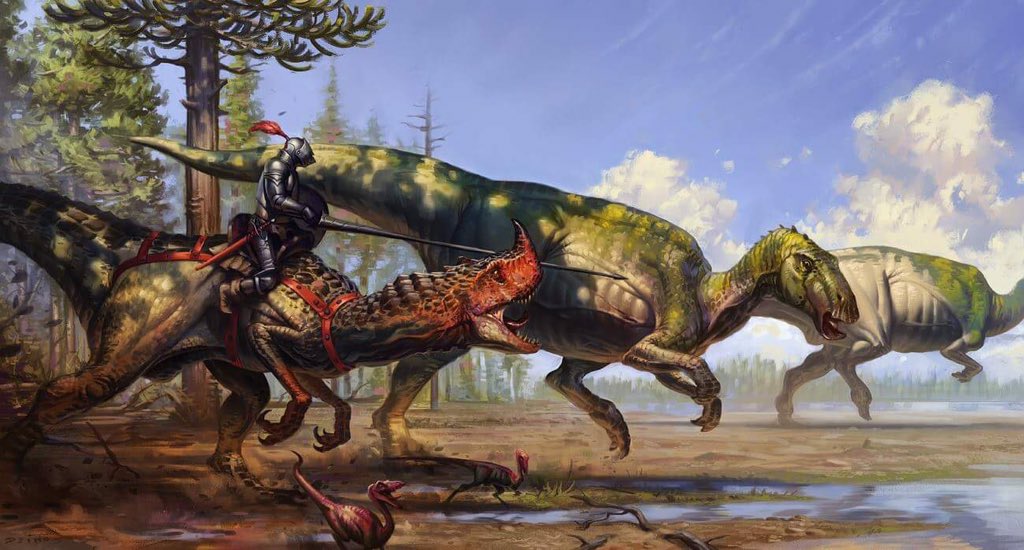
- With Destiny, the balance of weapons has always been an issue, as has the story that felt stuck. A fresh start is tempting.
- With ARK, performance issues have plagued the game for years because ARK allows many elements to run simultaneously on one server, which tends to struggle. Furthermore, there has been a terrible dupe bug that they would surely like to finally get rid of.
In light of such problems, it is appealing for both projects to say: We are making a clean slate, starting from scratch, taking what worked from the “old game,” and creating the rest new. Now we know much better than back then and can do it right from the start.
So it’s better to tear down and rebuild rather than repair the old?
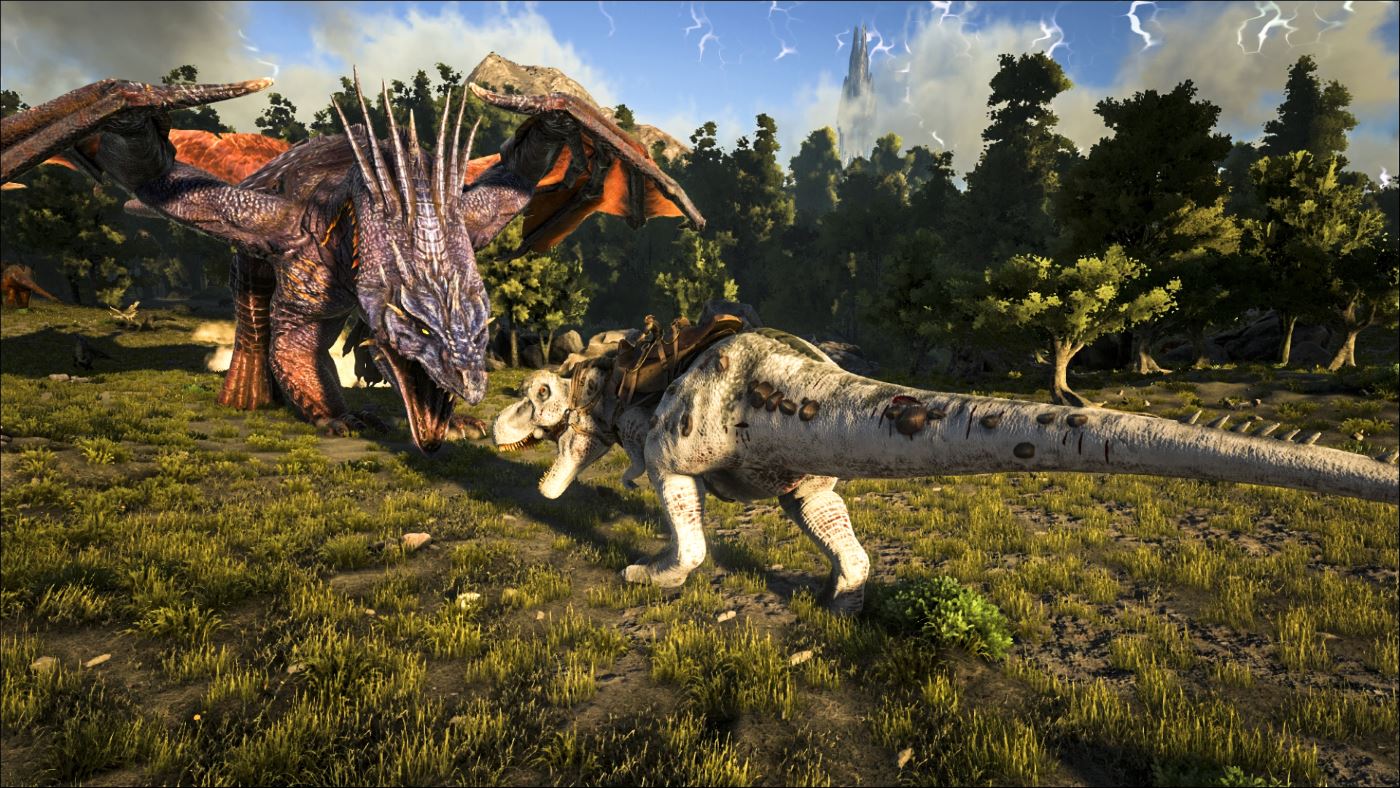
Great Financial Incentive
The financial incentive is also great: For a new game, you can once again charge full price. Especially the interest from buyers is much higher than for an old expansion. Such a number looks great on the packaging and attracts new customers to take a look at it. It signals: This is a new game! Buy me. Everyone starts from scratch.
Moreover, it is possible to reset the payment model and adapt to the new market developments.
- With Destiny 2, they immediately revamped the cash shop. Shaders that were permanent in part 1 and part of the in-game reward system are now converted to one-use shaders and linked to loot boxes in the cash shop. A new season pass is also on offer. An expansion in autumn 2018 seems almost certain.
- ARK had banned itself from microtransactions years ago, so it relies on “sales revenues” for expansions and DLCs. That might change with an ARK 2. A cash shop could be negotiated anew with the fans. Furthermore, ARK might go back into Early Access with an ARK 2. It feels comfortable there, as we know.
What Happens to the Old Games?
But what will happen to the old titles when the new ones come out?
Experience shows: Not much anymore. Destiny 1 was de facto ended. The servers are still open, but further development has been halted. The weekly and monthly PvP events are also over. Bungie did not provide a proper reason for this. ARK could end up the same way.
A sequel almost always means that the old titles phase out. Only MMORPG oldies like Everquest, Asheron’s Call, or Lineage resist such laws – where original and successor run parallel for a long time. But those could be relics of a bygone era.
Today, a sequel likely means: The old game is over.
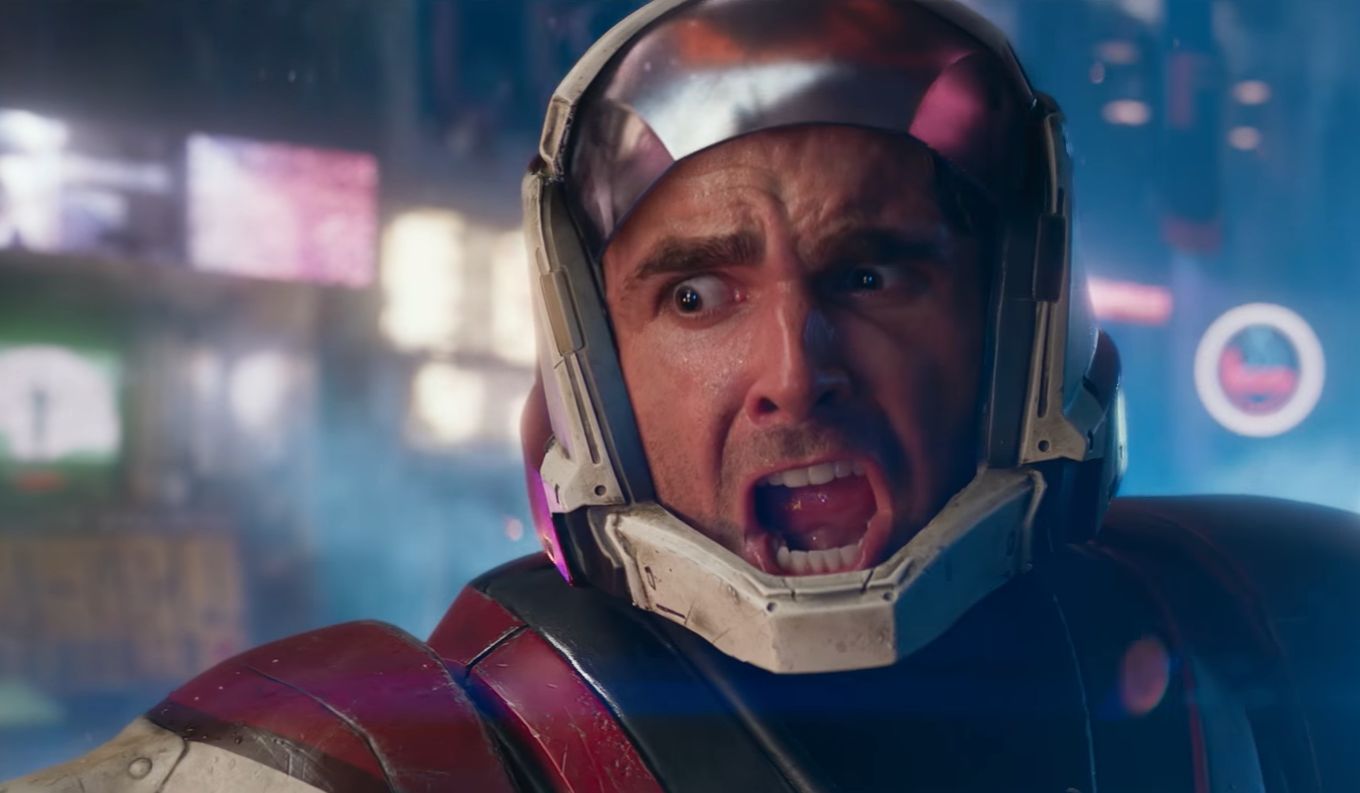
The Problems with Such Sequels for Endless Games
Such games like Destiny or ARK are actually designed as “endless titles”, or at least feel that way. They thrive on their concepts, their fantastic ideas that can be expanded and enhanced indefinitely.
- With Destiny, Bungie could endlessly bring new missions, weapons, strikes, and raids. And Bungie did this for three years.
- With ARK, players are used to new technology, new dinos, new features coming with every update. ARK never felt complete – it can naturally be expanded and worked on indefinitely. Fans expect that.
Everything a player has invested in terms of time and money in Destiny 1 or ARK should ideally last forever. In practice, however, such “sequels” end that contract, putting an expiry date on everything.
While it was long known that a Destiny 2 would come, the details were unclear:
- While Destiny 2 does reuse much from Destiny 1
- all progress and also the cash shop purchases of the players are completely lost
That’s not how it was originally envisioned.
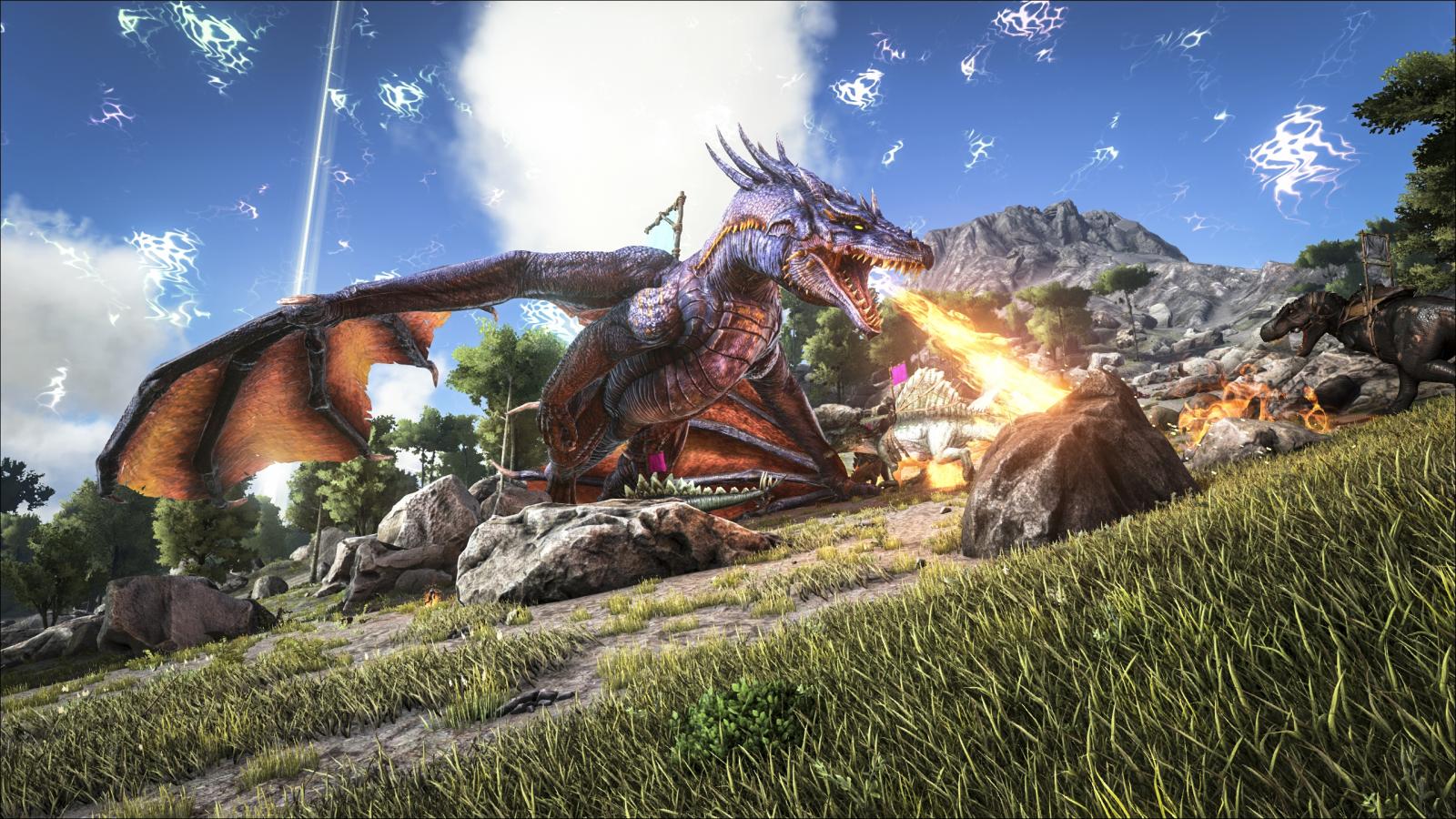
More Relaunch than Sequel
Moreover: Essentially, such reboots of games are not really “sequels”, but feel more like a relaunch.
The “2” in the title signals “new game”, but in practice, it feels more like the same game again, just a bit different.
ARK or Destiny – these are more concepts and ideas than real stories. What should an ARK 2 do differently than an ARK?
In principle, it’s not a “new game”, but an “improved, modernized re-release of the old” – like every few years a new Civilization or The Sims.
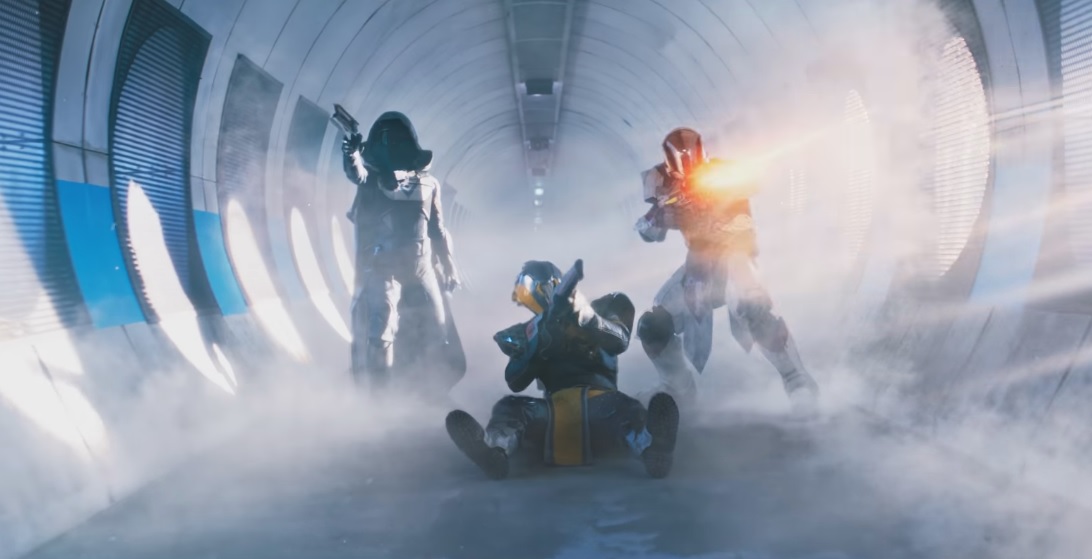
The Continuation of Infinity – A Question of Money
It’s a strange trend: Publishers actually want individual games to continue evolving and remain relevant. But titles like ARK or Destiny apparently prefer to become game franchises and resist this “Games-as-a-Service” trend. Notably, ARK and Destiny are two titles that first popularized this trend.
At the core, it probably comes down to specificities and especially money:
- In Destiny, the contracts with Activision were made around 2010, which obligate Bungie to release further parts. At that time, neither Bungie nor Activision knew that a console “endless” title could succeed. No one was banking on digital revenues from microtransactions back then. They thought Destiny could only make money with full-price titles and DLCs like Call of Duty. Today, we know: It could also have gone differently.
- In ARK, the opportunity to monetize and maintain the game through microtransactions is lacking. They need to generate new sales of the base game for the money to come in: ARK lacks a financing model for endless operation.
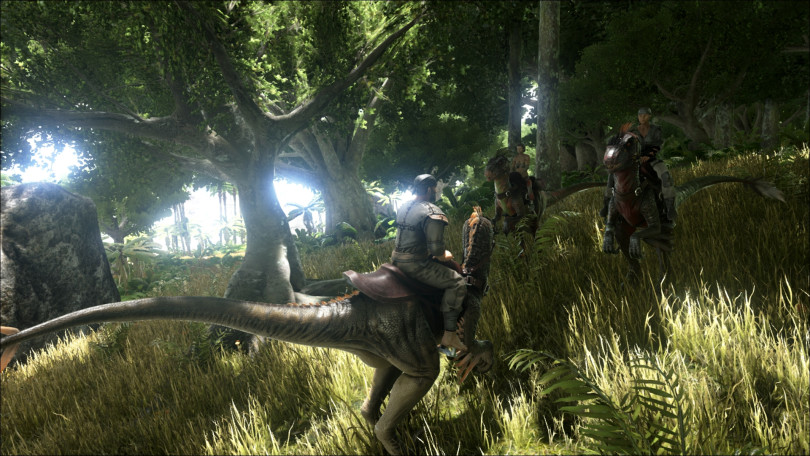
Now we have a strange situation of games that feel like “endless” titles, but are marching towards an end and a sequel. Hopefully, this won’t become a trend: It could shake players’ trust. A kind of unspoken deal between players and developers could be violated.
What do you think about this? Are you a fan of these ideas because they provide the opportunity for a fresh start? Or do the problems outweigh the benefits for you?

Your opinion is important to us!
Do you like the article? Then let us know!