An archaeologist is fed up with just digging up the real world – instead, he researches virtual ruins, such as in World of Warcraft.
Many curiosities have been heard about World of Warcraft. Whether it’s the Pandaren double agent, who reached level 100 solely through herb gathering, or the player who leveled up only by exploring the map. Additionally, from a scientific perspective, there have often been advances into virtual worlds: Researchers have been using the economy of WoW for a long time as a testing ground to evaluate the effects of various influences on the market and some managers owe their top jobs to having demonstrated their leadership skills in WoW.
But this is new: An archaeologist is currently investigating what conclusions can be drawn from archaeology in video games – sounds crazy, but it is a hot topic of discussion.
No differences between virtuality and reality
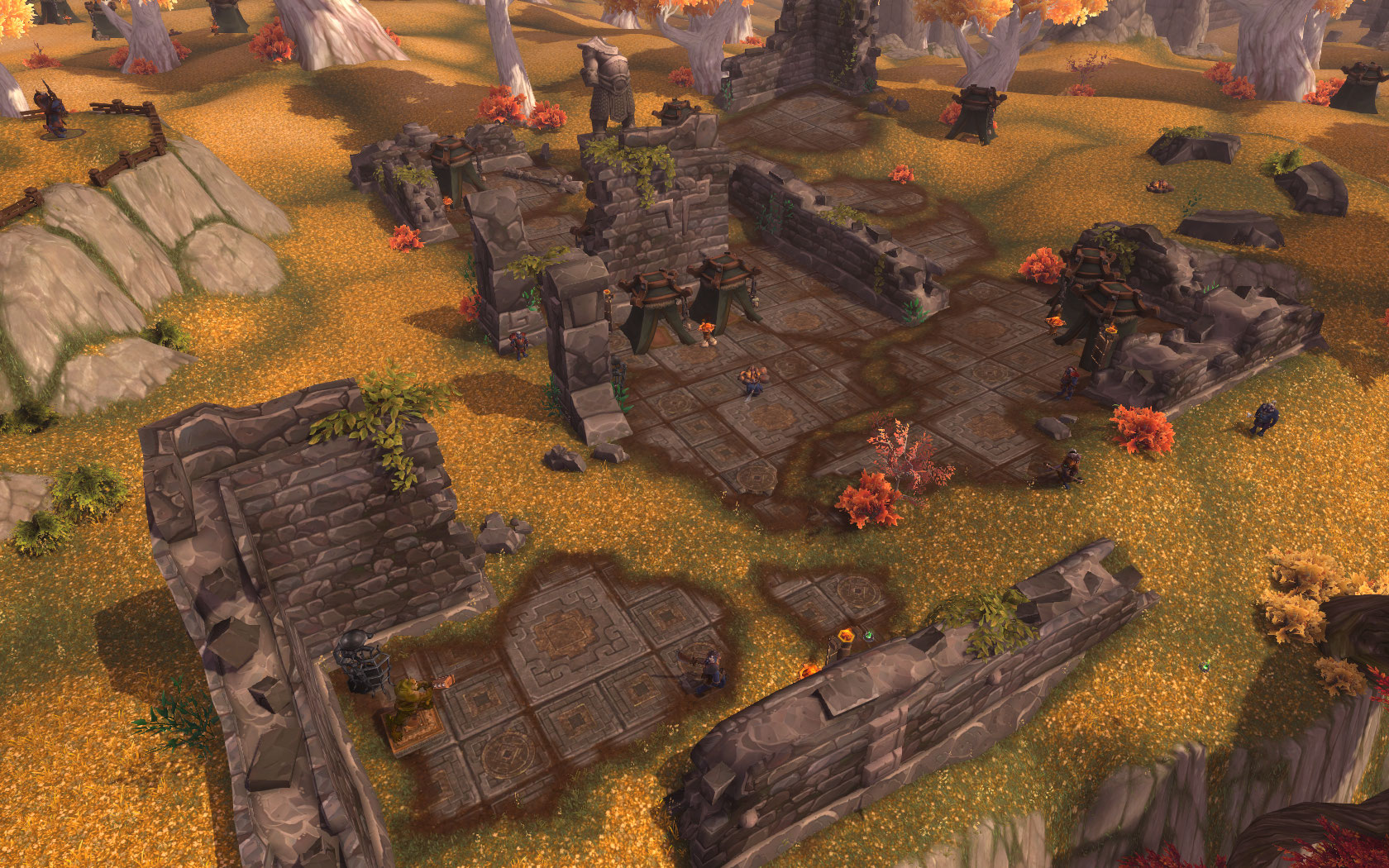
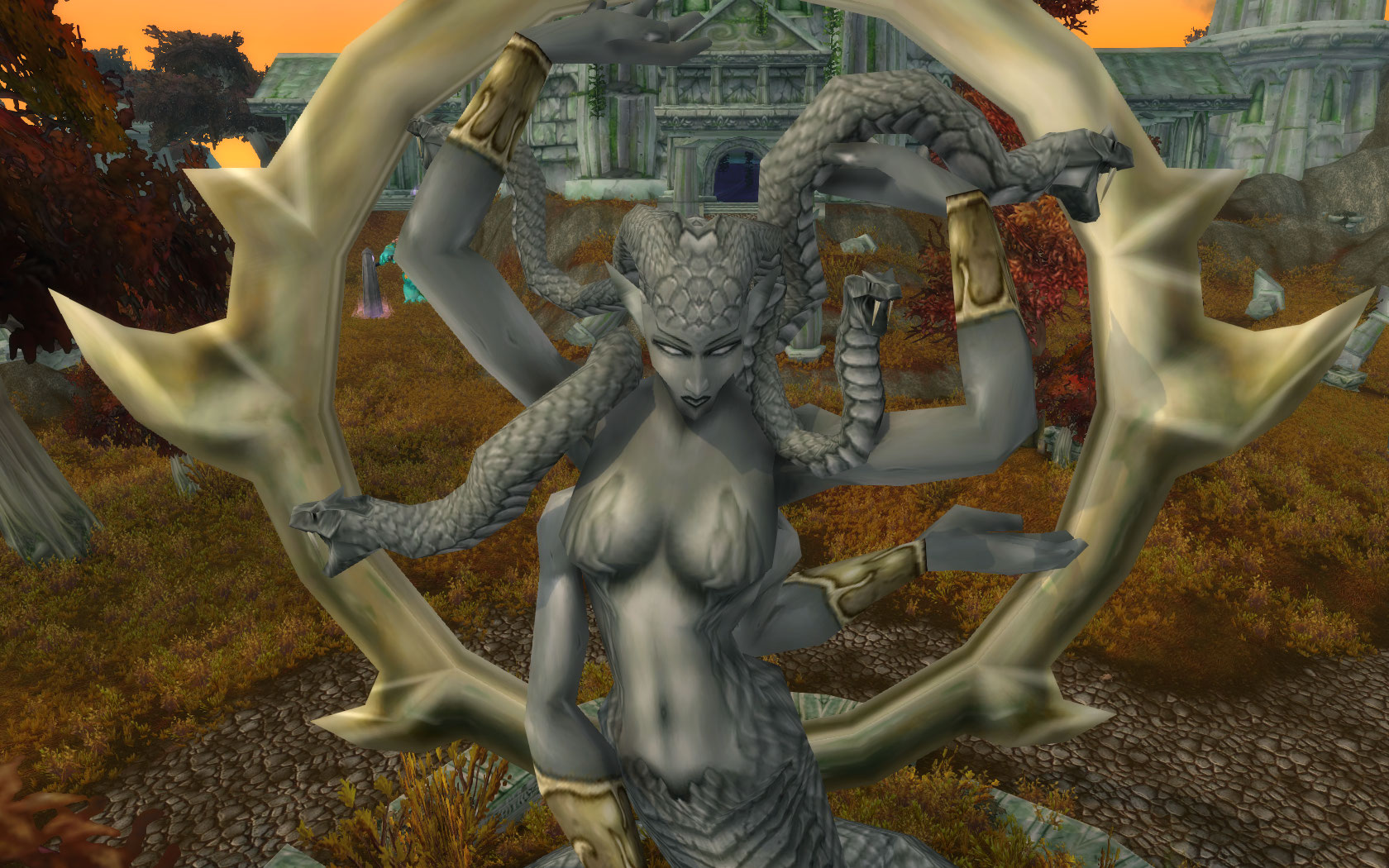
Andrew Reinhard, the aforementioned archaeologist, is taking an even bolder stance. He believes that “there is no difference between virtual cultures and real cultures“. From this statement, he directly draws the conclusion: If one studies various aspects of archaeology in games, one can derive certain insights about reality; this is referred to as “archaeogaming”. Anyone who thinks at first glance that this is just an attention grabber from the internet is mistaken. For over 2 years, Reinhard has been running his blog where he publishes his findings and explains certain circumstances within game worlds. Sometimes he discusses how archaeologists are portrayed in games; other times he writes about the different pottery techniques of night elves and blood elves – sounds like quite a lore freak, doesn’t it?
Finding the questions that archaeogaming can answer
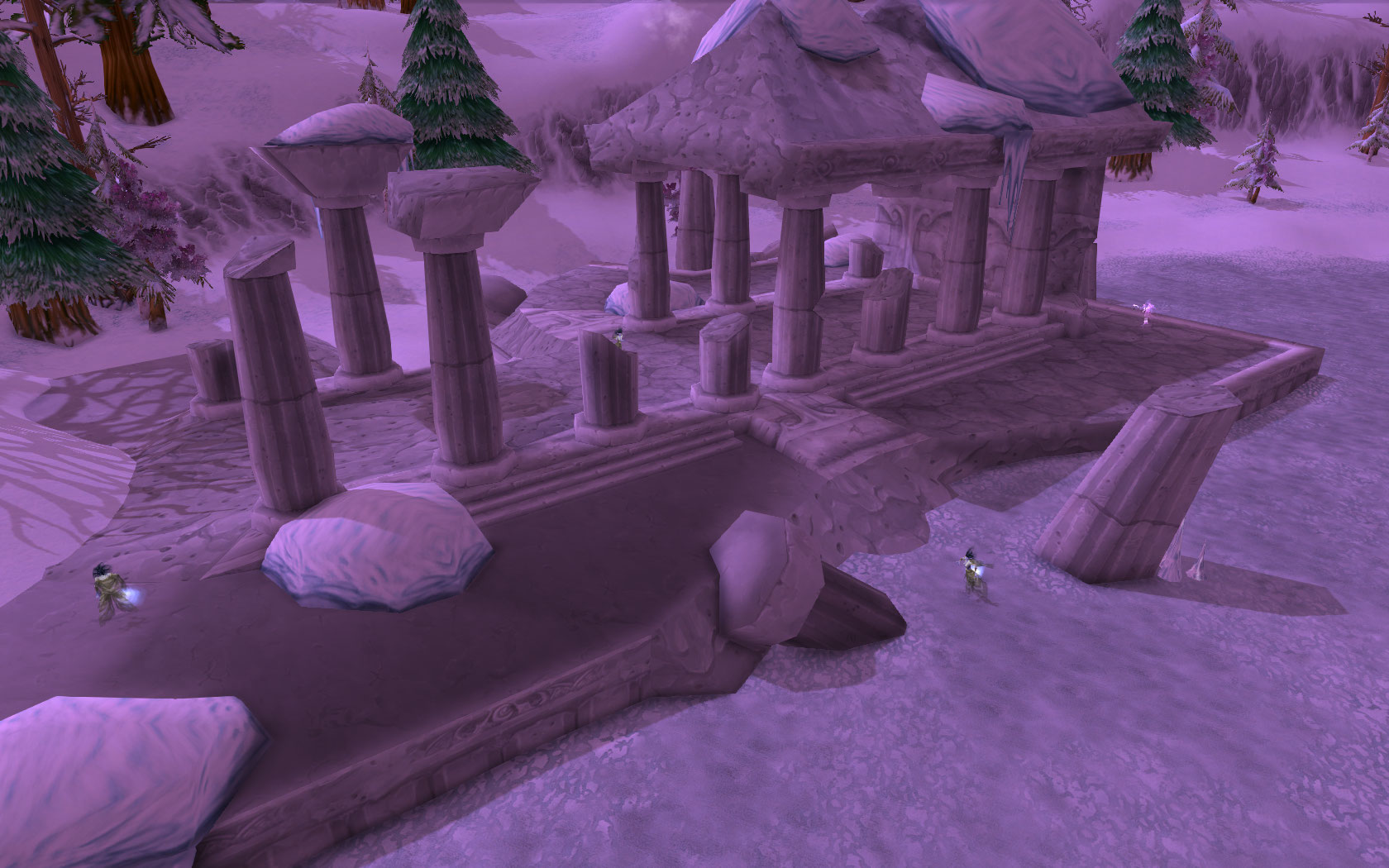
His line of thinking is actually not so far-fetched: He holds that games can be regarded as “artifacts,” just like anything else that humanity has ever created, and that alone is enough to grant these objects an archaeologically relevant character. If anyone thinks that Reinhard is nearly done with his research, they are mistaken! This year, he was accepted into the Department of Archaeology at the University of York and can pursue his research full-time in 2016. He aims to establish the foundations for future research and makes rather bold statements, such as “archaeologists need to pull their heads out of the sand and also turn to the sites of online games – they are just as diverse as everything else that humanity has created.
The biggest challenge is yet to come
Reinhard is particularly looking forward to the release of No Man’s Sky, a game that randomly generates worlds and is said to be able to create over 18 trillion different locations. “We will be able to explore cultures that no one has ever heard of. We will target them, catalog them, and find out if we can discover a universal truth about cultures that are machine-generated or created by artificial intelligence and compare them to what we have already learned here on Earth.“