

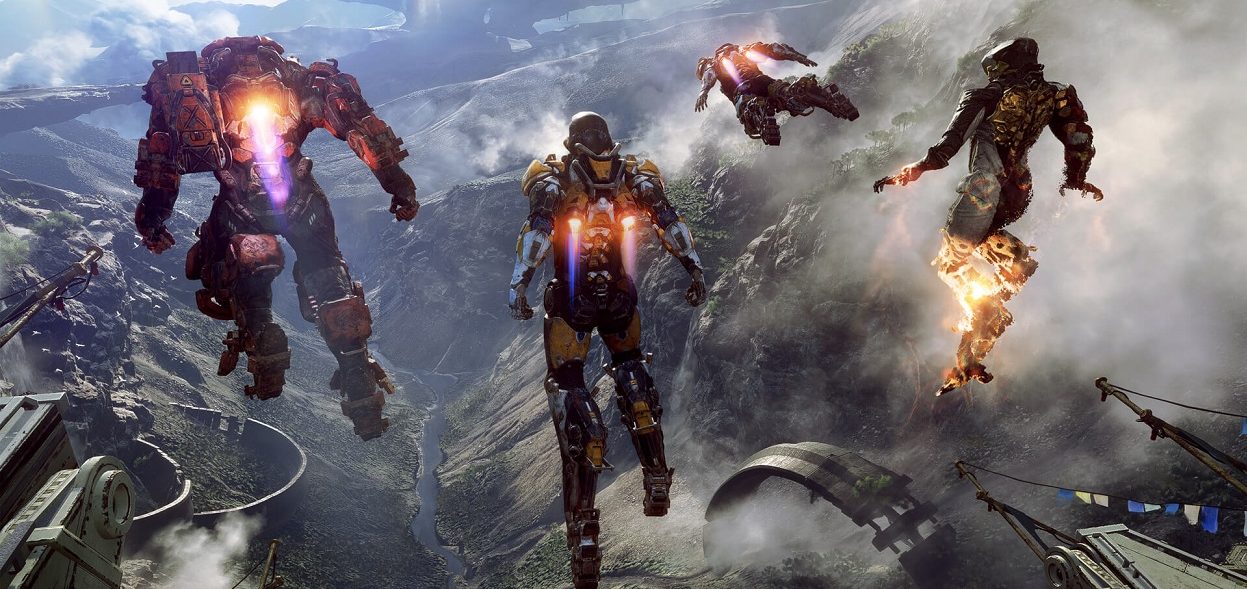
In Anthem : The gaming community is divided into two halves, our author Schuhmann believes. And satisfying both sides will be almost impossible.
When I think of my childhood, there are two streams in gaming:
- One is singleplayer. Me with my Sega Master System and an RPG. Hours spent alone with the first Phantasy Star or Shining Force. Later, thick role-playing games like Knights of the Old Republic or Vampire: The Masquerade.
- And the second is multiplayer. Me and a buddy together in front of the C64, each with a joystick in hand, playing Katakis. One controls the spaceship, the other the satellite. Or hours of Double Dragon.
Even back then, there were noticeable differences between these two types of gaming. In Double Dragon, the gameplay mattered to me – I didn’t care about the story at all. Playing alone makes these games only half as fun. The enjoyment came from the situation, from playing with my friend.
In Phantasy Star, however, I was immersed in the world, reading every line of text and learning English that way. There was no room for a second player.
In multiplayer games, the story gets skipped
The experience I had back then has shaped the gaming socialization of everyone and led to different expectations.
This is evident in the announcement of Anthem, the new game from BioWare. Because BioWare is actually known for its singleplayer games, but now they are focusing on multiplayer with Anthem. Some feel almost as if a friend has left them.
- Singleplayer games have evolved into game experiences that are like reading a good book. Many players, especially on PC, have their memories of role-playing highlights from the last decade when they think of BioWare. They want the next Knights of the Old Republic, the next Mass Effect. They want a cinematic story in which they can lose themselves. Story is central; there must be satisfying progression.
- On the other hand, multiplayer players, often at home on consoles, seek the opportunity to have fun with their friends in a game like Anthem. The co-op idea is at the center; the story takes a back seat. It’s about finding enjoyable gameplay that remains fun after countless hours and seeing a fascinating world that serves as the backdrop for the adventures shared with friends.
The problem is: In multiplayer co-op, the same missions are played over and over again – a story can only be experienced once. It becomes annoying the second time and gets skipped.
Both communities have different expectations of a game – and that is also reflected in the reactions. While we on the multiplayer side are receiving more positive reactions to Anthem – the gameplay trailer is going viral on Facebook – there is criticism of the new BioWare game from other quarters.
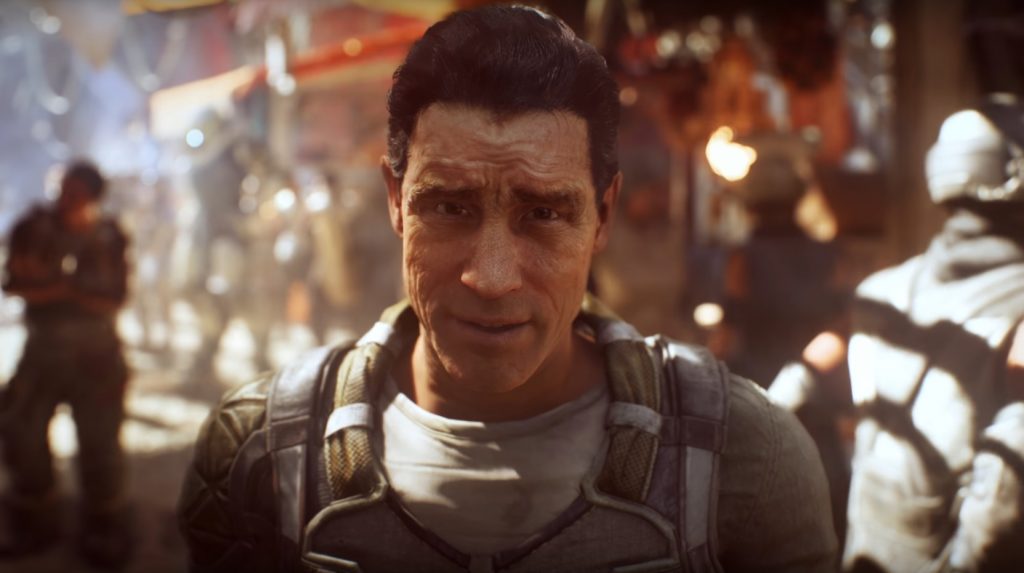
Singleplayer fans do not understand the fascination of “co-op”
If you want to know how solo players think, you need to look at PC communities that have developed over years.
On the GameStar site, which lives from PC gamers, the disappointment over Anthem seems to be great. Author Maurice Weber complains in an article: “That’s not enough, BioWare!”
The message is: BioWare means story. They have never stood out for gameplay or multiplayer. There was no story to be seen in the trailer, so alarm bells are ringing.
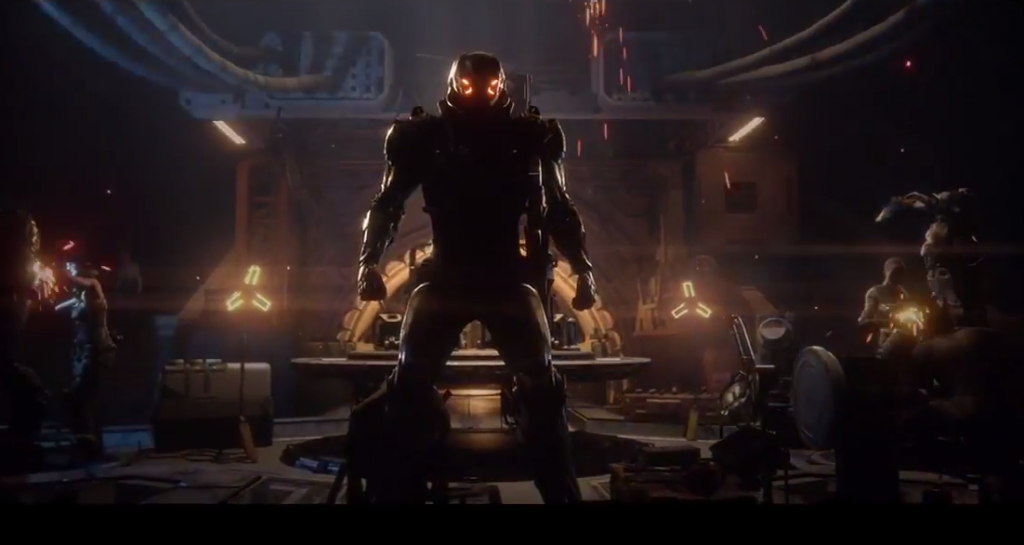
In the comments on the article, the death of BioWare in particular and the death of singleplayer games in general are lamented.
This is a development that has long been observable on GameStar. In live streams, the editors try to explain to the GameStar audience why this Destiny should even matter. Why people spend thousands of hours on it. The aversion to Destiny is large among many readers of the site.
This co-op experience: a game where the fun arises from playing with others, seems to be incomprehensible to the classic GameStar reader.
Destiny has turned necessity into virtue: We have no story – So what?
GameStar is not alone in this. Traditional game journalism has a problem with “co-op.”
When Destiny was released, it received low ratings from editors worldwide because they played it like a singleplayer game, and the single-player experience is only worth a “6 out of 10.” The editor alone in his quiet chamber simply cannot grasp the fascination of Destiny – because it only emerges in a group with others.
In hindsight, this turned out to be a misjudgment. When “The Division” was released two years later, it received a “This will be fun in co-op” advantage in ratings from the start: The Metacritic score of The Division (80%) is actually higher than that of Destiny (76%).

In Destiny, they made a virtue out of necessity – the story was nonsense – Game Director Luke Smith once explained: In Destiny, you shoot aliens in the face while discussing the Oscars with your friends. The main characters in Destiny are not NPCs, but the players themselves. Their stories should replace a story in the game.
With Anthem, BioWare is trying to achieve this PR balancing act. They say: “We have a BioWare story,” but we also give you space to experience your own stories.”
I believe: This will be difficult to pull off.
But this is not how to “be like Destiny”
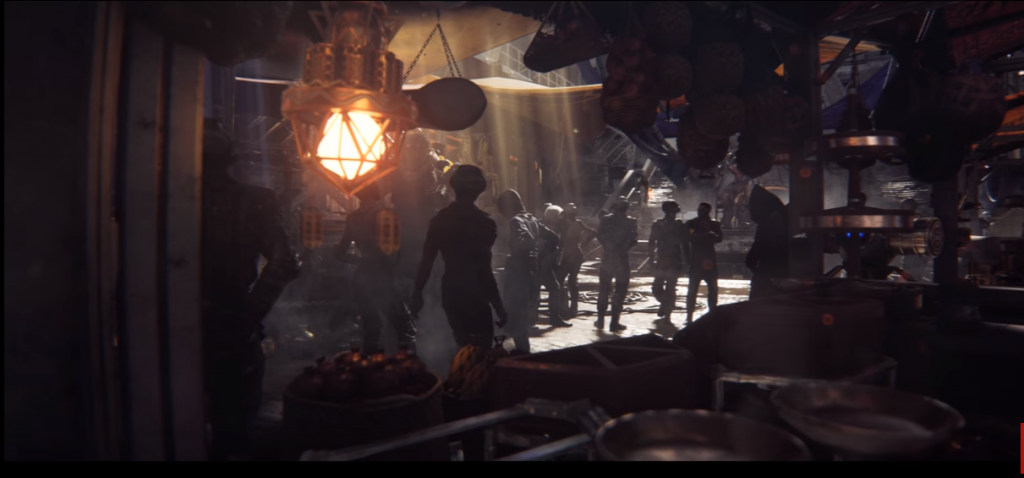
This balancing act between multiplayer and singleplayer is currently being attempted by many studios: They want to “be like Destiny,” keeping players engaged with co-op gameplay for years and making a lot of money, but they don’t want to lose their “existing customers” from the past. They want to provide them with a singleplayer experience so as not to alienate them.
This strategy is also being pursued by other “big singleplayer franchises” that now want to transition to co-op.
The Elder Scrolls Online continuously emphasizes: Come join us, we also have something for single-player gamers! You don’t have to be afraid.
Anthem will also try to do this, it is already apparent: They want to attract new co-op fans while retaining their old singleplayer fans.
There are also news like:
- Hey, you can also play Anthem solo.
- Did you find the story of Mass Effect 1&2 as great as we did? We hired the author!
But: Being “like Destiny” doesn’t work that way. Being “like Destiny” means: We have outstanding gameplay and a great world. The story? Uh, I’m hearing blaster noises in the background, I need to take care of that urgently; I don’t even have the time to explain why I don’t have time for explanations.
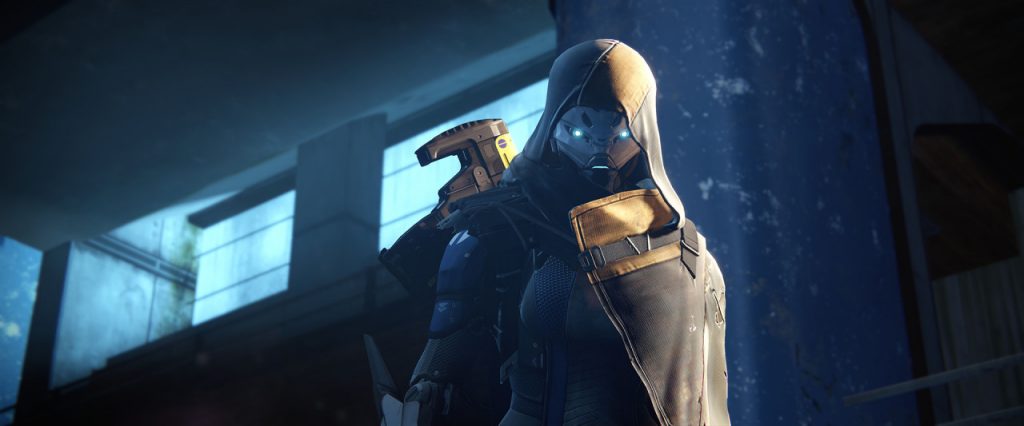
Everyone wants to be like Destiny
The question is:
- Do we focus on gameplay, game mechanics, and a fantastic world in which players feel comfortable and can find their own stories?
- Or do we give them a story to experience?
Currently, studios are trying to give players both: First, they should experience a great story and then transition into a co-op endgame multiplayer part. That is a dream scenario with tremendous difficulty: Just satisfying one of the two goals is already a mammoth task. Achieving both successfully seems almost impossible. Those who attempt it should rather orient themselves towards MMORPGs and not Destiny.
“Being like Destiny – but with a BioWare story” – how that is supposed to work, BioWare still has to show. GameStar is rightly skeptical: BioWare has not distinguished itself with multiplayer spectacles until now.
Ironically: Bungie is also planning something similar for Destiny 2, aiming to create a decent campaign with a cohesive story while connecting it with a strong co-op multiplayer component. Even Bungie no longer wants to be completely “like Destiny,” but better. And Bungie has a lot of experience with how to be like Destiny.
More on Anthem can be found here:
Anthem – The new game from BioWare: Here is all the information for you

Your opinion is important to us!
Do you like the article? Then let us know!