
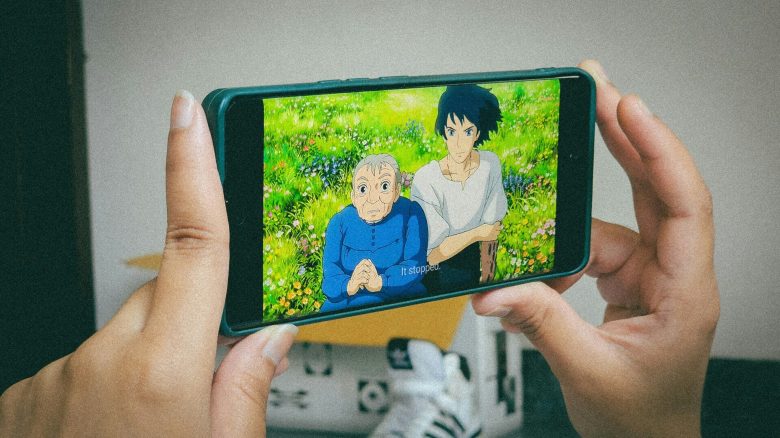
Studio Ghibli is cult, no question about it. Now, the popularity of AI-generated images in the style of Studio Ghibli has prompted OpenAI to take action to prevent potential copyright infringements. The talk is about possible watermarks.
Why does OpenAI want to watermark AI images? According to a report from BleepingComputer, OpenAI is testing the integration of watermarks in images created with the ChatGPT-4o model. This decision follows the viral spread of images in the style of Studio Ghibli, raising concerns about copyright infringements.
The watermarks are intended to help identify the origin of the images and avoid potential legal issues.
How did they discover the new feature? The clue about the watermark was found not through an official announcement, but by developer Tibor Blaho (via X).
Tibor Blaho stumbled upon code snippets within the Android app of ChatGPT that indicate an automatic labeling feature. Every generated graphic is expected to be marked in some way that verifies its origin with OpenAI.

A kind of invisible watermark
How does the labeling of AI images work? According to information from BleepingComputer, OpenAI aims to make watermarks mandatory for images from free accounts at first. Users of “ChatGPT Plus” could export images without this marking – a model that strongly resembles stock photo services, where one has to pay for usage without a watermark.
The technical standard for labeling is also reportedly already in the works: OpenAI supports the so-called C2PA standard, which aims to provide a uniform, traceable tracking of image sources.
The C2PA is a consortium of major companies that has developed a common standard to make digital content such as photos or videos traceable.
The standard ensures that one can transparently see where a content comes from, who created it, and whether it has been edited – similar to a digital provenance certificate. This makes it clearer whether an image is real, manipulated, or generated (via C2PA).
Why is this such a big issue for OpenAI? Spirited Away, Princess Mononoke, Totoro – all artistic masterpieces from the hands of artists from the renowned anime developer Studio Ghibli – and that makes them legally sensitive. With this measure, OpenAI aims not only to avoid legal problems but also to establish trust in the technology.
According to an official document on the GPT-4o model, OpenAI notes that the AI can create works that “resemble the aesthetics of certain artists.” This is where a legally delicate line runs: between artistic inspiration and copyright infringement (via OpenAI).



The development of AI like ChatGPT raises more and more questions about responsibility and copyright. While OpenAI experiments with watermarks, its own CEO is contemplating invisible threats – namely, the future of humanity. To what extent, you can read here: The CEO of ChatGPT is causing panic because he says that AI could threaten our society

Your opinion is important to us!
Do you like the article? Then let us know!