


Changes to Eggs in Pokémon GO: Nine species no longer hatch – Other monsters are now “Hyper-Rare”! Find out here which Pokémon and eggs are affected by the recent changes.

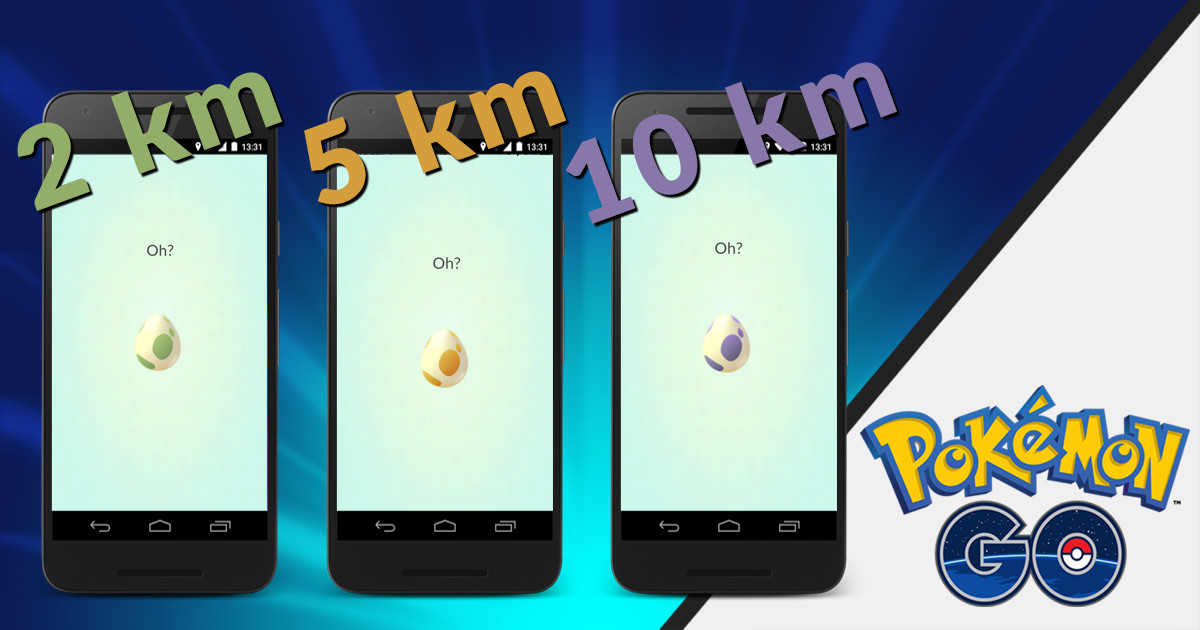
Trainers in Pokémon GO catch new Pokémon not only after raid battles or in the wild, but also find their new companions in eggs. They must transport them in incubators for 2km, 5km, or 10km depending on the category, so that a monster hatches from them.
The developers at Niantic have recently made some changes to the contents of the eggs, which we will explain to you here.
First Generation Starter Pokémon no longer in Eggs
As reported by the Pokémon experts from TheSilphRoad, there have been some changes to the eggs. The timing of the changes can be attributed to the anniversary event of Pokémon GO. Since then, researchers have examined over 6000 eggs and found that the following species are no longer included in these eggs:
- Bulbasaur
- Charmander
- Squirtle
- Staryu
- Ekans
- Goldeen
- Magnemite
- Vulpix
- Yanma
The community is happy about some of the changes that remove rather pointless monsters as rewards from eggs. However, some like Magnemite or Yanma are a bit sad, as they have cool evolutions in Generation 4.
As a result, the egg list has changed again. We have updated it for you and will keep it current in the future. You can find it here: Pokémon GO Egg List of Gen 1 and Gen 2
New Rarity Category
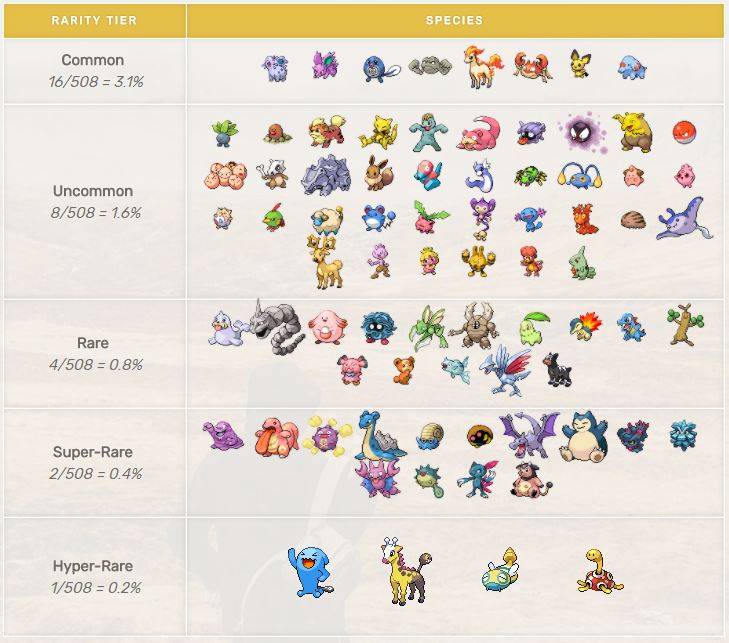
If you have hatched eggs, you may have noticed that some Pokémon hatch significantly more frequently than others. The monsters have previously been classified into four rarity tiers: “Common“, “Unusual“, “Rare“, “Extremely Rare“.
As explained by TheSilphRoad, the new rarity tier “Hyper Rare” has now been added. Monsters in this category are only extremely rarely found as a reward from an egg. According to experts, four species belong to the new category. They are:
- Woingenau
- Girafarig
- Dummisel
- Pottrott
The new rarity table is now organized as follows – Ordered from “Common” to “Hyper Rare”:
Why the new generations in Pokémon GO could become problematic

Your opinion is important to us!
Do you like the article? Then let us know!