

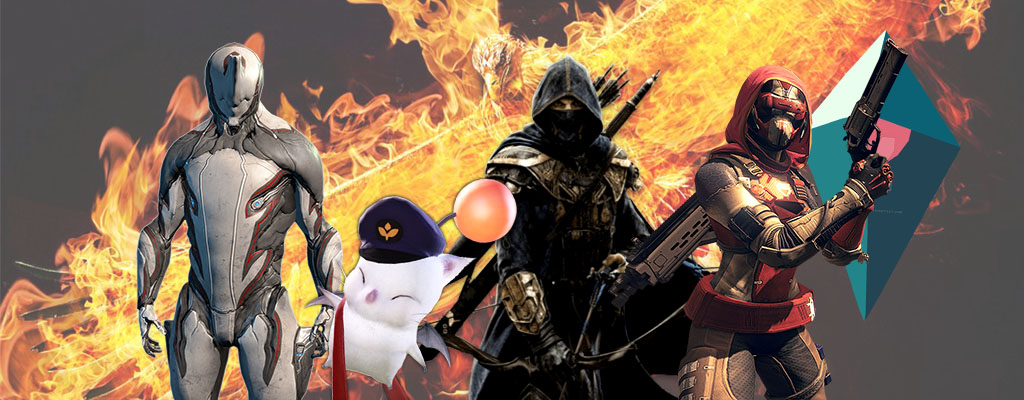
We have compiled 6 MMOs and online games that launched with a rocky start and were harshly criticized. However, these games worked on themselves and managed to turn things around.
One of the biggest advantages of “Games as a Service” games is that they are adaptable. The following games needed a transformation badly, as they initially had a rough launch after their release. This could have cost them their existence.
However, these games managed to turn the tide. Here are their stories.
Warframe
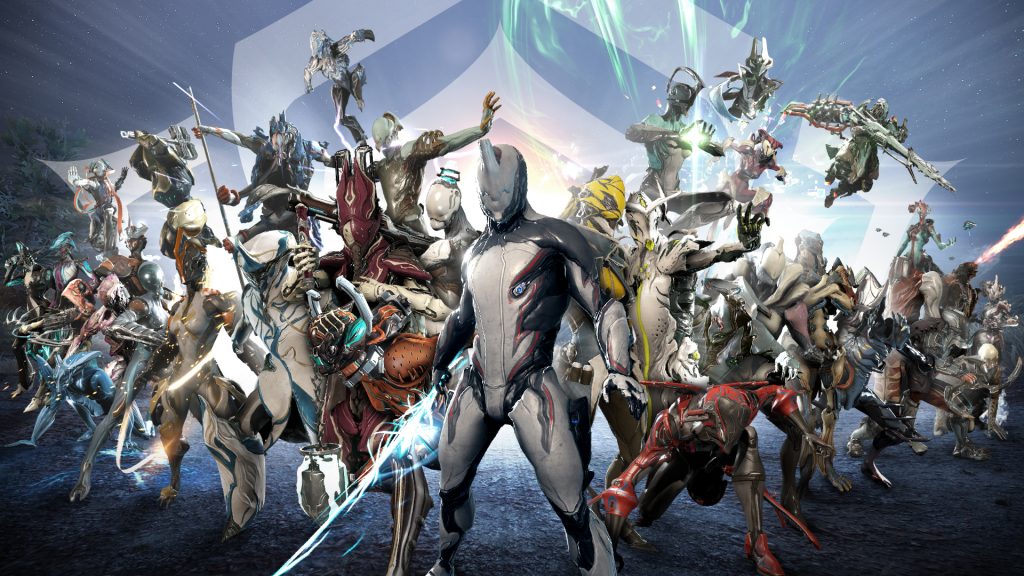
What kind of game is Warframe? The free MMO shooter is developed by Digital Extremes and is set in a futuristic setting. Warframe has a strong focus on coop, community, and fast-paced gameplay.
Players can choose from nearly 40 Warframes with unique skills to free the solar system from contaminated monsters, fascist clones, and greedy corporations. Warframe is one of the most popular free-to-play games and is known for its harmonious community.
Platforms: PC, PS4, Xbox One, Nintendo Switch
Year of Turnaround: 2015

What was Warframe’s problem?
When Warframe was released in 2013, the Free2Play model was still unusual for major publishers in the West. However, the indie studio Digital Extremes decided to adopt this business model at that time.
Warframe was meant to be financed solely through microtransactions. The problem was that Digital Extremes built hard payment barriers into the game:
- In the closed beta, Warframe could be played for free up to the level cap. Once reached, players had to pay to continue playing.
- Similarly, there were gameplay-relevant mechanics hidden behind paywalls. Players could revive four times a day. After that, a revival had to be paid for with real money.
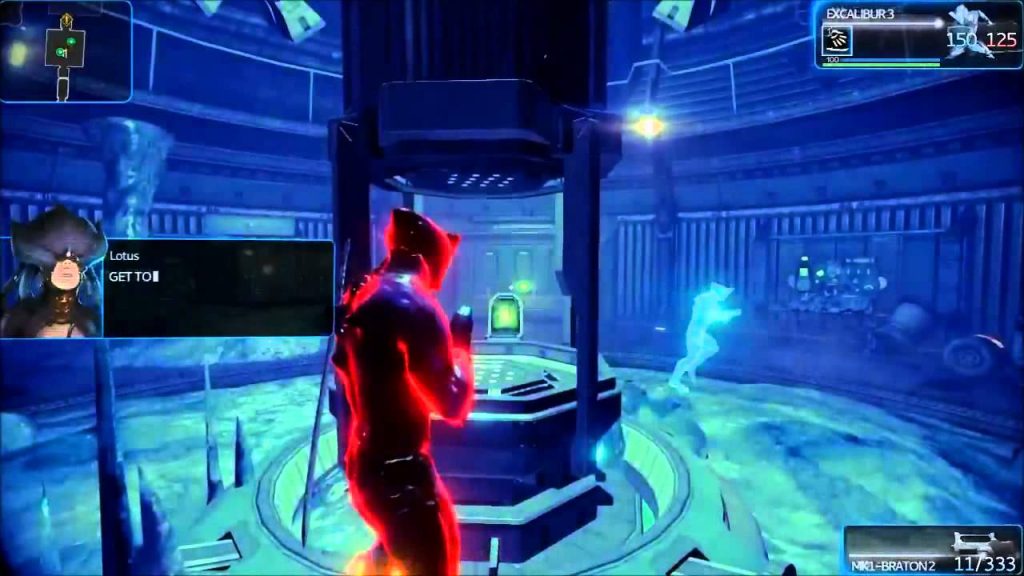
Although many critics agreed that Warframe had exciting gameplay at its core, it was not yet fully developed at that point:
- The movement was choppy and the enemies provided poor hit feedback.
- It was unclear what needed to be done at all. There were no mission markers.
- It was also said that the activities were too repetitive. At that time, there were only three Warframes and a few linear levels.
At that time, Warframe received mediocre and poor reviews from critics. For example, Eurogamer only gave it a 4/10, and GameStar was not very fond of Warframe either, although they acknowledged the online shooter had potential. Other reviews were similar.
The payment barriers were hated among players, and the still clunky gameplay could not even justify them. Warframe was at risk of flopping hard and quickly losing its player base.
How did Warframe solve its problem?
Despite the criticism and the paywalls, a core group of players who loved Warframe formed back then. They found the gameplay fantastic and wanted to see the Free2Play shooter grow. The community at that time asked the developers to remove the paywalls.
Now, Digital Extremes faced a pretty tough decision in 2015.
In an interview with Gamesindustry, the vice president once mentioned that this decision should forever influence the DNA of Warframe:

They chose to listen to the community and remove the paywalls, which was a frightening step for the studio. They now sought other ways to finance themselves with microtransactions.
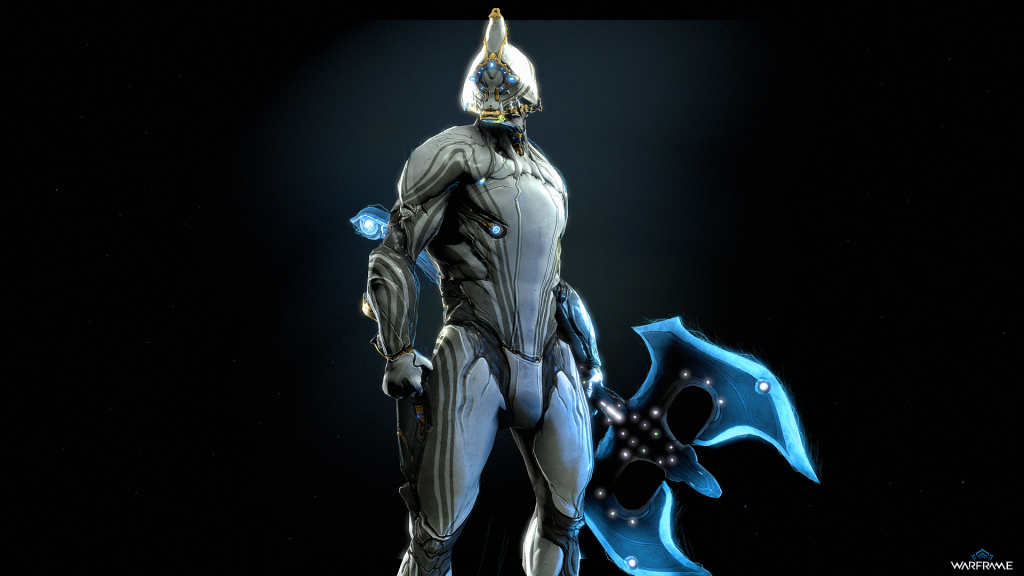
This very decision was the turning point for Warframe. The community felt understood by Digital Extremes and helped promote the game. There was a Founder’s Pack available in 2012-2013, offered for a whopping €225, which included the exclusive Warframe Excalibur Prime.
- From then on, Warframe worked on a fair Free2Play model and gave players the choice to voluntarily pay for the game.
- At Digital Extremes, they now wanted to give the community a voice and decision-making power.
- A close bond formed between the community and the studio, as players felt heard and respected. This bond should shape Warframe to this day, 6 years later, and save it from flop.
- Additionally, a new movement system was introduced in 2015 that gave players unparalleled agility: Parkour 2.0 – this was very well received by the players and became a hallmark of Warframe.
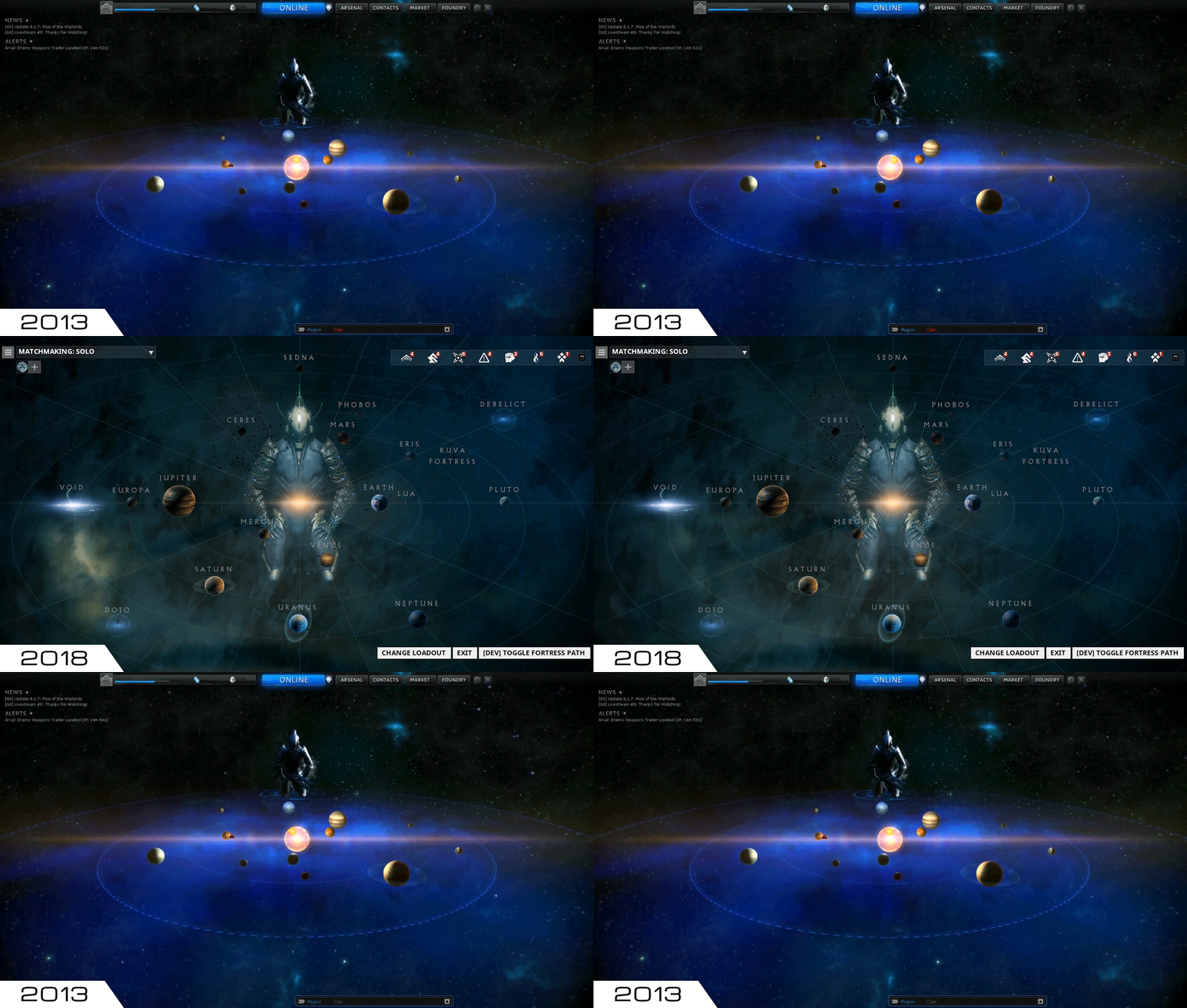
How is Warframe doing today?
Warframe has fought its way from underdog to top dog. The game currently reaches numbers of up to 50 million players.
Warframe achieved its real breakthrough in 2017 with its first open-world expansion “Plains of Eidolon”:

Exactly this path is being continued by Warframe, planning to gradually create an open world for every planet in its solar system. In 2018, the next expansion “Fortuna” followed, which also made a big impact.
Warframe keeps getting major updates, which improve the game and bring new content.
The payment model has remained fair. Those who wish can pay for things like cosmetic items or to speed up the crafting of items. There is even a level cap for certain items so that players cannot simply buy them too early.
For its future, Warframe pursues a different goal than genre-related Destiny 2 or The Division 2:


Your opinion is important to us!
Do you like the article? Then let us know!