

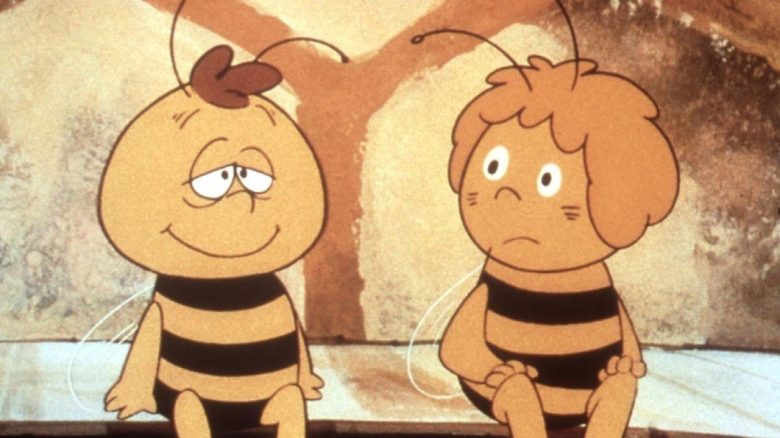
For them, the goal was to adapt the stories for an international audience. The typical anime look you know became dominant in the eighties and nineties. In the seventies, the style of Japanese animation was still more varied and experimental.
The series were often financed in cooperation with European broadcasters or at least firmly planned for export. The aim was not to appear Asian but rather to look as if the series came directly from the region of the respective book template.



There were other TV channels that had animes in their programming. One of them is the channel VIVA, which is actually known for its music clips. But in the evening, the TV channel turned into a true anime paradise. Which Japanese series aired there, you can find out here: 5 Animes that prove that VIVA was not just good for music
For them, the goal was to adapt the stories for an international audience. The typical anime look you know became dominant in the eighties and nineties. In the seventies, the style of Japanese animation was still more varied and experimental.
The series were often financed in cooperation with European broadcasters or at least firmly planned for export. The aim was not to appear Asian but rather to look as if the series came directly from the region of the respective book template.
There were other TV channels that had animes in their programming. One of them is the channel VIVA, which is actually known for its music clips. But in the evening, the TV channel turned into a true anime paradise. Which Japanese series aired there, you can find out here: 5 Animes that prove that VIVA was not just good for music
For them, the goal was to adapt the stories for an international audience. The typical anime look you know became dominant in the eighties and nineties. In the seventies, the style of Japanese animation was still more varied and experimental.
The series were often financed in cooperation with European broadcasters or at least firmly planned for export. The aim was not to appear Asian but rather to look as if the series came directly from the region of the respective book template.
There were other TV channels that had animes in their programming. One of them is the channel VIVA, which is actually known for its music clips. But in the evening, the TV channel turned into a true anime paradise. Which Japanese series aired there, you can find out here: 5 Animes that prove that VIVA was not just good for music
Alfred J. Kwak
- Original title: Ahiru no Quack
- Release year: 1989
- Animation studio: Telecable Benelux, B.V., VARA, Televisión Española, TV Tokyo, ZDF
What is it about? The story of the young duckling is based on a musical theater piece by Dutch singer-songwriter Herman van Veen. At the beginning of the series, Alfred is still unhatched in an egg. His entire family is run over by a car while attempting to cross a road.
Alfred survives as the only egg and is found and hatched by Henk, a mole. He raises the little yellow duck as a loving foster father. Alfred grows from this and experiences adventures that are unusual for a children’s series. It’s not just about fun but also serious topics like whaling, environmental pollution, poverty in Africa, and doping in sports. Even National Socialism is a theme in the series.
What’s exciting to know? Some episodes of the series were cut, shortened, or even new episodes were invented, as can be read in the Harald Siepermann Archive. One of these invented episodes revolved around a duck named Michael Duckson, who was actually voiced by the legendary pop star Michael Jackson. In the German version, he was voiced by the German voice of Michael Jackson.
Why don’t the series look like animes? If you paid attention, you might have noticed that many of the series were produced by Nippon Animation. This animation studio specialized at that time in adapting Western children’s literature.
The series were often financed in cooperation with European broadcasters or at least firmly planned for export. The aim was not to appear Asian but rather to look as if the series came directly from the region of the respective book template.
There were other TV channels that had animes in their programming. One of them is the channel VIVA, which is actually known for its music clips. But in the evening, the TV channel turned into a true anime paradise. Which Japanese series aired there, you can find out here: 5 Animes that prove that VIVA was not just good for music
For them, the goal was to adapt the stories for an international audience. The typical anime look you know became dominant in the eighties and nineties. In the seventies, the style of Japanese animation was still more varied and experimental.
The series were often financed in cooperation with European broadcasters or at least firmly planned for export. The aim was not to appear Asian but rather to look as if the series came directly from the region of the respective book template.
There were other TV channels that had animes in their programming. One of them is the channel VIVA, which is actually known for its music clips. But in the evening, the TV channel turned into a true anime paradise. Which Japanese series aired there, you can find out here: 5 Animes that prove that VIVA was not just good for music
For them, the goal was to adapt the stories for an international audience. The typical anime look you know became dominant in the eighties and nineties. In the seventies, the style of Japanese animation was still more varied and experimental.
The series were often financed in cooperation with European broadcasters or at least firmly planned for export. The aim was not to appear Asian but rather to look as if the series came directly from the region of the respective book template.
There were other TV channels that had animes in their programming. One of them is the channel VIVA, which is actually known for its music clips. But in the evening, the TV channel turned into a true anime paradise. Which Japanese series aired there, you can find out here: 5 Animes that prove that VIVA was not just good for music

Your opinion is important to us!
Do you like the article? Then let us know!