

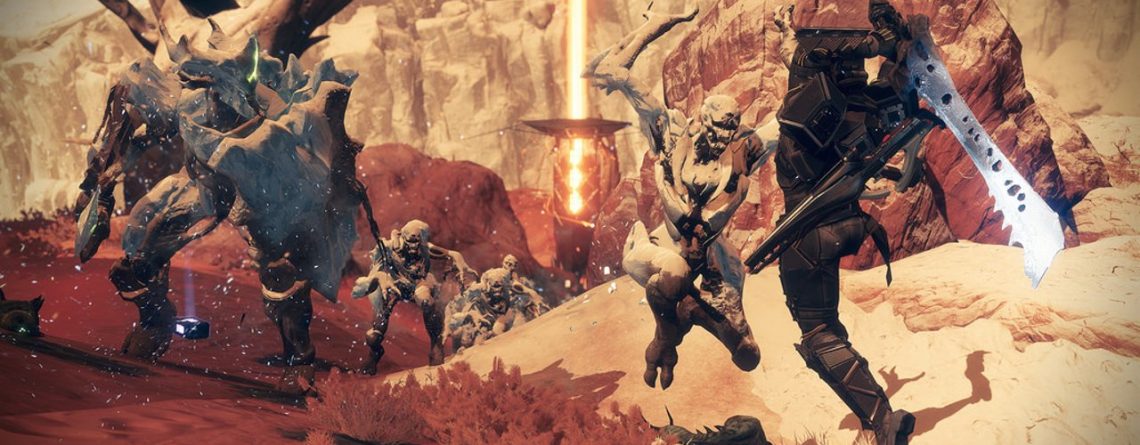
There is a sign from YouTube that progress is being made in the area of “gaming and violence”. YouTubers should now be allowed to upload videos about violent video games again without the fear of immediately receiving an “18+” rating. This affected YouTubers for Destiny 2, Call of Duty, or The Division 2.

This is the change: On December 2, 2019, a new policy came into effect on YouTube. Games are now treated the same as TV series and films. YouTube knows that there is a difference between violence in the “real world” and “scripted violence”, and this difference should be consistently reflected in the rules.
This policy is aimed at gaming YouTubers (via suppoert.google.com/youtube):
- It is explicitly stated that there are now fewer restrictions on violence in gaming, but YouTube wants to maintain its high standards.
- New gaming uploads that contain simulated or scripted violence may now be approved instead of being subjected to age restrictions.
- If a video focuses solely on the violence aspect of games, it may still be subject to age restrictions.

Fewer age restrictions, but the advertising problem remains
What does that mean? Videos about games are now less frequently marked as “18+”.
The actual problems with the “advertising” of gaming YouTubers still persist even after this change.
Even though a video now meets the new standards, it can still be demonetized if it violates the advertising guidelines. Because the new guidelines do not apply to advertising standards.
A video that has been demonetized does not earn the creator any money from advertisements.
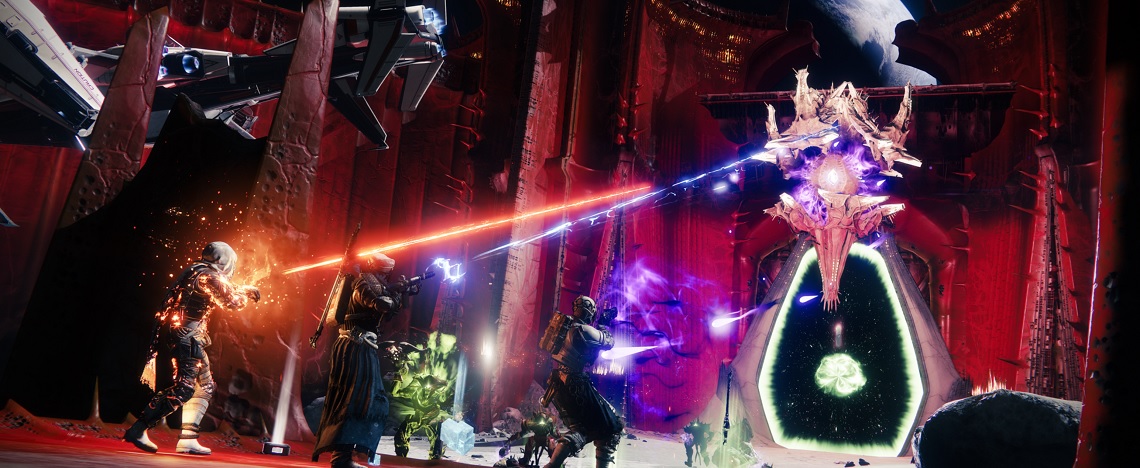
Since 2017, YouTubers for Call of Duty or Destiny 2 have been facing problems
What about advertising? YouTube has already experienced several “Adpocalypse” moments: Major brands became sensitive in 2017 about the content their ads were running on.
The brands announced they would no longer want to advertise on YouTube. They feared their ad clips would run before content that is glorifying violence, racist, sexist, or otherwise inappropriate. The brands did not want to be associated with such content.
YouTube responded by no longer allowing ads before certain videos, and those videos were “demonetized.”
This wave starting in the spring of 2017 hit gaming YouTubers as well, who suddenly did not receive any money for videos showing “violence”, as Forbes reported:
- It affected YouTubers like Mtashed for Destiny 2 – he didn’t make money for 140 videos.
- SkillUp, a YouTuber for Destiny or Warframe, also complained that YouTube had cut off his funding for some videos.
- The YouTube community around Call of Duty was particularly hard hit. Kotaku already reported this in May 2017. Some YouTubers could suddenly no longer earn money with videos about Call of Duty: WWII.
The strange thing is that this de-monetization does not affect everyone equally; some are hit harder, while others are not at all. Some have already referred to a “YouTube curse.”
YouTube makes progress in monetizing violent gaming videos
This is what YouTube says: The plan is now to find advertisers who run “bolder” products and connect them with YouTubers who also create bolder content: Someone who wants to advertise an 18+ movie could do so with a Mortal Kombat video.
This program has already led to “hundreds of thousands of dollars in advertising for yellow-marked videos” in its first month, says YouTube CEO Susan Wojcicki.
However, YouTube states that advertising for gaming is difficult. It is not high on the list of things companies want to advertise. Gaming is a relatively new area for advertisers – therefore YouTube is currently trying to invest in educating advertisers on why this sector is valuable.
The rise of Twitch coincides with YouTube’s problems
What’s behind it: This “crisis” for gaming YouTubers since 2017 has already had some consequences behind the scenes.
It is no coincidence that Twitch made a significant leap in growth in 2017.
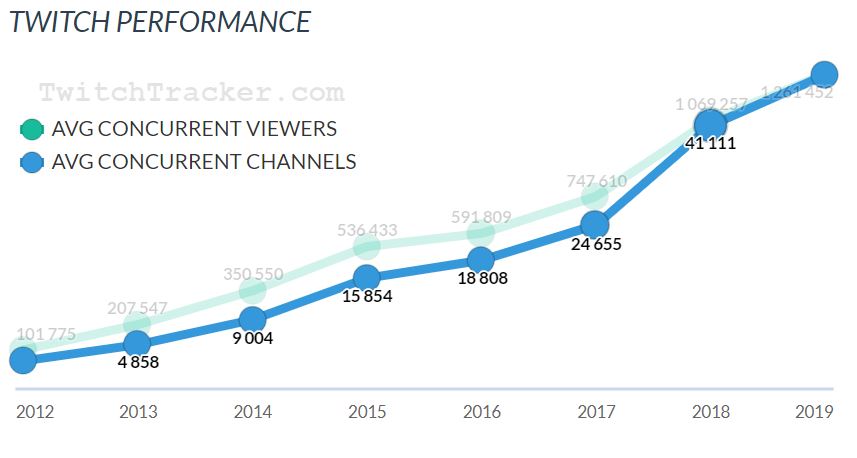
Twitch is a clear gaming platform and apparently does not pose these problems for gamers like YouTube.
Many successful Twitch streamers only use YouTube as a “secondary platform” and upload highlights of their streams there.


Your opinion is important to us!
Do you like the article? Then let us know!