

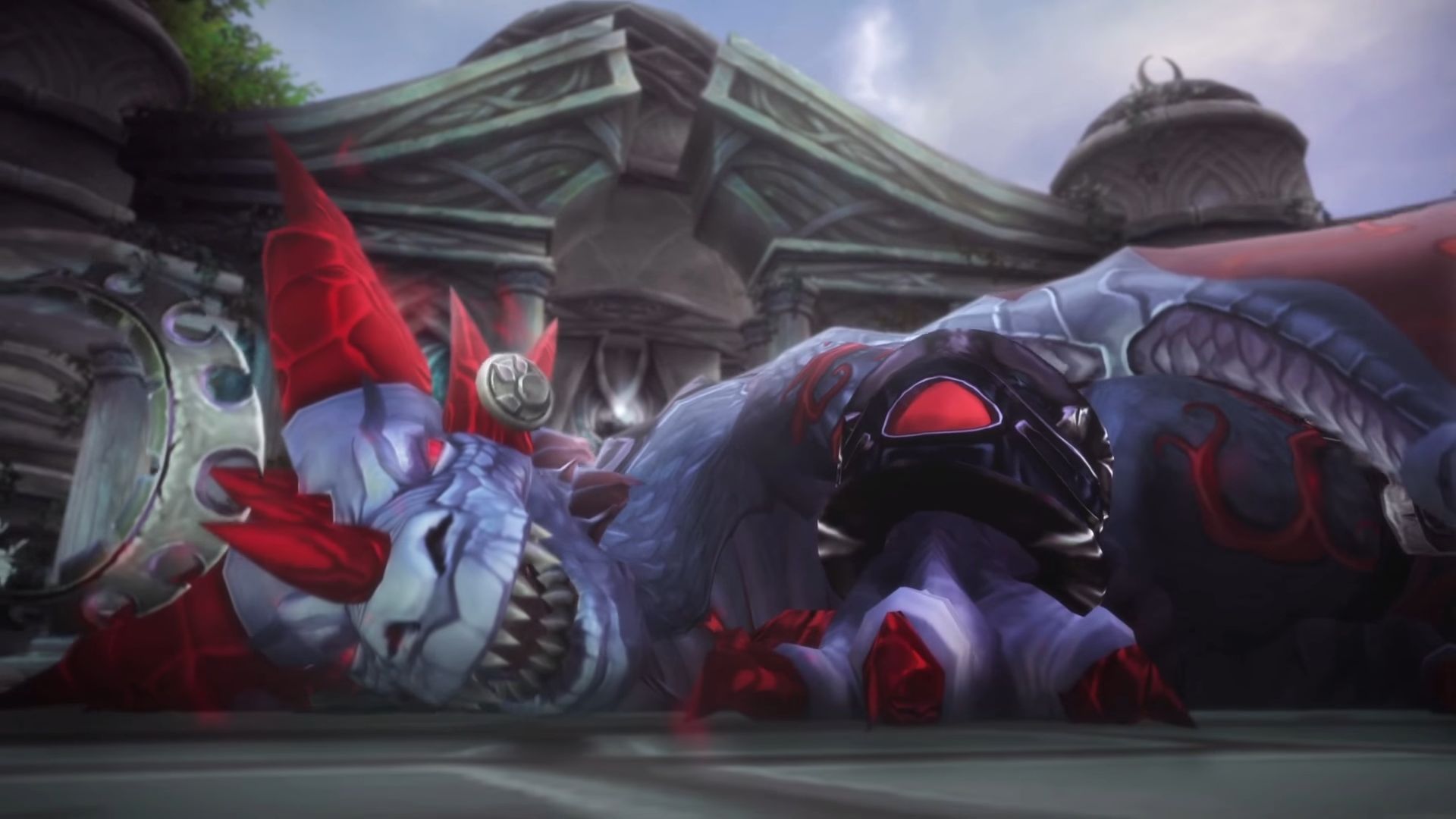
They play a role not only in the World of Warcraft but in almost every fantasy setting: dragons. They often appear as antagonists, sometimes as pure beasts, and often as puppeteers. Today, we would like to tell you a little more about them.

Dragons are one of the oldest known species on Azeroth. Some of them were created as aspects by the Titans to protect the planet: Alexstrasza, Nozdormu, Malygos, Neltharion, and Ysera. Two of them have succumbed to madness and nearly destroyed Azeroth.
However, other scaled great lizards have made a name for themselves from time to time. I would like to talk about a few that have particularly stuck in my memory. Not a few of them are responsible for the fate of the world (of Warcraft).
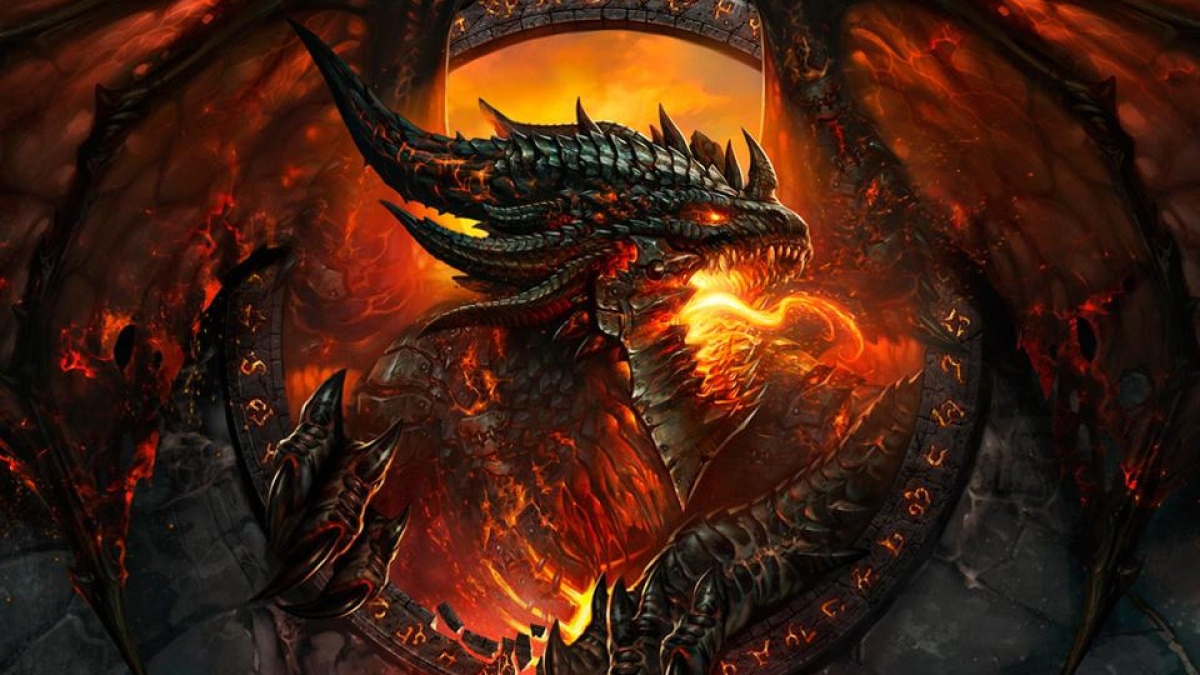
Since there are many dragons, and many of them play smaller or larger roles, I will only focus on three in particular that have primarily contributed to the development of Azeroth’s story. In doing so, I will avoid those about whom the game itself reports (like Neltharion, Nefarian, or Chromie) to pay tribute to those who are less well-known.
Warning: The following contains spoilers for some books from the World of Warcraft-, Warcraft-, and War of the Ancients series.
1. The Guardian of the Red Dragonflight: Korialstrasz
The fourth husband of the Aspect of Life, Alexstrasza, is one of the reasons why Azeroth even still exists. Better known by the name Krasus in the form of a High Elf, Korialstrasz fought in the War of the Ancients.
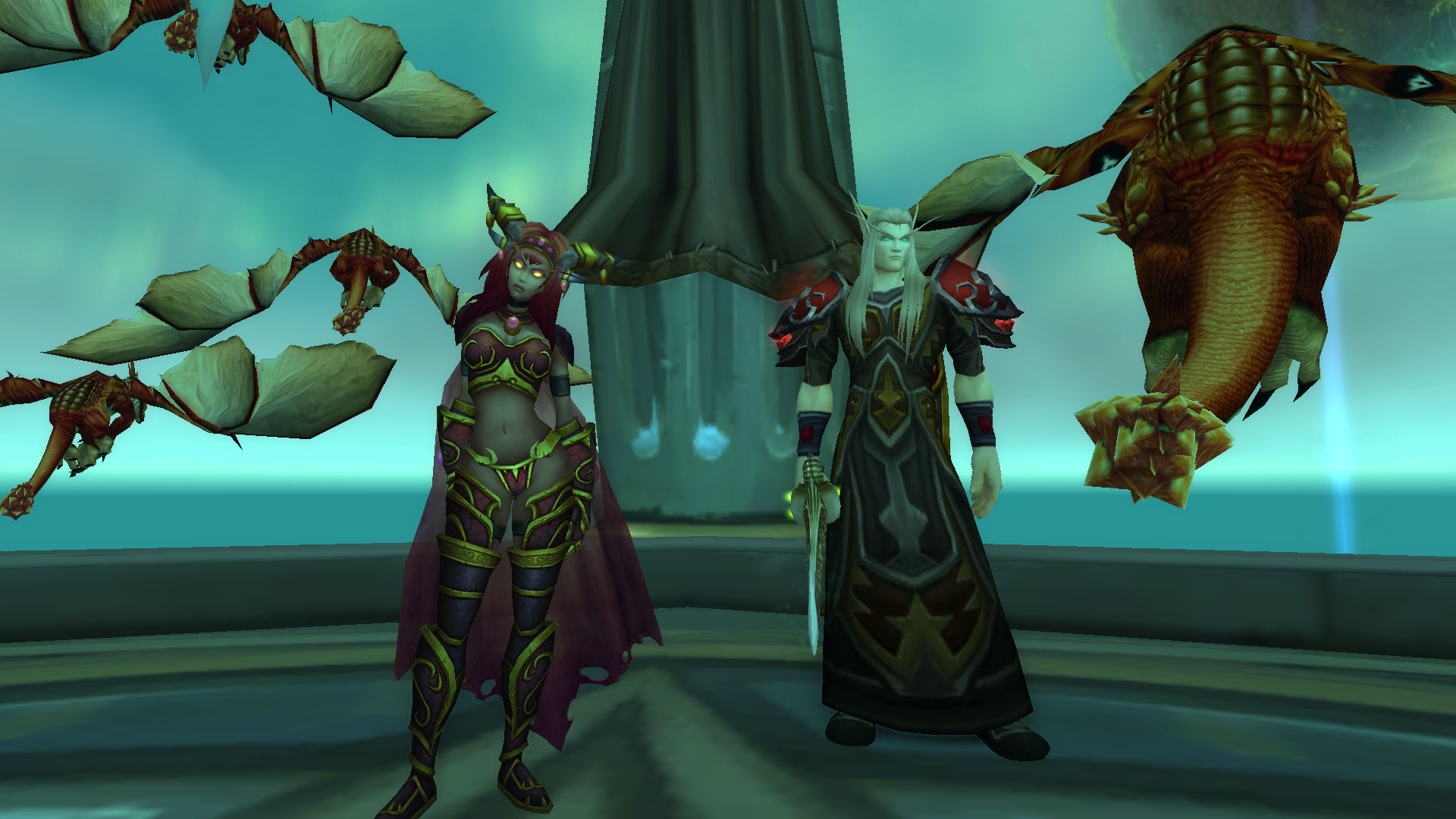
Due to a disturbance in time, Korialstrasz’ future self was separated from him, allowing him to exist in two versions at the same time. The future version took the form of the High Elf Krasus, which prevented both versions from being able to change their form.
Together, both versions traveled back in time with the help of Nozdormu to assist Malfurion Stormrage in the fight against the Burning Legion. While the High Elf Krasus coordinated the spells of the elven mages, Korialstrasz aided with a rain of fire from above. Without this dragon, Azeroth would likely have been destroyed thousands of years ago.
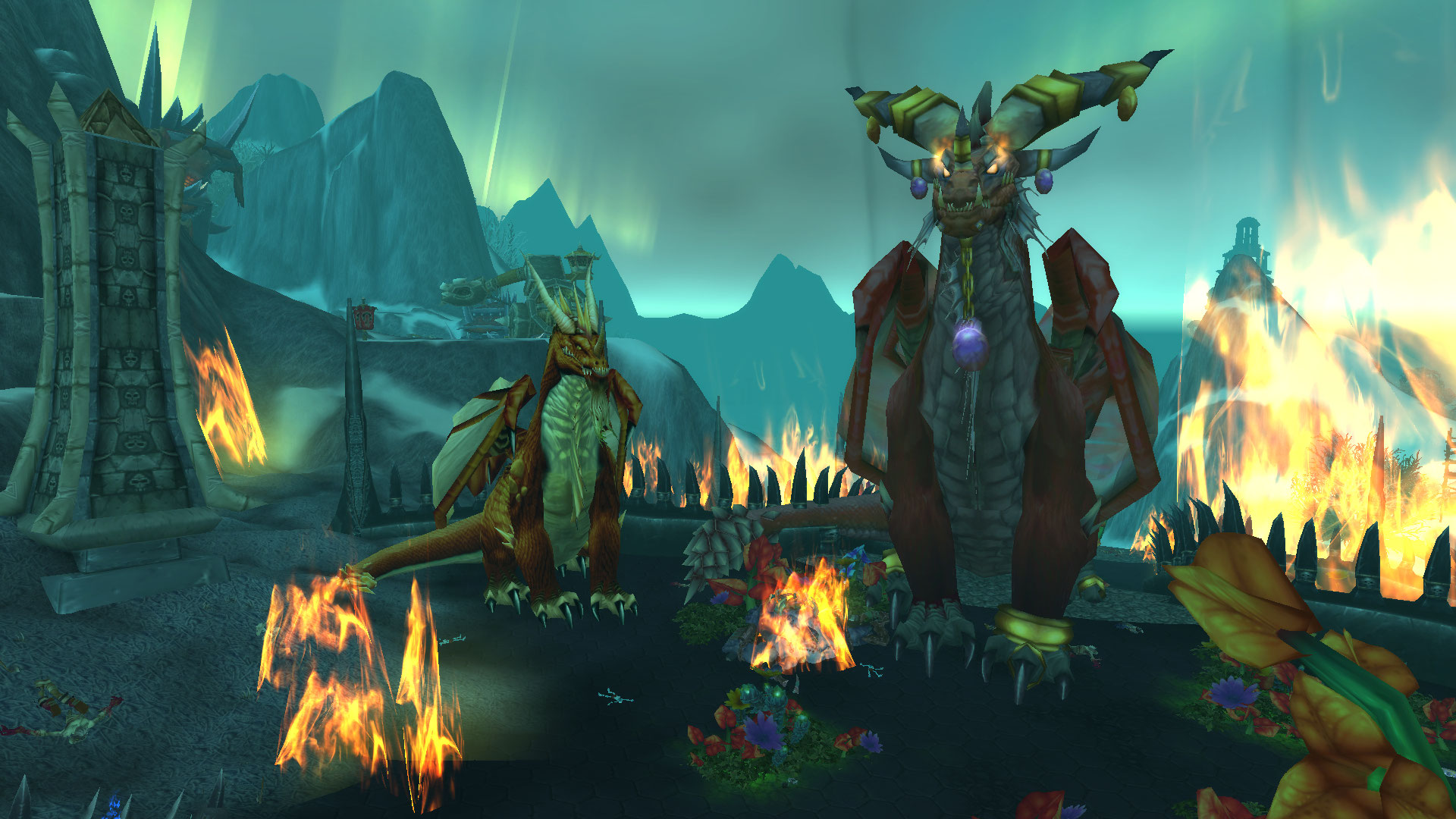
His end came while protecting all dragons. In the Chamber of Aspects, the breeding ground of all dragonflights in the Wyrmrest temple, he discovered that the eggs of all dragons had been switched with those of the chromatic dragonflight.
Chromatic dragons are a species created from the blood of all dragons by Nefarian. They possess the abilities of every flight and were bred for absolute obedience, making them a danger to everyone.
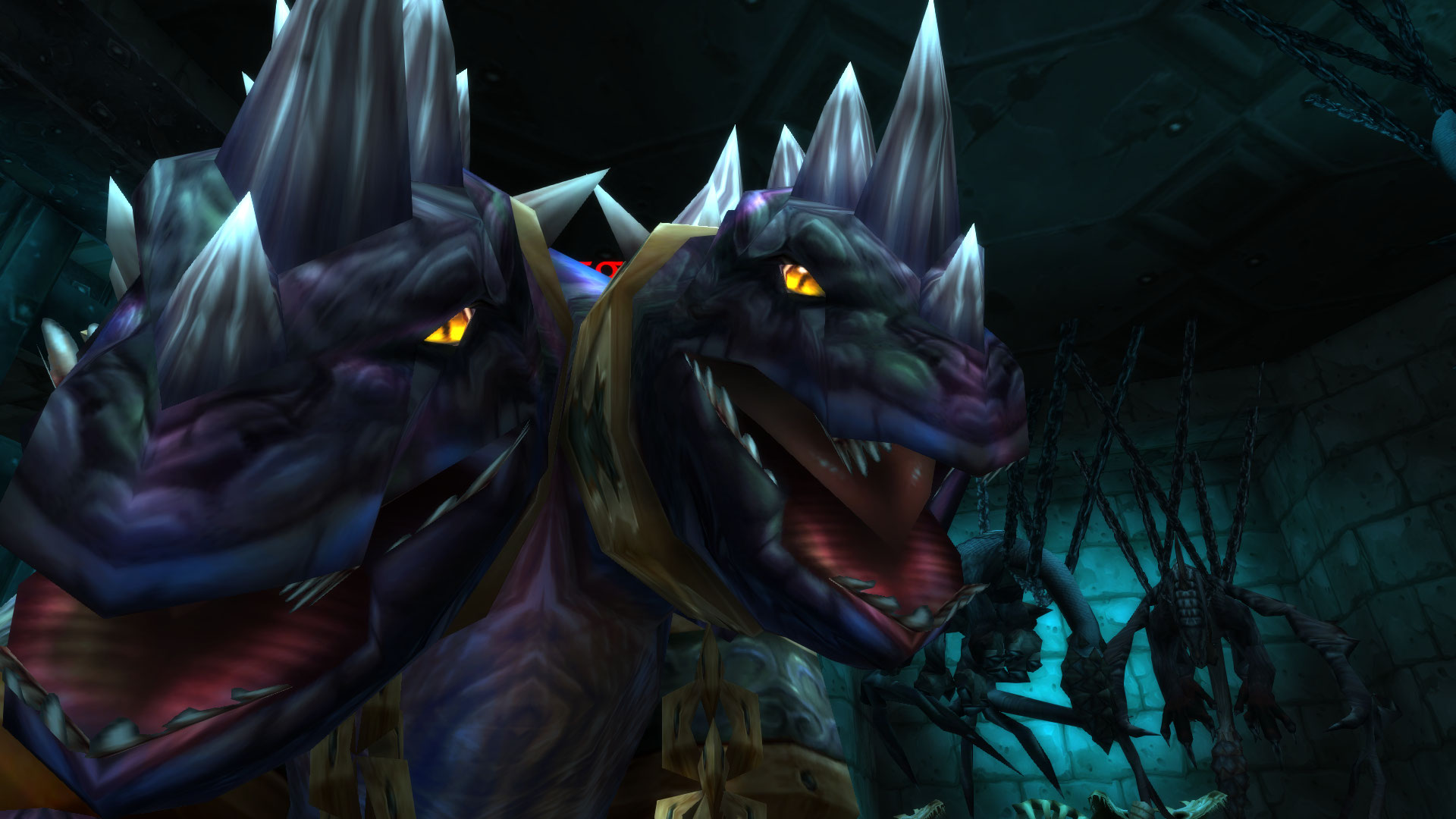
Krasus used his power to ignite himself and explode the entire chamber in a colossal firestorm. He was therefore called a traitor, as it was believed that he, as an agent of Deathwing, destroyed all the clutches to weaken the flights. His true motives came to light only through a vision of Thrall. His last word was “Beloved” – the thought of Alexstrasza.
2. The Daughter of Deception: Lady Katrana Prestor
A character who, especially for new players, may not be well-known, is the advisor to the young Anduin Wrynn: Lady Katrana Prestor. The lesser noble is actually the daughter of Neltharion: Onyxia.
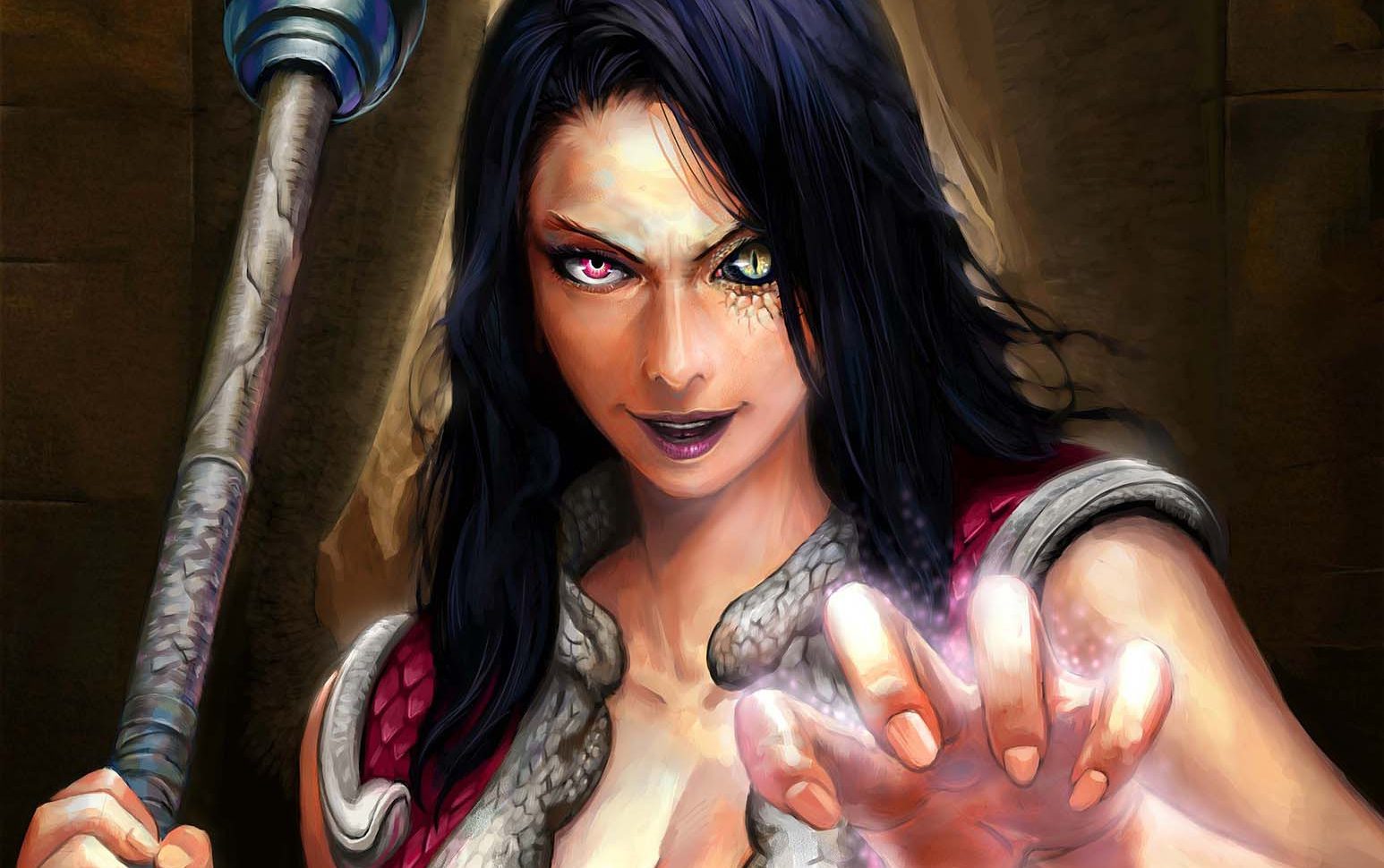
Her influence was rather subtle and long-planned – typical for dragons of the black dragonflight. As the daughter of Lord Daval Prestor, the former advisor to King Terenas Menethil II., she came to Stormwind to support King Varian Wrynn.
The effects of her actions are particularly relevant for the Alliance. She was likely the one who refused to pay the Stonemason’s Guild after they rebuilt Stormwind. Under the leadership of Edwin VanCleef, the guild eventually withdrew and became the bandit gang of the Defias, which has since terrorized Stormwind.

Through her cunning, she manipulated the nobles of Stormwind to conspire with the Defias. This led to the kidnapping of King Varian Wrynn. With a dragonfire amulet, she controlled Bolvar Fordragon – which effectively made her the only advisor to Anduin. Since he was not yet old enough for regency, Onyxia was de facto ruling alone.
In this position, she prevented support for Westfall, Sentinel Hill, and Darkshire, which led to the strengthening of the Defias Brotherhood and the Blackrock Clan. They probably cooperated with the black dragonflight, which also benefited from it.
3. The Father of the Aspects: Galakrond
Galakrond is a name that probably few WoW players remember. Much about him is told only in the book “The Fall of the Aspects,” in which Kalecgos relives a memory of Malygos.
The proto-dragon is the first dragon that was ever created. He was larger than all aspects combined and, despite his evil nature, a key figure in history. Kalecgos learns that the monstrosity had such an insatiable hunger that it even devoured its own kind.
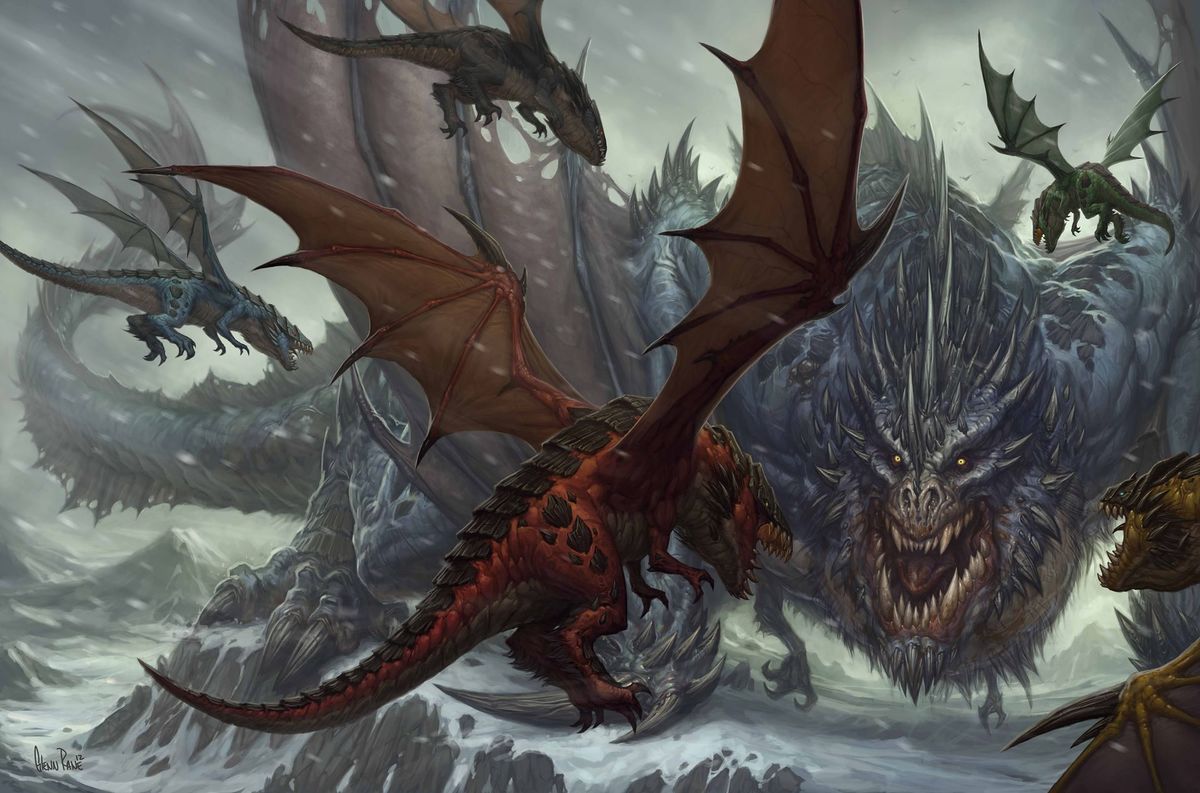
Through this cannibalism, Galakrond so corrupted his essence that he became a kind of unholy abomination. This corruption later became so strong that any dragon he devoured or wounded mutated into an undead monstrosity.
He could only be defeated when all dragonflights united and received help from the Titans themselves. The leaders of the flights, at that time still proto-dragons, all received a gift from the Titans:
- Alexstrasza received the gift of life from Eonar, the Life Binder (who will soon become a boss in Antorus)
- Ysera, Alexstrasza’s younger sister, received her gift of the dream of creation (also known as the Emerald Dream) from Eonar as well.
- Nozdormu received the gift of time from Aman’thul, the Highfather, who is the leader of the Pantheon and brother of Sargeras.
- Malygos received the gift of magic from Norgannon, the Dreamweaver.
- Neltharion finally received the blessing of earth from Khaz’goroth, the Shaper, whose hammer is one of the Pillars of Creation.
These blessings made the dragons into aspects and gave them the form that we know dragons to have today. It was only through them, along with the help of the guardians, that the flights were able to defeat Galakrond.
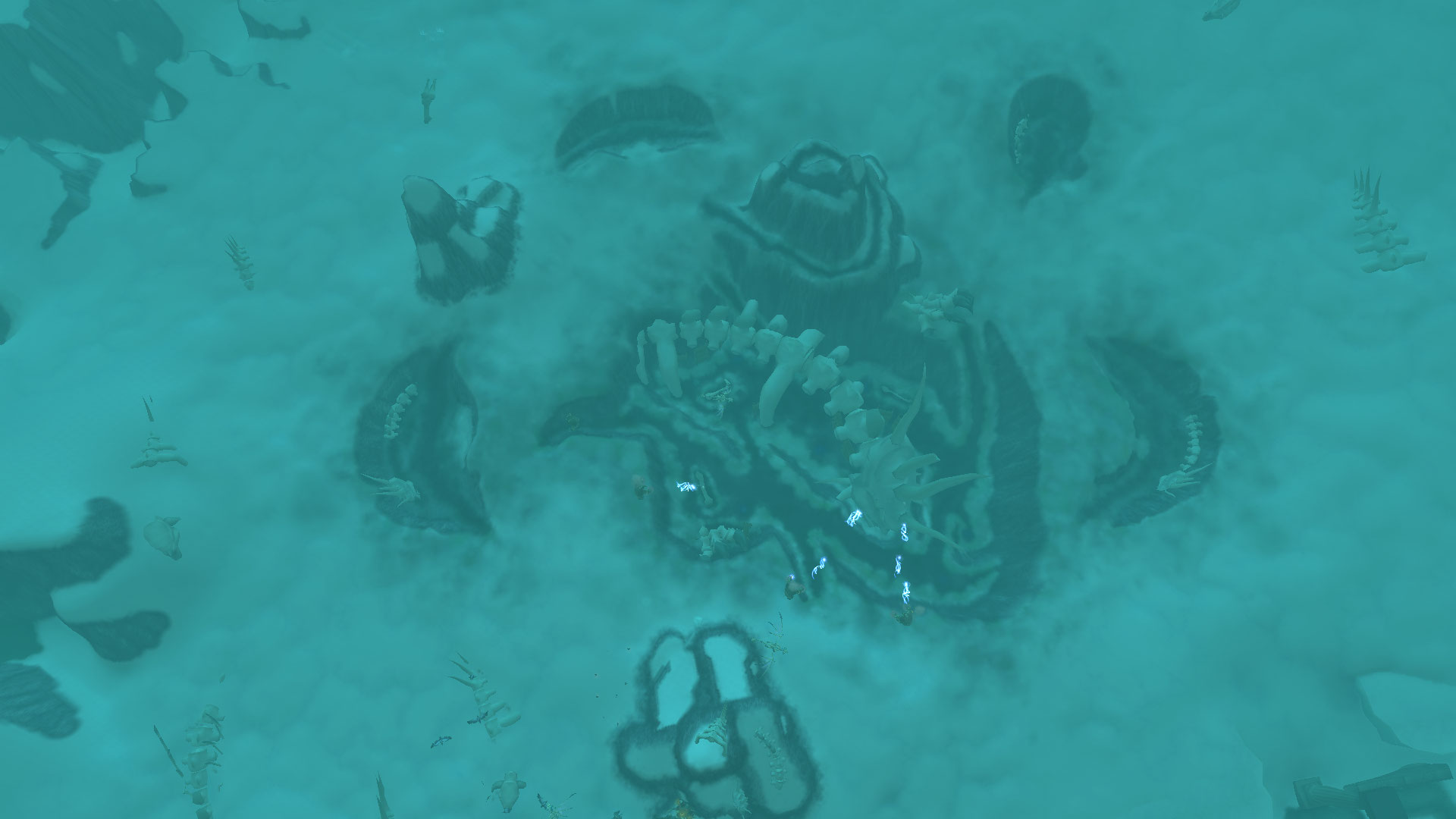
Without the existence and greed of this monstrosity, there would likely never have been the Aspects. However, Deathwing would probably never have come into being either…
But why dragons now? The Legion is the enemy!
The last time WoW was really about dragons seems to have been Cataclysm. In itself, that is true; since Deathwing’s death and the fall of the aspects, dragons have not been in the foreground again.
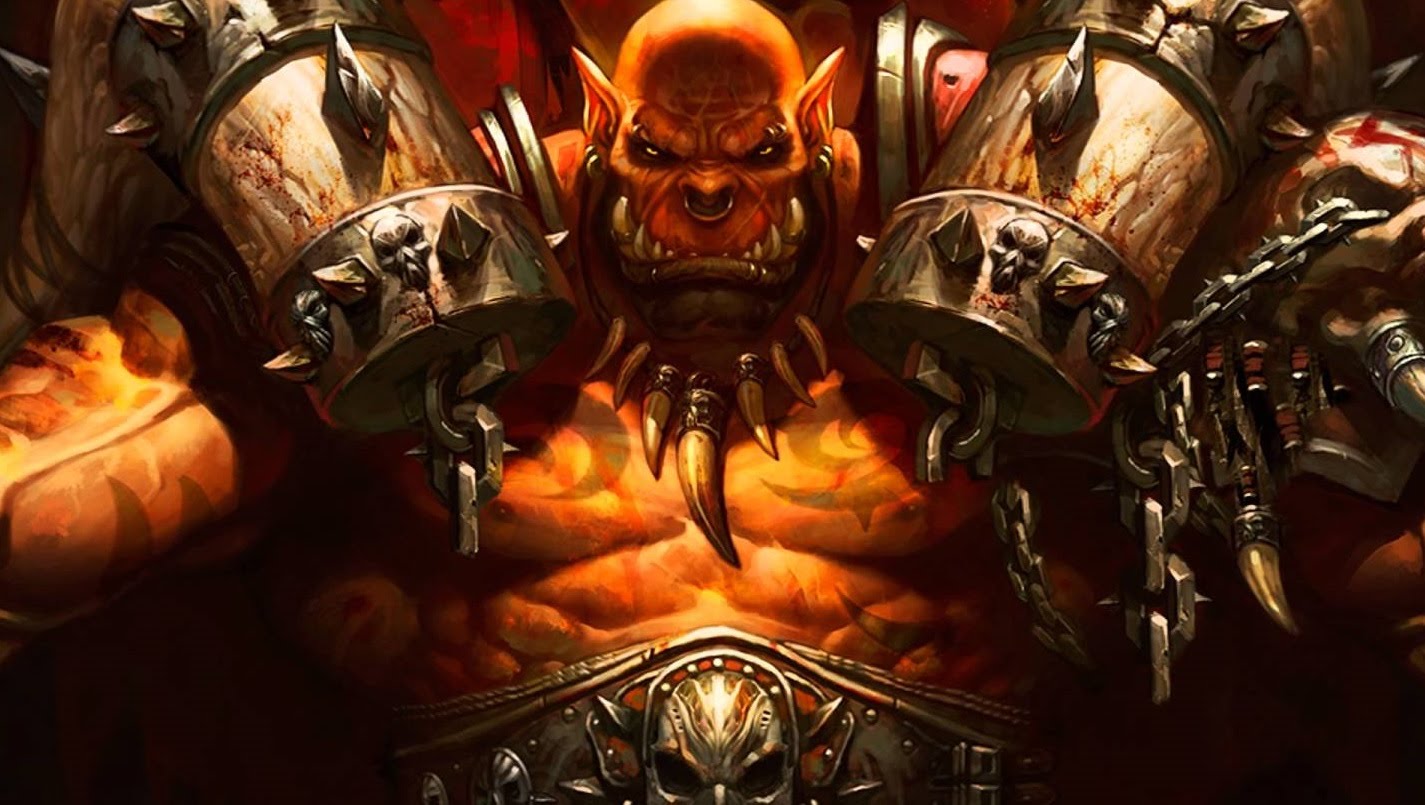
Nevertheless, it is the work of the dragons that the Legion appears in Azeroth right now. To understand this, we need to delve a little deeper into the lore:
- The Legion attacks Azeroth because Gul’dan, who should actually be dead, called Sargeras.
- Gul’dan is the powerful warlock who was killed on this timeline. However, in Warlords of Draenor, he was still alive.
- At the end of WoD, Gul’dan manages to flee through a portal into our timeline to continue his work here.
- The alternate timeline from which he originates only came about because Garrosh Hellscream helped the “Iron Horde” to power in an alternate Draenor.
- Garrosh ended up there only because he was brought there by the bronze dragon Kairozdormu, a traitor of the flight, through the sands of time during his sentencing for war crimes during Mists of Pandaria.
- The alternate timeline from which he originates only came about because Garrosh Hellscream helped the “Iron Horde” to power in an alternate Draenor.
- At the end of WoD, Gul’dan manages to flee through a portal into our timeline to continue his work here.
- Gul’dan is the powerful warlock who was killed on this timeline. However, in Warlords of Draenor, he was still alive.
Everything that is currently happening is happening now only because a dragon of the bronze flight planned it that way.
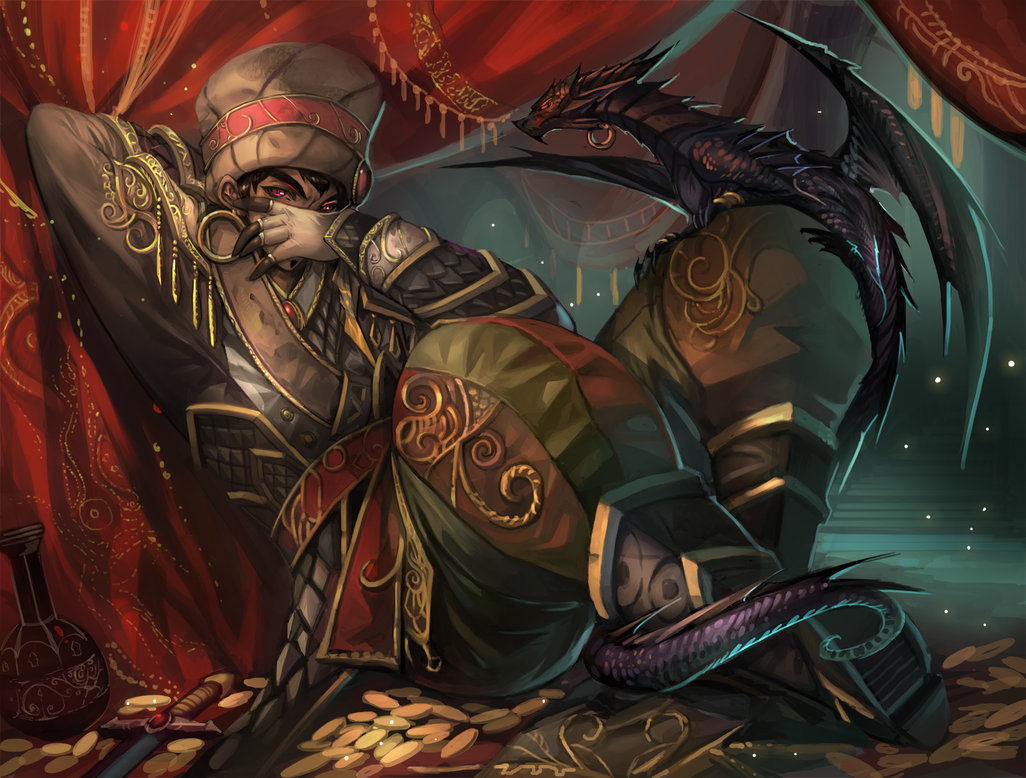
Moreover, one of the last black dragons, Wrathion, was last seen shortly before Cordana Teufelsang is confronted in Warlords of Draenor during the questline for the legendary ring. He flies around the tower as a small dragon. Whether he has to do with Cordana’s fall, or if he is merely observing, will possibly become clear soon.
The dragons of Azeroth have thus always had a significant influence on all events of history. Some of them didn’t even have to be aspects, and some have fallen into oblivion despite their importance.

Your opinion is important to us!
Do you like the article? Then let us know!