Forgetting is an important part of the brain. A study in neuroscience now confirms that you should be grateful for forgetting some things.
What does the study say? Researchers at Trinity College Dublin have shown in an experiment with mice what happens during the process of forgetting. In their paper, they report on the results they have achieved (via Science Direct).
The brain consists of several engrams. They are needed to retrieve memories from long-term memory. However, interference can occur if multiple engrams become active at the same time.
During forgetting, active pathways to engrams are put “on standby”. Through the inactive pathways, a better communication network in the brain can emerge. This allows us to focus better and faster on what is important.
However, due to other influences, the pathways to engrams can be reactivated. As a result, we remember things that we thought we had forgotten. They are not completely lost, but can be reactivated.
The fact that tech billionaires like Mark Zuckerberg keep wearing the same clothes has nothing to do with their memory:
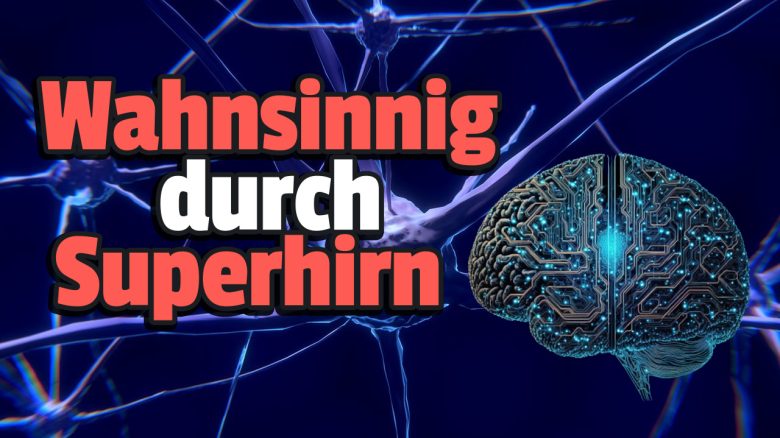
People Suffer from Super-Memory
What happens when we do not forget? There are some real examples that show what happens when we no longer forget. Jill Price is the first known person to remember every detail that has happened since February 5, 1980. However, only those that she has personally experienced (via Spiegel).
Price sees this ability as a curse. She finds her memory to be “torturous”. She cannot control her memories. A chaotic film would constantly run before her mind’s eye, which can completely overwhelm her.



As a result, she cannot forgive herself for mistakes she has made. The saying “Time heals all wounds” makes no sense to her, as the wounds always remain fresh. She has even developed a phobia against anything related to birds because she once had an accident involving a pigeon.
The topic is even a motif in literature. The Argentine author Jorge Luis Borges wrote in 1942 in Funes, el memorioso (PDF) about a 19-year-old boy who gained a super-memory due to an accident and went insane.
Such a super-memory would be fatal for MeinMMO author Paul Kutzner. He can remember two Pokémon that he still regrets missing out on. With a super-memory, he might remember even more: Even after years, it still hurts that I missed 2 monsters in Pokémon GO.