

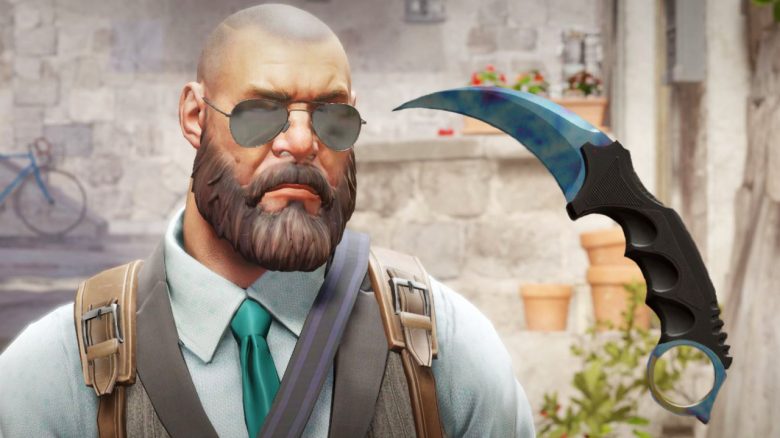
The New York Attorney General accuses Valve of violating the gambling law of the State of New York. Now the company behind Steam responds.

What is this lawsuit about? Valve is being sued by New York’s Attorney General Letitia James. This was announced by the New York Attorney General on February 25, 2026.
The Attorney General is taking action against loot boxes in Valve’s games such as Counter-Strike 2, Team Fortress, or Dota 2, as they allegedly violate New York’s gambling laws. The Attorney General claims that Valve has made billions of dollars by allowing children and adults alike to gamble illegally for valuable virtual prizes.
The agency has filed a lawsuit “to stop Valve’s illegal activities and protect New Yorkers,” as the loot boxes are said to be addictive and harmful as well as illegal.
On March 11, 2026, Valve responded to the lawsuit on Steam. The company addresses some demands made by the Attorney General and explains why it finds them unacceptable.
Valve talks about efforts to avert the lawsuit
This is what Valve says regarding the lawsuit: Valve explains that the New York Attorney General first reached out in early 2023. In response, Valve made efforts to educate the Attorney General about loot boxes and virtual items.
They presented to the Attorney General:
- …that this type of box is widespread in games, not only in video games but also in the physical world – for example in the form of collectible card games like Pokémon TCG or Magic: The Gathering.
- …that players do not have to open boxes to play Valve games and that most of them would not open boxes at all.
Additionally, Valve disclosed to the Attorney General all efforts to suspend accounts using Valve game items on gambling sites and reported on Valve’s measures to combat fraud and theft of user items.
Valve also emphasizes in the statement that they have already suspended over a million Steam accounts that were abused by third parties in connection with gambling, fraud, and theft.



“Would have meant the introduction of invasive technologies for every user worldwide”
These are Valve’s concerns: In the second half of the statement, Valve addresses concerns regarding some demands from the New York Attorney General:
- The Attorney General is demanding, for example, that items should not be transferable. However, Valve refuses to take away the players’ right to transferability as it allows users to sell or trade unwanted items for something else.
- Furthermore, Valve states that there was a proposal to collect additional information about each player in case someone anonymized their location (e.g., via VPN) in New York. According to Valve, this would have meant the introduction of invasive technologies for every user worldwide.
- According to Valve, the Attorney General also requested to collect more personal data from users to conduct additional age verification. Valve counters that most users from New York, however, use payment methods that already have built-in age verification.
Valve rejects these demands, as they only want to collect information that is necessary for business operations and legal compliance.
In European countries as well, loot boxes in games like Counter-Strike are a much-debated topic. German players will soon receive a feature in CS2 that aims to limit the gambling aspect of opening crates. Counter-Strike 2 will then reveal the contents of your crates before you open them, but that still won’t save you from bad skins.

Your opinion is important to us!
Do you like the article? Then let us know!