

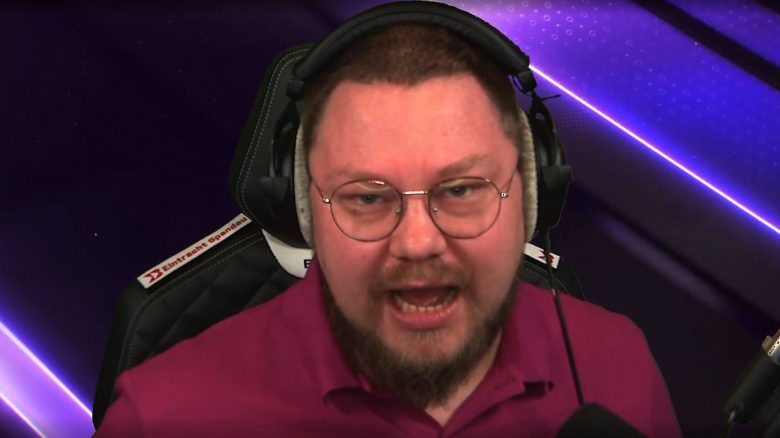
The German streamer Pascal “Kalle Koschinsky” Becker (31) addresses his fans and announces a break. He will not be on Twitch in April. The streamer says he needs a break. For years, everyone has told him he needs to do more, to go full throttle. Now he says: The work on Twitch, the pursuit of follower numbers, and the endless scrolling exhaust him. It is breaking him. This shows a problem in the structure of Twitch, says MeinMMO author Schuhmann.
Who is Kalle Koschinsky on Twitch?
- The streamer and musician has been on Twitch since 2016. He has 186,000 followers on the platform – when he streams, an average of 980 people watch him. In recent months, he has primarily been active in the hardcore shooter Escape from Tarkov.
- Kalle Koschinsky clocks in about 120 working hours a month, just on Twitch: He treats streaming on many days like a regular workday, additionally running YouTube channels and other projects.
- Now he says: It can’t go on like this. His job makes him unhappy. The lack of understanding he receives for supposedly “not working” also bothers him. He needs a break.
Colleagues drilled into him ‘He needs to do more’, ‘Go full throttle’
This is what the streamer says: In a post on Twitter the streamer says:
I need a break from negative energy and Twitter and YouTube comments. I need a break from witnessing how a person’s worth is calculated based on their followers. It is breaking me.
Kalle Koschinsky
The streamer says: Some still do not recognize his work as work today. He struggles with the fact that colleagues have drilled into him for 5 years that he must “do more”, go full throttle.
Moreover, there are toxic contacts; long-term friendships and established trust are fading – people talk badly about each other.
This all makes him unhappy. Therefore, he is taking a break in April and will actually take a proper vacation.
What is interesting? The interesting thing about this post is that a person is taking a month off – just like many employees do. However, he seems to feel the need to justify this break to the fans, providing reasons for it.
He is also reassured by other streamers that they know how hard it is to take this break at all.
Kalle Koschinsky’s post highlights a specific problem on Twitch: The illusion that one must always be present, or else they’ll “sink”.
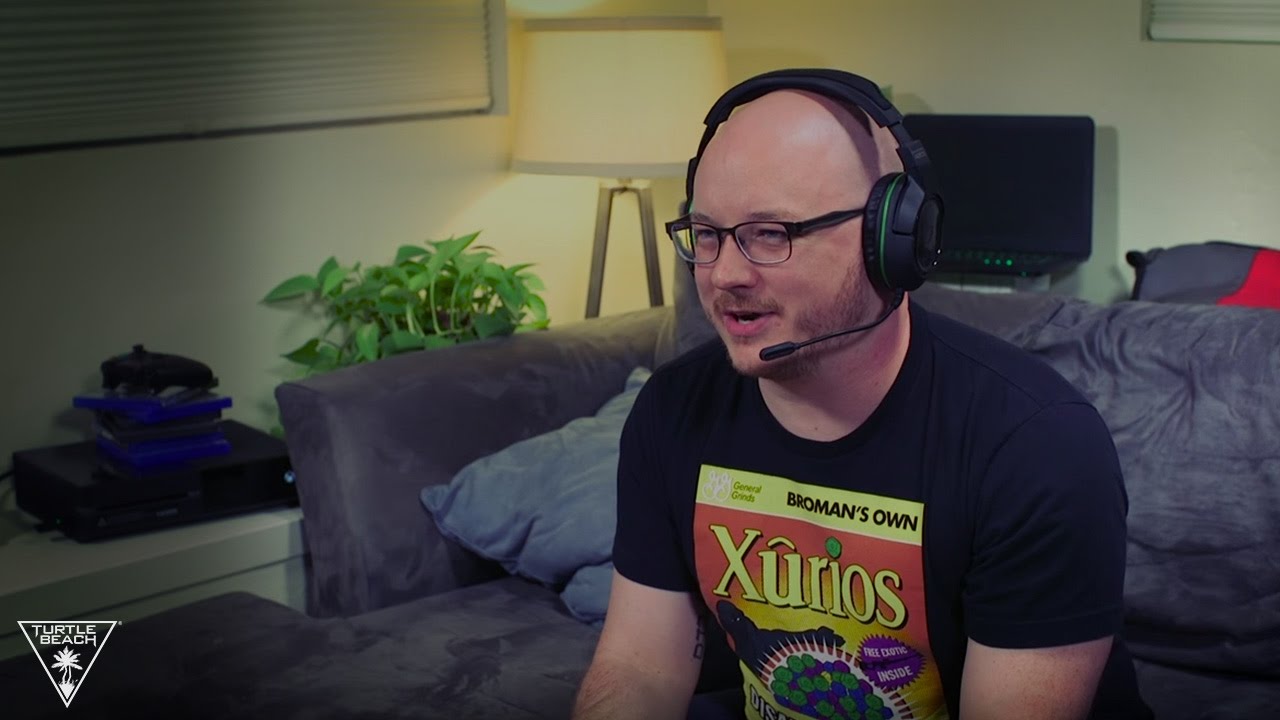
The streamer ProfessorBroman already explained in 2017 why Twitch invites self-exploitation. Because no one tells a streamer when they must take a break or vacation. The illusion arises that the faster one grows, the more successful one is, the longer they stay on air. Breaks hinder this success.
As Kalle Koschinsky said, every successful streamer told him when he started streaming: “Always be on!”
Broman’s reflection on the problem of “Twitch” ended in the sentence:
The only one who can ultimately turn off the camera is the one who benefits the most when it is on.
Professor Broman
The subscription culture on Twitch drives streamers into burnout
What is the reason for this? It is due to how Twitch is structured:
- Many streamers on Twitch rely on “subscribers” who sign up for a monthly subscription. This creates the illusion of a “fixed, predictable salary”, which either rises or falls depending on how successful one is on Twitch.
- This subscription expires after a month – streamers fear they will lose subscribers forever and that they won’t renew their subscriptions if the streamer is not on air daily.
- The streamer Ninja said in 2018 that 2 days off from Twitch cost him $100,000.
Since follower and viewer numbers are publicly accessible, a statistical pressure arises to compare one’s growth and oneself with others.
Additionally, there is a culture online that often manifests in toxic conflicts. Particularly successful streamers in exposed positions have to “take a lot” and can expect little understanding. It is often said, “that’s just part of it” or “they should develop thicker skin”.
Drugs, breaks, depressive phases, and stoic calm
How have others dealt with it? The phenomenon Kalle Koschinsky describes, this “It is breaking me”, has been observed among big US streamers for some time:
- Some of the biggest streamers have left the Twitch platform due to this pressure of monthly subscriptions. They have chosen a quieter life on YouTube where they no longer feel that pressure to chase subscriptions every day and be on air.
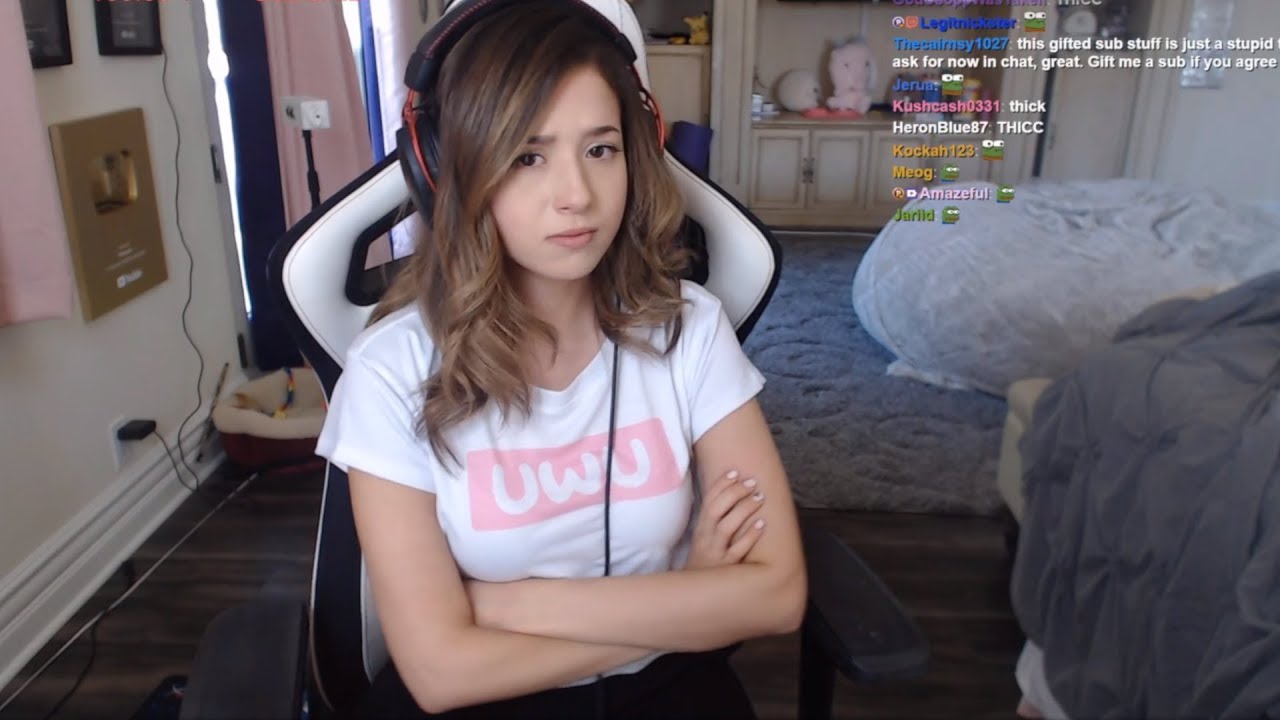
- It often happens that streamers on Twitch deliberately take “Mental Health” breaks. For example, Pokimane, who as the only woman at the top of Twitch, particularly feels the toxicity.
- The streamer Forsen says he has completely detached himself from that “pressure”, as it is only in his head. Forsen says: On Twitch, no one is your boss – neither the sponsors, nor the numbers, nor the damn viewers. Especially not them.
- Shroud is so successful and stoic, that he does not let any of that pressure get to him. For him, streaming isn’t even work.
- Streamer Asmongold withdrew from Twitch for weeks and then started again on a “small second channel” where he had less hustle.
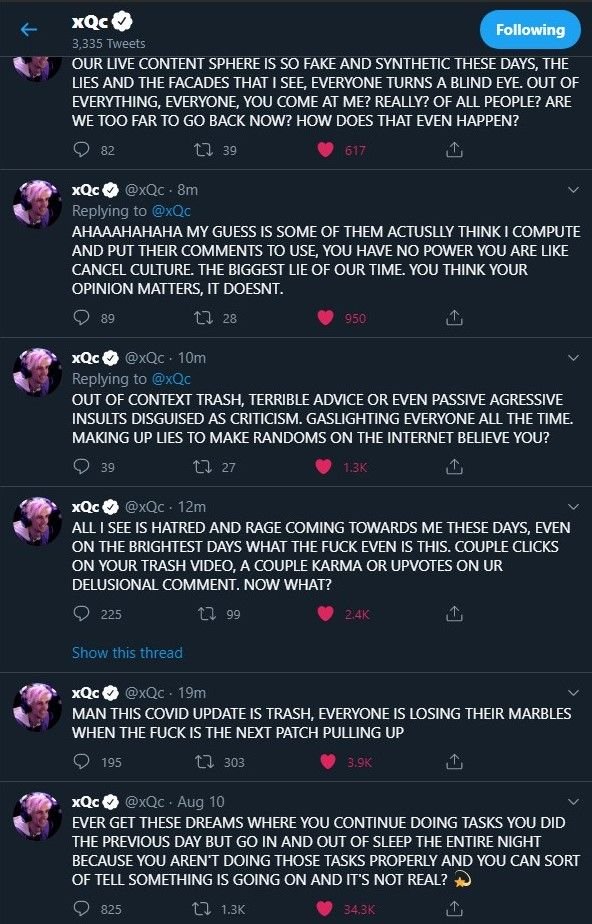
- xQc has completely let the life on Twitch take over, pulling insane hours and only occasionally complaining on Twitter about how it all breaks him. He spoke, as usual, passionately about many issues that also plague Kalle Koschinsky in 2022.
- The LoL streamer Tyler1 seems to be completely consumed by life on Twitch. He lives in isolation with his girlfriend. It is known that he takes Adderall and is starting to develop compulsive disorders.
- Sodapoppin had taken Adderall for years and hardly ate anything. He only stopped when he spent hours in a stream just organizing his desktop icons.
- The biggest streamer in the world, “Ninja”, says he was a “slave to the stream” in his prime and no longer lived at all. In 2018, Ninja wanted to capitalize on the hype around the shooter “Fortnite” after years of relative failure. He wore himself out but also earned quite a bit from it.
Particularly successful US streamers are therefore, at least in the wide majority, often not a good example of how to achieve a reasonable “work-life” balance as a Twitch streamer. People like Forsen or Shroud are exceptions but started with Twitch so early that it seems other rules apply to them than to streamers who are only now trying to build their careers.
But even in Germany, many streamers are now describing the problems associated with the supposed “dream job streamer”:
Between burnout and alcohol addiction: Big influencers on life on YouTube and Twitch

Your opinion is important to us!
Do you like the article? Then let us know!