Blizzard Entertainment has undergone massive changes in recent years. A journalist outlines how the rise and fall of the video game giant occurred.
Who made the statements? The observations and statements come from Jason Schreier. He is a journalist known primarily for his many insider connections at Activision Blizzard. He is in contact with many developers and often receives insider information, which he has elaborated on in major reports.
What has Schreier pointed out? In an article on Bloomberg, Schreier outlines the path that Blizzard Entertainment has taken in recent decades and illustrates how the company and external perceptions have changed based on the major incidents.
The Decline of Blizzard and the End of Creative Freedom
Before 2008, Blizzard Entertainment already existed as part of Vivendi. With the merger with Activision, it became “Activision Blizzard,” even though Blizzard Entertainment remained more or less an independent entity.
At that time, Bobby Kotick was the Chief Executive Officer of Activision Blizzard, while Mike Morhaime (co-founder of Blizzard) served as the president of the game studio.
According to Schreier, things were going extremely well in the early years. At that time, World of Warcraft peaked with over 12 million subscribers, and Call of Duty was repeatedly a success. The success of Activision Blizzard was so great that it could compete with other industry giants like Electronic Arts.
Schreier then explains that Activision and Blizzard had extremely different views:
- Activision relied on annual, fixed releases with a clear timetable.
- At Blizzard, deadlines were viewed more loosely, and it was believed that strict deadlines hindered creativity.
In 2013, the first conflicts and problems arose – the Titan project was canceled (from which the ideas later turned into Overwatch), and Kotick bought back a large stake from Blizzard, which until then had been over 50% in the hands of Vivendi.
From then on, Kotick and his subordinates had a greater influence on development. More resources were invested in the larger successes – such as World of Warcraft – while other departments were significantly cut. A large part of customer support was reduced or outsourced. Employees were also drilled that by “not releasing new games, they would disappoint fans,” which created an increasing pressure situation.
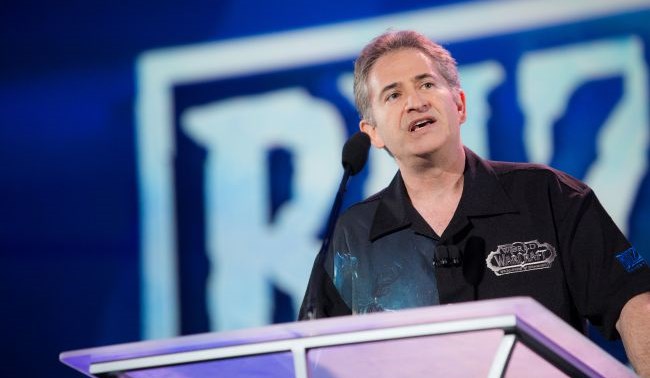
Mike Morhaime reportedly held back these influences for a long time and was generally popular among Blizzard employees. However, in 2018 he stepped down, and Activision began to change the structure of Blizzard more strongly – according to Schreier, the “company culture was irreversibly changed.” While this did not lead to faster game releases, it did result in many new (and expensive) monetization methods.
In recent years, the company has become the center of several scandals, such as the major sexism scandal.
Methods that were not popular among fans, such as the increase in expensive monetization and more microtransactions, were also met with discontent.
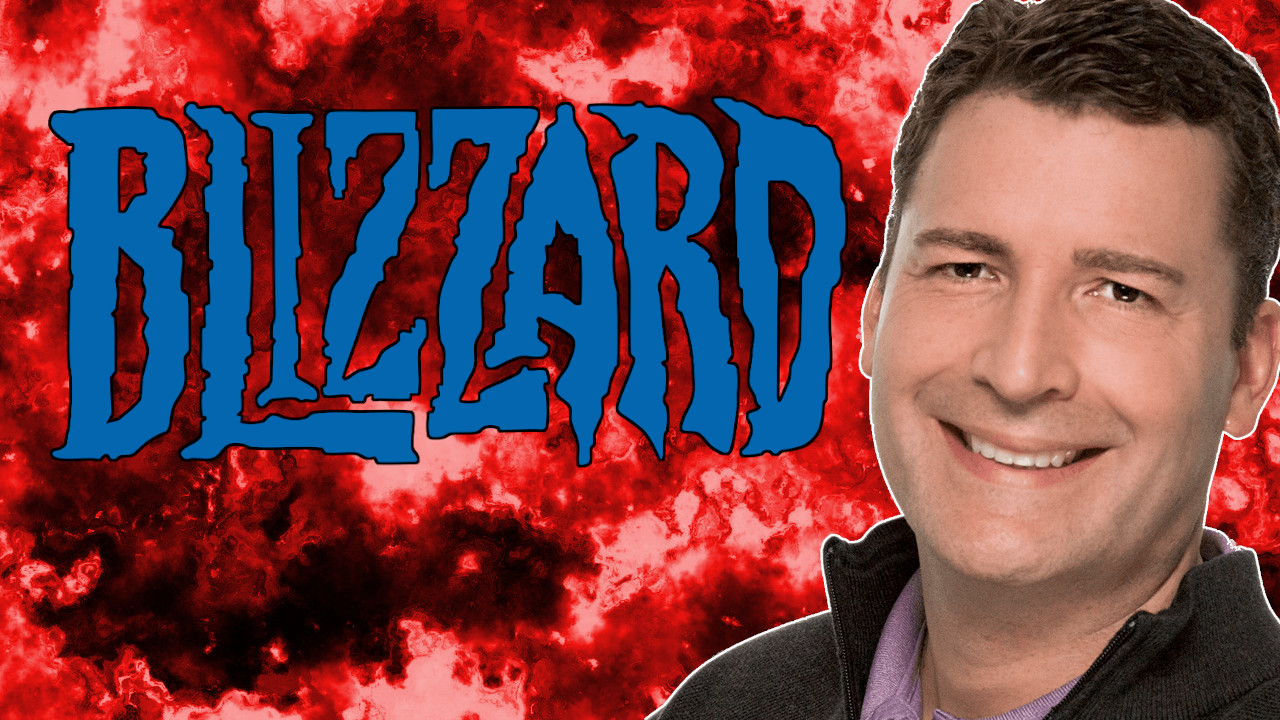
When Microsoft announced it wanted to buy Blizzard, the mood seemed to change for the better. The then-president Mike Ybarra was quite favorable to it, believing that Blizzard would “have more autonomy than ever before” in the future.
After Microsoft’s purchase, Mike Ybarra then left the company, and simultaneously more than 1,900 employees were laid off, a large part of them from Blizzard.
According to Schreier, Blizzard’s future is now extremely uncertain, as Allen Adham has also left the company. For the first time in its history, Blizzard is without its two co-founders.
How things will go from here will likely only be revealed in the coming years.



Jason Schreier has extensively dealt with Blizzard in recent years. Those interested in more insights from the journalist can look forward to October – as he will be releasing a whole book on the topic titled “Play Nice – The Rise, Fall and Future of Blizzard Entertainment”.
How have you perceived the changes at Blizzard over the last two decades, and how do you think it will be now under Microsoft’s ownership?