

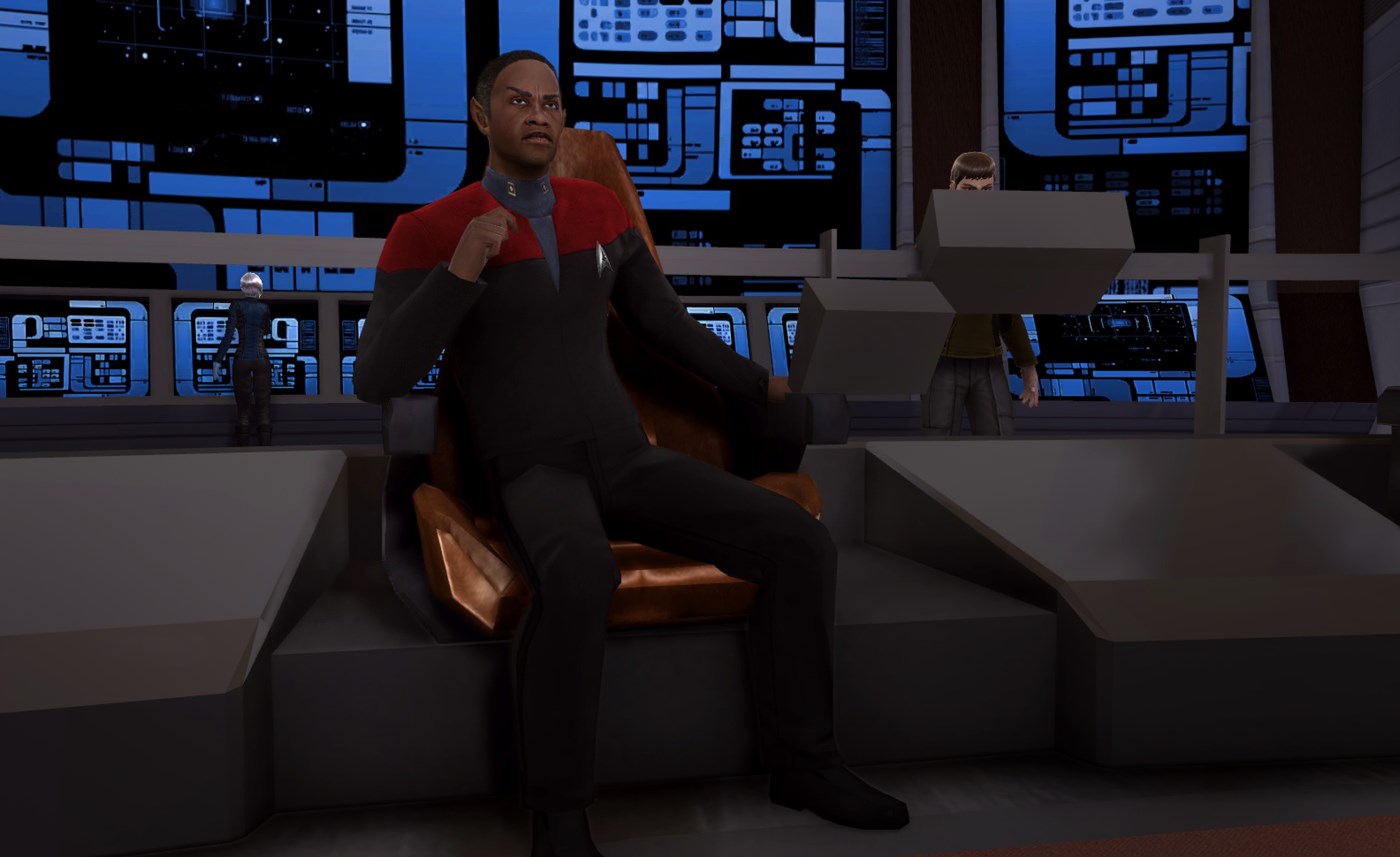
In Star Trek Online, you command an entire ship crew, in Star Wars: The Old Republic a retinue of companions, and even in Neverwinter, the entourage is omnipresent. Now World of Warcraft and Rift are catching up. What is behind this new trend?
One does not save the world alone
When we think of The Lord of the Rings or Star Wars, we often see the small moments. Luke Skywalker, cut off from his life, in the swamp with Yoda or on the ice planet Hoth. We see Frodo, Samwise, and Gollum lonely on the way to Mount Doom. The heroes are alone in these moments, amongst themselves and facing an overwhelming force. Forced into isolation, they grow beyond themselves. They have no one to rely on but themselves.
But there are quite different situations in both worlds. Aragorn leads a huge army into battle. The free peoples unite. Countless figures, races, and groups play a role in the fight against Sauron. The world cannot be saved alone. It is necessary to gather companions, form alliances, recruit specialists for specific tasks. Luke does not fly solo against the Death Star; a colorful array of exotics and aliens has gathered around him – symbolizing a multitude of cultures standing against a rigid and uniformed empire. It doesn’t take much imagination to see parallels in history.
NPC Companions in MMOs: Much potential, sobering reality?
[quote_box_right] The Robin Hood Problem: Everyone wants to be the Hero[/quote_box_right]
Even heroes in MMOs need companions. Usually, these are other players. But everyone wants to be the hero. The gang rarely obeys. And aside from that: Who wants to play the cook on a spaceship? Or one of 4000 riders from Rohan?
But how silly would it actually be to be a spaceship captain without any crew? Or a commander riding against the armies of Mordor amidst great clamor, with no one following him?
So you give players companions to highlight them, to mark their special role in the world. But are they more than just brainless companions or figures in a display case?
The loyal weapon brother: With or without personality, mostly without
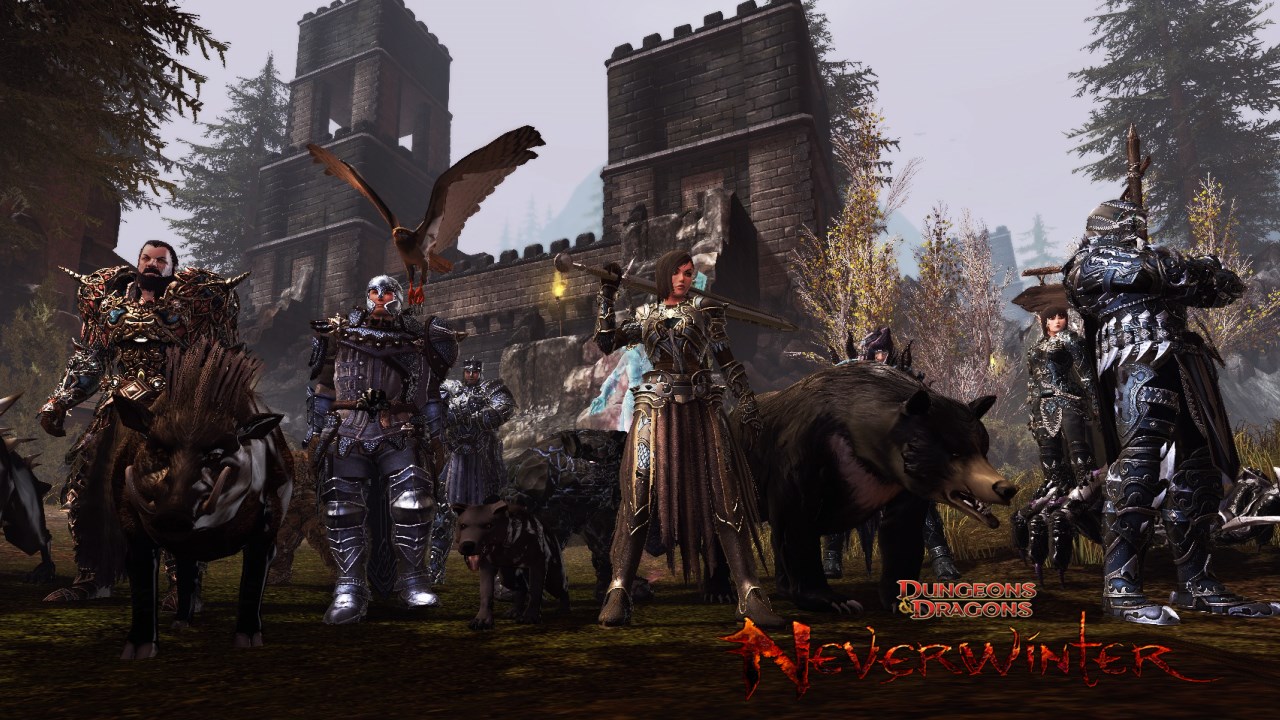
Let’s talk about the first form of NPCs in the game: the classic “companions” or “pets,” the weapon brothers, mercenaries, companions, familiar animals, demons, and similar. Most are silent, often a bit loyal-dull, rarely graced with personality.
NPCs as weapon brothers are well established in the genre. Whether you command an entire away team in Star Trek Online or send your wolf, succubus, or imp against the enemy as a hunter or warlock in World of Warcraft. And this is true for the player in Neverwinter or Star Wars: The Old Republic.
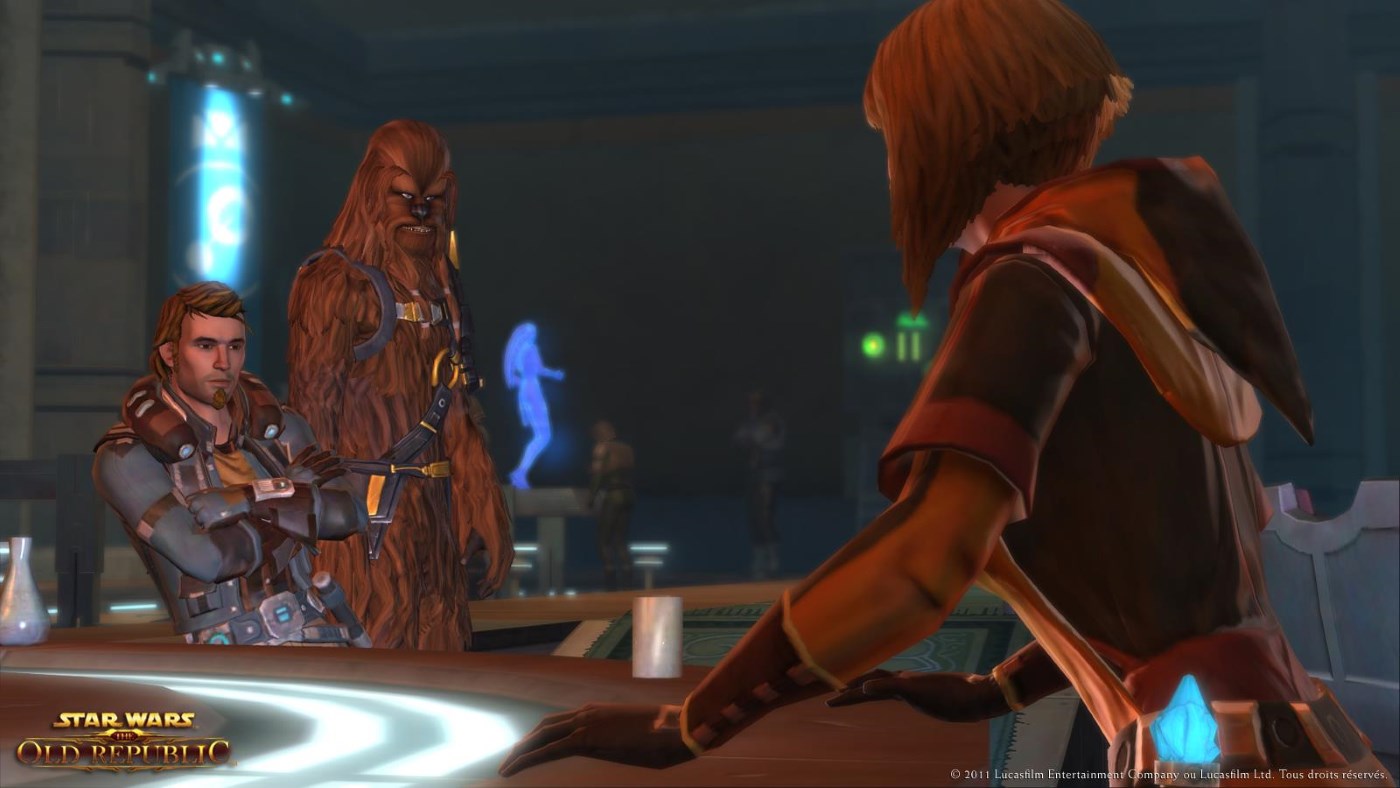
Of course, SW:TOR goes a step further and allows interaction with the NPCs. A rarity in the genre. They are also important outside of combat. Crafting runs through them, and a real story develops between the player and their followers. This is not well developed in Star Trek Online; the officers remain faceless and gain only contours in the minds of the players.
And let’s not kid ourselves: This is pretty much the case across the genre. The “companions” or “pets” are useful in combat, but otherwise hardly more than glorified pets.
Judgment: Still a lot of room for improvement, Star Wars as a notable exception
Well, in terms of NPC control, there is truly still a lot of room for improvement. Much more than a “loyal” pet that either works or doesn’t, NPCs in this form are rare. They evoke emotions only if they get stuck somewhere, unintentionally pull enemies, or simply do not engage in combat despite repeated shouts. Only Star Wars: The Old Republic stands out here. Other games like Guild Wars 2 rely on companions joining the player for a short time but remain outside of control to support the feeling of a living world.
WoW and Rift learn from Star Trek Online: My army as a display case
Indeed, Star Trek Online has done pioneering work here. And that, while it is otherwise an MMO that runs more under the “Far Off” category: a game for Trekkies that no one has on their radar when it comes to “innovative game concepts.” One thinks of Guild Wars 2 with its dynamic events and the personal story. But Star Trek Online is a pioneer in that display case model that is now spreading and has reached the first league with World of Warcraft.
This concept relies little on “storytelling” in the world until now, making the NPCs pictures in a Panini album or figures in a display case. In a type of browser game, separate from the actual game flow, the captain in Star Trek Online can collect crew members who have different races, traits, and ranks. These display case figures are then regularly taken out to send them on text-based missions in a type of mini-game. A strategic component comes into play when choosing: The stubborn and rebellious Klingon as security officer will be better suited for combat missions than a Ferengi cook. The cook will perform better in a patience task.
The feeling of commanding an entire ship of specialists occurs only in the player’s mind in Star Trek Online. Because more than a profile picture and a few lines of text about the “Duty Officers,” the crew members, there is hardly to learn.

This model is not only appealing for roleplay reasons for World of Warcraft or Rift. Because you don’t start – and this is where it gets clever – with a full Panini album, a whole roster of followers, but have to fill the individual compartments. Thus, World of Warcraft and also Rift will integrate the servants as a reward for quests or rare drops. In WoW, you will also be able to equip the companions. And as every MMO player knows: The more rare things there are to collect, the longer you spend in a game. Especially if a full roster of followers will pay off – as in World of Warcraft, where they unlock crafting, likely bring achievements again, and certainly have other benefits in store.
While not much is known about the minion system of Rift, it is now known that World of Warcraft will make efforts to make the “followers” tangible. They should go about their work in the garrison and also be able to interact with the player.
In Star Trek Online, the appeal of the ship’s crew lies in the fact that as a player, you childishly invent stories for each character in your team. If Rift and World of Warcraft can do something similar and maybe a bit more, this new trend could find many fans and imitators. Just as the housing construction fever, which is currently raging, could soon lead to a companion epidemic.

Your opinion is important to us!
Do you like the article? Then let us know!