
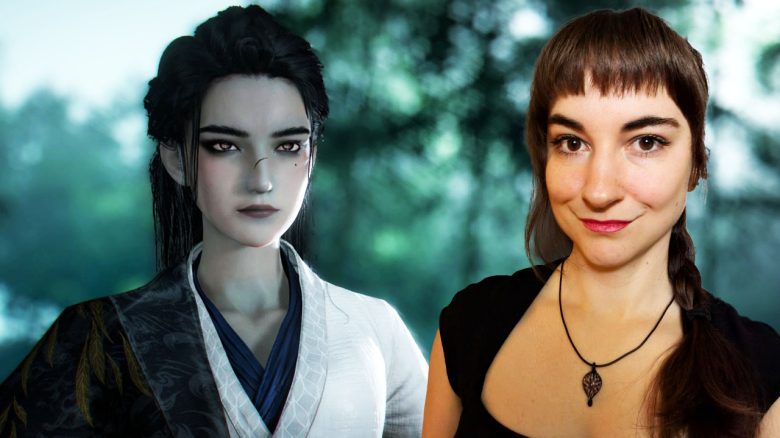
Where Winds Meet has made a strong release in China and is currently one of the most successful action RPGs there. The release is also planned for the West in 2025. MeinMMO editor-in-chief Leya played the beta and sees a lot of potential exactly where the RPG has its biggest weaknesses.

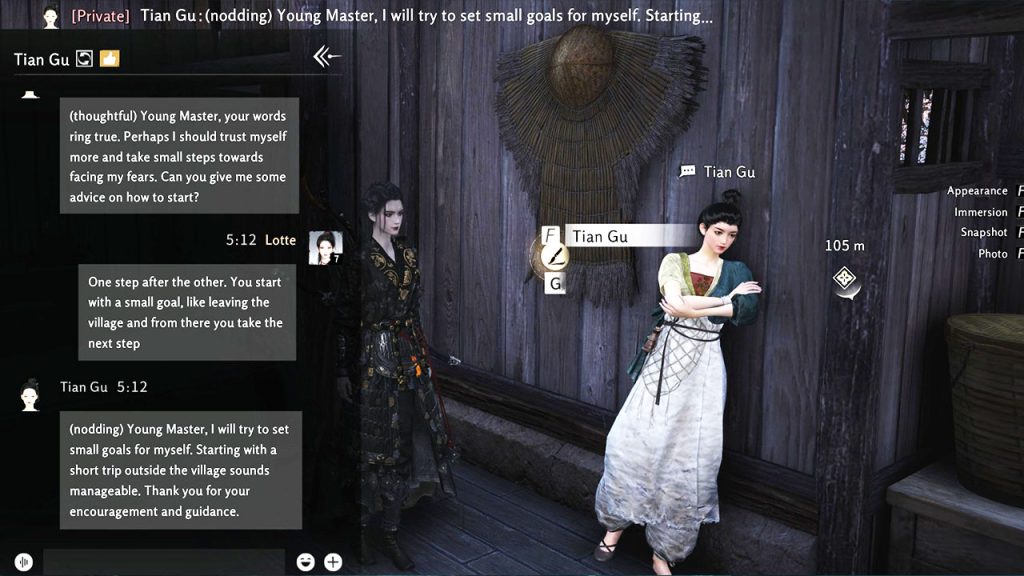
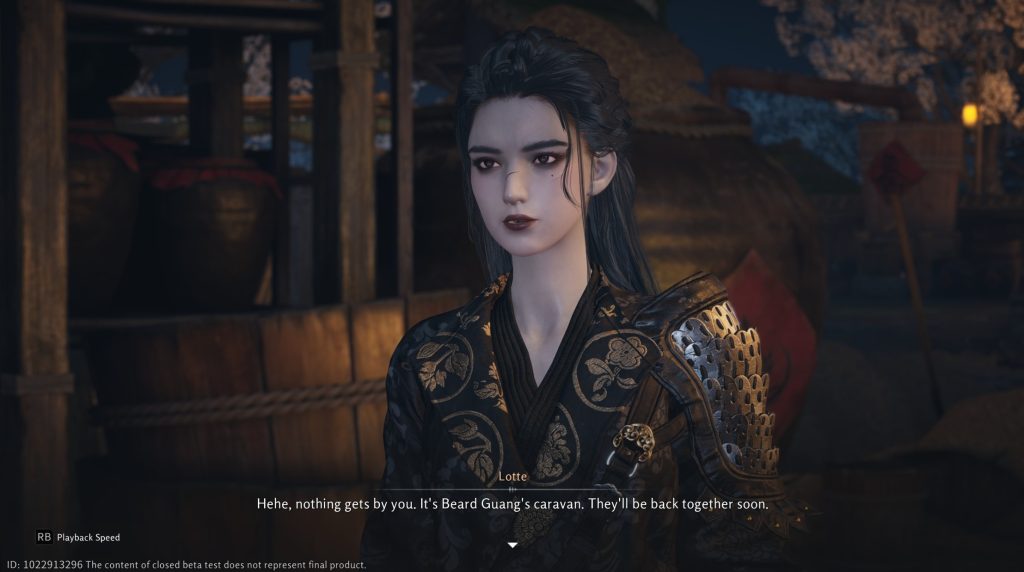
Yesterday, I happened to encounter a young general who couldn’t get his troops to obey him. Through an AI chatbox, he shares his troubles with me.
A hint promises: If I help him, I can win his friendship.
Curiously, I happily type away and explain to him: “Clear case – your people are lazy.” He seems to like that. He agrees, complaining about a lack of ambition, similar to what was “known from the past.”
I counter with management jargon: Doesn’t he lead by example? Suddenly, he draws his sword – and attacks me. His troops follow.
A little later, I find myself in the midst of a bloodbath. I have no idea who just died, why they attacked me, and what they had to do with the story – or if they were even important. No news, no hints, no context. At least: a lot of experience points.
And that sums up my experience with the beta of Where Winds Meet quite well.
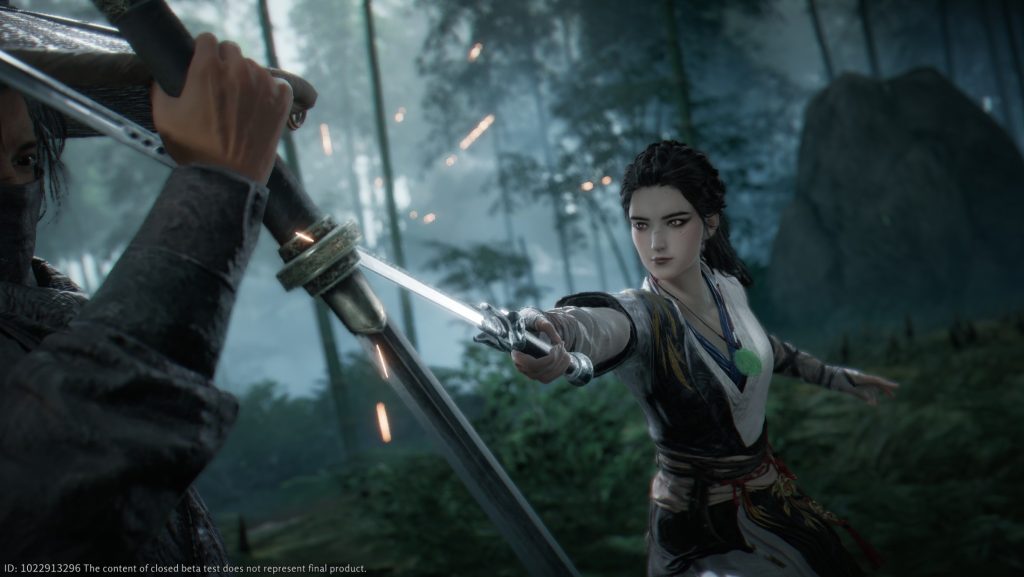
A game that tries to be everything at once – and manages to do a surprising amount right
You haven’t heard anything about Where Winds Meet so far? That’s okay.
Because so far, the marketing in the West has been rather poor, and chances of stumbling upon the game in Germany are limited.
Here’s an overview of what Where Winds Meet actually is – which isn’t exactly easy to explain. The game is an ambitious Wuxia action RPG set in an open world in 10th century China and offers both extensive single-player content and MMO elements, leading to a certain contrast. It has an enormous wealth of features, from detailed martial arts combat in the style of Monster Hunter or Sekiro to a complex crime system similar to GTA, and profound Wuxia mechanics. Additionally, it has a highly interactive world where many decisions can influence the story. The game is developed by Everstone Studio and published by NetEase.
Here’s just a tiny excerpt of the features:
- Day/night cycle and changing seasons/events
- Combat system with parrying, dodging, counter-attacks, stagger bar, various weapons
- Mystical Wuxia abilities like telekinesis, slow-motion effects, or acupuncture strikes
- A large main story, but also plenty of side quests
- Freely selectable MMORPG or action RPG controls
- Profession system including doctor, architect, bodyguard, musician, or speaker
- Reputation and relationships can be built with hundreds of NPCs
- Joining guilds, unions, creating your own chat rooms, optional global chat
- Group boss raids (5 players), repeatable coop events
- Housing and building like in Minecraft
- Coop-specific missions
- Petting animals and cats that give you puzzles
- Deep and complex progression system
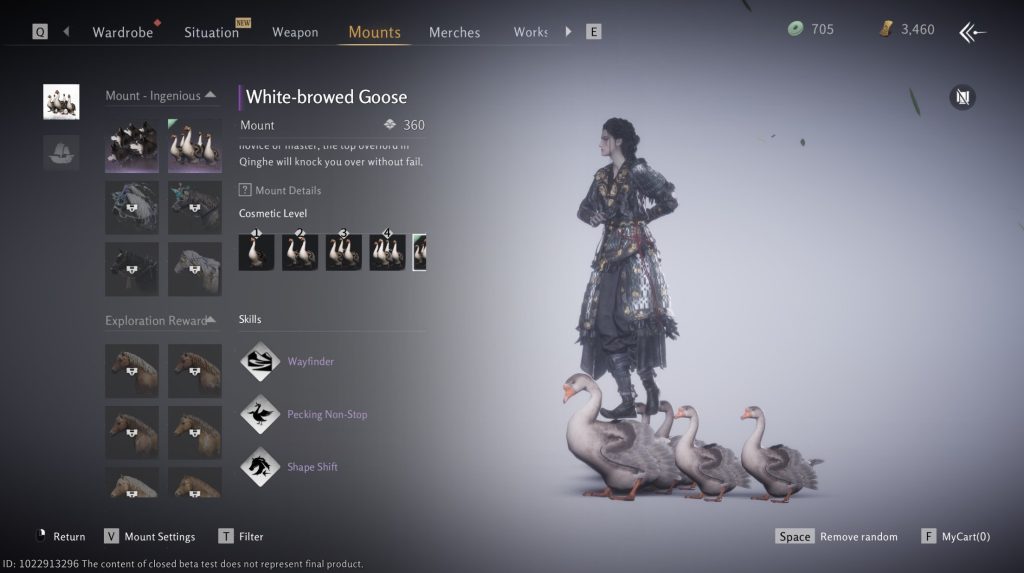
- Dungeons, world bosses, events, geese that beat you up with their whole family…
…I could go on with the list, as that’s not all the features. And I’m sure I haven’t discovered all the features yet. What usually sounds like an overly ambitious game that is too good to be true, Where Winds Meet has. And the features work well on their own.
Let’s revisit my anecdote with the AI NPC. The conversation with him was actually possible through the AI voice chat, and I’m totally amazed that it worked so seamlessly. It even had a significant impact on my gaming experience. We often talk about this kind of feature as if it were the future. In Where Winds Meet, it’s just there.
Amidst all this, the role-playing game also looks good.
The numbers show that this mix works for players in China:
- The PC version was released in December 2024, and the mobile version in January 2025.
- On the Chinese iOS app store alone, the game generated over $1.4 million in revenue within the first three days with 1.6 million downloads.
- Analysts estimate revenues in the first 12 months at around 2.4 billion Yuan (about $327 million) on mobile devices, and an additional 1.8 billion Yuan (approximately $246 million) on PC.
- The number of players in China is estimated to be over 10 million.

Excited and overwhelmed: One experience chases the next
In the current beta for the West, I spent about ten hours – and was often fascinated, sometimes overwhelmed. My research online made me very curious, and it’s hard to grasp Where Winds Meet from descriptions alone.
Let’s start with the positives.
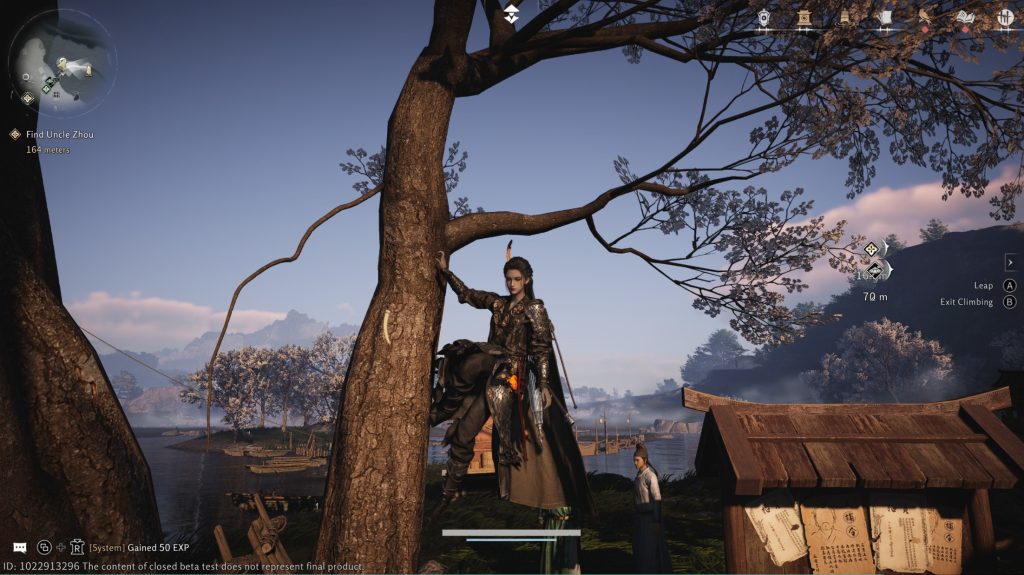
Primarily, Where Winds Meet is a lot of fun at the beginning. With the many details and possibilities in the Wuxia open world, there’s plenty to discover everywhere. It’s incredibly tempting to ignore the quest marker for the main story and explore the world, interacting with NPCs or even some animals.
Right at the beginning, I meet a bear that teaches me to throw opponents Kung Fu-style through the air.
In the first town, there’s a little girl with a barking dog. I talk to her – quest pops up: Her ball has fallen into a hole. I have to stomp through the floor, fall into a complex dungeon where I encounter a gang of criminals. After burning my way through hidden passages with fire files, I return with blood on my hands, plenty of loot, and the child’s ball.
Quest completed, on to the main quest. Or not?
In a meadow, I find a large world boss that looks intriguing. I talk to him, the fight starts. He summons small paper figures that also beat on me. No chance. The boss is over 20 levels higher than I am, and I take flight.
I flee to a quiet meadow by the river and accidentally pull out my weapon, an umbrella. Because I waved it too close to a goose, it freaks out – and chases me with an angry gaggle across a river. This is like in Zelda when you look at chickens the wrong way. Out of breath, I find a thieves’ camp, which I level to the ground and take their treasure for myself. Cool.
In the meantime, I continue to level up, unlock systems, click through menus – but often don’t understand what I’m actually doing. The main quest? Followed, but barely understood. I keep getting lost in side activities – for instance, thinking about a white horse strutting around the town with suspicious confidence. If that’s not a hidden quest, I don’t know what is.
And that’s the point.
Between complex systems and overloaded menus: The common thread is missing
The world of Where Winds Meet is rich, lively, interactive – and that’s exactly the problem. This gameplay overload can quickly become overwhelming. Especially Western players are not accustomed to such systems. What might be a paradise for hardcore RPG fans can immediately repel many others.
In Asia, it’s not unusual for games to require a lot of grind and have overloaded UIs. Where Winds Meet even exaggerates for genre standards from Asia. There are progress systems for almost everything: exploration, world level, equipment, individual combat arts, weapon skills, skill slots, and passive bonuses. Many of these systems require certain items – like boss drops or other rare resources that you have to painstakingly acquire.
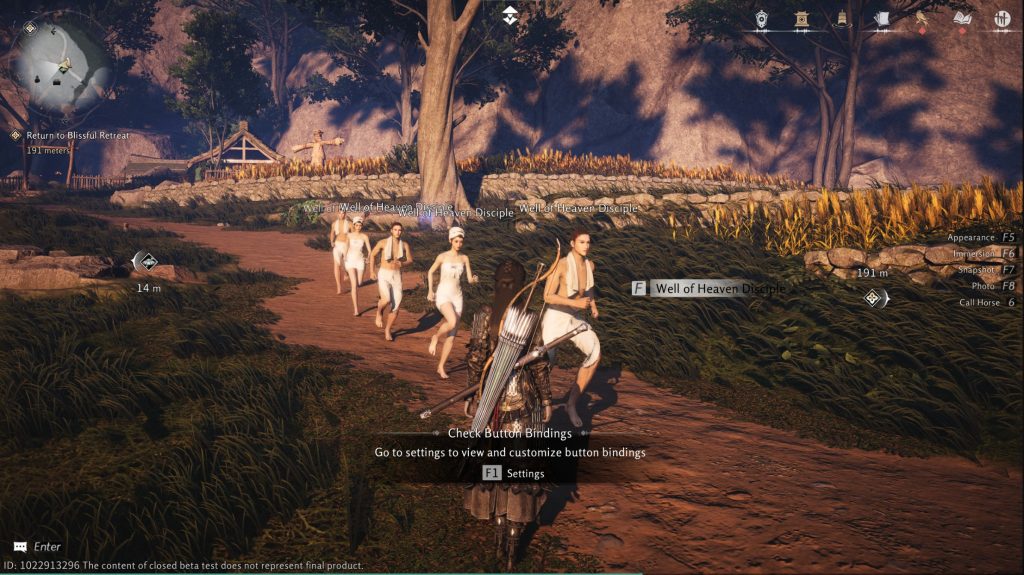
Wherever you go: Everything is blinking, menus pop up, dialogues or mini-games start.
And the game explains very little to you. Despite a large encyclopedia that I didn’t accidentally find until hours later – buried deep in the menus.
The same applies to the payment system. The role-playing game is free but comes with gacha, battle pass, and purchasable cosmetics. Although the game is free and only sells cosmetics – even those are quirky: For example, I could buy a goose as a mount. And if you level it up five times with money, you get a whole entourage of geese along with it.
In my research, I came across reports that Where Winds Meet has huge community interaction in China simply because players explain the systems to each other in social networks and create guides. This could, of course, be a plus for the success of a game, as it creates connection and reminds one of the early days of MMOs when no one knew how anything worked, and one helped each other.
The immersive world and the countless small and large adventures rank among the biggest strengths of Where Winds Meet. But exactly this lack of structure, this overwhelm without real assistance, could become the downfall of the game in the West.
Conclusion after the beta: A game that overwhelms – but won’t let go
Where Winds Meet is a fascinating game – overloaded, overwhelming, sometimes confusing, but also full of magic, details, and surprising moments. It has frustrated me, yes. But above all, it has continuously thrilled me. There aren’t many games where I felt the urge to simply try things because the world gives back so much. If you enjoy getting lost in game worlds, you’ll find it here.
Still: Success in the West is anything but certain. Because as charming as the chaos can be – it needs structure. And that’s missing here. In the West, we are used to different gaming experiences that offer clear structures, take us by the hand, and provide tidy, quickly understandable menus.
The success of Where Winds Meet will largely depend on how NetEase addresses three central challenges:
- Better understandable introduction: Without a fundamental overhaul of the introduction, the game could lose many players directly. The multitude of systems needs to be better explained, and gameplay progress needs to be more clearly structured. Players need more orientation – especially in the first hours.
- Marketing strategy: A game of this size needs to be more visible – and above all, understood. A targeted campaign that positions Where Winds Meet as what it is – an unusual, deep action RPG with an Eastern Wuxia setting – is essential.
- Adjustment without loss of identity: The biggest challenge will be to optimize the UI, player experience, and monetization to better fit Western standards without losing the soul of the game – its Wuxia roots and cultural charm.
It should also be noted that localization in the current closed beta includes English subtitles and Chinese voice acting. At least local subtitles for the different countries would be important.
I sincerely wish Where Winds Meet that it finds its place in the West. It has the potential to do so – even if it needs to make adjustments in some areas. I recommend everyone to at least add it to their watch list, especially those looking for a highly immersive and lovingly crafted game world.
Rarely has a game made me swing so much between fascination and overwhelm – and that’s exactly what ultimately makes it so exciting.

Your opinion is important to us!
Do you like the article? Then let us know!