
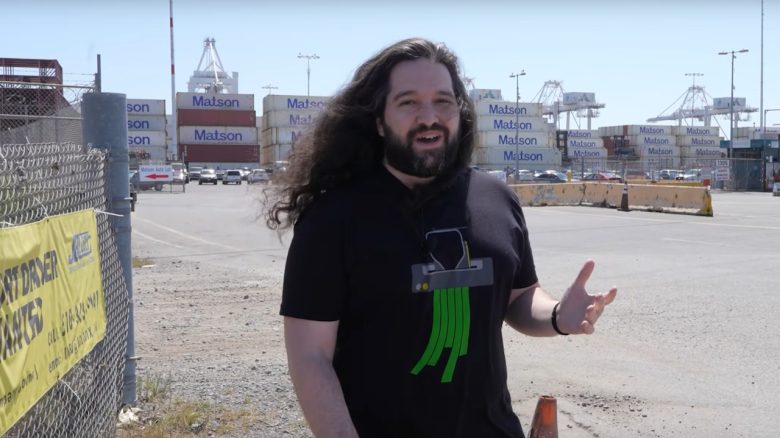
The raised tariffs on Chinese products are driving up hardware prices in the USA. Leading tech expert Gamers Nexus highlights in a video how manufacturers and consumers are affected by increased production costs and price hikes.
Under the title “The Death of the Affordable Computer,” Steve Burke, the editor-in-chief of Gamers Nexus, addresses the question of why gaming hardware is becoming increasingly expensive in his current YouTube video. The YouTuber is one of the most recognized figures in the tech field. To get a comprehensive picture, the team spoke with numerous industry insiders, including freight forwarders, component manufacturers, and PC and case builders from the USA and Canada, as well as downstream manufacturing companies.
As the graphics card market is currently under pressure, you may be looking for alternatives to AMD and Nvidia. Check out the trailer for the Intel ARC graphics card here.
The Tech Industry Under Pressure
What led to this situation? In light of the trade conflict with China, Trump specifically imposed tariffs on the import of Chinese products, including electronics and hardware. These measures are also driving up production costs, which in turn increases prices. Currently, the situation is fluctuating, and new reports about the tariff situation are regularly emerging (via Economic Times). These fluctuations primarily lead to unpredictable market developments and resulting uncertainty.
How does this affect the tech industry? The Gamers Nexus video clearly shows how current tariffs are burdening the gaming industry. Companies like Corsair, Cooler Master, and iBUYPOWER are forced to raise their prices to compensate for increased import costs. The company Hyte is even selling at a loss in some cases, a clear indication of the seriousness of the situation.
A particularly drastic example is mentioned by Cooler Master: A PC case that originally cost around 100 US dollars now costs about 195 US dollars due to tariffs and additional fees. The impact is also felt by smaller manufacturers like Anbernic or Retroid. Ultimately, this means that products are becoming more expensive, and price increases must be passed on to customers.
In interviews with several manufacturers, it becomes clear that some companies are no longer shipping to the USA due to high costs and are now more reliant on other markets. This development poses a significant problem, especially for companies that produce exclusively in the USA. Some of the interviewed players believe that these conditions could ultimately drive some companies out of the market in the long term.
What attempts at solutions exist? Some manufacturers are trying to respond to the tariff situation by adjusting their delivery strategies. Thus, some are currently completely refraining from shipping to the USA. As a long-term solution, many companies are considering relocating production to other countries, hoping to circumvent tariffs and lower costs. However, this brings new challenges, such as higher transportation costs or delays in the supply chain.
What does this mean for us? The EU, due to its common trade policy and various free trade agreements, has so far not been directly affected by the US tariffs on Chinese electronics. Unlike in the USA, there are no additional tariffs here that would directly raise the prices of gaming hardware. At the same time, EU-wide standards and trade agreements ensure that many imports remain duty-free or discounted.
Nonetheless, the European market also feels the effects indirectly: Many manufacturers align their prices with the global market. When products become more expensive in the USA, prices often rise here as well, even without their own tariffs. Furthermore, the EU remains heavily dependent on the international economic system, particularly on economic developments in the USA (via Euronews). A potential recession there could directly affect Europe and cause additional price fluctuations.

The effects of Trump’s tariffs on Chinese products are not only impacting the gaming market. Large companies like Apple are also affected by the situation and must seek long-term solutions. Tim Cook stated that he cannot produce the iPhone in the USA despite the tariffs.