

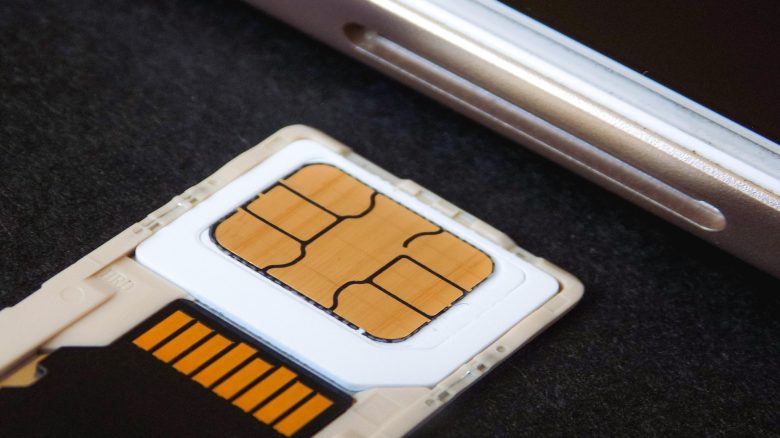
Former standard, now nearly gone: A few years ago, microSD cards were indispensable in smartphones. For reasons of security, compatibility, and design they are hardly available anymore.
Why have microSD cards disappeared from smartphones? Just a few years ago, the microSD card was the easiest way to upgrade your phone. Many devices offered only around 8 or 16 GB of internal storage – too little for music, photos, or apps. With a memory card, you could upgrade inexpensively and offload content (via Gadgethacks).
Today, it looks different. In Android flagship smartphones like the Galaxy S25 or the Google Pixel 9, you will find no slot for the small memory card. The development is not a coincidence: manufacturers no longer want to offload storage, but control it – primarily for security and design reasons.
Less is sometimes more
What is behind the renunciation? An important factor is the housing design. Many modern smartphones rely on so-called unibody constructions. The back can no longer be removed; everything is firmly built in, and little to nothing is replaceable for laymen. This not only looks more premium, but also provides protection against water and dust. Additional openings, such as for microSD cards, are rather of hindrance.
The software also plays a role. Since Android 6.0, Google has restricted the use of SD cards for apps. External storage is slower and can cause issues, for instance with updates or security features. Therefore, manufacturers are now relying on faster internal storage systems, which provide more stability and less support effort (via XDA-Forum).
By the way: Apple has pursued a more consistent strategy since the introduction of the first iPhone in 2007: The internal storage was and has always been fixed and cannot be expanded with memory cards.
Are there still smartphones with a microSD slot? Yes, especially in cheaper devices or certain niche models. If you really want to use a memory card, you can still find models with a slot from manufacturers like Motorola or in Samsung’s Galaxy A series (via Samsung). But even here, the card can often only be used for media like photos and music – apps must now remain internal.
In general, there seems to be a certain market for this somewhat outdated storage variant. On Reddit, users discussed it and shared their experiences about one and a half years ago.


The trend among manufacturers is, however, clear: the slot is almost completely disappearing from today’s smartphone models. And with it, a piece of flexibility that is no longer necessary – smartphone optimization has advanced far too much by now.
Speaking of optimization: prices have been noticeably rising for months. To better manage his finances, MeinMMO editor Benedikt Schlotmann tested various applications. One of them remained permanently on his smartphone, and regularly at the end of the month, there was some money left over: I use a free app on Android and save around 30 euros every month with it

Your opinion is important to us!
Do you like the article? Then let us know!