

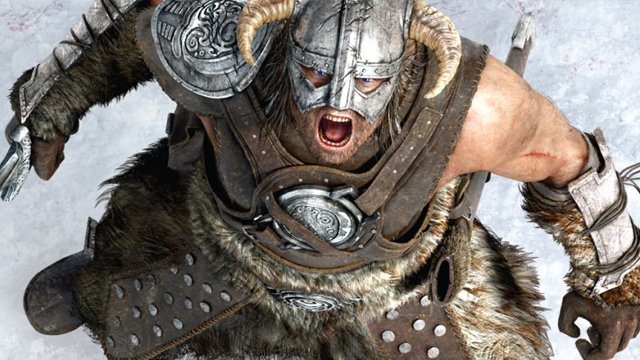
My colleague Cortyn explained in her article why she believes that single-player games are slowly disappearing. I agree with her on many points, but I don’t believe that we will stop seeing single-player titles.
When I still worked as a full-time editor, many voices were raised after the release of World of Warcraft in 2004, claiming that the end of single-player games had come. No one would need single-player titles anymore, they said. And for a while, it seemed like these people were right. The market was on the brink of collapse. But it recovered.
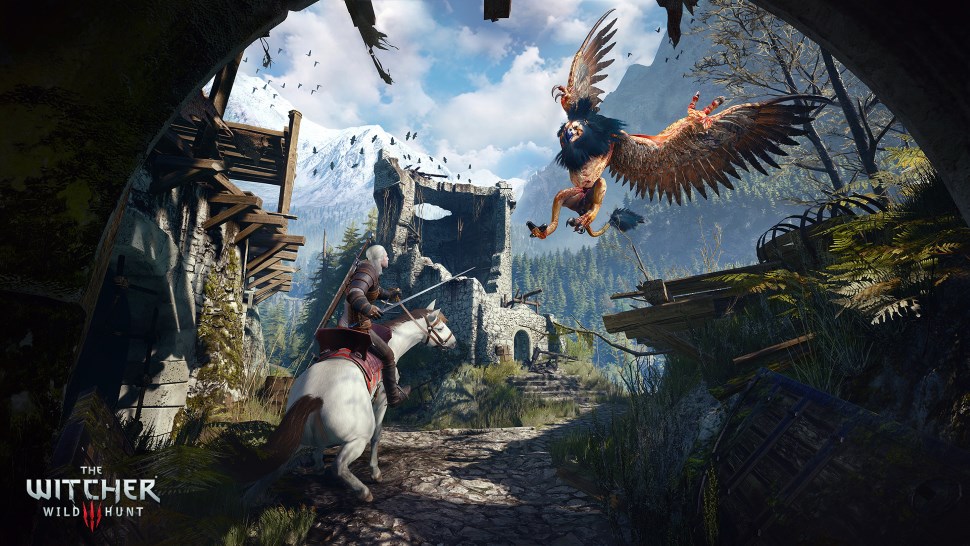
High sales figures show that there is interest
Titles like The Witcher 3, Fallout 4, Skyrim, and most recently Divinity: Original Sin 2 (DOS 2) show that interest in good single-player games still exists.
Skyrim has sold more than 30 million copies. The Witcher 3 over 25 million. As a recent example – and this will appear more often in the column – we can mention Divinity: Original Sin 2, which sold more than half a million copies within just four days after its release.
DOS 2 achieved a rating of 93 percent on Metacritic! An incredibly good rating.
Metacritic also shows that the majority of the highest-rated games of all time are single-player games. These include The Legend of Zelda: Breath of the Wild with 97 percent, Half-Life 2 with 96 percent, and The Last of Us with 95 percent. Additionally, the crowdfunding sector shows the strong interest of players in single-player titles. Games like Pillars of Eternity, Wasteland 2 and 3, Divinity: Original Sin 1 and 2, Shenmue 3, or Torment: Tides of Numenera prove that gamers still want such titles.
“Games as a Service” is attractive for developers
So it’s not that there isn’t a market for single-player games. On the contrary. The “problem” is a different one. Games as a Service promise developers more money with less effort, as well as a loyal player base that stays long-term and is also willing to spend small amounts on “their” game repeatedly. For a developer and a publisher, it’s a gold mine.
You produce a game and instead of putting the team on a sequel, it gets significantly reduced. The team that remains keeps the title alive with updates, DLCs, loot boxes, and new items. This means less effort for the studio with lower personnel costs but a steady flow of income from the players.
Many development studios, especially larger AAA teams, will orient themselves toward this system. After all, they are profit-oriented companies. The goal of any company is to make a profit. If a new, lucrative system establishes itself in the market, it must be exploited. It was no different with free-to-play. But this is an opportunity for smaller development studios that don’t have the means to produce and maintain a high-quality online game. It stands to reason that these teams will focus on the single-player sector.
This has happened with CD Projekt Red, who catered to this genre with the Witcher series and made a fortune out of it.
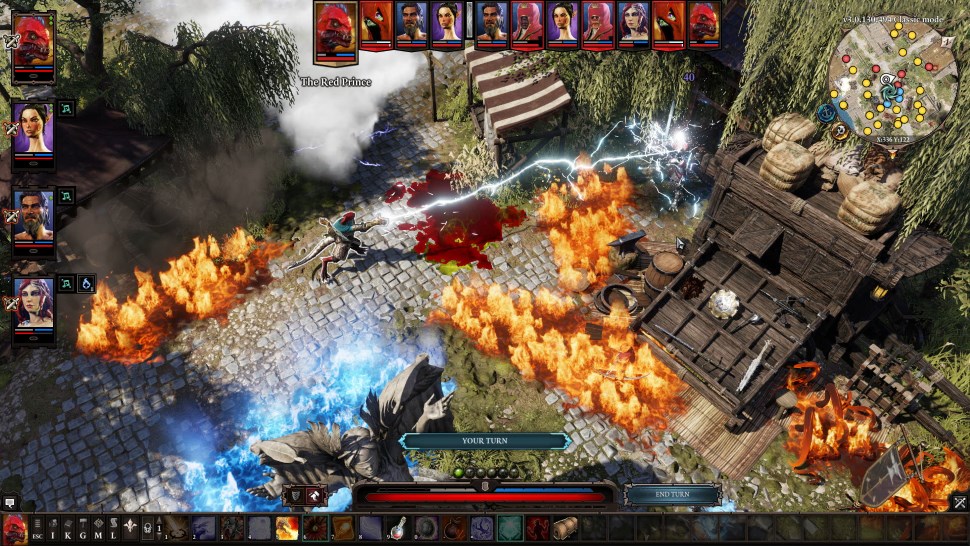
The market exists
As mentioned, there is still a market for these games. Perhaps AAA productions will continue to decline and games with lower budgets will conquer the market, as Divinity: Original Sin 2 impressively shows. Yet, even that is questionable. Bethesda will not want to alienate its core community, which, despite The Elder Scrolls Online, still calls for a The Elder Scrolls 6 year after year. And if a Skyrim has sold more than 30 million times, why would Bethesda want to forgo that customer base?
Even large companies like Rockstar Games still see a “point” in single-player games. Next year, Red Dead Redemption 2 will be released, a Western epic focused on single-player content. And Rockstar Games developer Imran Sarwar recently stated that the team consists of big fans of single-player games, as such games simply offer a completely different immersion and narrative structure than an online game. Even though the focus is currently on the online mode in GTA 5, according to Sarwar, that does not mean that Rockstar Games will neglect single-player.
Even Zach Wilson from the now-closed studio Visceral explains that it is absurd to write off single-player games. Electronic Arts may be one of the studios that are not as active in this area anymore, but there are many other developers who are successfully working in this genre. He also addresses the issue of asset development, which costs a lot of money. The production costs of a single-player game are high because creating the graphics and animations is very expensive.
However, according to Wilson, something is changing in this area that could make the development of single-player games more attractive in the future.
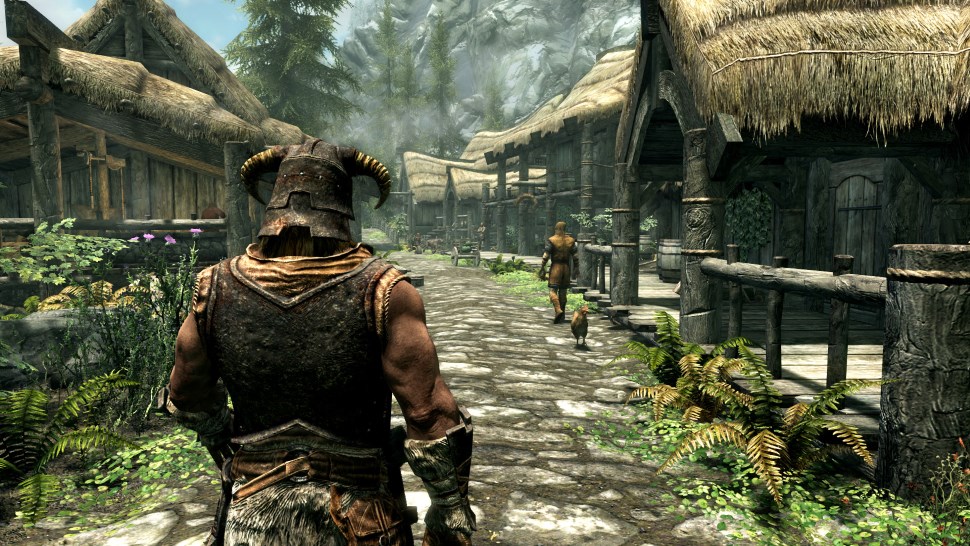
Are single-player fans switching to multiplayer games?
Another question that arises is: What would happen to players if there were no more single-player games? Would they simply switch to online titles? There are some significant differences between multiplayer and single-player games. First and foremost, the telling of a dense story and decisions with visible consequences.
Why would someone who wants to experience exactly that in games suddenly only want to play battle royale shooters? That didn’t even work with MMORPGs. There is still a significant gap between MMO fans and those of single-player RPGs.
Whoever wants to reach the largest part of the market must either expand their offerings or settle for a niche. But AAA studios cannot afford to develop games for the niche. Because they are expected to produce extremely high-quality products with excellent graphics. And the production of such a game costs a lot of money. Then to target only a niche market with high expenses is financially unfeasible. This is also one of the reasons for the focus on “Games as a Service”.
In summary:
- The PC was already declared dead when consoles emerged.
- Single-player games were declared dead when MMORPGs emerged.
- Turn-based combat systems were declared dead when real-time titles took over the market.
Yes, the market is changing – over and over again – but that single-player games will disappear, I am not convinced; there will continue to be coexistence. Sometimes you just want to experience an exciting story alone and sometimes have fun with friends. The interest in single-player games is still present.


Your opinion is important to us!
Do you like the article? Then let us know!