

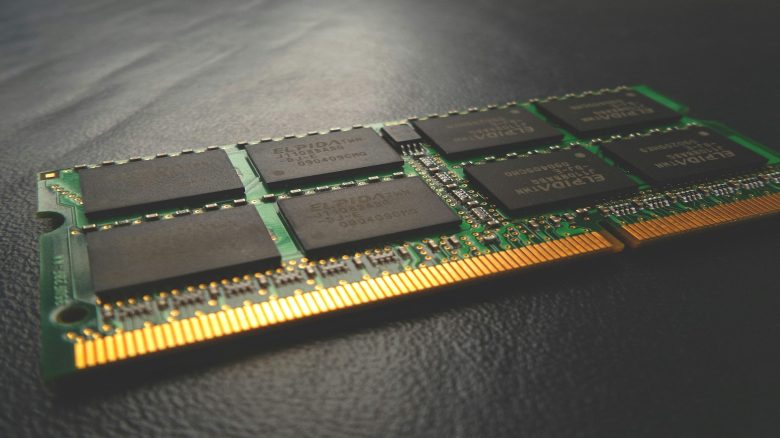
Those looking to buy DDR5 RAM currently need not only a well-filled wallet but also luck. While many are still comparing prices, bots are firing off millions of queries in the background and securing the goods in seconds – this is shown by an analysis from a security company.
What is behind the many bots? In the ongoing RAM crisis, where memory chips and modules have become scarce and expensive due to strong demand, especially from AI infrastructures, scalpers are exploiting this situation to quickly make a profit with automated tools (Source: netzpiloten).
According to the security service provider Data Dome, which protects websites from bot and AI attacks, a bot network specifically sought current price data for memory modules and related components, querying DDR5 product pages every 6.5 seconds.
Bots made 50,000 queries per hour and conducted an average of 550 query attempts per RAM offer (Source: Data Dome). This data comes from a single sample. This means: As soon as new goods go online, the bots strike. For ordinary buyers, there is often only disappointment.
According to the security report, over ten million of such scraping requests were blocked in recent weeks, while buyers and retailers were simultaneously confronted with sharply rising prices and supply shortages in DRAM memory.
Automated Web Scraping
Why is it affecting DDR5? DDR5 is the current standard for modern hardware. Anyone investing in new CPUs needs fast RAM. At the same time, the AI market is booming: data centers are massively investing in memory to run large models.
As the industry magazine Netzpiloten states, the new DDR5 standard is significantly superior to its predecessor, but is currently also more expensive. Since the production of DDR4 memory is also slowly being scaled down, this further exacerbates the current bottleneck and drives its price up.
Just this mix is enough to drive prices up. When automated purchases are added, the situation becomes even more severe.
How do scalpers operate in the background? Web scraping refers to the automated extraction of data from websites using bots. Those who colloquially send out such bots are called scalpers. Scalpers buy hardware as quickly as possible to then sell it at a higher price.
The bots identified by Data Dome monitored stock levels automatically through web scraping. They analyzed product pages and detected stock changes. According to Data Dome, the bots attempted to imitate human behavior: they operated in a day-night rhythm and appended individual parameters to each query to always retrieve the latest price data instead of cached content (Source: Toms Hardware).
Despite various disguises, they were reportedly clearly recognizable as automated programs. The bots specifically accessed only RAM product pages and did not utilize any other functions of the various websites (via Data Dome & The Register).


This case once again shows how fragile and vulnerable the hardware market still is. The developments and shortages around RAM are not the first hardware area affected. With the launch of the new RTX-50 series, an old problem has resurfaced. The graphics cards are hardly available and are being bought up in large quantities by scalpers and bots

Your opinion is important to us!
Do you like the article? Then let us know!