

In The Division, there was a major problem from the start: The DLCs were never meant to carry the game for over a year, believes our author Schuhmann. The season pass was a disaster. In The Division 2, Massive aims to specifically solve this issue.
The Division – the Year 1 Catastrophe: The way The Division has developed is actually unusual. Normally, there are two approaches to how a game performs after release:
- A classic singleplayer game functions well at release when the story is fresh. Then players happily complete the campaign. Once the story is exhausted, they lose interest in the game and drop out. At best, DLCs later bring players back. Otherwise, they wait for the next installment. Examples include Fallout 4 or The Witcher 3.
- A typical multiplayer game has major problems and little content at release. However, if all goes well, it improves with patches and updates, and the quality increases. Examples include Warframe or The Elder Scrolls Online.
How it went with The Division: At the beginning, Massive had a good story and a great atmosphere, but also a multitude of problems. The game crashed a few weeks after release. Then, the first year of DLCs brought hardly any improvement – The Division remained stuck. Only when these planned DLCs were over and the game was patched “normally” could the major issues be addressed. Once the content from the expensive season pass was exhausted, the quality of The Division noticeably increased, and the improvement occurred. Why was that the case?
The Division Year 1: Season Pass – The Failure
This was the plan for The Division: Originally, The Division was supposed to receive three paid expansions in 2016, which were meant to further develop the game. Players on PC and Xbox One could start right away – PlayStation 4 players had to wait a month before they could play a new expansion. In addition to the three paid DLCs, a series of free updates were planned to push The Division forward. The plan extended from the release in February 2016 until the end of the year and the last of the three DLCs.
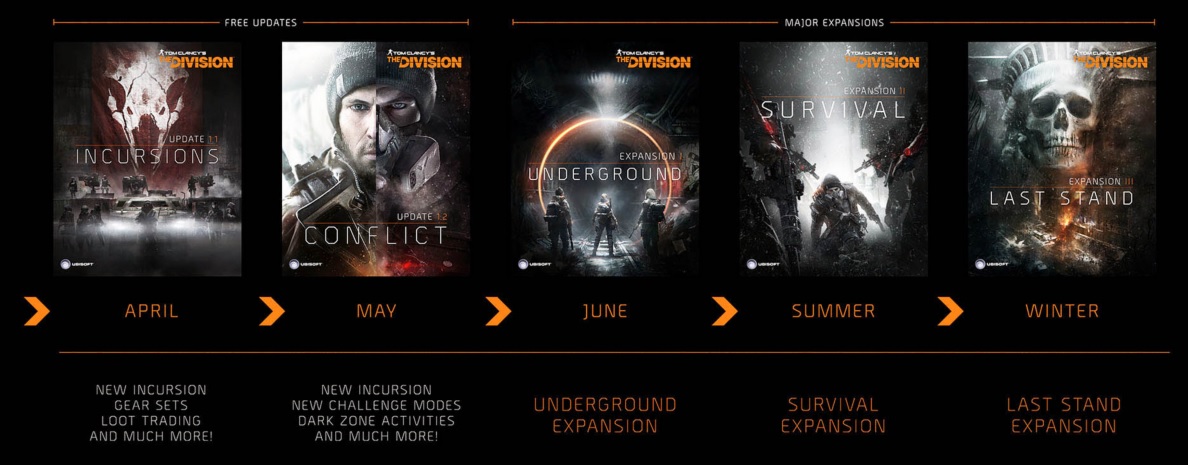
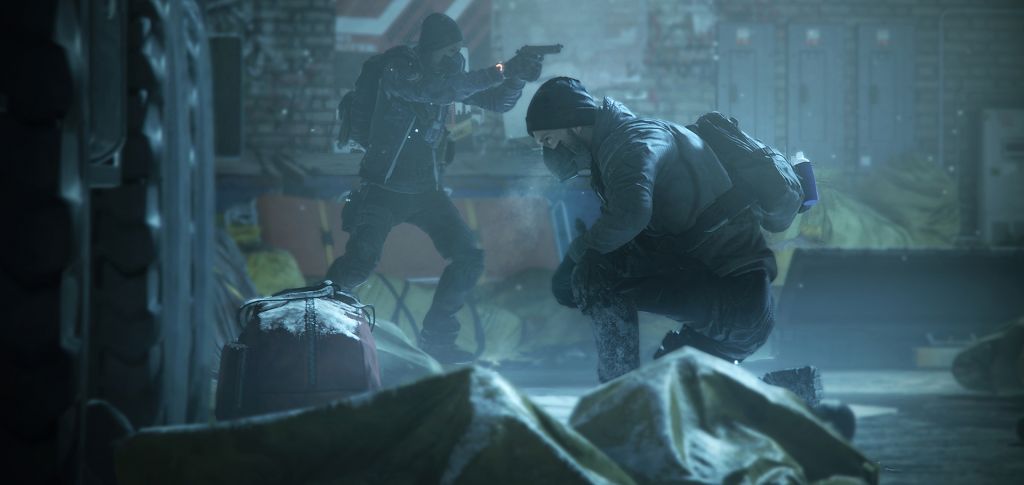
This is how it really was: After the first free updates and the first paid expansion “Underground,” Massive switched to crisis mode and postponed the next two expansions. Instead, they first released updates. “Survival” was released in December 2016, the final DLC “The Last Stand” only in February 2017.
How did the DLCs perform? The DLCs for The Division were more or less flops. They never significantly raised player interest. Only long after the end of the Year 1 plan with patches 1.7 in August and 1.8 in December 2017 did The Division turn around: Players returned. The sentiment around The Division only improved when no more DLCs were planned and other studios took over the further development of The Division.
The Year 1 plan for The Division thus failed. Only afterwards did it improve. Why was that?

What was the problem with the DLCs?
The Division made at least 3 major mistakes with the Year 1 DLCs:
- Firstly, the DLCs split the community – Not everyone bought the season pass, thus the expansions were not interesting for everyone. Additionally, PS4 players had to wait a month for them. The DLCs were cut off from the general flow of players. In any case, the DLCs seemed to be purely “optional” – as bonus content that had nothing to do with the actual game.
- Each DLC opened a side war front. Instead of continuing the actual story and bringing new areas, the DLCs introduced isolated individual modes that were not further developed because not everyone could play them. “Underground,” “Survival,” and “Last Stand” might have been good ideas in their own right and have their fans – but they did not really advance the core experience of The Division, rather they complemented it at best.
- No further development of the main story: None of the DLCs continued the exciting story of The Division that many originally bought and liked the game for. Most players would have preferred an expansion of the world of The Division and for it to transition to spring. Instead, each DLC opened new side paths that turned out to be dead ends.
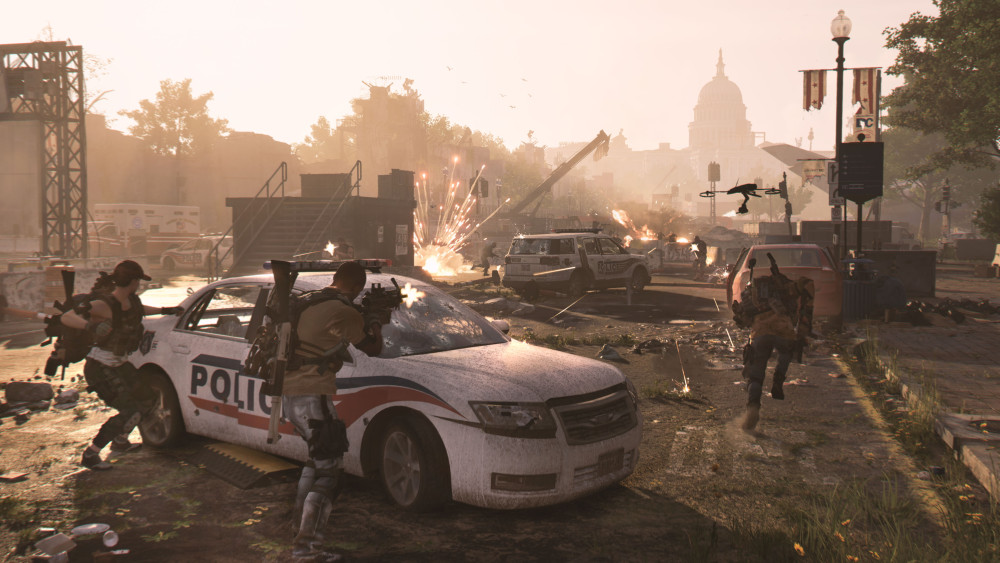
The Division stagnated as long as there were DLCs
The fundamental problem of The Division: The DLCs could not advance the game but remained purely optional. They changed nothing about the base experience. Therefore, The Division did not develop as long as the DLCs were running. Everything remained static. The visible example of this: For two years, it remained winter in Manhattan.
Optional DLCs were simply the wrong model for a game like The Division. The Year 1 plan shows that Massive had no clear idea of what support The Division would need post-release.
The Division 2: New plan, no season pass
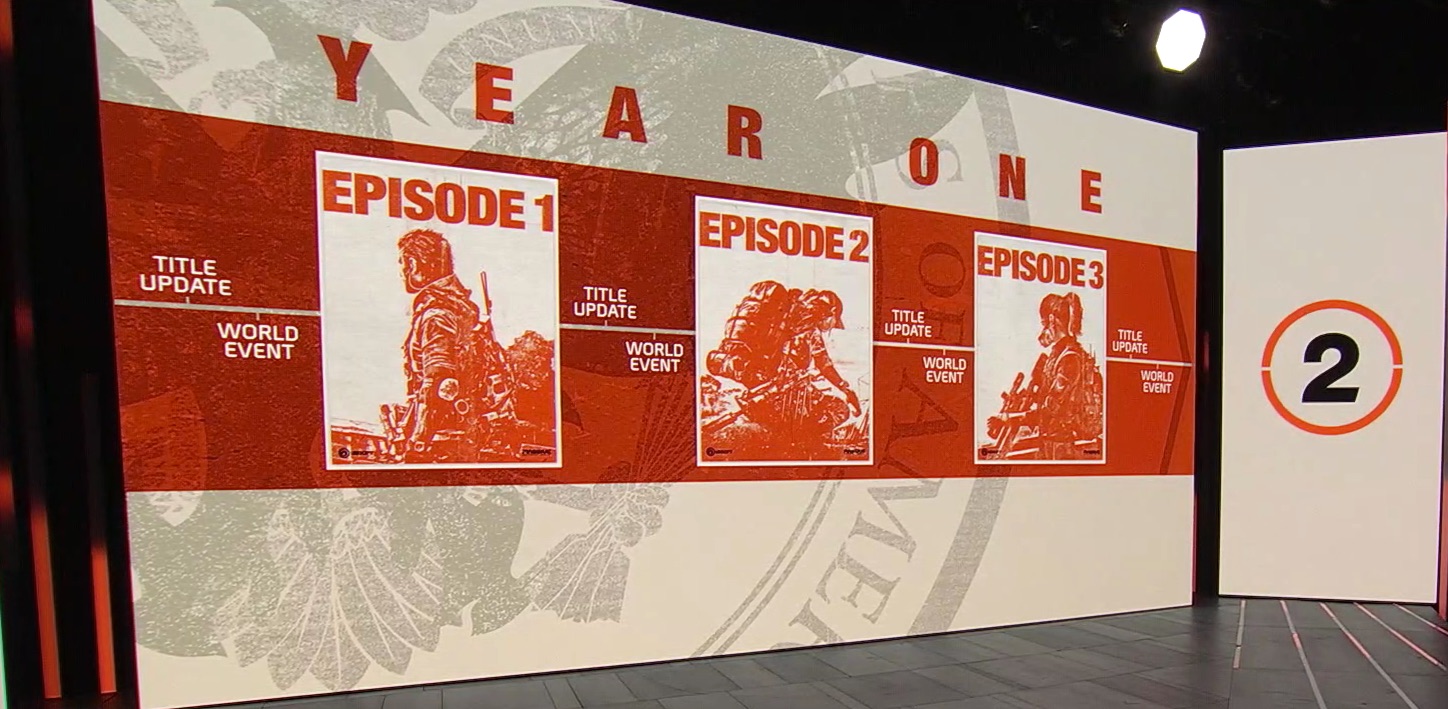
No season pass: For The Division 2, Massive now wants to take a different direction. Massive is not selling a season pass for The Division 2 – nor are any paid DLCs planned. They aim to develop the game further with free, regular updates: The plan includes three DLCs for Year 1. With them, Massive wants to ensure that the community stays together across all platforms and intends to continue the story: After all, updates now apply to everyone.
What disadvantages could this have? Unlike The Division 1, The Division 2 will launch with a cosmetic cash shop. It could be that this gradually becomes more prominent than in The Division 1 to generate a constant cash flow. The increased revenues from the season pass and DLCs will no longer be available for The Division.
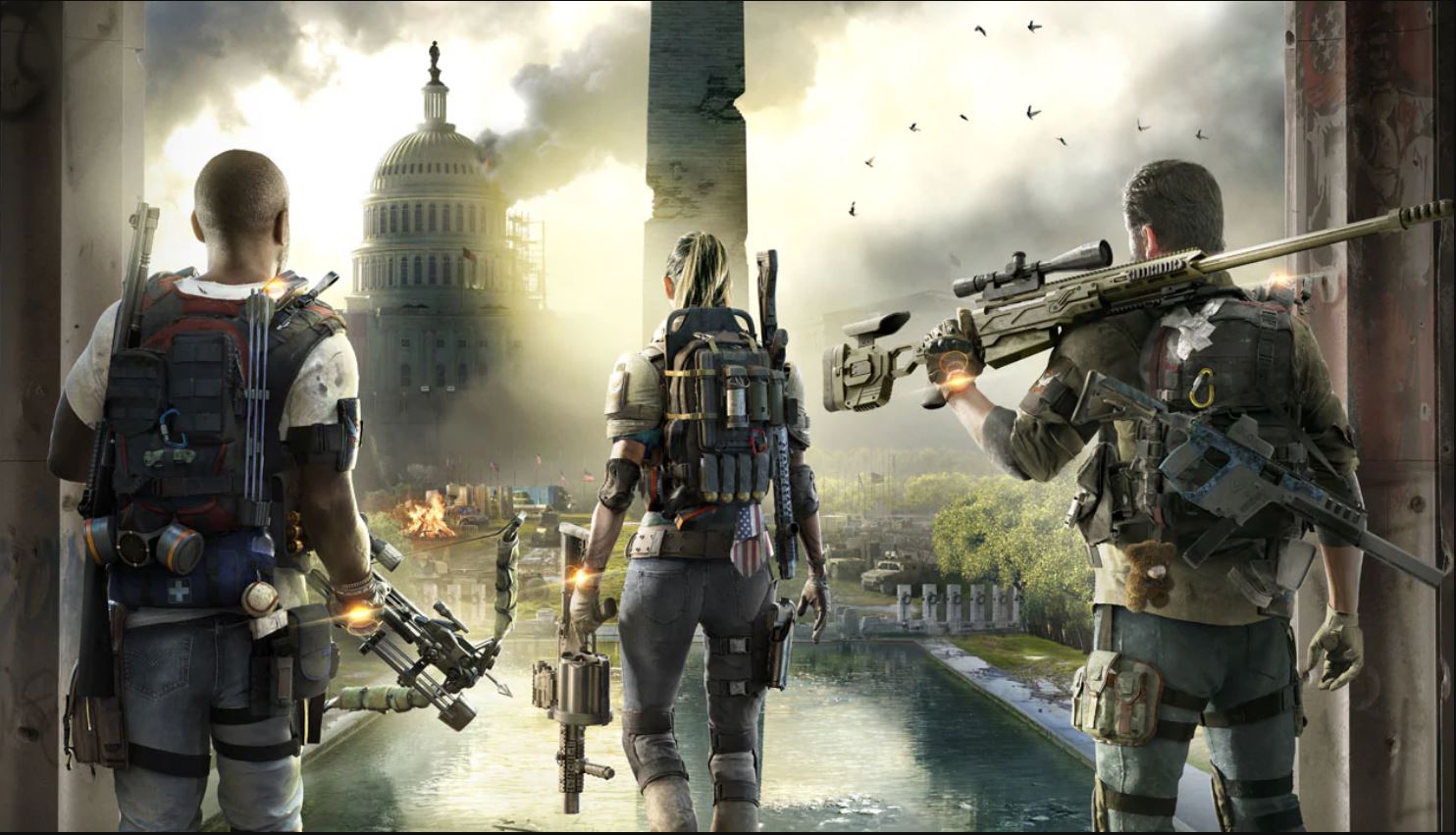
It also seems that The Division 2 is planning a major paid expansion for February 2020 – based on the model of Destiny or The Elder Scrolls Online.
The Division 2 needs a continuous story
Turning a necessity into an advantage: Generally, Massive should be praised for taking the right lessons from Year 1.
- A DLC plan like that of The Division 1 might suit a shooter like “Call of Duty,” where new modes can bring variety.
- However, a game that relies heavily on story and atmosphere like The Division requires a different model. Here, updates and DLCs must apply to everyone, not just a portion of the player base.
The Division 2 needs updates that everyone is aware of because they continue the story and world. Merely by making this decision, The Division 2 seems to have already tackled one of the biggest problems of its predecessor in its conceptual design.


Your opinion is important to us!
Do you like the article? Then let us know!