


In India, the shooter “PlayerUnknown’s Battlegrounds” is banned in many places. Media reports keep emerging, linking the game directly or indirectly to deaths. Particularly, PUBG Mobile is making horror headlines.

What did the boy die from? As reported by the Indian website “The Week”, a 16-year-old Indian died of cardiac arrest on May 28.
An agency quotes cardiologist Dr. Ashok Jain: “He was brought in without a pulse. We tried to revive him but could not succeed. His parents informed us that he had played the PUBG game for 2 to 3 hours.”
This is the situation: This is only the latest report of numerous cases from India where the game “PlayerUnknown’s Battlegrounds” and especially its mobile version have been linked directly or indirectly to a death.
There have already been reports:
- A 25-year-old Indian reportedly suffered serious injuries because he drank acid instead of water, apparently due to being consumed by PUBG Mobile.
- A 19-year-old was so addicted to PUBG that he murdered his father, mother, and sister because his parents wanted to ban PUBG Mobile after he had been performing poorly in school.
- Two Indians (24 and 22) were playing PUBG Mobile near railway tracks and were so engrossed in the game that they were hit by a train.
PUBG Mobile is extremely popular in India, a groom was even undeterred from playing it on his own wedding.
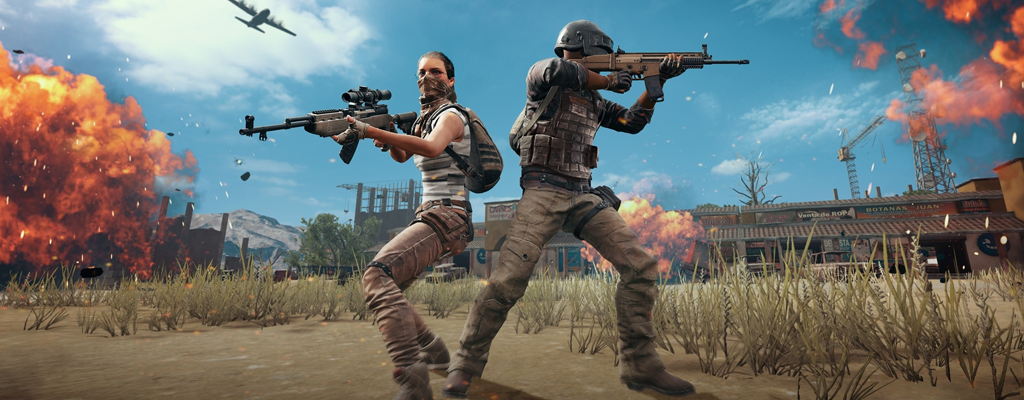
This is the mood in India: In many regions of India, “PUBG” is now banned. People are being arrested for being caught playing.
It is said that these bans are necessary because these games trigger violence among children and adolescents. They also negatively affect the behavior and language of young people.
Such media reports seem to contribute to the mood and increase acceptance for bans.
For us Europeans, it often seems unclear how exactly the deaths are supposed to be related to a mobile game.
It is also noted below the media report on Twitter by a user: This is a typical case of a logical fallacy: Just because something happens at the same time, it does not necessarily mean it is causally linked.
The boy could have had a heart condition that was triggered during play. In that case, the heart condition would be the actual cause of death, not the game.


Your opinion is important to us!
Do you like the article? Then let us know!