

A settlement has been reached in Pokémon GO. The agreement could have an impact on PokéStops and Gyms.

This is what the lawsuit was about: The lawsuit began back in 2016. During the early days of the app, players often ended up on private property. For example, to catch a rare Pokémon there. Since disputes arose between property owners, residents, and players, this became a problem.
This led to a class-action lawsuit against Niantic. The company was supposed to ensure that players are not encouraged to violate others’ privacy while playing.
This is how the agreement was reached: As early as the beginning of 2019, Niantic and the plaintiffs reached an agreement that has now been approved. On one hand, the company must pay 4 million dollars. However, most of this will go towards legal costs. The plaintiffs will receive 1,000 euros each.
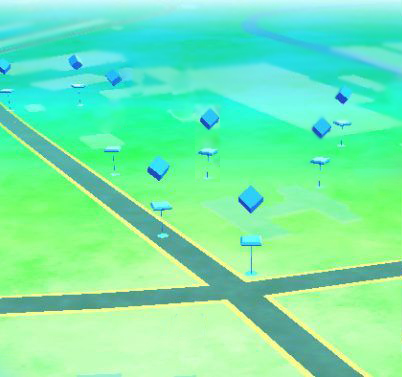
Changes that could happen to PokéStops
PokéStops should cause less disturbance: Furthermore, Niantic committed to making changes to the PokéStops as part of the settlement.
Among other things, players can report PokéStops or Gyms that cause privacy disturbances. Niantic committed to reviewing and assessing these reports with “economically reasonable effort.” In 95% of cases within the year, Niantic aims to provide a solution to the respective situation within 15 working days.
For example, Stops or Gyms that are within 40 meters of private property and are deemed to be removed could disappear within five days. Additionally, Niantic plans to create a complaint database. This will help identify problematic PokéStops and potentially remove them.

Additionally, the company will ensure not to place any new PokéStops on or near private property. For new PokéStop proposals, a more detailed review regarding their disturbance potential will be conducted.
For particularly tough Raids involving more than ten people, Niantic also wants to send a warning to the players. They should behave considerately while playing.
Park owners will also have the opportunity to introduce operating hours for Stops and Gyms in their parks. The respective Stops and Gyms could then be inactive outside these hours.
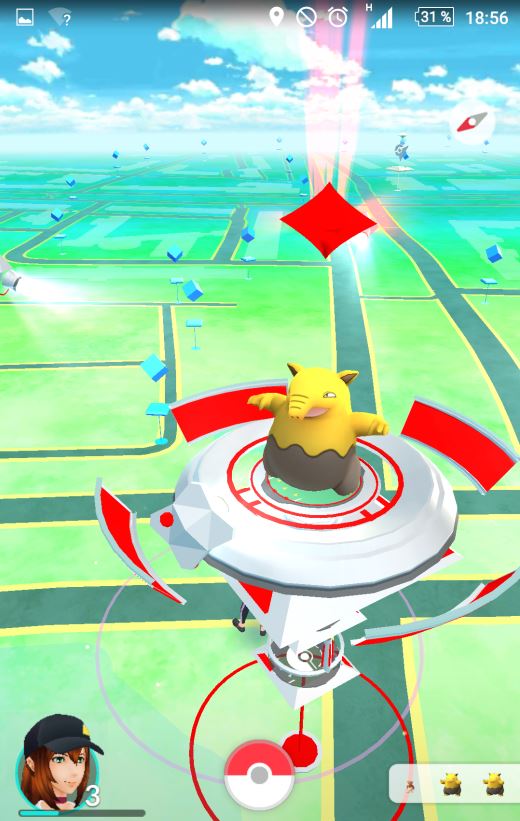
The Situation in Germany
Does the decision apply here as well? For now, the agreement was reached between U.S. citizens and Niantic. The decision applies in the USA. However, it is assumed that it will at least serve as a door opener for potential lawsuits against Niantic, and the company wants to protect itself. It is likely that in countries other than the USA, there will be a closer look at Stops and Gyms.
On the official website, any property owner with a Stop or Gym on their property can file a complaint. Any safety or other concerns regarding a Stop can also be expressed by anyone.


Your opinion is important to us!
Do you like the article? Then let us know!