

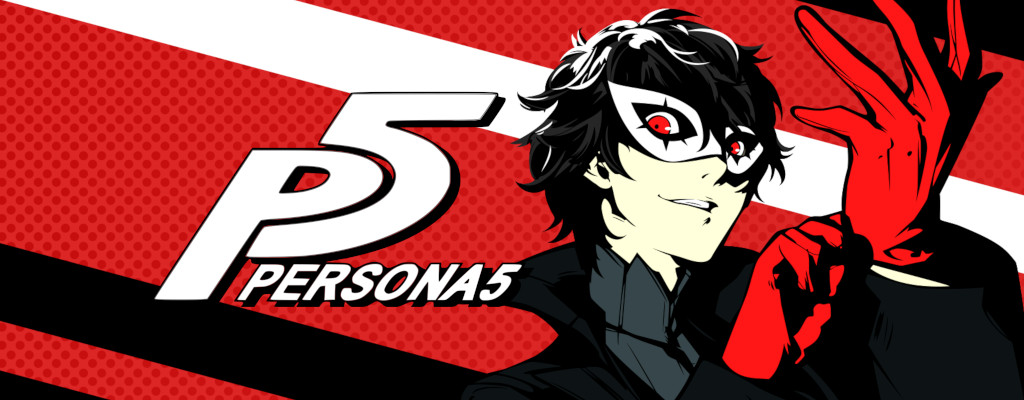
Large game worlds with many little things to discover irritate Cortyn now. A linear JRPG with time pressure brought back the love for gaming.
Anyone who follows our site a bit more closely will have noticed that I took a few weeks off last month. This was not just to escape work for a while. I also wanted to gain a bit of distance from gaming in general, as I felt burned out. And that from a hobby that I have loved for so many years and has filled a huge part of my free time.
Open-world games have become increasingly popular in the last 10 years. Most MMORPGs are considered “open world”, but this theme has also grown significantly in the single-player area. Notable representatives from recent years would include Skyrim, The Witcher 3, Final Fantasy XV, Mass Effect: Andromeda or Red Dead Redemption 2.
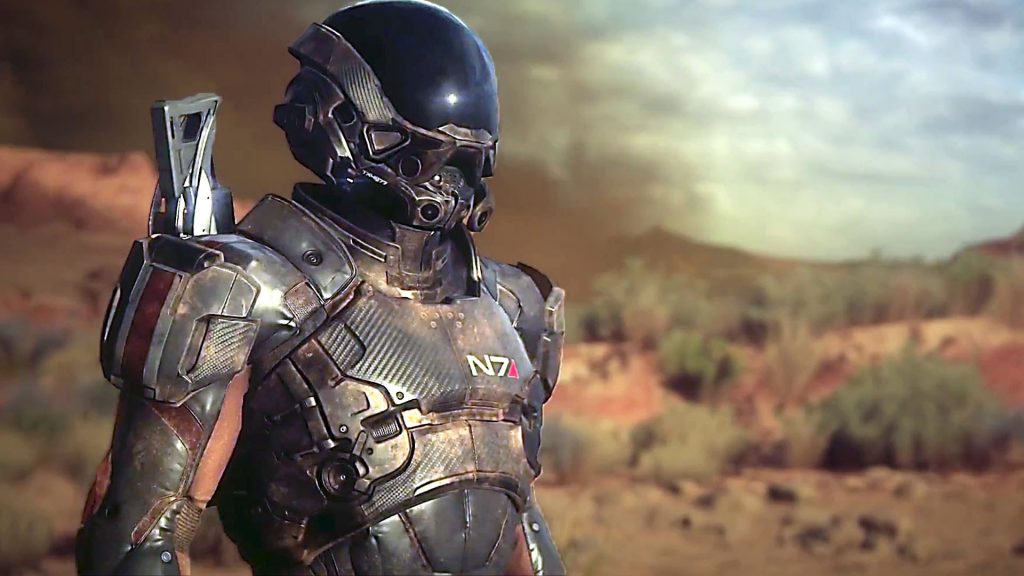
I don’t want that anymore. At least not at the moment. As great as it was the first few times to explore such gigantic worlds, it has become exhausting now.
Even The Witcher 3 Had “Open World” Problems
When I wrote the review for The Witcher 3, I had planned to play the game “completely” – that is, to complete every side quest and visit every marked point on the map. This also meant that I spent several hours sailing the seas of Skellige to get from one chest in the water to the next.
Each time, I pulled a saddle from the chest that was so heavy that I had to return to a village to sell it.
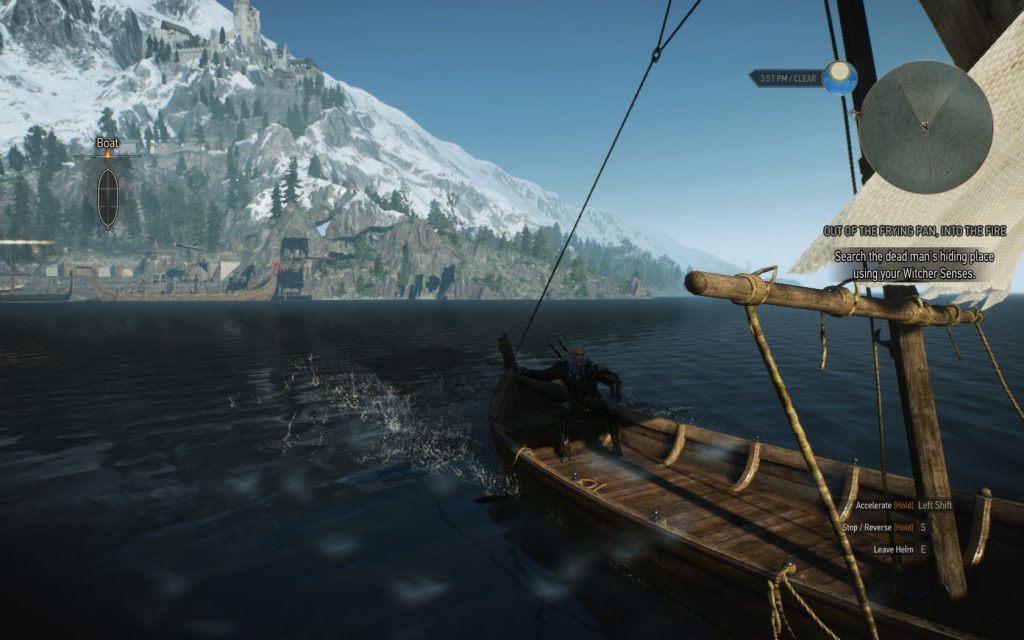
This whole sailing took me four or five hours back then and basically yielded no meaningful loot, no progress, and no joy.
Even back then, after completing the task, I asked myself: What the Nether am I doing here, anyway? This part of the game had nothing to do with fun.
Size for the Sake of Size in Final Fantasy XV
I experienced something similar a few months ago when I finally tackled Final Fantasy XV. The game was previously somewhat criticized as a “boyband road trip simulator”. But hey! I’ve been playing the series since FF VII, so I couldn’t skip it.
Unfortunately, the critics were right about that. Final Fantasy XV is, for all its love, not a bad game, but it has plenty of literal dry spells in which you drive for miles with a car, which usually plays out automatically.
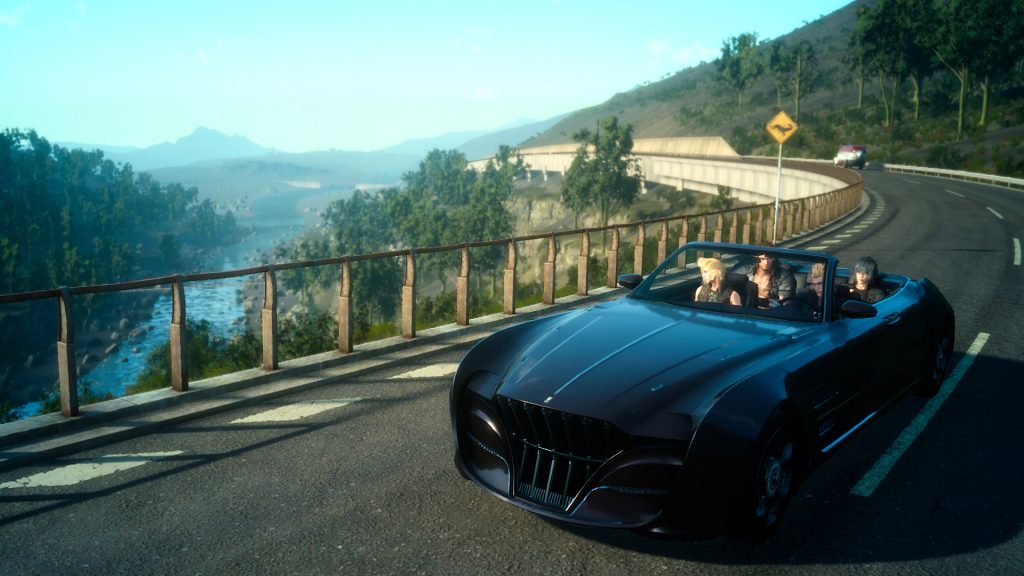
At the same time, the game quietly informs you that you shouldn’t skip the long distances. Because sometimes the characters start talking, or a character discovers a special viewpoint during the drive that leads to a small quest.
The chance for that disappears if you simply skip the route. This is naturally poison for someone like me, as I want to experience “everything”, especially little snippets of story.
I’m quite sure I’m not exaggerating: Easily 30% of my 80 hours in Final Fantasy XV were spent watching a car completely automate its journey through the landscapes.
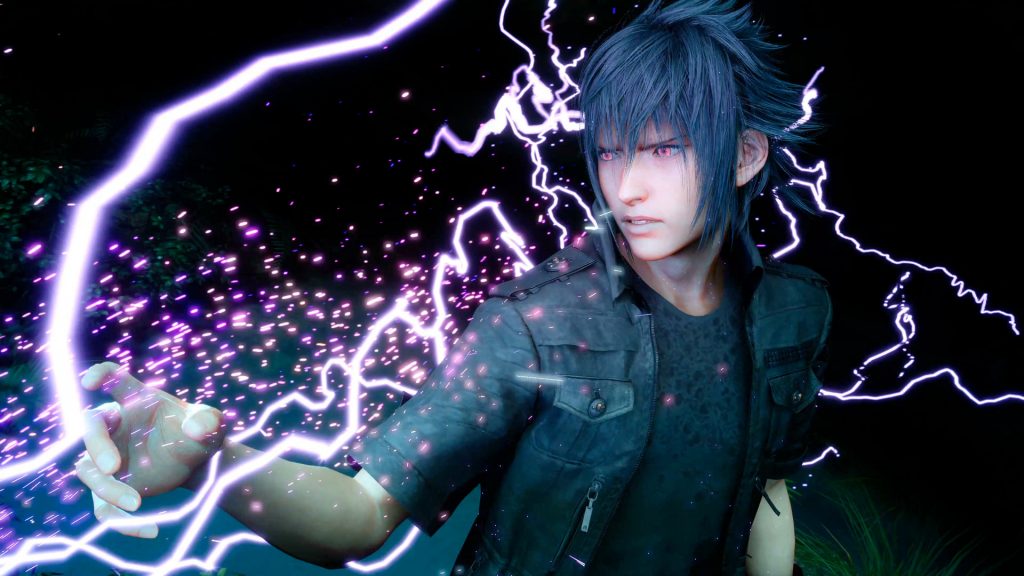
There was absolutely no need for that from a design perspective. The world of Final Fantasy XV is not “stuffed” with cool content, but largely empty. While the environment looks beautiful, it contains little to discover and even less that is useful.
You can find ores and treasures, but 80% of these items are only needed to give your car a new paint job. However, since I still had the “compulsion” to want to discover everything, I of course picked up every damn ore at least once here too.
How often did I repaint my car in Final Fantasy XV? Oh yes, never.
The entire game world of Final Fantasy XV could have easily been packed into a quarter of the space without harming the game – but that would have reduced the playtime of the players, and then it wouldn’t really be “open world”.
MMORPGs Have Become Even More Exhausting
A second problem is the factor of “too much choice”. Since some might now raise their eyebrows in confusion, I want to explain this, using World of Warcraft as an example.
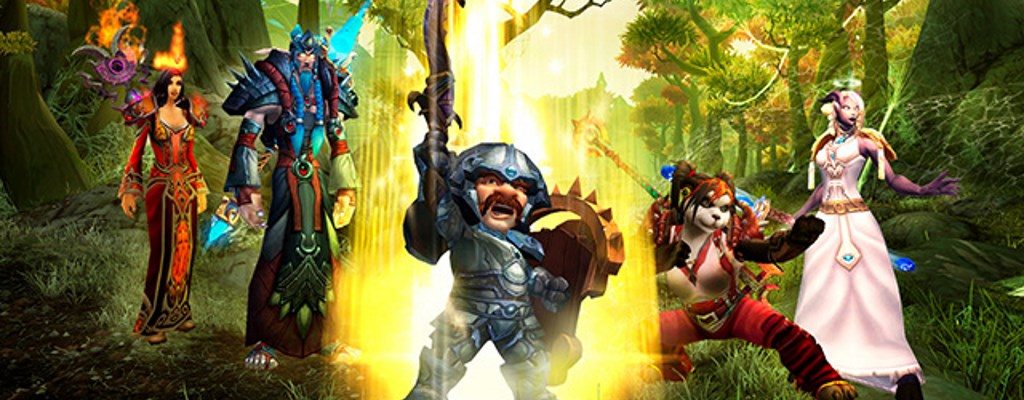
Hardly any other MMORPG offers as many ways to obtain new equipment as World of Warcraft. I can complete world quests, visit dungeons with increasing difficulty, try my hand at raids in four difficulty levels, or improve my artifact necklace during island expeditions.
Many of these contents I can experience without natural restrictions. While I can only visit raids once a week, dungeons, island expeditions, and, to a lesser extent, world quests are practically available endlessly.
There is no “optimum”, there are no natural limits. Anyone wanting to get the best out of their character must play endlessly.
This is by no means just a problem of World of Warcraft, but of almost all major MMORPGs. This is also intended because those who can play a lot should be able to do so and feel the successes.
But it made me tired. None of this content felt really satisfying, and nothing gave me the feeling of having had a truly fun time.
Persona 5 Showed Me How Nice It Can Be Different
After a few days of “pause” from gaming (which I can recommend to anyone), I finally sat down at the PlayStation again to choose a game from the “pile of shame”. You know, the big mountain of games one buys during some sale and then lets rot on the hard drive for years.
My choice fell on Persona 5. And that might be the best decision I have made this year so far.
Even though the story of Persona 5 is a major draw, I don’t want to go into it in detail due to spoilers – so you can read on without worry. It’s much more about specific game mechanics and the strong contrast that Persona 5 forms to “open world” games.
Persona 5 has a narrative style in which time is a significant factor, as there is always a limited amount of it. Yet, the range of possible activities is large, which leads to a dilemma: The player cannot do everything. He is forced to make decisions and thereby not only choose one thing but also decide not to do something else.
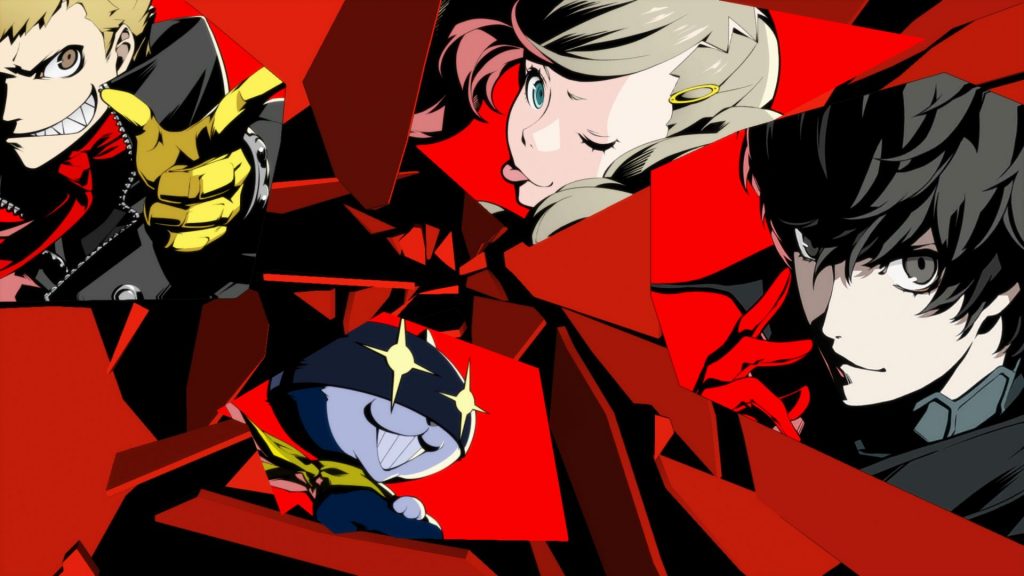
Each day basically consists of two free actions that the player can take. These are different activities that fulfill various purposes. For example, I can send my character to the gym, where he gains more health points. Or I let him work in a restaurant, which earns him money and maybe some charisma. Or should I have him read a book to become smarter and pass the next exams at school?
This is just a small part of the actions that are possible. At the same time, one can also maintain contact with friends and build a deeper bond to acquire new abilities. This also unlocks new story sequences in which we get to know the characters better and learn more about their backgrounds. All this costs time, which is heavily limited.
Even the “PvE” Part Has a Time Constraint
However, it’s not only in the “social” aspects of Persona 5 that there are time constraints. Even in the “combat” part of the game, time is an important factor. Although I can theoretically take as much time as I want to level up in battles. Because as long as I am in the “combat” area of the game, there is no time limit. It doesn’t matter whether I fight two, three, or seventy battles in a row; the stay in the “combat” area is always considered a complete day, regardless of how much I accomplish there.
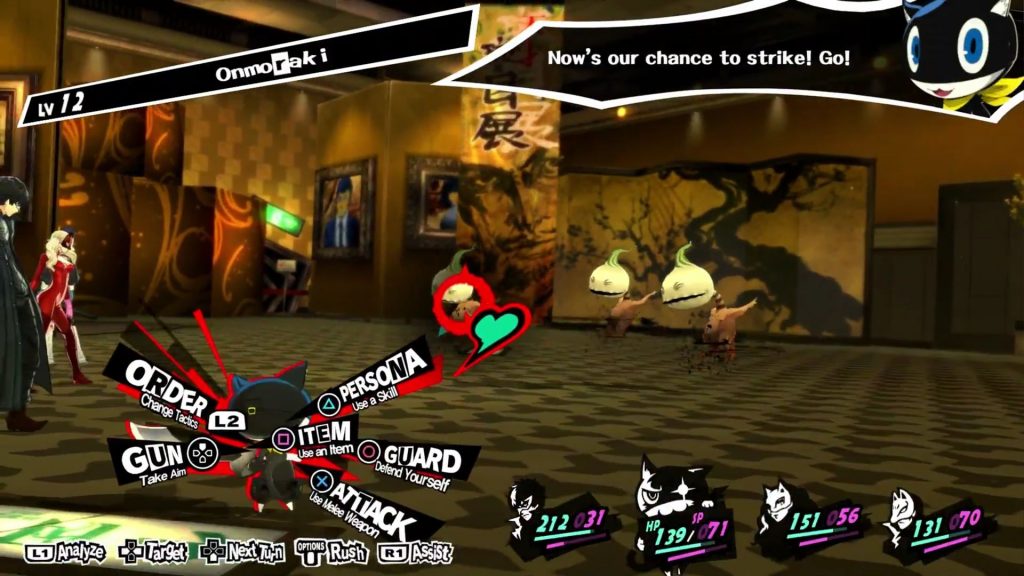
Nonetheless, it is not possible to grind 10 levels in a row there, as there are natural limitations that do not feel forced. Eventually, my characters will run out of mana points (SP) due to using spells and abilities. Without SP, I can no longer target the enemies’ weaknesses, making even weak foes suddenly a serious threat.
SP can only be fully regenerated by leaving the combat area and transitioning to the next day.
Deadlines Create Positive Pressure
Almost all activities in Persona 5 cost time, thus limiting what I can experience and forcing me to make decisions.
At the same time, there are almost always deadlines in the game that I must meet. For example, there is almost always a countdown in the upper right corner of the screen that says something like, “13 days until you are handed over to the police”. This is some ultimatum by which I must solve the current problem of the story; otherwise, Persona 5 ends in a game over.
These ultimatums create a need to weigh my options even more carefully about what I really want. Because as the countdown gets shorter, the mental pressure increases. Will I complete the dungeon within the remaining five game days? Can I afford to spend a day going on a date to strengthen my character’s bond with his girlfriend? Can I still afford to craft lockpicks to open the chests in the dungeon? Or will that be too close?
“Take Your Time,” The Game Mocks
Indeed, this theme is also played on a meta level in Persona 5. Every time on the loading screen, it provocatively says, “Take Your Time” – which translates to “Nimm dir Zeit” or “Lass dir Zeit”. What sounds like mockery and sarcasm at first, given that time is such a limited resource, was for me an enlightening experience within the game. Take your time for what is important to you. Focus on what you want and live with the fact that you cannot achieve everything else.
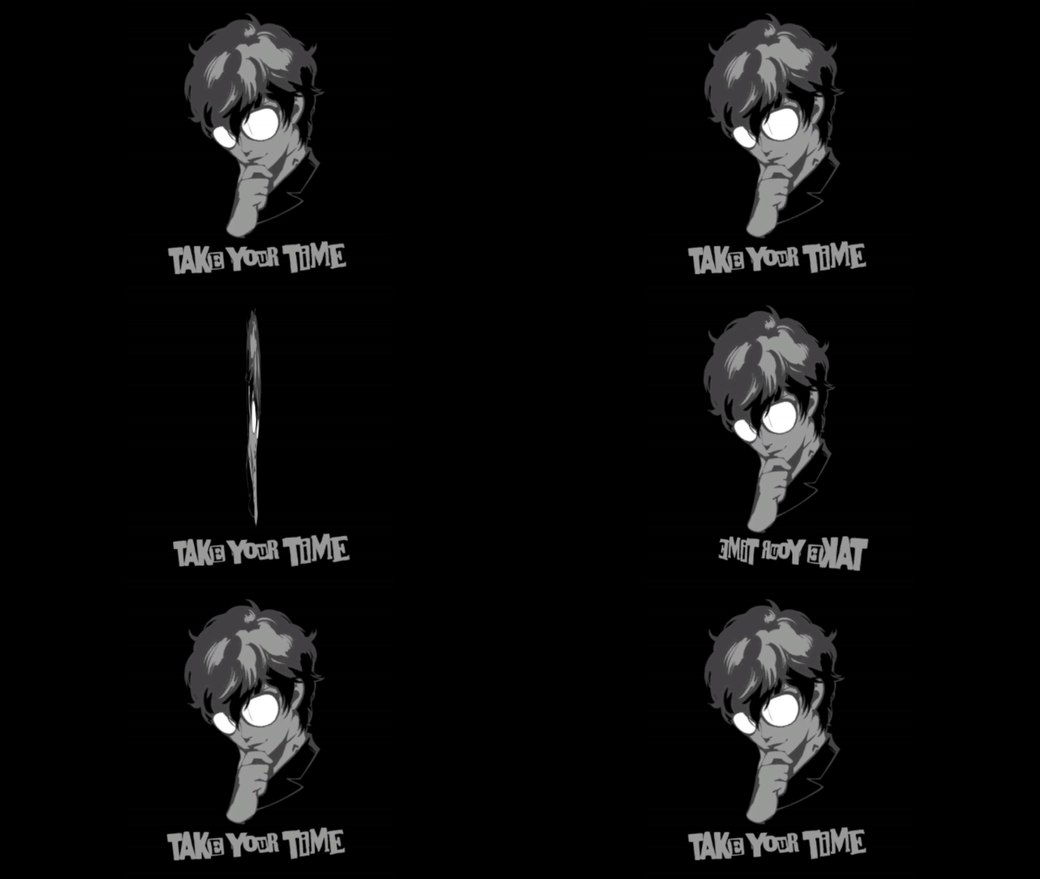
Every decision to do something is simultaneously a decision not to do everything else and possibly to miss something forever. There is no optimal path in Persona 5. And this is so satisfying and simultaneously so liberating in its compulsion that I realized while playing how much I longed for something like this.
Conclusion: Persona 5 Shows That Less Freedom Can Help Games
Persona 5 has shown me what I have actually missed in games. The endless freedom of an MMORPG leads to frustration and dissatisfaction in the long run – at least for me. Having a clear structure and making decisions that have meaning and maybe aren’t optimal – that is liberating. It has caused me to spend nearly 80 hours in Persona 5 in just two weeks – and it has been a long time since a game captured me like this.
Anyone in a similar situation as I am, tired of their “standard” games, should simply look for something completely different. My “redemption” in this case was Persona 5, which I can only recommend to everyone. The game is worth every cent.
By the way, it has the best soundtrack of the past few years.

Your opinion is important to us!
Do you like the article? Then let us know!